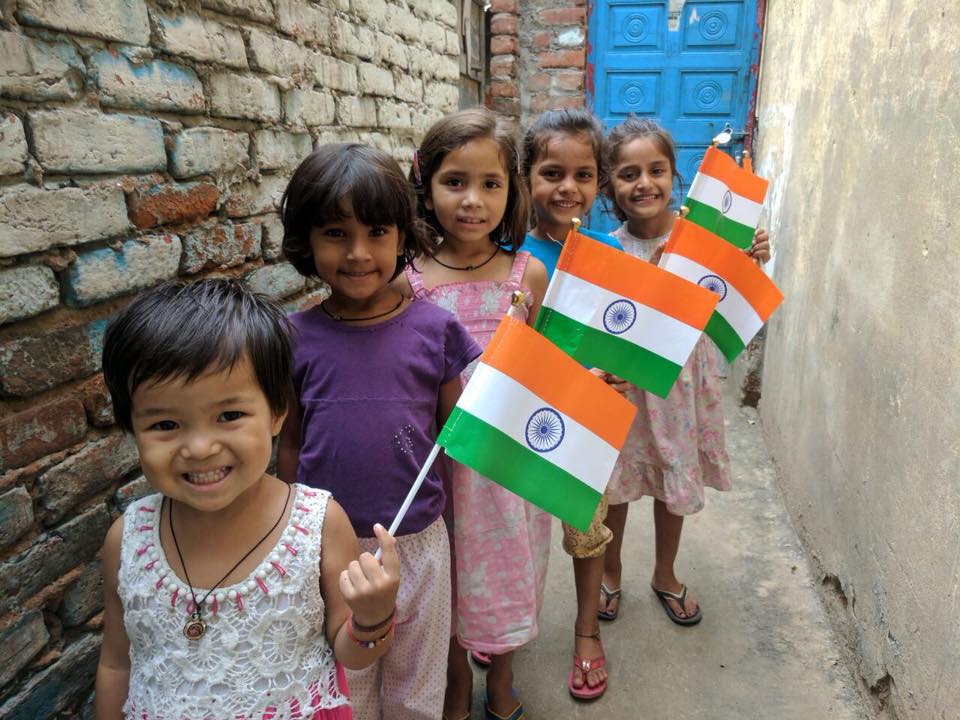

On January 26, 1950, India did something quietly radical. It granted every adult citizen the right to vote, regardless of literacy, caste, gender, wealth, or social standing. At a time when large parts of the world still restricted democracy to property-owning men or the formally educated, India placed its faith not in readiness, but in participation.
That decision was less about optimism than about moral clarity. The framers of the Constitution understood that democracy would not mature before it was practised. It would mature only through use, error, correction and persistence. The Republic began, therefore, not as a finished project but as a wager on its people.
Seventy-five years later, the Indian Republic stands transformed. Life expectancy has more than doubled. Literacy has expanded across generations. Hundreds of millions have moved out of poverty. The economy has diversified, cities have grown and institutions have thickened. Yet the Republic’s most consequential work has not been the writing of laws or the passing of amendments. It has been the slow, uneven and often contested translation of constitutional ideals into lived dignity.
Republic@75 is therefore not a celebration alone. It is a moment of stocktaking. How far have we travelled from equality on paper to equity in practice? And what does the next phase of the Republic demand from the state, from institutions and from society?
The Republic’s First Promise: Equality of Citizenship
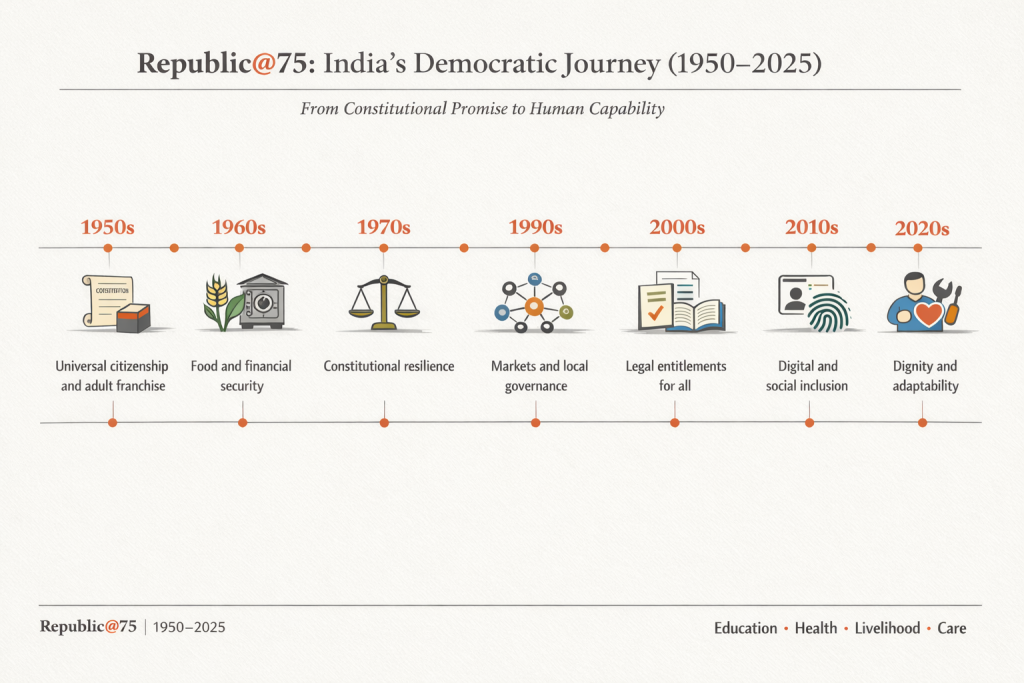
India’s Constitution was not just a legal document. It was a moral architecture. Universal adult franchise, fundamental rights, affirmative action and the Directive Principles of State Policy together attempted something unprecedented: correcting historical injustice through democratic means rather than elite paternalism or violent rupture.
The early decades of the Republic focused on nation-building through access. Schools were expanded to previously excluded populations. Food security became a state responsibility through public procurement and distribution, culminating in the Green Revolution. Banks were nationalised to widen access to credit and savings. Public sector enterprises were built to anchor industrial growth.
These moves were imperfect, often inefficient, and sometimes exclusionary in new ways. Yet they reflected a coherent belief: that development was a public good and that citizenship had to mean more than formal equality.
At the same time, the Republic learned hard lessons about the fragility of rights. The Emergency of 1975–77 exposed how easily constitutional guarantees could be suspended when power concentrated without accountability. The Supreme Court’s articulation of the Basic Structure doctrine in 1973 and the restoration of civil liberties thereafter, reaffirmed a core republican truth: democracy survives not by trust alone, but by institutional restraint.
From Welfare to Rights: Republic Day 2026
The turn of the millennium marked a decisive shift in India’s governance philosophy. The state began to move from discretionary welfare towards rights-based entitlements.
The Right to Information Act gave citizens the legal authority to question the state. The Right to Education made schooling a justiciable claim rather than a policy promise. MGNREGA reframed employment as a guarantee, not charity. Food security was codified into law, recognising nutrition as foundational to citizenship.
This shift mattered because democracy deepens not through elections alone, but through everyday accountability. Rights created claimants, not beneficiaries. They altered the relationship between citizen and state, especially for those historically marginalised by caste, gender, geography or poverty.
But the rights-based turn also revealed structural limits. Enrolment rose sharply, but learning outcomes stagnated. Healthcare coverage expanded, but quality and affordability remained uneven. Women entered classrooms in record numbers, yet exited the workforce early. Access improved faster than capability.
The Republic had succeeded in opening doors. It had not yet ensured that people could walk through them with confidence.
The Unfinished Work Gaining Steam for Republic Day 2026
As India enters demographic maturity, the central question facing the Republic is no longer scale alone. It is capability.
The National Education Policy 2020 reflects this recognition, shifting emphasis towards foundational learning, flexibility and skills rather than rote progression. Labour reforms acknowledge that work is no longer linear and that employability depends on continuous learning rather than static credentials. Digital public infrastructure has enabled unprecedented reach in service delivery, but has also exposed digital divides and uneven capacity to use technology meaningfully.
In this phase, the Republic’s challenge is not to expand systems endlessly, but to make them work better for those they were designed to serve. This is where execution, local context and institutional learning matter more than headline reforms.
Civil society plays a critical role in this transition. Organisations working at the grassroots translate policy intent into lived reality, identify bottlenecks and feed learning back into systems.
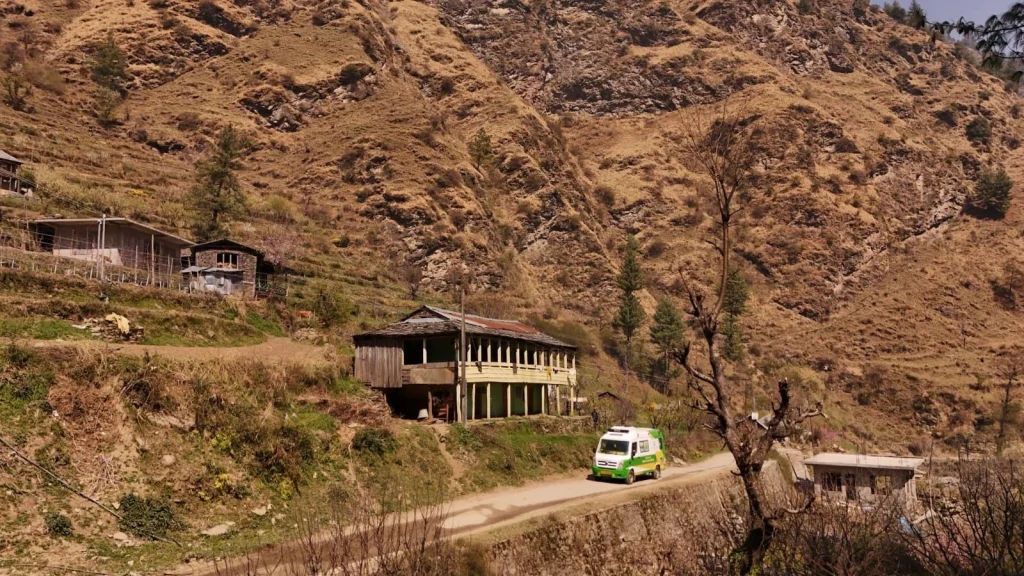
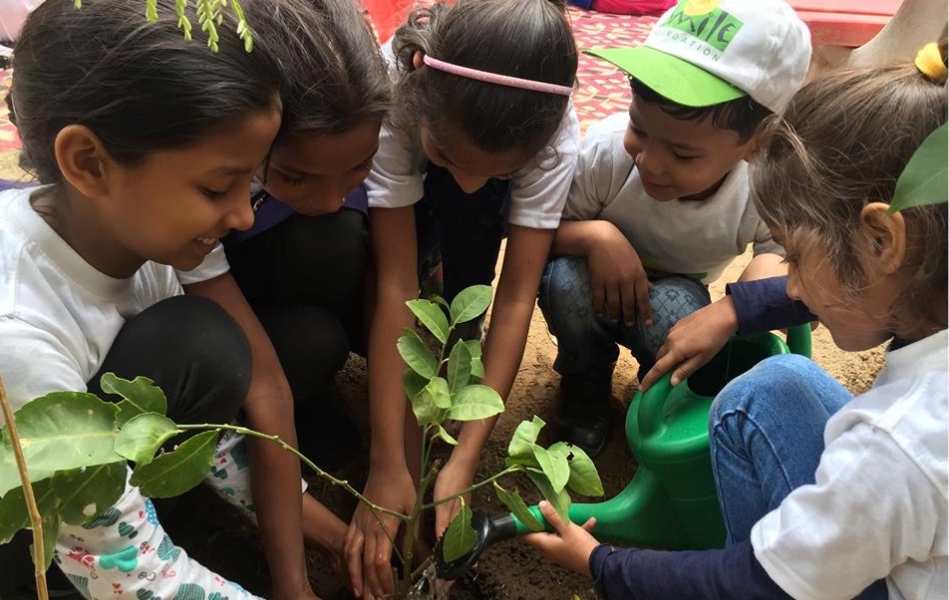
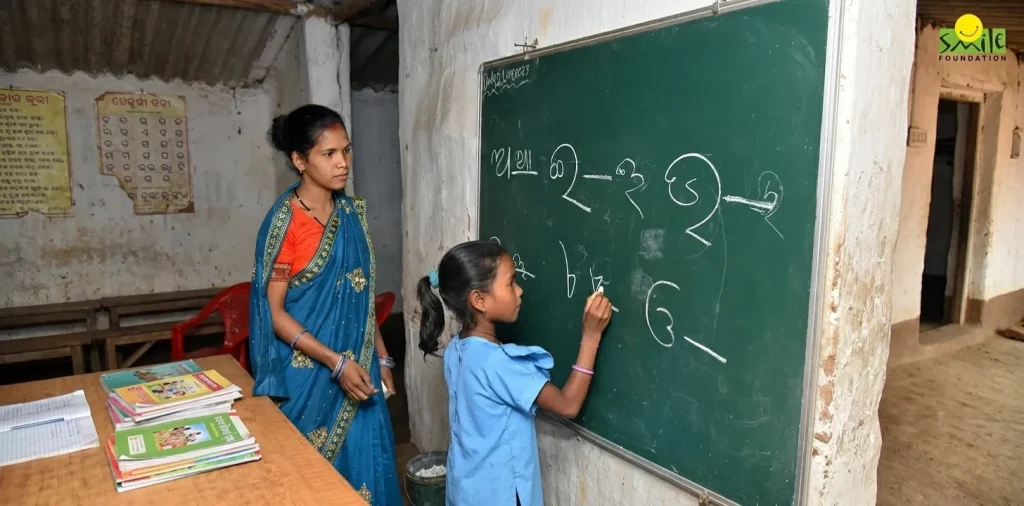
Smile Foundation’s work sits squarely within this capability framework. Across education, healthcare, skilling and women’s empowerment, the focus has moved beyond service delivery towards system strengthening. Whether it is improving foundational learning in government schools, taking primary healthcare to the last mile through mobile units, enabling vocational dignity through skill programmes or supporting adolescent girls to stay in school during high-risk transition years, the emphasis is on enabling people to exercise their rights meaningfully.
This work recognises a simple but often overlooked truth: rights mean little if people lack the capacity, confidence or institutional support to use them.
Measuring Progress at 75: Republic Day 2026
At 75, the Indian Republic is no longer young. It is complex, layered and unequal. But it is also resilient, so clearly demonstrated during Republic Day 2026.
Its success cannot be measured only by GDP growth or infrastructure creation. It must be measured by whether a child can learn without fear, whether a woman can work with dignity, whether a worker can adapt to economic change and whether an older person can age with care rather than neglect.
The Constitution spoke of justice, liberty, equality and fraternity. Over the decades, India has made uneven progress on each. Justice has expanded through rights, but remains slow and inaccessible for many. Liberty is constitutionally guaranteed, but socially constrained. Equality has improved in access, but not always in outcomes. Fraternity remains the most elusive, requiring institutions that listen, adapt and include.
The next quarter-century will likely be defined less by constitutional amendments and more by administrative capacity, institutional trust and social cohesion. Development will depend on whether the state can deliver not just schemes, but outcomes. Whether democracy can offer not just voice, but opportunity.
Republic Day 2026, then, is not a milestone to be crossed and forgotten. It is a reminder. The Constitution was not an end point. It was an invitation to build a society where dignity is ordinary, not exceptional.
Each generation must decide whether to accept that invitation anew.