
Today’s discerning travellers are no longer influenced by luxury alone – they actively seek experiences rooted in purpose, sustainability and social responsibility. In response, the industry is turning to cause-related marketing (CRM) aligning brand identity with meaningful social impact. This marks the rise of impact-driven hospitality, where conscious consumption is reshaping how travel brands connect with their audiences.
With the global sustainable tourism market projected to grow to USD 7.19 trillion by 2032, CRM is fast becoming a key competitive differentiator. Brands that embed social purpose into their business model are earning greater relevance, and also deepening relationships with conscious consumers.
India’s tourism and hospitality landscape
India’s tourism and hospitality sector is poised for exponential growth, with expected revenues surpassing US$ 59 billion by 2038 and foreign tourist arrivals estimated to reach 30.5 million. Ministry of Tourism reports that the industry is growing at a 20% CAGR, fuelled primarily by an expanding middle-income demographic.
Indian consumers are gravitating towards travel experiences that mirror their values – whether through sustainable tourism, wellness retreats, experiential journeys, staycations, women-led travels, solo traveling or visits to offbeat destinations. It’s a chance for brands to shift from purely transactional relationships to becoming emotionally relevant in their customers’ lives.
Travel isn’t just about ticking off destinations anymore – it’s about meaning. By weaving cause-driven campaigns into today’s travel trends, brands have a chance to make every kind of trip a little more purposeful, and a whole lot more memorable.

The case for CRM in Indian hospitality
In a world where travellers are choosing meaning over mere miles, cause-related marketing gives brands a chance to stand for something bigger. For India’s travel and hospitality scene, infusing social purpose into the guest experience, when done authentically, can boost not just brand love, but real impact too. Think stronger connections, higher perceived value and a better brand fit with what today’s conscious travellers truly care about.
- Build emotional equity
- Inspire deeper consumer loyalty
- Position themselves as purposeful industry leaders
- Deliver value-driven hospitality experiences
How can this be achieved?
Adoption of CRM
CRM fosters transparency and trust by linking business growth with social responsibility. It empowers brands to form long-term, emotionally anchored relationships with their audience.
Example: A luxury hotel chain could launch a CRM campaign supporting education for girls in tribal regions, where every booking contributes to a classroom seat-
“Your comfortable room gives her the chance to enter a classroom.”
Consumer Response
When brands champion a cause, consumers are not only drawn to the brand, but also feel personally invested in the cause itself. This dual affinity enhances trust and positive brand sentiment.
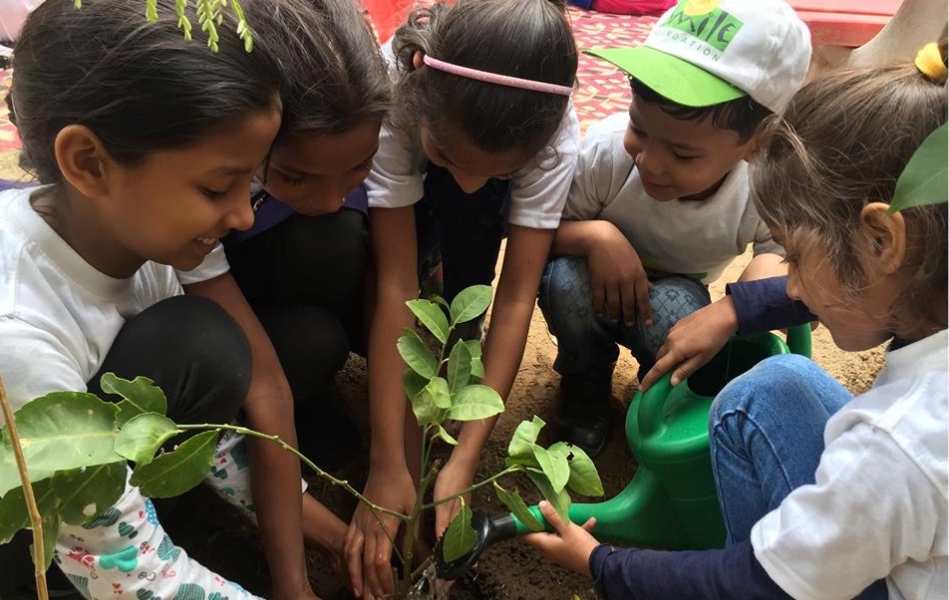
Example: An airline partners with an NGO to plant a tree for every domestic booking, reinforcing its commitment to carbon offsetting and environmental stewardship.
Positive Brand Outcomes
CRM strengthens brand attitudes, boosts campaign participation, increases purchase intentions and builds brand loyalty, particularly among impact-oriented consumers. As per a survey of 637 consumers, it was observed that cause related marketing made a significant positive impact on consumer brand engagement.
Example: Hospitality brands offering welcome kits or hygiene essentials crafted by local women entrepreneurs can boost guest satisfaction, encourage social sharing, and create long-lasting brand advocates.
Consumer Brand Engagement
CRM stimulates deeper emotional, cognitive and behavioural engagement, encouraging customers to champion the brand beyond monetary transactions.
Example: Brands can integrate their CRM through NGOs in India for rural immersion programmes where members engage with local artisans or health workers to form a bond between customers, brand and the cause.
Enhanced Consumer Perceived Value
Consumer Perceived Value (CPV) is the perceived benefit from a product or service, beyond its functional utility – it includes emotional resonance, social contribution and brand purpose playing a role. When consumers see brands actively doing good, they perceive higher value in their purchase.
Example: Hospitality brands can integrate menstrual hygiene workshops for adolescent girls in villages, aligning health and well being with their brand goals, giving guests a more meaningful stay.

Strategic focus areas for CRM-driven impact
The travel and hospitality industry uniquely engages consumers through direct, personal experiences. This proximity makes their relationship with both customers and local communities central to operations. By integrating cause-related marketing (CRM) focused on social issues relevant to their consumers’ environments, brands can transform tourism into purpose-driven journeys creating lasting impact for communities while building meaningful brand value.
- Education for economically deprived children
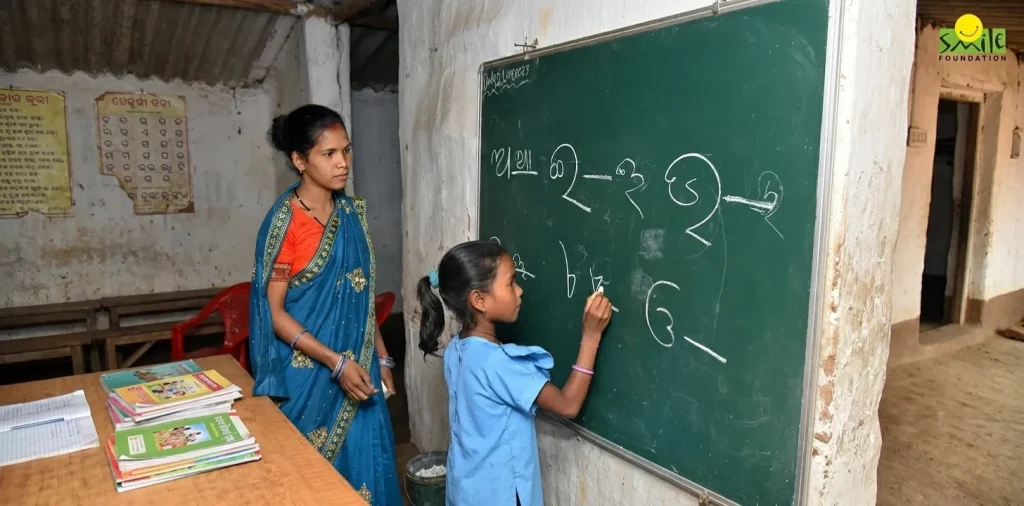
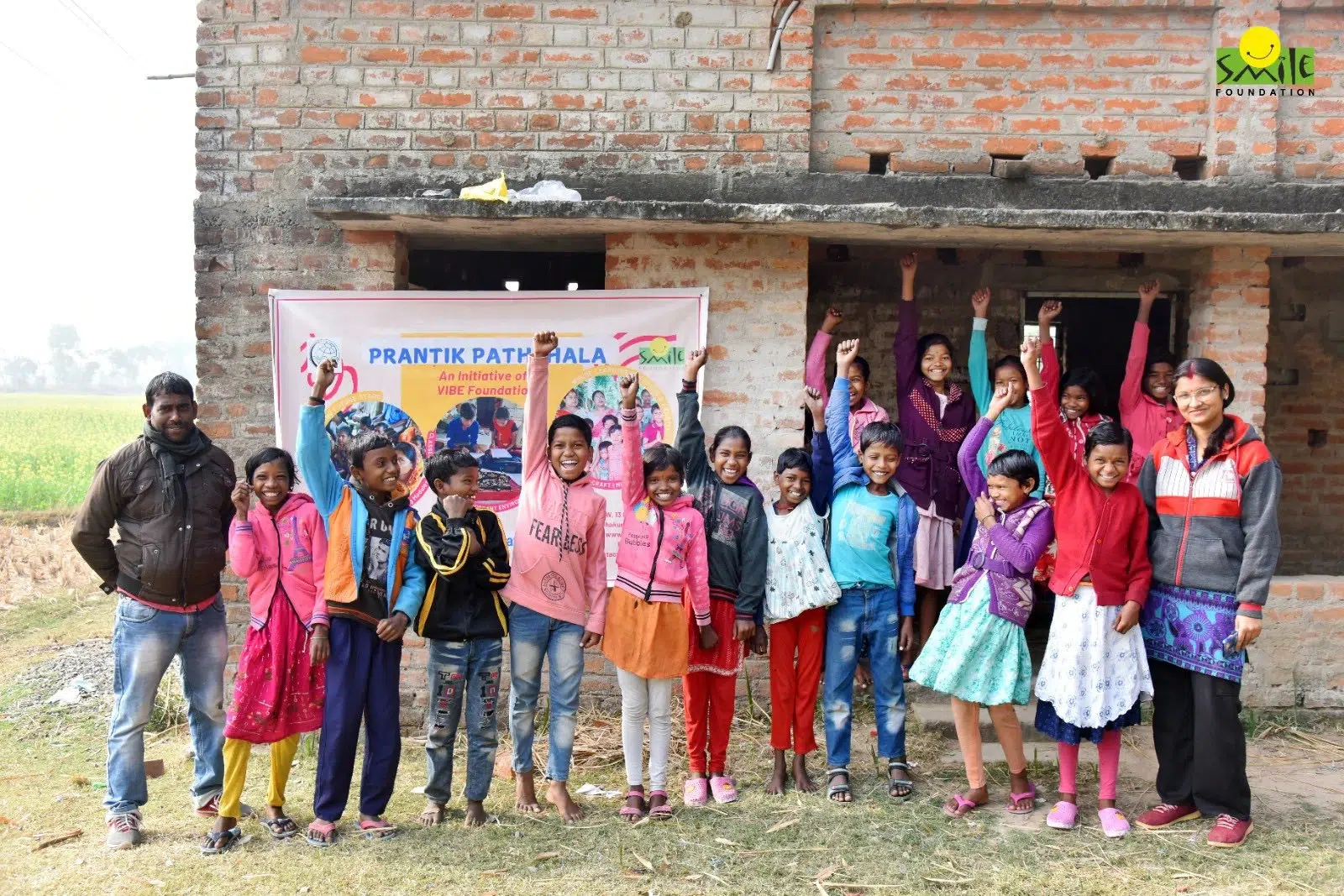
By aligning with CRM for education, hospitality and travel brands can support schooling for marginalised children of rural villages. This can showcase their commitment towards transforming leisure stays into life changing learning opportunities for young minds of India.
- Women’s skilling and employment
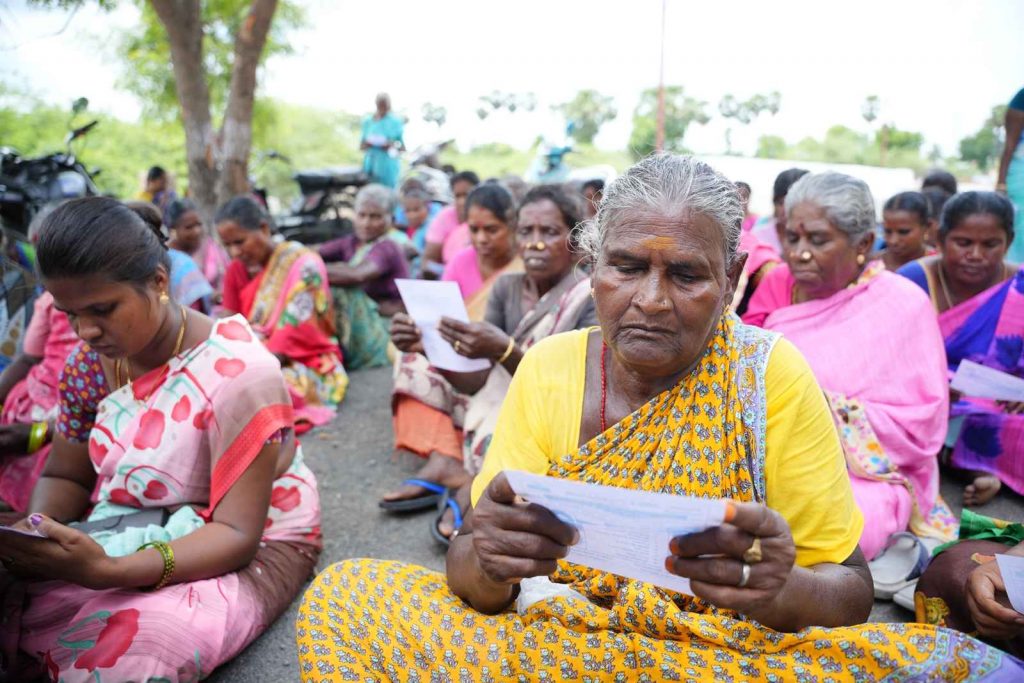
Through CRM, brands can empower women in nearby communities by funding skill building in hospitality and travel industry enabling dignity, employment and generational change through every guest experience
- Enhance rural healthcare access
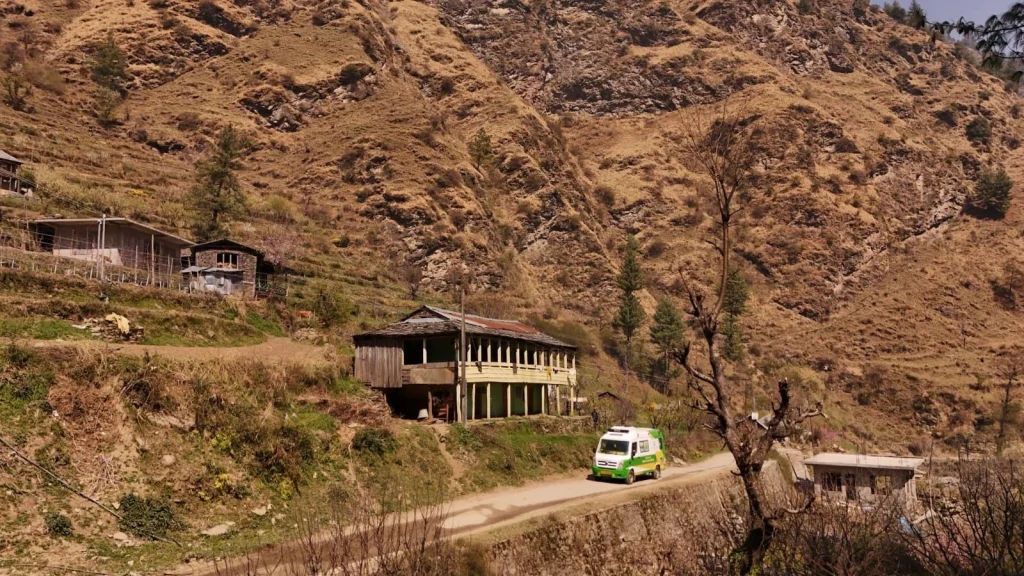
Through CRM driven partnerships, brands can fund mobile healthcare units in remote or off beat destinations, building critical rural healthcare gaps while aligning brand presence with measurable social impact.
- Sustainability for everyone
Integrating CRM with sustainability in terms of nutritious local harvesting, brands can co-create kitchen gardens, nurturing both community health and a brand narrative rooted in good health for the underserved communities of India.
Enabling Purpose-led growth: Smile’s CRM capabilities
- Vistara (TATA SIA Airlines Limited) supports Smile Foundation through its Payroll Giving Programme, enabling employees to voluntarily contribute a fixed monthly amount. These contributions directly aid Smile Foundation’s interventions in education, healthcare and livelihood development, fostering sustained impact through collective employee participation.
- Another key CRM activity was done by Holiday Inn with Smile Foundation, where children at the Education centre in Gurugram enjoyed a joyful day of games, engaging activities and Secret Santa surprises creating meaningful brand-connected moments of laughter, celebration and shared happiness.
- Through its cause-related marketing partnership with Bag2Bag, Smile Foundation converts each customer transaction into real impact. Every checkout at Bag2Bag offers ₹7 to support children’s education and community development in underserved regions across India.
Partner now

In India’s hospitality sector, cause-related marketing is evolving into a strategic approach to building purpose-driven brand engagement. It is no longer limited to charitable donations or one-off campaigns. As tourism becomes increasingly experience-led, consumers are actively seeking brands that reflect their values and contribute meaningfully to society. When thoughtfully implemented, CRM can strengthen emotional connections with travellers, improve brand loyalty and deliver measurable social impact – all while aligning business objectives with broader societal goals.
With deep grassroots expertise, Smile Foundation offers customised CRM solutions that align brand purpose with on-ground impact ensuring every partnership delivers value for both business and community.
Collaborate with Smile Foundation to make every booking count. Let’s co-create journeys that leave a lasting impact.