The world in the aftermath of COVID-19 can be distinctly divided into two eras: pre-pandemic and post-pandemic. The crisis was not only a global health emergency but also a profound social rupture that redefined how we live, communicate, work and engage with systems meant to support our well-being. The pandemic was a stress test — one that laid bare the structural vulnerabilities in our societies and revealed uncomfortable truths about everyday life that had long gone unaddressed.
As COVID-19 swept across countries and continents, it dismantled the illusion of preparedness. It exposed glaring gaps in public health education, particularly revealing how deeply misinformation can embed itself in the absence of trusted communication channels. This time also highlighted the fragility of frontline response mechanisms in our country. While all of us witnessed the crumbling medical infrastructure in our country, the silent crisis was unfolding in the realm of health awareness on a community-level.
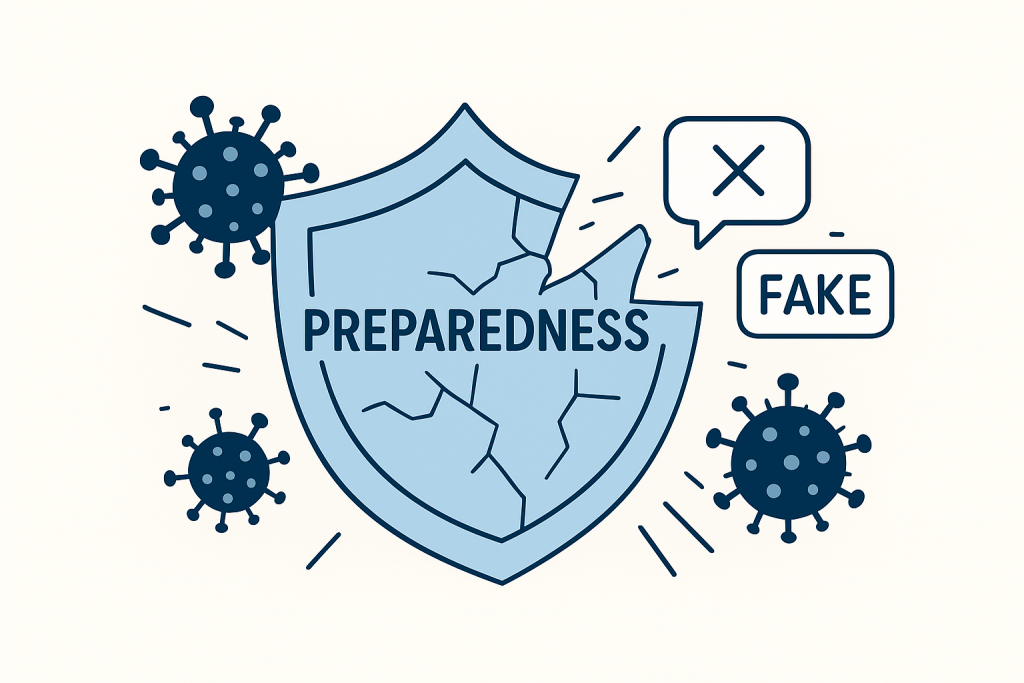
The persistent cracks in public health education amplified the scale of suffering, leading to preventable confusion, fear and mistrust. Thus in a post-pandemic world, the real battleground in a public health crisis scenario is not just in hospitals, but in homes, schools, streets and community centres. In fact, the need for accessible and community-driven health education has never been more evident than now.
The decline of public health education in India
In February 2025, the United States government significantly scaled back the operations of USAID (United States Agency for International Development) by terminating a large number of its global projects. This decision sent ripples through the international development and public health sectors, where USAID has long played a pivotal role in providing both humanitarian aid and development assistance, especially in low- and middle-income countries.
While India, with its expanding economy and increasingly self-reliant health initiatives, may be relatively insulated from the full brunt of these cuts, the same cannot be said for many nations which were heavily reliant on external support for health education, disease prevention, etc.
The global public health community was taken by surprise. Beyond its immediate operational impact, the withdrawal of USAID funding has led to a noticeable contraction in the global public health job market. This has reduced career prospects for thousands of early-career professionals, particularly those pursuing or recently completing a postgraduation in Public Health and similar degrees in the health space.
The withdrawal has led many international projects to cease operations, followed by limited donor funding and shrinking NGO operations. Due to this, the pipeline between public health education and employment has been severely disrupted. For students and professionals seeking to apply their expertise in global or community health contexts, this moment represents both a crisis and a call to reimagine how nations can build self-sustaining public health systems that are not overly dependent on foreign aid.
Reduced funding for public health degrees further undermines the already limited emphasis on effective public health communication.
Emphasising the lessons learnt from COVID
A key challenge in India’s public health landscape that came to the fore during COVID is the disconnect between health policy and grassroots communication. Much of the public health messaging is top-down, technical and not tailored to the linguistic or social realities of diverse communities. This gap becomes particularly dangerous in crisis scenarios such as the pandemic, where misinformation spreads faster than facts and communities are left without trusted local sources of guidance.

Since the country anyway faces an acute shortage of trained public health professionals. While doctors and nurses are integral to healthcare delivery, public health educators, field health workers, are also equally pertinent. Partnerships are key among these players, further reinforcing that health education must be localised and people-driven.
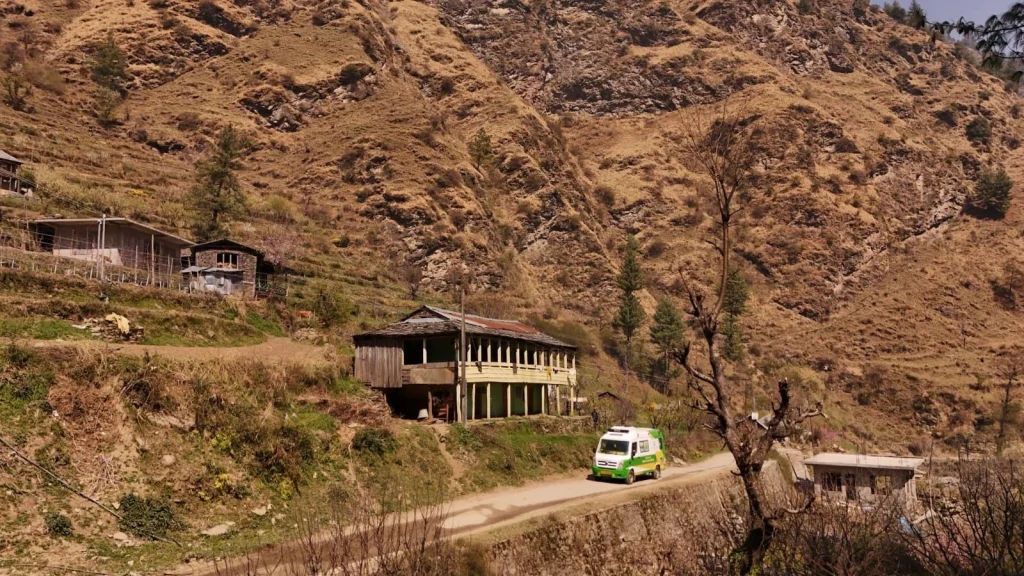
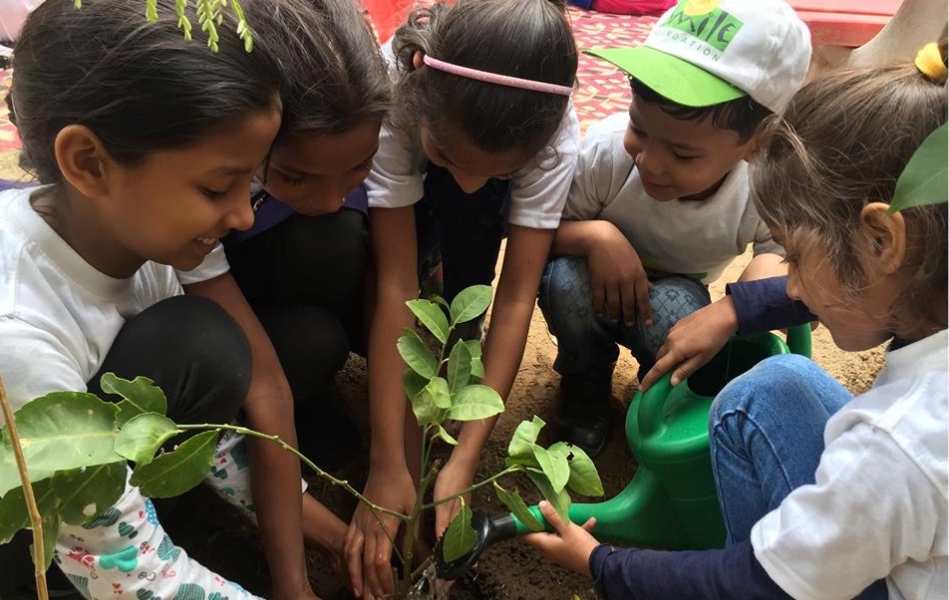
The role of civil society is also pertinent herein. For instance, Smile Foundation emerged as a vital grassroots entity that mobilised resources, health workers as well as community volunteers to reach underserved communities. This was evident through key initiatives such as the Health Cannot Wait campaign, which provided protective gear to frontline health workers and hygiene kits to vulnerable populations.
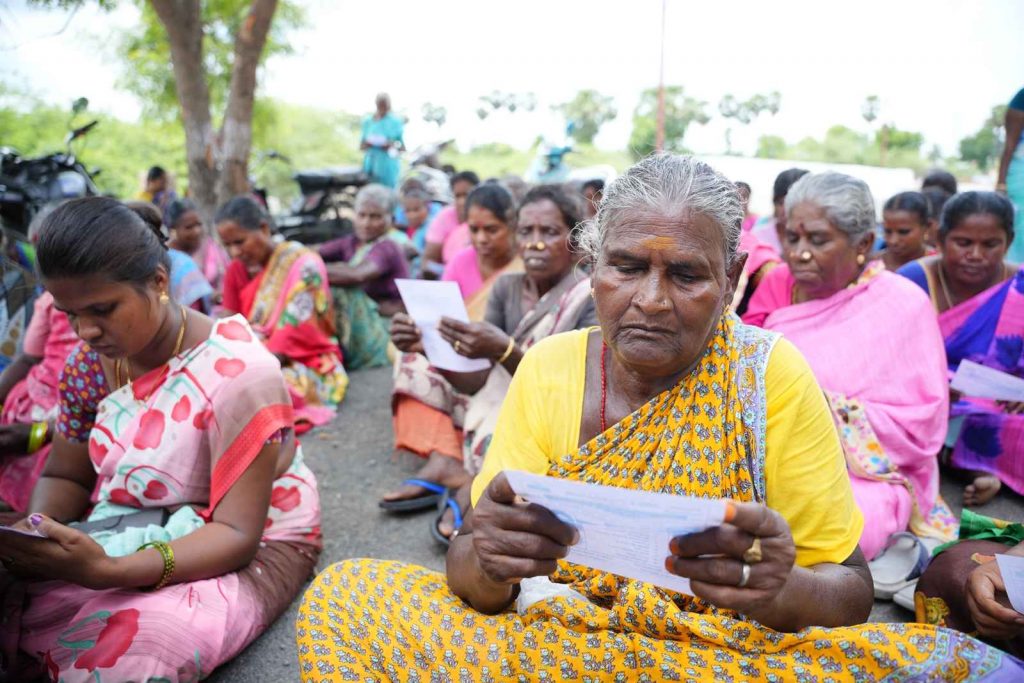
Additionally, through our community health programmes, we sensitised communities on critical health issues via telecounselling and other outreach efforts, helping to bridge the gap between formal healthcare systems and local realities.
These efforts put forth an example to highlight the power of decentralised, trust-based communication in times of crisis as well as the need to strengthen civil society linkages as a permanent fixture of India’s public health ecosystem. It is clear that formal education must be complemented by grassroots capacity-building, particularly in areas where formal health services are still inaccessible.