
Effective health communication is crucial for making any healthcare system effective for the public. It is all about how authorities and governance utilise all their tools for the strategic dissemination of information, which ultimately enables individuals and communities to make informed decisions about their health, foster behavioural change and strengthen the trust between citizens and institutions.
Much like its diverse population — with 1.4 billion people, India’s health challenges also remain diverse. Hence, the need for transparent, inclusive and context-specific communication in India cannot be stressed enough. Many diseases, such as infectious diseases, maternal mortality, non-communicable illnesses, malnutrition and more, are not just biomedical but deeply rooted in information gaps, stigma and behavioural barriers. In this regard, effective public health communication becomes key to translating policy into practice, transforming awareness into action, and ensuring that health interventions reach the last mile and save lives.
Lessons from Covid emergence
The Covid-19 pandemic became a prime example, revealing the cracks and pitfalls in India’s health communication. While government interventions, campaigns and digital platforms helped spread awareness and break through many myths, the rampant misinformation and lack of access to credible information, exacerbated by the growing digital divide, exposed the existence of information-based structural inequalities. If anything, the pandemic has underscored the need to reimagine communication as an integral component of public health care.
Evolution of Public Health Communication
Over the past few decades, India’s public health communication has undergone a significant transition from broad, top-down campaigns to more participatory and digitally mediated strategies.
In the early years, large-scale initiatives such as the national family-planning programme leveraged simple visual symbols and mass-media outreach to popularise contraceptive use across rural India. Then, with the launch of the National Health Mission in 2005, health-information campaigns moved beyond mere awareness-building to behaviour-change communication (BCC) and community-engagement models, recognising that effective messaging depends on local context and active citizen participation.
Then, with the launch of the National Health Policy in 2017, the health-related communication infrastructure shifted further, emphasising preventive and promotive health-care calling actions across sectors.
Over time, the advent of digital technology, social media messaging, and local-language media has further diversified the channels of health communication. For example, the Ministry’s Information, Education & Communication (IEC) division regularly issues print and outdoor campaigns for interventions such as breastfeeding weeks, dengue awareness and other public health themes across regional languages. Taken together, these developments reflect a trajectory: from centralised broadcast-style messaging to multi-channel, community-based and increasingly digital, inclusive frameworks.
What is the Role of Health Communication?
In current times, public health communication has become integral to building effective health systems, because it is a vital bridge linking policy and services with individual and community behaviour. This helps promote health literacy and fosters trust and participation.
Underpins disease prevention and control
By conveying timely information about symptoms, risks, and protective actions, health communication enables people to adopt preventive behaviours. For example, during the COVID‑19 pandemic, researchers found that inadequate health communication and low health literacy hampered the response of an estimated 36% adults globally, as they exhibited only basic or below-basic health literacy, underscoring the need for clear messages.
Management of NCDs
Secondly, public health communication plays a crucial role in managing non-communicable diseases (NCDs). Studies emphasise that improving nutrition literacy is central to tackling under-nutrition, micronutrient deficiencies and rising NCDs. This shows that communication isn’t just about acute threats, but also about long-term behavioural change, encouraging a balanced diet, physical activity, screening and adherence.
Health system, trust and accountability
Thirdly, effective public health communication helps to build trust and accountability within a national health framework. According to one review, effective health promotion “provides relevant information and adequate motivation to impact attitudes and behaviours in individuals or groups” and links epidemiological data with social-science insights to facilitate community engagement. In India, where socio-cultural, linguistic and geographic diversity is vast, tailoring messages to local contexts enhances reach and uptake. For example, research shows that using infographics in regional languages improves comprehension among audiences with diverse literacy levels.
Guidance during a crisis outbreak
Looking back on the COVID-19 pandemic, it becomes clear how communication serves as a crucial tool in crisis management. During health emergencies, mass media and digital platforms become key platforms for rapidly disseminating guidance, guidelines and shaping community norms, all of which help counter misinformation. A systematic review of Indian health communicators found that social media played a key role in promoting protective behaviours and enabling transparent communication, although misinformation remains a significant barrier.
Challenges in India’s Health Communication
India’s public health communication faces significant challenges due to deep socio-cultural, linguistic and technological divides, as well as the country’s low health literacy rate. According to several studies, a considerable portion of the population struggles to comprehend even basic health information, thereby increasing their vulnerability to misinformation. With this, health-related misinformation, primarily through social media platforms, becomes a double challenge. For instance, a recent report found rampant misinformation about cancer, reproductive health, vaccines and lifestyle diseases, with many people turning to unproven natural remedies or ignoring medical advice.
Another challenge is the digital divide and low digital literacy, with nearly 60% of rural Indians lacking access to regular and stable internet, thereby limiting their access to reliable digital health services. Even when digital platforms exist, many health tools are not designed for low-literacy or resource-constrained settings, and a skills gap often exists among frontline health workers in using these tools effectively.
On top of this, cultural and linguistic heterogeneity further complicates communication. For instance, tribal communities may not relate to messages delivered in standard or regional languages because they prefer their dialects and their traditional practices often shape how they interpret health advice. Ultimately, trust deficits and fragmented communication channels hinder effective public health outreach. Fact-checking and credible health journalism are under-resourced, while regulatory oversight for online health content remains weak. All of these challenges together make it difficult to deliver accurate, timely and culturally resonant public-health messages across India’s diverse landscape.
Way Forward for India’s Health Communication
Strengthening India’s public health communication requires a shift from ad-hoc awareness campaigns to a systematic, evidence-driven communication ecosystem aligned with national health planning. First, India must invest in health literacy as a public good by integrating it into school curricula, community programmes and frontline worker training so that citizens can better interpret health information, recognise misinformation and make informed decisions.
Second, communication strategies must be localised and inclusive, using regional languages, culturally relevant narratives and community-led platforms to ensure that messages resonate with diverse populations. This includes co-creating content with ASHA workers, panchayats, youth groups and local media.
Third, India needs a stronger digital public health infrastructure that bridges the digital divide through low-data, multilingual tools, audio-visual formats and accessible interfaces. Collaboration with fact-checkers, media platforms and technology partners is essential for combating misinformation swiftly and transparently.
Fourth, public institutions must enhance inter-ministerial coordination to ensure that health messages across ministries (health, education, WCD, sanitation) are consistent and mutually reinforcing.
Finally, communication must be backed by continuous research, behavioural insights and data monitoring to track message reach, impact, and community feedback.
Smile Foundation & Health Communication
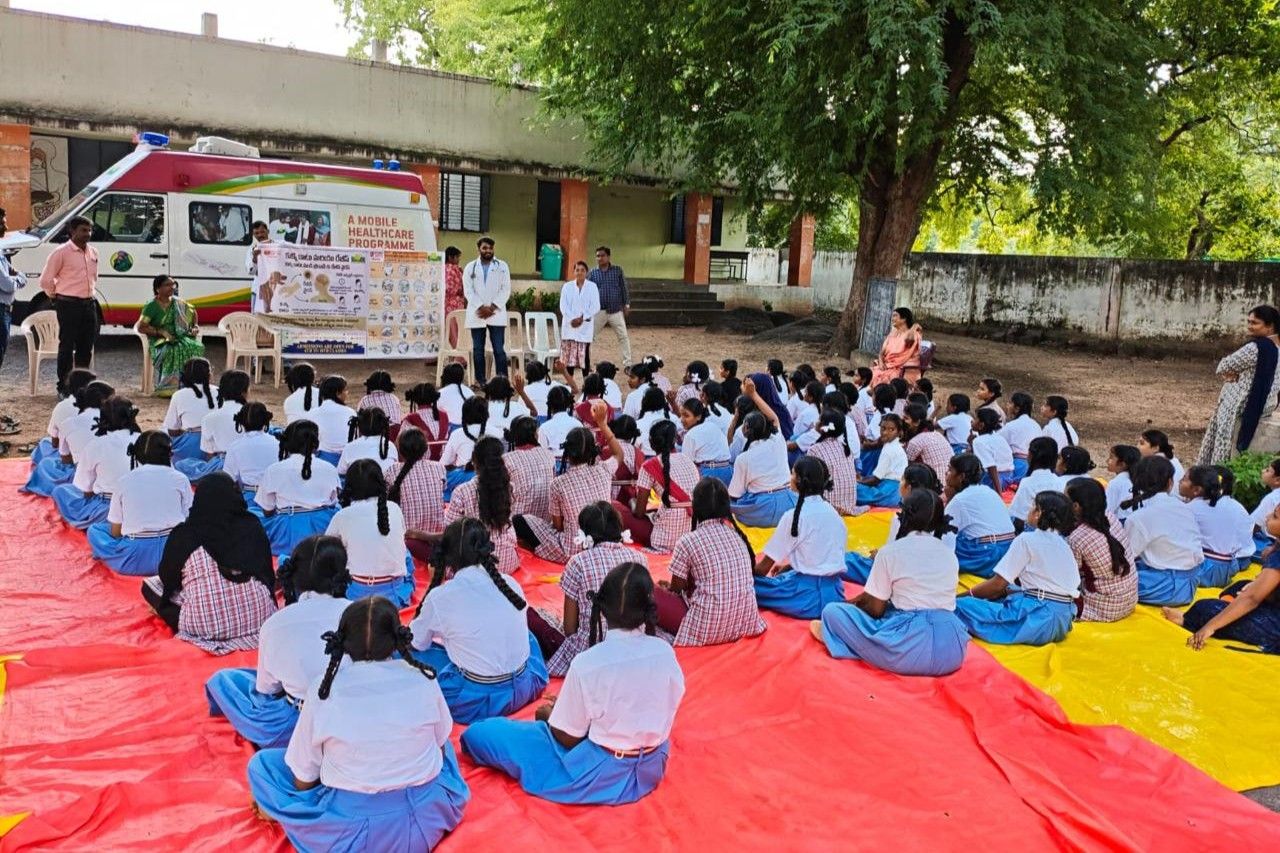
Smile Foundation’s work demonstrates how civil society can play a transformative role in strengthening India’s public health communication landscape. By grounding its programmes in community participation, child health, maternal care and school-based awareness campaigns, the organisation bridges critical gaps between policy intent and people’s everyday realities.
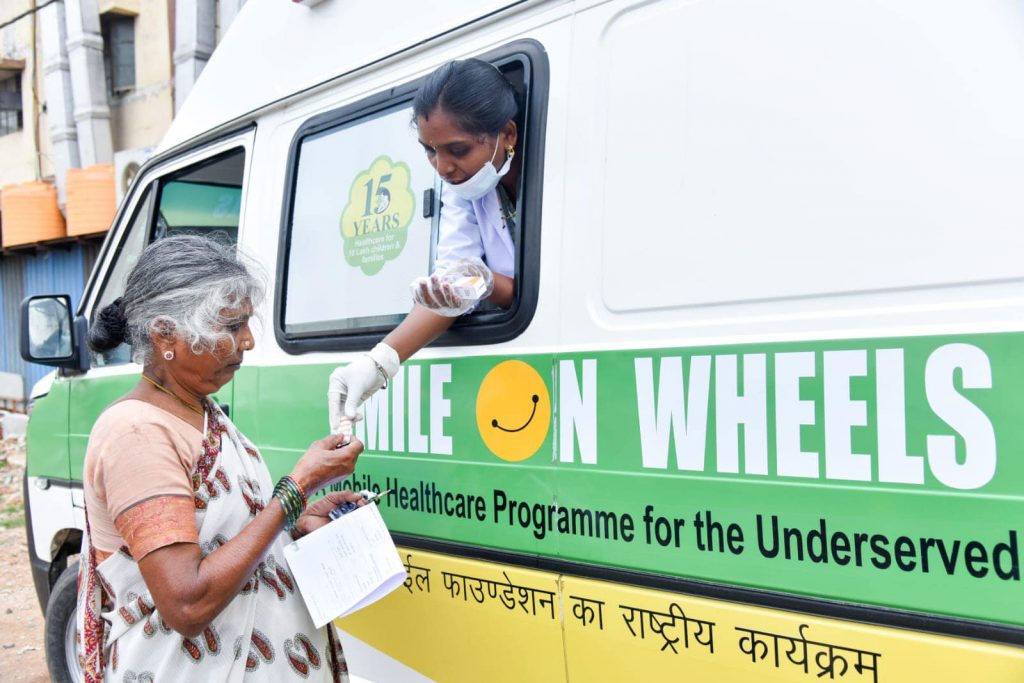
Smile Foundation’s Mobile Health Units, Swabhiman initiatives and school health programmes rely on trusted front-line educators and local volunteers who communicate health messages in culturally appropriate, simplified and accessible formats. This model significantly improves health-seeking behaviour among underserved populations.
One of its notable contributions is integrating health communication with social determinants, including nutrition, sanitation, education and gender empowerment. Compounding this, Smile Foundation’s partnerships with government agencies, medical institutions and corporate CSR programmes further amplify the reach and credibility of its messages. Its work underscores the larger lesson for India: meaningful health communication must originate within communities, adapt to their contexts and empower them to take charge of their own well-being.