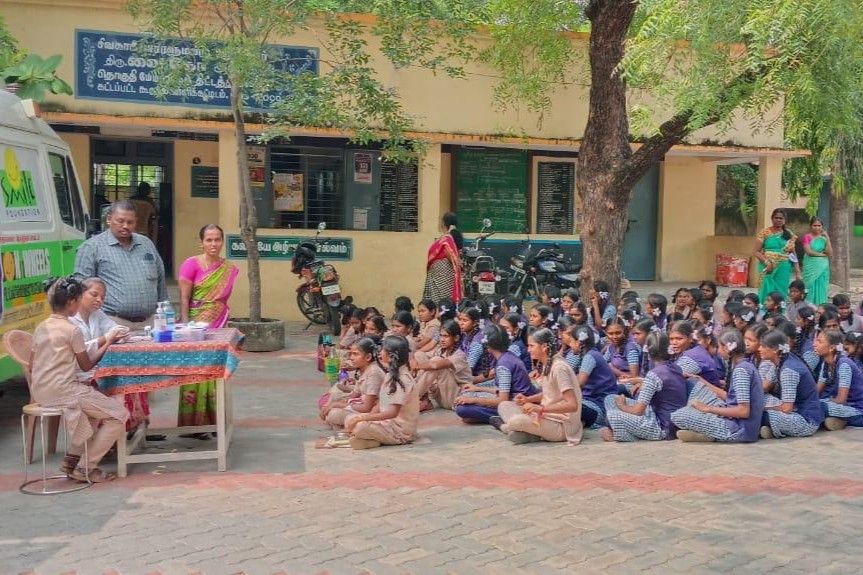

Menstrual health is a critical yet often neglected aspect of adolescent wellbeing. In India, it remains shrouded in silence and stigma. A Dasra report notes that 70% of mothers consider menstruation “dirty,” and girls miss about 20% of the school year each month due to periods. Such taboos force girls to hide their needs: some skip classes or sit isolated during their cycles. Breaking these stereotypes requires more than just supplying pads—it demands open education and dialogue at every level.
School Health Programmes: From Awareness to Action
In classrooms and community centres, teachers and health workers are equipping girls with facts about menstruation. School sessions often include demonstrations on proper pad use and disposal, with experts answering questions about hygiene and myths. Government schemes like Odisha’s Rashtriya Kishor Swasthya Karyakram (RKSK) and local “Khushi” initiatives distribute subsidized napkins and train Accredited Social Health Activists (ASHAs) to educate girls on menstrual care. This means that even in remote villages, girls are learning to treat periods as a normal part of life. By combining free products with instruction, these programmes teach girls how to change pads regularly, dispose of them safely, and maintain cleanliness during menstruation.
Community Outreach and Family Support
Beyond schools, community workshops and peer groups bring health awareness to rural and urban neighbourhoods alike. Many programmes invite not only girls but also their mothers and even local men to join discussions on menstruation. Involving the whole community helps dismantle silence: experts emphasize that educating everyone – including boys – about periods builds empathy and breaks down prejudice. In village centres, ASHAs and school health coordinators are taking pads and information door-to-door. These outreach sessions emphasize hygiene (handwashing, clean cloth or pad use), nutrition and respectful care. Gradually, girls report feeling more confident asking questions and seeking support from family and teachers.
Period Practices: Proper Hygiene and Safe Disposal
Practical aspects of menstrual care are a key focus of awareness drives. For example, a cohort study in rural Odisha found that nearly half of girls simply discarded used pads in the open. Recent programmes therefore teach responsible disposal methods: wrapping used pads in paper and burying them or using designated incinerators where possible. Girls are cautioned that flushing pads or burning plastic-backed napkins is unsafe and environmentally harmful. Instead, many schools now provide disposal bins and facilitators encourage girls to ask for incinerators or pits. Learning these hygiene practices not only keeps girls healthy (reducing infections) but also helps them advocate for proper facilities at home and school.
Nutrition and Anaemia Screening
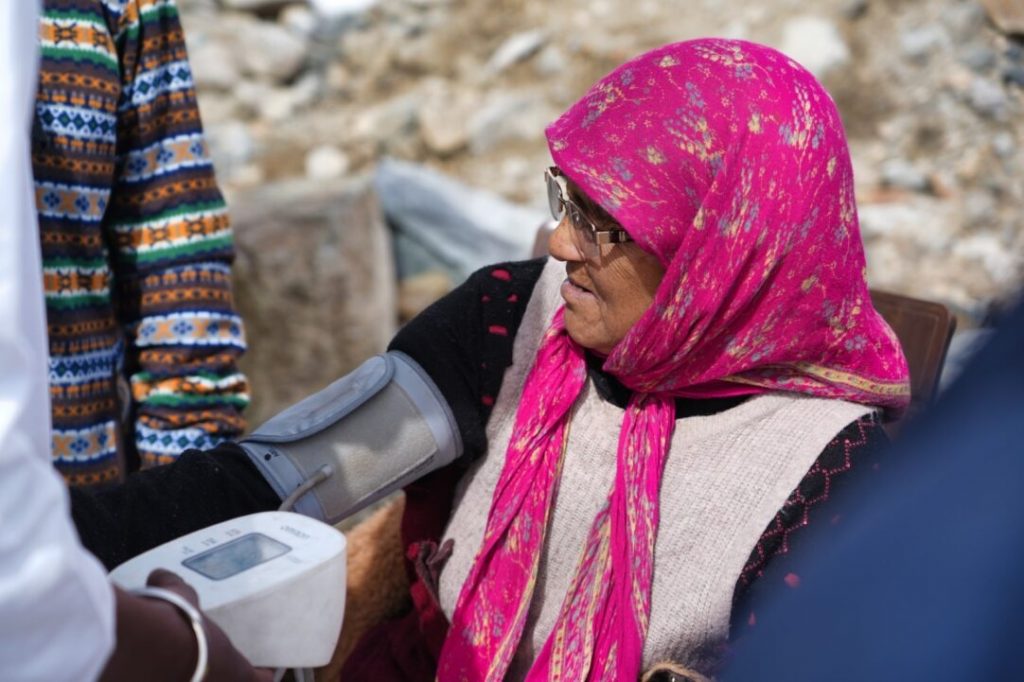
Awareness sessions make the important link between diet and menstrual health. Heavy flow and growing bodies can deplete iron, so girls are taught to eat iron-rich foods like greens, lentils, nuts and eggs, especially during their periods. This is crucial in India: nearly 60% of adolescent girls were found to be anaemic in recent surveys. Workshops often include haemoglobin screening; girls with low scores receive supplements and nutrition counselling on the spot. By integrating weekly iron-and-folic-acid (WIFAS) tablets into school health programmes, organisers help girls build strength and prevent fatigue and dizziness related to anaemia. Nutrition education in the context of menstruation also empowers girls to talk to their families about diet and to seek medical advice if needed.
Voices from the Field regarding Period Practices
“Before this session, I felt ashamed even to mention my period,” says Meena, a 15-year-old girl from a Tamil Nadu village. “Now I know how to use a sanitary pad and how to throw it away properly. I feel stronger and not afraid.”
“I always wondered if I was doing it right,” shares Aarti, 14, from a Mumbai suburb. “The workshop taught us how to track our cycle and eat the right foods. I’m not embarrassed to ask questions now – even to the doctor.”
These girls’ words reflect a common experience: education brings confidence. After attending a health-awareness session, they have practical knowledge and self-assurance that they lacked before.
Building a Supportive Future
India’s government and civil society are taking note. For instance, the National Health Mission now trains ASHAs to distribute subsidized pads and organise school discussions on menstrual hygiene. NGOs like the Smile Foundation are also stepping up: Smile regularly hold sessions in Virudhunagar, Tamil Nadu, reaching over hundreds of schoolgirls with health talks, pad kits and anaemia screenings. Such community-led programmes are demonstrating how far we’ve come in normalising menstruation.
The path ahead should include expanding these efforts and improving infrastructure. Every school needs private toilets with water, waste bins or incinerators and a curriculum that openly addresses puberty and menstrual health. By continuing to spread awareness in culturally sensitive ways and to screen for anaemia, we can ensure no girl’s education or wellbeing is derailed by natural biology. In doing so, India will not only break the period taboo but also empower a generation of young women with the knowledge and confidence to manage their health.
In the villages of Uttar Pradesh, conversations around menstruation have often remained cloaked in silence — spoken about in hushed tones, if at all. For many adolescent girls, their first period arrives not with preparation, but with confusion, fear and shame. Cultural taboos continue to restrict open dialogue, leaving girls with limited understanding of how to manage their health and hygiene safely.
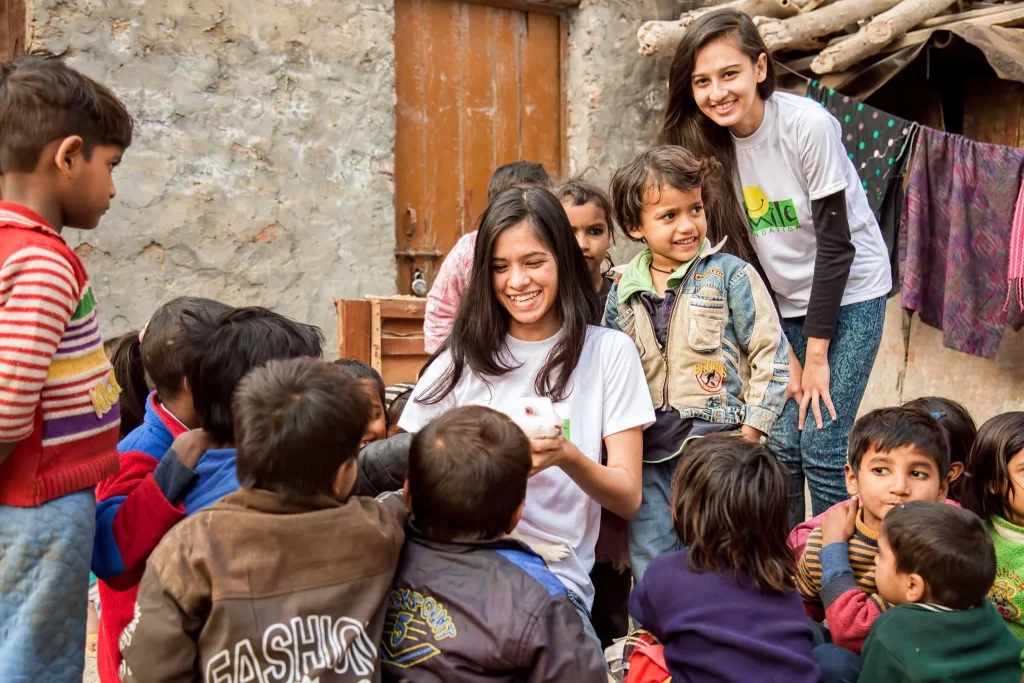
In response, Smile Foundation recently conducted a community-based session in Baraich that brought women and adolescent girls together for a candid, informative discussion on menstrual health. Held in an environment of trust and cultural sensitivity, the session helped participants unpack both the practical and emotional aspects of menstruation. Health educators explained how to use and dispose of sanitary pads properly, discussed safe hygiene habits and addressed common questions that are rarely voiced in public.
But the conversation went beyond hygiene. Facilitators emphasised how nutrition, hydration, light exercise and emotional well-being all contribute to healthy menstrual cycles. Girls were encouraged to see menstruation not as a burden, but as a natural biological process — one they have the right to understand and manage with dignity. The session also focused on dispelling myths and involving families in the conversation, promoting openness that can eventually ripple through entire communities.
By bringing accurate information and empathetic guidance directly to where it’s needed most, initiatives like these are helping to transform attitudes, strengthen confidence, and ensure that no girl feels alone or ashamed about her own body.