India today finds itself in a paradox. At a time when mental health helplines are ringing incessantly, a significant proportion of those who need psychological support still do not reach out. The country’s expanding network of crisis lines, including flagship initiatives such as Tele MANAS, has undoubtedly increased visibility and access. But the demand-supply mismatch remains stark. Calls spike during crises, helplines report long waiting times and counsellors are stretched thin. At the same time, millions experiencing distress never pick up the phone.
This contradiction demands closer scrutiny. If helplines are central to India’s mental health strategy, understanding why they are overwhelmed but under-used is essential to building a system that works beyond moments of emergency.
The rise of helplines as first responders
Mental health helplines have emerged as one of the most visible tools in India’s public health response. Their appeal is clear. They are relatively inexpensive to scale, can be accessed remotely and offer anonymity in a society where stigma around mental illness remains deeply entrenched. The COVID-19 pandemic accelerated this model. Lockdowns disrupted in-person care, while anxiety, grief and uncertainty surged. Helplines became, for many, the only accessible point of contact.
Tele MANAS, launched in 2022 and expanded nationwide, represents the most ambitious iteration of this approach. It integrates mental health support into India’s digital public infrastructure, offering multilingual counselling across states. Several states and non-governmental organisations have also strengthened their own helpline models, particularly for children, adolescents and women.
But visibility has not translated into universal use.
Overwhelmed systems, uneven demand
Helpline operators report recurring patterns. Calls surge during examination seasons, heatwaves, disasters or highly publicised suicides. In these periods, waiting times increase, counsellors face emotional fatigue, and follow-up becomes difficult. However, outside crisis windows, call volumes often plateau or drop, even as surveys suggest high levels of untreated distress.
This is not just a staffing issue. It points to structural gaps in how helplines are designed, perceived and integrated into the broader mental health ecosystem.
One key challenge is that helplines are often positioned as crisis services rather than preventive or supportive resources. Many callers reach out only when distress has escalated to breaking point. Early signs of anxiety, depression or burnout are frequently normalised or dismissed, particularly in households where emotional vulnerability is still seen as weakness.
Awareness without trust
Awareness campaigns have ensured that most urban Indians have heard of mental health helplines. But awareness does not automatically build trust.
For many potential users, especially in rural and low-income settings, uncertainty persists about who is on the other end of the line, whether conversations are confidential, and whether the advice offered will be relevant to their realities. Language barriers compound the problem. While national helplines offer multiple languages, local dialects and cultural nuance often fall through the cracks.
There is also a gendered dimension. Women, particularly young women, may hesitate to seek help over the phone due to privacy concerns in crowded homes. Men, socialised to suppress vulnerability, are less likely to call unless distress becomes unmanageable. Adolescents often fear parental discovery or judgement, even when confidentiality is assured.
The follow-up gap
Perhaps the most significant limitation of India’s helpline model lies in what happens after the call ends.
Mental health, unlike many acute health conditions, requires continuity of care. A single conversation can provide temporary relief, but sustained recovery often depends on follow-up counselling, referrals and support in navigating social stressors such as family conflict, academic pressure or unemployment.
Helplines struggle here. Counsellors may provide referrals to public hospitals or local services, but these systems are themselves overburdened. In many districts, there are few trained mental health professionals, and waiting periods can stretch into months. For callers from marginalised communities, the gap between being advised to seek help and actually accessing it can be insurmountable.
Under-use among those most at risk
Ironically, those who could benefit most from helplines are often the least likely to use them. Migrant workers, informal labourers, adolescents in government schools and women in low-resource settings face intersecting barriers of stigma, access and awareness.
Mental health distress in these communities is frequently rooted in structural issues like poverty, housing insecurity, displacement, domestic violence or educational disruption. A helpline that addresses distress in isolation, without acknowledging these contexts, may feel inadequate or irrelevant.
This disconnect explains why helplines are often overwhelmed by repeat callers in urban centres while remaining under-used in regions with high vulnerability but low digital access or trust in institutions.
Helplines cannot carry the system alone
The current discourse risks placing disproportionate expectations on helplines. They are increasingly treated as the frontline, and sometimes the only visible response, to India’s mental health crisis. This is neither fair nor sustainable.
Helplines are most effective when embedded within a continuum of care that includes community outreach, school-based mental health programmes, primary healthcare integration, and social support systems. Without these linkages, helplines become pressure valves rather than pathways to recovery.
The experience of recent years suggests that India’s mental health strategy needs to move beyond reactive listening models to proactive, community-rooted approaches.
Learning from community-based models
Civil society organisations have long recognised the limits of stand-alone helplines. Many operate blended models that combine remote support with on-ground engagement, particularly in underserved areas.
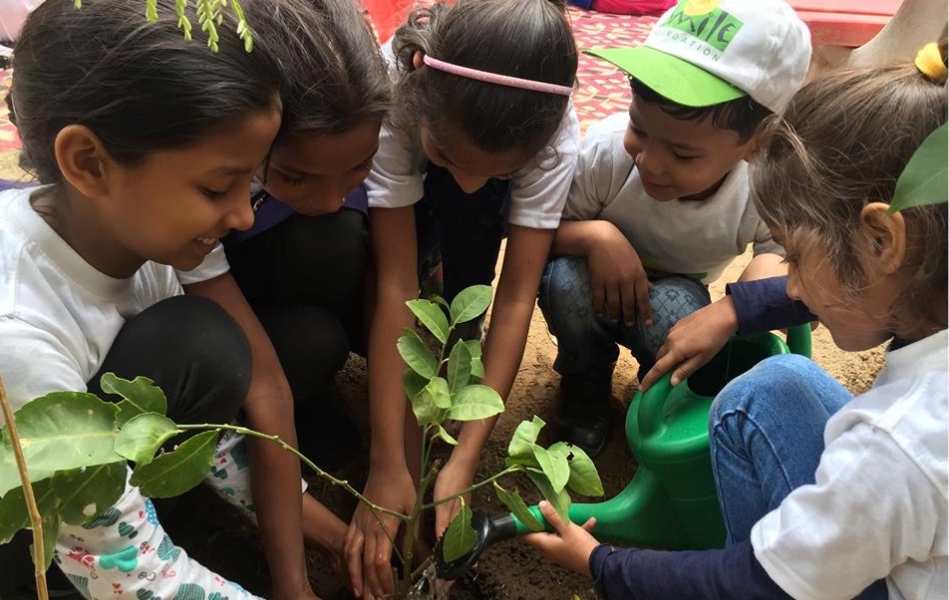
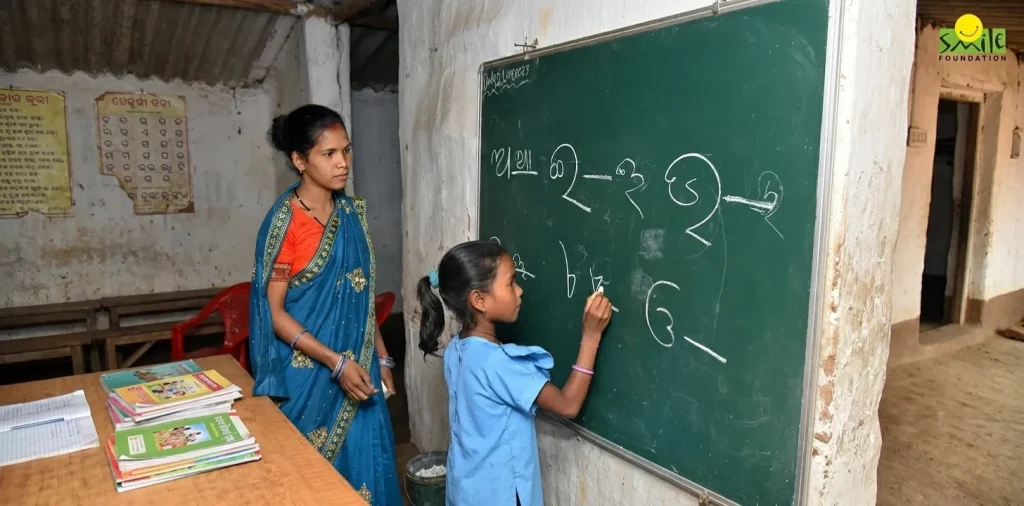
Smile Foundation’s work offers relevant insights. Through its education programmes, the Foundation integrates mental health awareness into routine community interactions rather than isolating it as a specialised service. School-based interventions and community outreach enable early identification of distress among children and adolescents.
Importantly, the programme addresses mental health alongside nutrition, education and livelihood support, recognising that psychological well-being cannot be separated from material conditions. For adolescents, particularly girls, this integrated approach helps reduce stigma and encourages help-seeking before distress escalates.
By working through trusted community networks like teachers, healthcare workers, women’s groups, Smile Foundation’s model demonstrates how mental health support can be normalised rather than exceptionalised.
Rethinking the role of helplines
India does not need fewer helplines. It needs smarter ones.
First, helplines must be repositioned not merely as crisis response tools but as entry points into a broader care ecosystem. This requires stronger referral systems, better coordination with primary healthcare and investment in follow-up mechanisms.
Second, counsellor capacity must be expanded and protected. Emotional labour, high call volumes and exposure to trauma take a toll on those providing support. Burnout among helpline workers undermines service quality and continuity.
Third, outreach must be targeted. Generic awareness campaigns are insufficient. Messaging needs to be tailored to specific groups like students, workers, women, rural communities, using trusted intermediaries rather than relying solely on digital visibility.
Finally, data transparency matters. Regular public reporting on call volumes, response times, referral outcomes and regional disparities would allow for course correction and accountability.
A necessary but incomplete solution
Mental health helplines reflect both India’s progress and its constraints. They signal a welcome recognition that mental health deserves public attention and institutional support. But they also expose the limits of a system that leans heavily on emergency response while underinvesting in prevention and continuity.
If India is serious about addressing its mental health burden, helplines must be part of a layered strategy, supported by schools, communities, healthcare systems and civil society organisations working in concert.
The phone should not be the last resort. It should be the first step in a journey that does not end when the call disconnects.