
Makar Sankranti is one of India’s most important festivals and is celebrated with great fervor. Celebrated on the 14th of January every year, it marks the end of winter and beginning of spring and hence holds cultural, social, religious and geographical significance.
It’s the perfect occasion to take part in various activities such as kite flying, cooking special festive dishes like til gul laddu (sesame sweet balls) or sakkarai pongal (sweet rice porridge), and performing religious rituals. Read on to learn about the different ways you can celebrate Makar Sankranti 2026!
What is Makar Sankranti?
Makar Sankranti is a popular Hindu festival that celebrates the transition of the sun from Sagittarius (Dhanu) to Capricorn (Makara). It marks the end of the winter season and the beginning of spring. The day is also considered auspicious for starting new ventures.
The festival is celebrated all over India with great pomp and show. The most popular way to celebrate Makar Sankranti is by flying kites. People of all ages come out in their balconies and terraces to fly kites. In some parts of India, kite flying competitions are also held on this day.
Another popular way to celebrate Makar Sankranti is by taking a dip in sacred rivers like Ganga and Yamuna. It is believed that doing so purifies one’s soul and body. Devotees also offer prayers to the sun god, Lord Surya on this day.
Makar Sankranti celebrations also include feasting on traditional sweets like til gud ladoo, til laddoo, phirni, rewari etc. Families and friends get together to enjoy this special day which comes only once a year!
The History of This Festival
Makar Sankranti is a popular Hindu festival that celebrates the transition of the sun from Sagittarius (Dhanu) to Capricorn (Makara). It is observed every year on January 14th in India. The day marks the end of the month with the winter solstice and the start of longer days.
Makar Sankranti is considered to be one of the most auspicious days in the Hindu calendar. On this day, Hindus offer prayers to Sun god, take holy dips in rivers and perform other religious rituals. They also exchange gifts and sweets with their loved ones.
The word ‘Sankranti’ means ‘transition’. Makar refers to the Capricorn zodiac sign and Sankranti marks the transition of the sun into this sign. Makar Sankranti is also known as Uttarayan as it marks the beginning of longer days (uttara means north).
The festival has great significance in agriculture as it signals the end of winter and commencement of spring harvest season. In some parts of India, Makar Sankranti is also celebrated as a harvest festival.
There are many legends associated with Makar Sankranti. One popular legend says that on this day, Lord Vishnu defeated two powerful demons named Madhu and Kaitabha. Another legend tells the story of how Sage Kapila gave liberation (moksha)
How is Makar Sankranti Celebrated?
Makar Sankranti is celebrated in many ways across India. The most common way to celebrate is by flying kites! Families and friends get together to fly kites of all shapes and sizes. The sky is filled with color as people compete to see who can keep their kite in the air the longest.
Another popular way to celebrate this festival is by feasting on traditional sweets and dishes. Common items include til laddus (sesame balls), gajak (a type of candy made from sesame seeds), and pongal (a rice dish). Many families also take a dip in holy rivers or lakes, as it is believed that this will help purify them and bring good luck for the year ahead.
What are the Traditions ?
Makar Sankranti is considered to be one of the most auspicious festivals in the Hindu calendar. It is celebrated on the 14th of January every year and marks the beginning of the sun’s transit into the Makara (Capricorn) rashi (zodiac sign). The day also marks the end of the month with the winter solstice and the start of longer days.
Celebrations vary across different regions in India. In Maharashtra, for instance, people celebrate by flying kites while in Tamil Nadu, they take part in a special puja called ‘Pongal’. People also offer prayers to Sun God, take holy dips in rivers and exchange gifts with family and friends on this day.
One of the most important aspects of Makar Sankranti celebrations is feasting. A variety of traditional sweets and snacks are prepared on this day and exchanged among relatives and friends. The most popular sweet dish made on Makar Sankranti is ‘tilgul ladoo’, made from sesame seeds and jaggery. Other popular dishes include ‘ khichdi’, ‘puri’, ‘kheer’ etc.
Makar Sankranti- New Possibilities
Makar Sankranti is one of India’s most widely celebrated festivals, observed across regions under different names and traditions. While customs may vary from kite flying in Gujarat to Pongal in Tamil Nadu, the essence of festival remains universal. It marks the sun’s transition into Capricorn and the beginning of Uttarayan, a phase associated with light, growth and renewal. For centuries, this moment has symbolised hope, progress and the promise of new beginnings.
Traditionally, the Makar Sankranti is seen as an auspicious time to start afresh. Families choose this day to begin new ventures, make important life decision or take their first steps towards long-held aspirations. This festival’s deeper meaning lies not just in rituals or celebrations, but in its quiet reminder that growth begins when we align ourselves with opportunity and purpose.
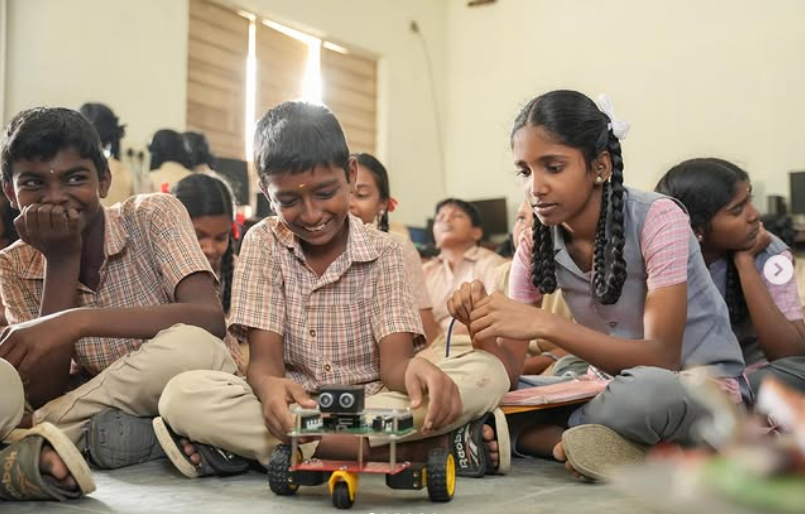
In this spirit of renewal, the festival invites us to reflect on what truly constitutes a new beginning especially for a child. For millions of children across underserved communities in India, the most transformative new beginning is education. Education is not merely the act of learning to read or write; it is the foundation upon which a child’s future is built. It equips them with confidence, awareness and the ability to imagine a life beyond inherited limitations.
When a child enters the classroom for the first time, it marks more than an individual milestone. It signals a turning point for the entire family and often, the community they belong to. Education opens doors to better livelihoods, improved health outcomes and informed decision-making. It breaks the cycle of poverty and create pathways to dignity and self-reliance, not just for the child, but mostly for their families who see their child studying as a hope for better future for all.
Spread Smiles & New Beginnings
This Makar Sankranti, the idea of new beginning let’s extend beyond personal resolutions. Let’s make it as an opportunity to create meaningful changes- by supporting a child’s education, that shall set them for a journey of transformation. Such a gesture does not end with a single child, it ripples outward, strengthening families and uplifting entire communities.
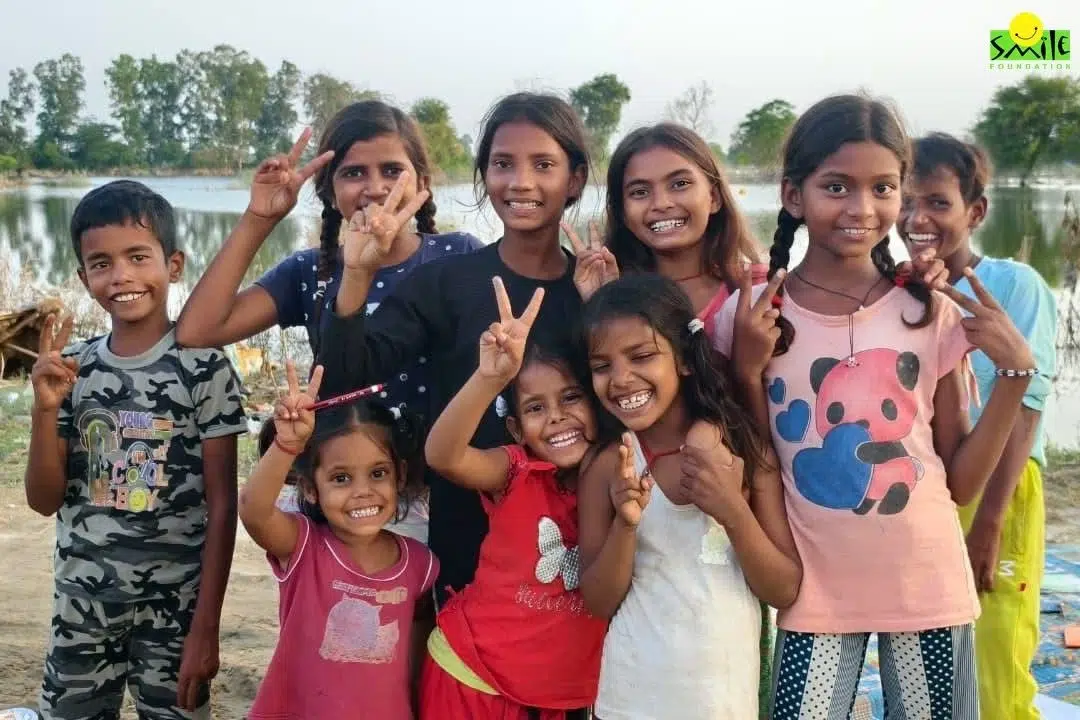
Makar Sankranti 2026 is around the corner and the celebrations plans with traditional sweets and joys is in the pipelines, however, to celebrate the spirit of new beginnings, let’s together celebrate young learners of Smile Foundation’s Mission Education center, who are all set to build their lives with the education, they shall receive with your support.
It is time we collectively enable children of lesser privileged communities of India to initiate their new beginning with more education and opportunities.