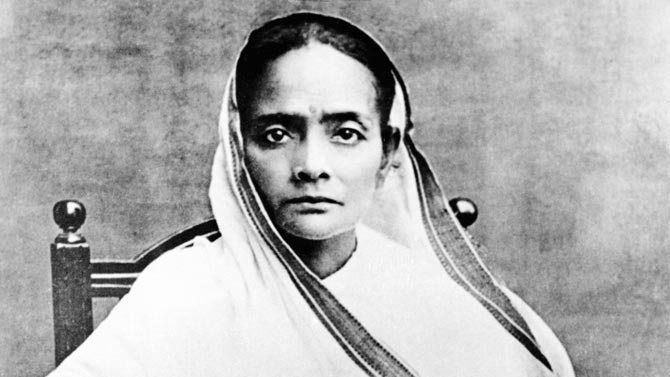

Kasturba Gandhi is often remembered as the quiet strength behind Mahatma Gandhi. But her story stands firmly on its own. She was not only a companion in India’s freedom struggle, but also a leader, organiser and advocate for women’s dignity.
Her life continues to hold relevance today. The fact that her birthday, April 11, is observed as National Safe Motherhood Day reflects the values she stood for. Care, dignity and the well-being of women.
Who Was Kasturba Gandhi — A Brief Introduction
Kasturba Gandhi, fondly known as Ba Gandhi, was one of the earliest women to participate actively in India’s freedom struggle.
She was not formally educated. Yet, she emerged as a powerful voice in movements that demanded justice, equality and dignity.
Her life was defined by:
- Quiet resilience
- Moral courage
- Deep empathy for women and communities
Early Life and Marriage
Kasturba Gandhi was born on April 11, 1869, in Porbandar, Gujarat.
She was married at a young age to Mahatma Gandhi. Like many women of her time, her early life revolved around household responsibilities.
But this changed gradually.
Living in South Africa and later in India exposed her to social injustice. Over time, she began participating in public life, often standing alongside her husband.
From Homemaker to Freedom Fighter
Her transformation was not sudden. It was shaped by experience.
She witnessed discrimination, inequality and the struggles of ordinary people. These experiences pushed her into activism.
She:
- Led protests
- Organised women
- Took part in satyagraha movements
She was arrested multiple times. Yet, she continued to stand firm.
Kasturba Gandhi’s Role in India’s Independence Movement
Kasturba Gandhi freedom fighter is not just a phrase. It reflects a life lived in resistance and service.
Champaran and Women’s Welfare
During the Champaran movement 1917, she worked closely with rural women.
Her focus was not only political. It was social.
She encouraged women to:
- Maintain hygiene
- Educate their children
- Question oppressive practices
This work laid the foundation for community-based reform.
Satyagraha and Civil Disobedience
She actively participated in Satyagraha movements.
She led protests when Gandhi was imprisoned and mobilised women to step into public spaces, something uncommon at the time.
Her leadership showed that:
- Women were not just supporters
- They were leaders in their own right
The Quit India Movement and Final Years
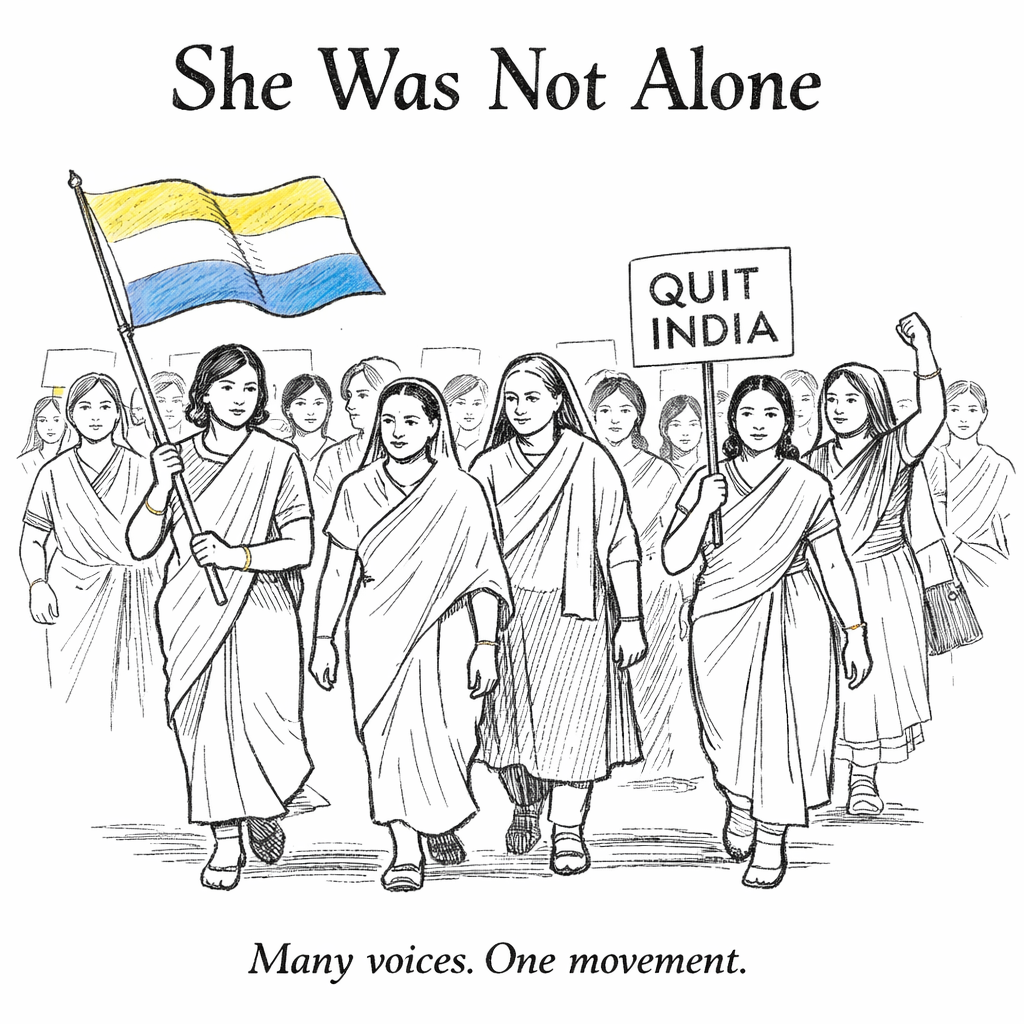
During the Quit India Movement, she was again at the forefront.
She was arrested and imprisoned in Aga Khan Palace.
It was here that her health declined. Kasturba Gandhi death occurred in 1944, while she was still in detention.
Her passing marked the loss of a leader who had given her entire life to the nation.
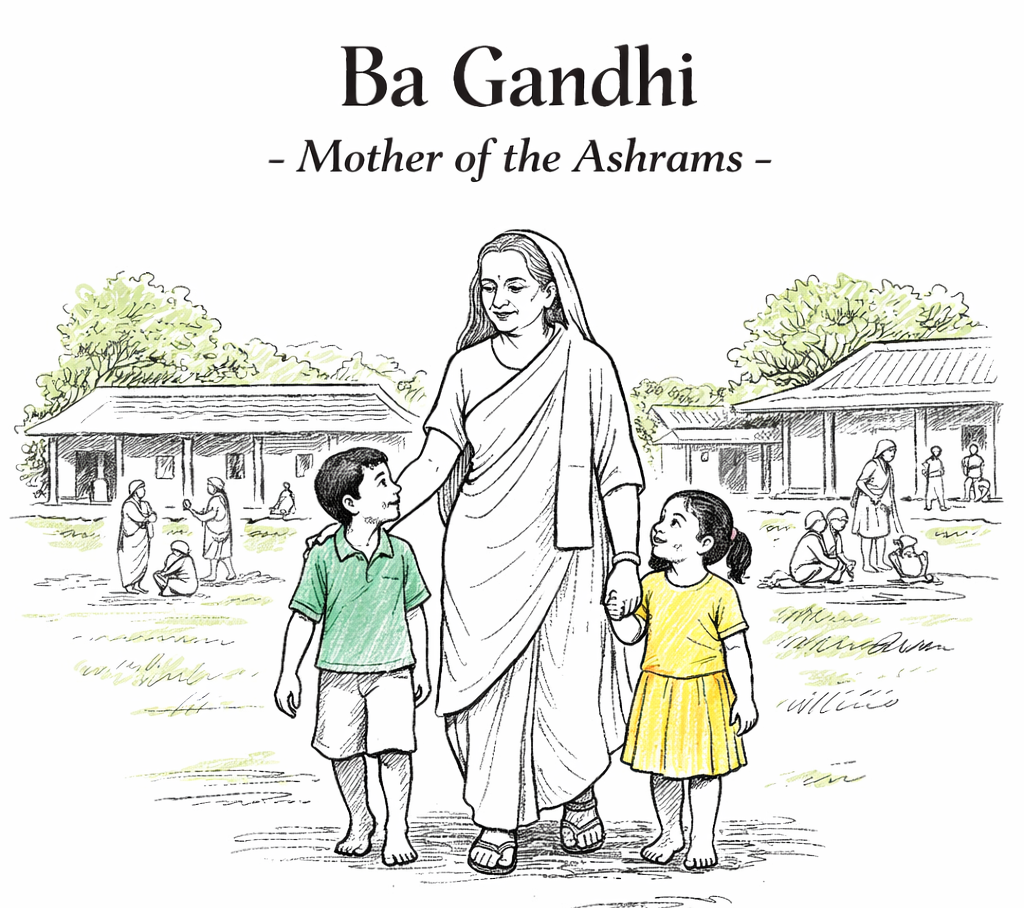
Kasturba Gandhi as ‘Ba’ — Mother of the Ashrams
Kasturba Gandhi was affectionately called “Ba,” meaning mother.
In ashrams like Sabarmati Ashram, she played a central role.
She:
- Managed daily life
- Guided younger women
- Ensured discipline and compassion coexisted
Her leadership style was not loud. It was deeply human.
Kasturba Gandhi’s Contribution to Women’s Rights and Education
At a time when women were largely confined to domestic roles, she challenged norms.
She advocated for:
- Women’s participation in public life
- Basic education for girls
- Hygiene and health awareness
Her work contributed to the larger idea of women empowerment Indian history.
She showed that change begins at the community level.
Why Kasturba Gandhi’s Birthday Is Observed as National Safe Motherhood Day
April 11 significance India extends beyond her birth anniversary.
It is observed as National Safe Motherhood Day to highlight the importance of maternal health.
India continues to work on improving maternal healthcare.
According to global health agencies like World Health Organization:
- Maternal health remains a critical area of focus
- Access to care is still uneven in many regions
The day emphasises:
- Safe pregnancy and childbirth
- Access to healthcare services
- Awareness about maternal nutrition
Kasturba Gandhi’s life reflected care for women’s dignity and well-being. This makes the connection deeply meaningful.
The Legacy of Kasturba Gandhi — What She Stands for Today
Kasturba Gandhi’s legacy is not limited to history books.
It lives on in:
- Women stepping into leadership roles
- Grassroots movements led by communities
- Efforts to improve health and education
Her life reminds us that:
- Change does not always come with noise
- It often comes with persistence
How Smile Foundation Carries Forward Kasturba Gandhi’s Vision
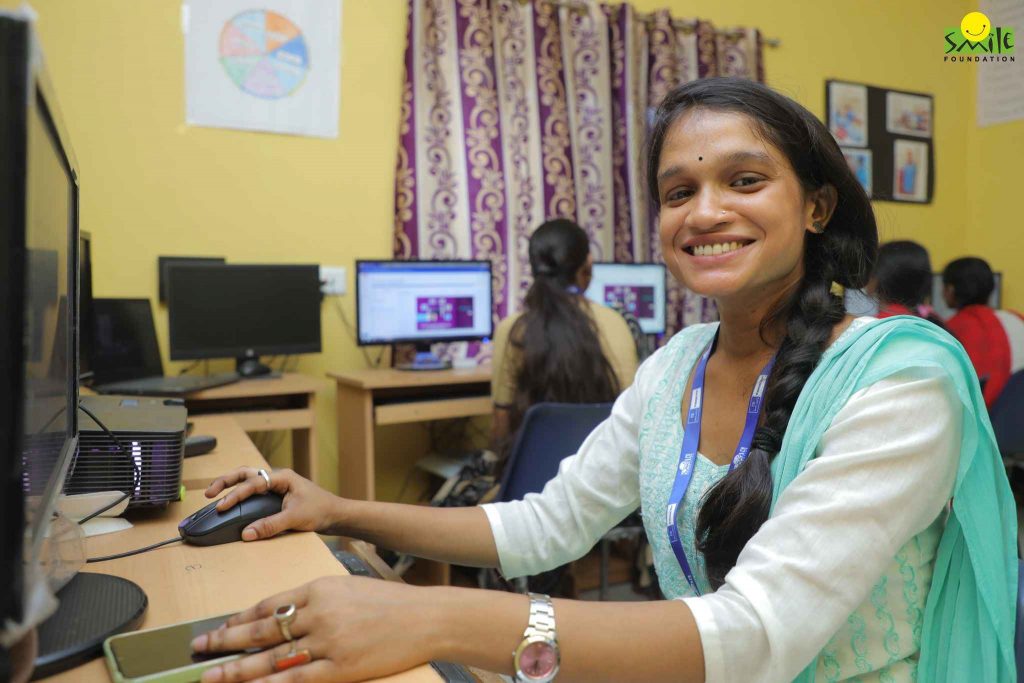
Smile Foundation works at the intersection of health, education, and women empowerment.
Their initiatives focus on:
- Maternal and child healthcare
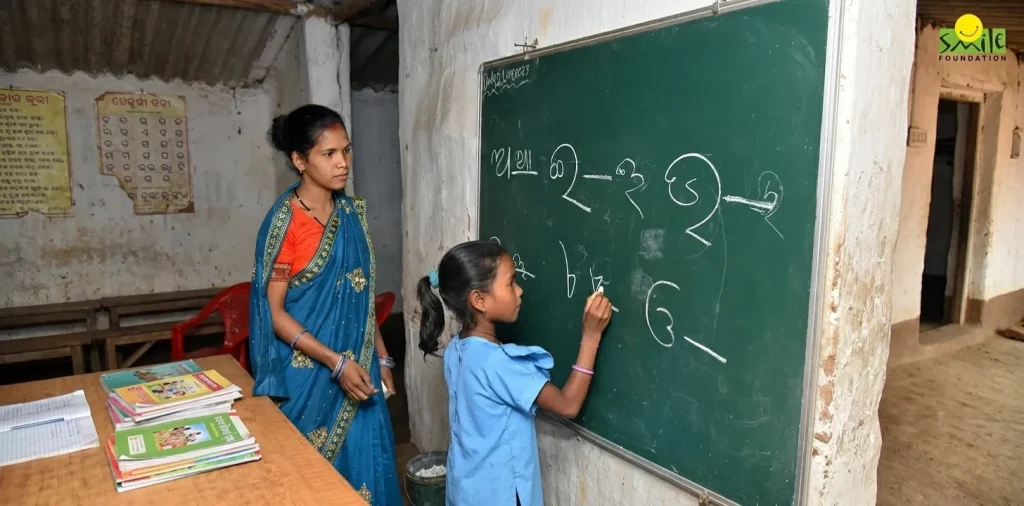
- Education for girls
- Community awareness
Through programmes like Smile on Wheels and education initiatives, the organisation continues to address challenges that Kasturba Gandhi cared deeply about.
👉 Supporting such efforts helps extend her vision into today’s world.
What Her Story Means for Us Today
Kasturba Gandhi’s life offers a simple but powerful lesson.
You do not need formal power to create change.
You need:
- Conviction
- Courage
- Compassion
Her journey from a young girl in Porbandar to a leader in the independence movement shows what quiet strength can achieve.
Conclusion
Kasturba Gandhi remains one of the most important yet understated figures in India’s history.
Her contributions to the independence movement, women’s rights, and community welfare continue to inspire.
As we observe National Safe Motherhood Day, her life reminds us that caring for women’s health and dignity is not just a policy goal. It is a moral responsibility.
FAQs — Kasturba Gandhi
When was Kasturba Gandhi born and when did she die?
She was born on April 11, 1869 and passed away in 1944 while imprisoned.
Why is Kasturba Gandhi called ‘Ba’?
She was affectionately called “Ba,” meaning mother, due to her nurturing role in ashrams and communities.
What was Kasturba Gandhi’s role in India’s freedom struggle?
She actively participated in protests, led women and supported major movements like Satyagraha and Quit India.
Why is April 11 celebrated as National Safe Motherhood Day in India?
It marks her birth anniversary and highlights the importance of maternal health and safe childbirth.
What is the Kasturba Gandhi National Memorial Trust?
It is an organisation established to promote women’s welfare and rural development.
What were Kasturba Gandhi’s contributions to women’s rights?
She encouraged education, participation in public life and awareness about health and hygiene.
How did Kasturba Gandhi support Mahatma Gandhi’s work?
She worked alongside him, led movements in his absence and mobilised women across communities.
What is the legacy of Kasturba Gandhi in modern India?
Her legacy lives in movements for women empowerment, education, and community health.
How does Smile Foundation carry forward Kasturba Gandhi’s vision?
Through programmes focused on healthcare, education and empowering women at the grassroots level.