
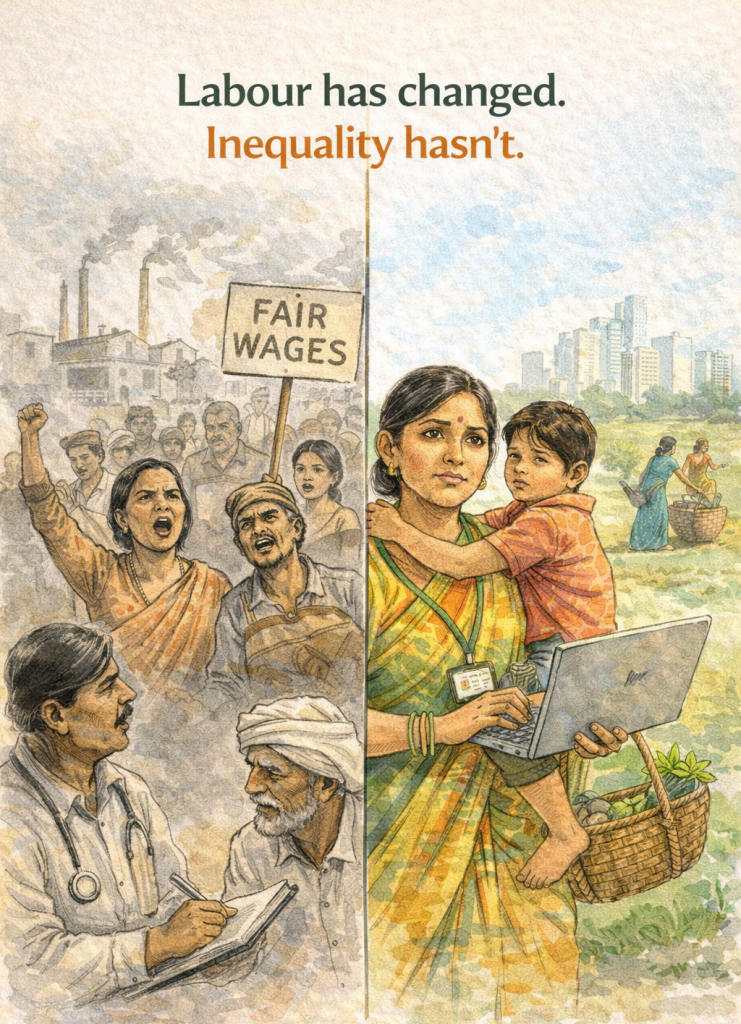
International Labour Day 2026, observed every year on May 1, is both a celebration of workers’ contributions and a reminder of the struggles that built modern labour rights. Emerged from global movements demanding dignity, fair wages and humane working conditions, its relevance today has expanded beyond industrial labour.
In contemporary India, the observance of Labour Day must be viewed through the lens of gender justice, as women workers continue to face systemic inequalities in participation, wages, safety and recognition.
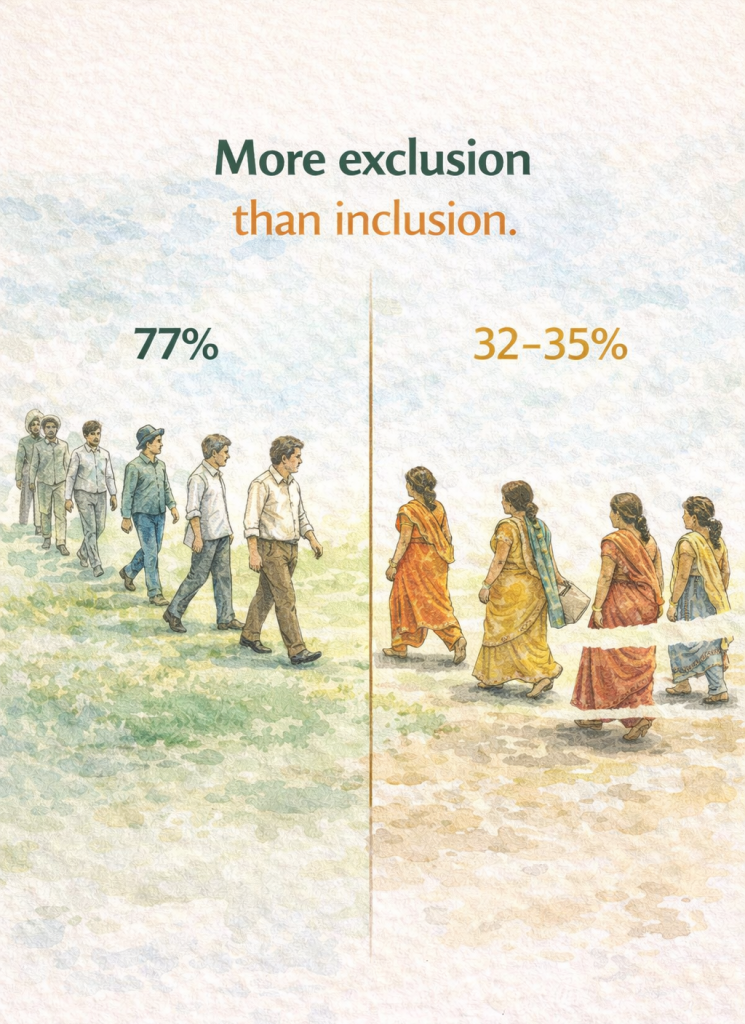
While India has made notable strides in economic growth and development, the status of women in the workforce reflects persistent structural disparities. Female labour force participation in India remains significantly lower than that of men, with recent estimates from the World Bank Gender Data Portal indicating around 32–35% for women, compared to over 77% for men. This gap highlights the urgent need to revisit Labour Day not just as a symbolic observance, but as a call to strengthen workers’ rights, especially for women.
The Historical Roots of International Labour Day 2026
International Labour Day traces its origins to the late 19th-century labour movement in the United States, particularly the 1886 Haymarket affair in Chicago, where workers protested for an eight-hour workday. This movement soon gained international recognition, leading to May 1 being commemorated globally as a day of workers’ solidarity and resistance.
But the broader labour movement was deeply intertwined with early struggles for women’s rights. Women workers in factories, textile mills and domestic industries played a central role in labour protests across Europe and North America. In fact, the roots of global women’s rights movements themselves lie in labour struggles, as seen in early 20th-century protests demanding better wages, safer workplaces and voting rights.
In India, Labour Day gained prominence during the early 20th century under colonial rule, when industrial workers began organising against exploitative working conditions. Over time, labour laws such as the Minimum Wages Act, Equal Remuneration Act (1976) and Maternity Benefit Act were introduced, reflecting the growing recognition of workers’ rights, including those of women.
The Significance of International Labour Day 2026 in Contemporary India
Today, Labour Day in India symbolises both progress and unfinished struggles. On one hand, India has expanded its labour market and enacted various protections for workers. On the other hand, inequalities persist, particularly along gender lines.
A key concern is the low participation of women in the workforce. Despite improvements in education and skills, millions of women remain outside the labour market. Around 60% of working-age women in India are not part of the labour force, reflecting barriers such as unpaid care responsibilities, safety concerns and social norms, according to a report by Ideas for India.
Even among those who work, a large proportion of women are concentrated in informal employment. Informal work — often unregulated and lacking social security — dominates women’s employment in India, limiting access to benefits such as paid leave, healthcare and job security.
Labour Day, therefore, is not merely about celebrating workers, but about acknowledging these disparities and pushing for inclusive policies that recognise and value women’s labour.
Women Workers in India: A Structural Inequality
Low Participation and Invisible Labour
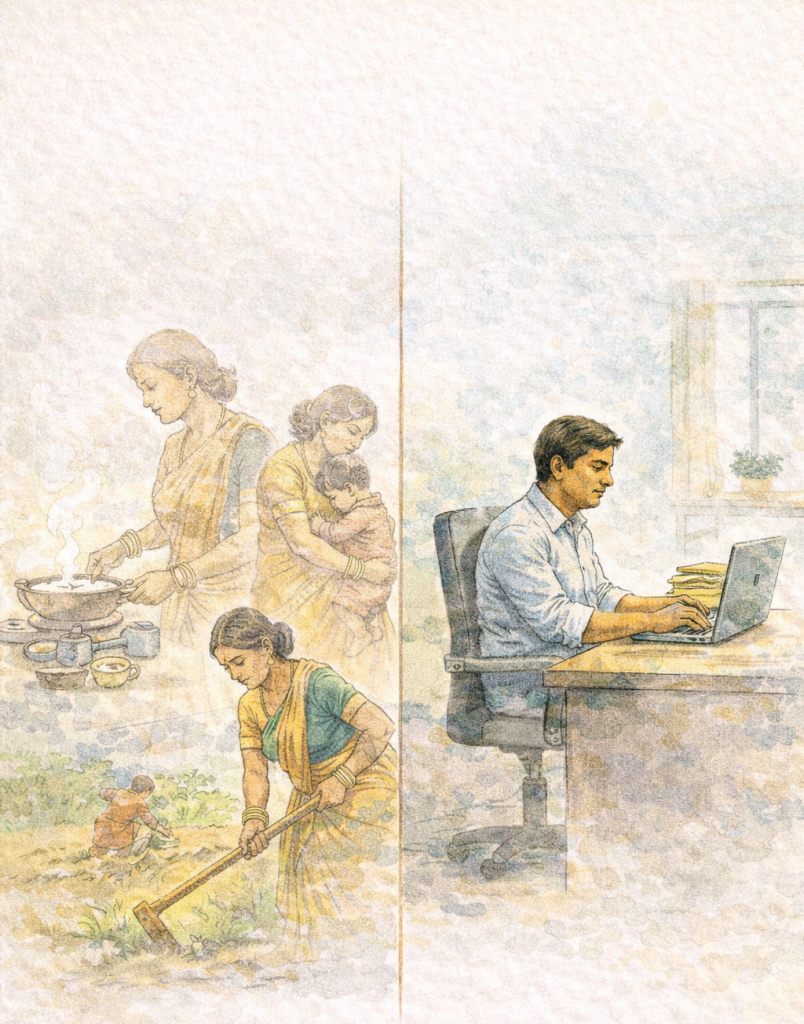
Women’s participation in India’s workforce is shaped by deep-rooted social and cultural norms. Many women engage in unpaid labour such as household work, caregiving and agricultural assistance, which remains unaccounted for in official statistics.
Even when women are economically active, their work is often undervalued or invisible. For example, women contribute significantly to agriculture and allied sectors, yet much of this labour is informal and lacks recognition or remuneration.
This invisibility reinforces gender inequality, as economic policies often fail to account for the full extent of women’s contributions.
Gender Wage Gap
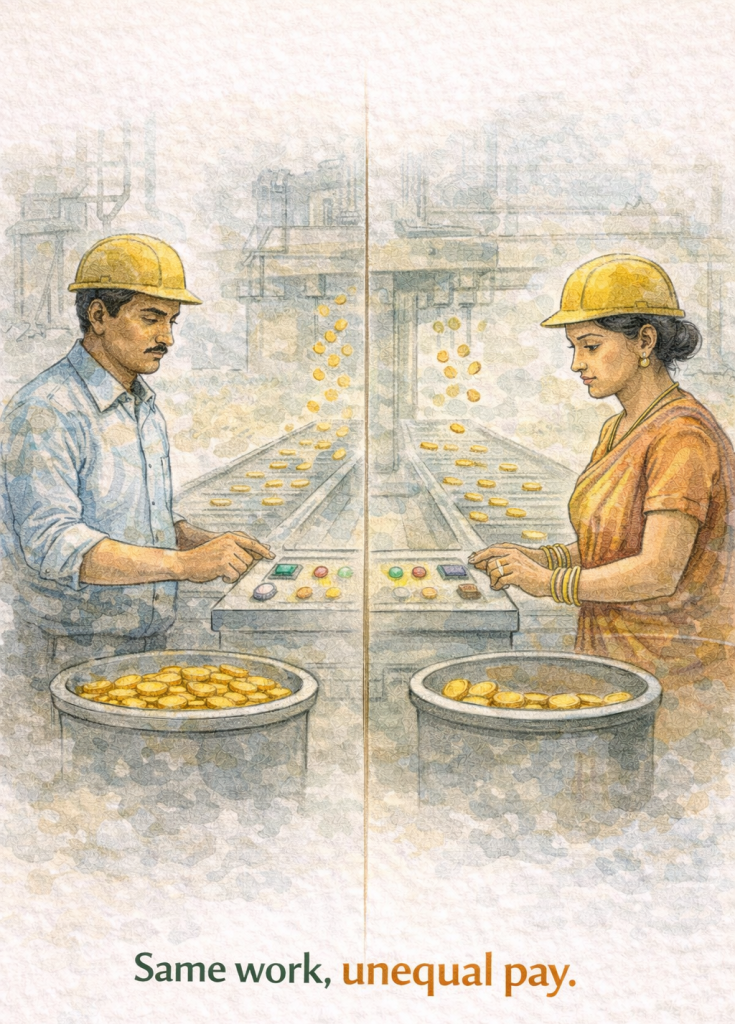
The gender wage gap remains one of the most persistent challenges in India’s labour landscape. Although the gap has narrowed over time, women still earn approximately 20–30% less than men on average.
This disparity is driven by multiple factors, including occupational segregation, discrimination and unequal access to opportunities. According to the International Labour Organisation, the wage gap has historically been even wider, with women earning nearly half as much as men in the early 1990s.
The persistence of wage inequality undermines the principle of equal pay for equal work, a core demand of the labour movement.
Informality and Job Insecurity
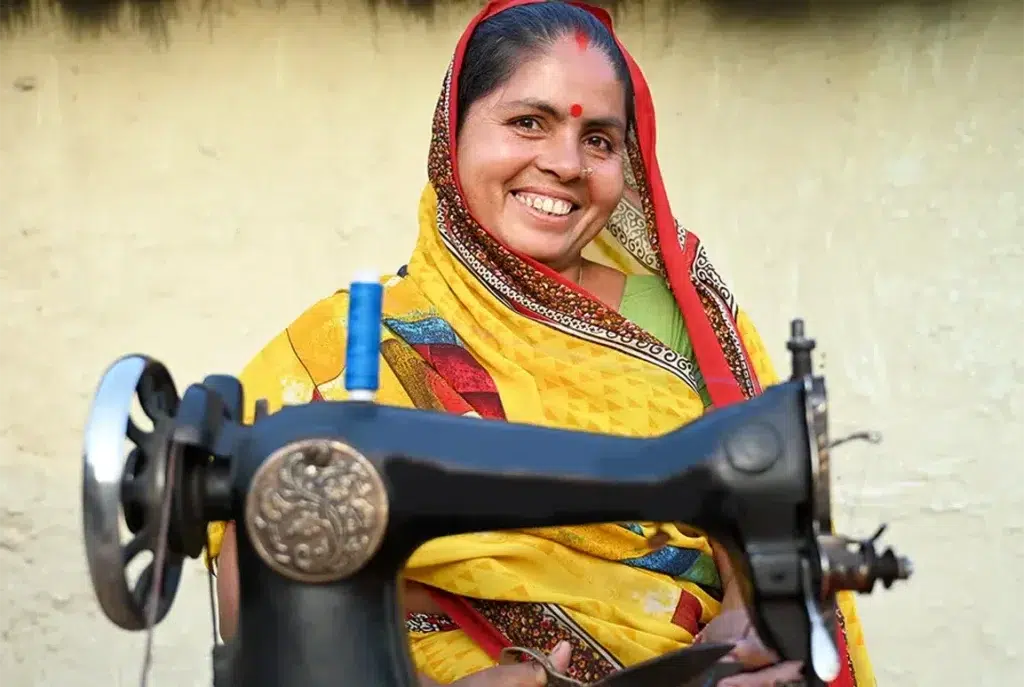
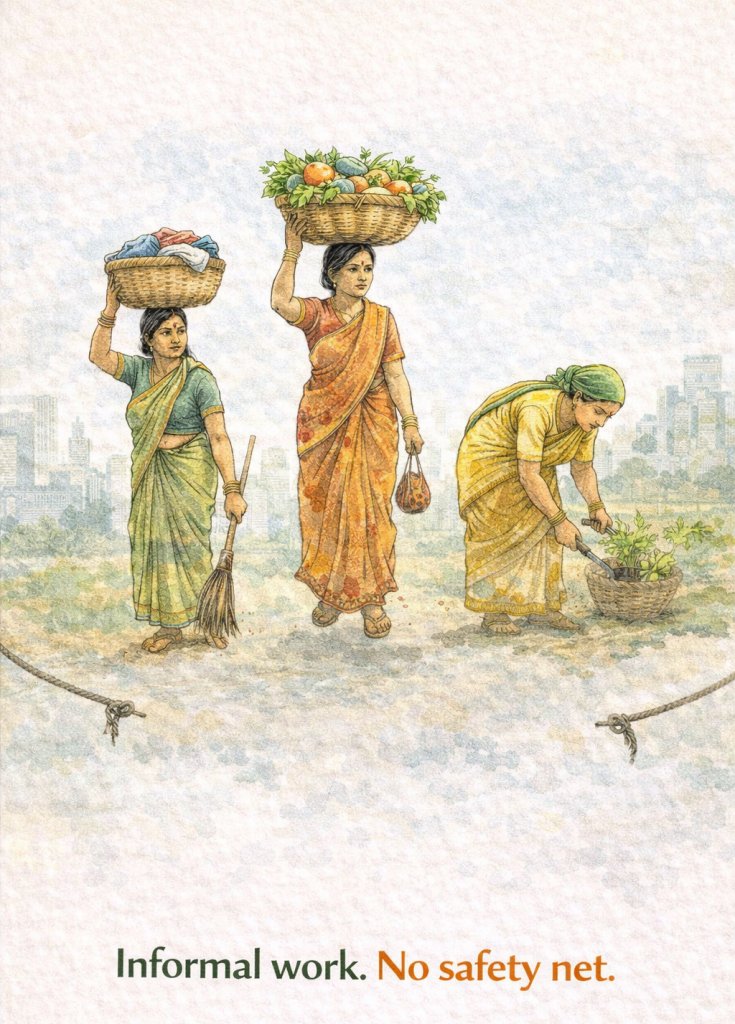
A large share of women in India are employed in the informal sector, where job security is minimal and labour protections are weak. Many women work as domestic workers, agricultural labourers or self-employed workers in small-scale enterprises.
In urban areas, only a small percentage of women are engaged in regular salaried employment, with figures as low as around 15.9%. This reliance on informal employment exposes women to exploitation, low wages and unsafe working conditions, making labour rights enforcement particularly critical.
Unpaid Care Work and Gender Norms
One of the most significant barriers to women’s workforce participation is the disproportionate burden of unpaid care work. Women spend substantially more time than men on household responsibilities, limiting their ability to pursue paid employment.
This imbalance is rooted in societal expectations that assign caregiving roles primarily to women. Without adequate childcare infrastructure, flexible work arrangements and supportive policies, women continue to face structural disadvantages in the labour market.
Progress and Emerging Trends Globally
Despite these challenges, in recent years, there have been a few signs of progress globally in female labour force participation, which has risen from around 22.9% in 2018 to over 35% in 2025, according to The World Bank data.
Government initiatives, self-help groups and skill development programs have played an important role in increasing women’s economic participation. Women are also making strides in education and job-readiness, with recent reports indicating that they have surpassed men in employability metrics in India.
Additionally, grassroots movements and labour unions have increasingly highlighted gender-specific issues, such as workplace harassment and maternity rights. Recent labour campaigns in sectors such as textiles have demonstrated the power of collective action to improve working conditions for women.
However, these gains remain uneven and fragile, requiring sustained policy interventions and social change.
Labour Rights and Legal Framework for Women in India: International Labour Day 2026
India has enacted several laws aimed at protecting women workers, including:
- The Equal Remuneration Act ensures equal pay for men and women
- The Maternity Benefit Act provides paid maternity leave
- The Sexual Harassment of Women at Workplace Act addresses workplace safety
While these laws represent important milestones, their implementation remains inconsistent, particularly in the informal sector.
Women’s organisations and movements have played a crucial role in advocating for these rights. Groups such as the All India Women’s Conference have historically contributed to legislative reforms and awareness campaigns.
Labour Day thus serves as a reminder of both the achievements of these movements and the gaps that still need to be addressed.
The Way Forward: A Gender-Just Labour Agenda
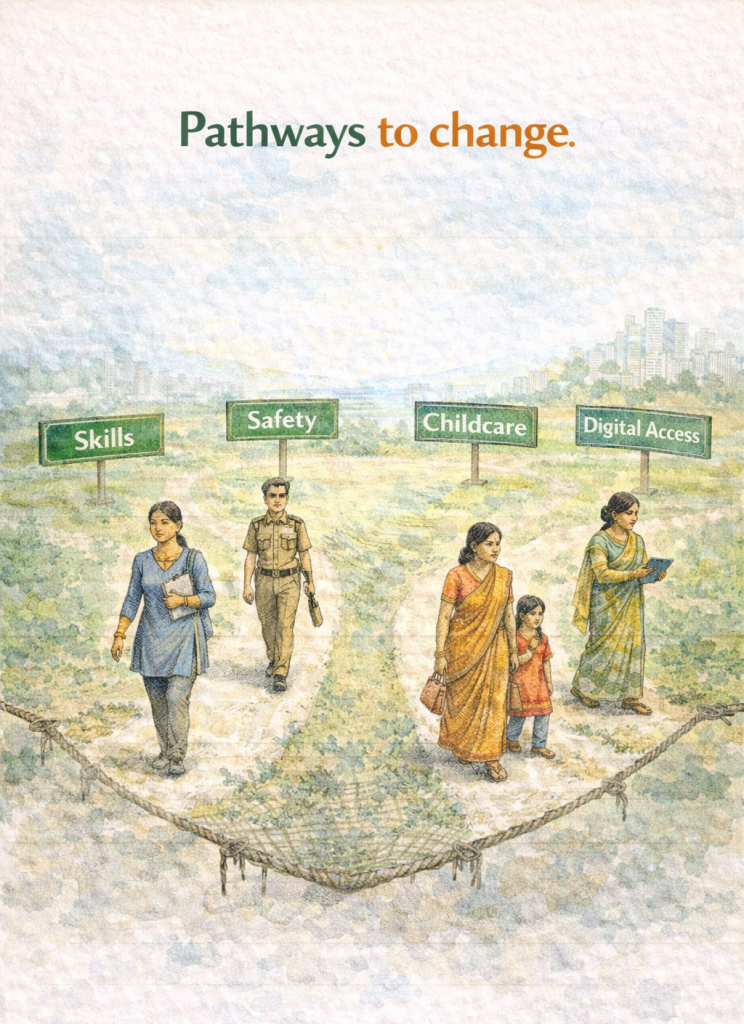
To make Labour Day meaningful in 2026, India must adopt a gender-sensitive approach to labour rights. This includes:
Increasing Women’s Workforce Participation
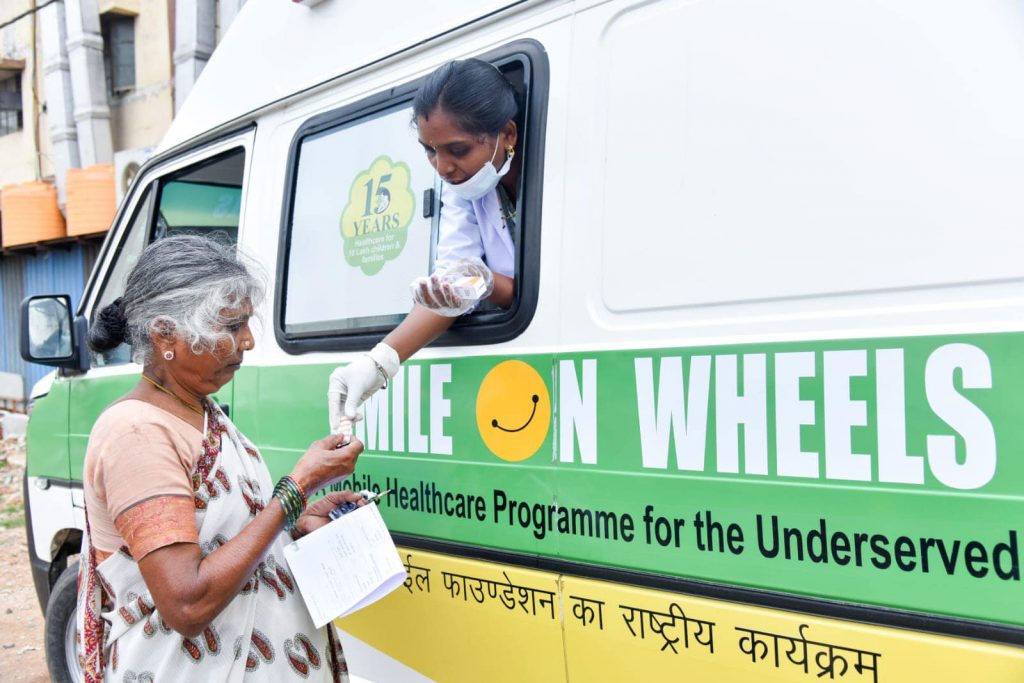
Policies must address barriers to women’s employment, such as safety, mobility and social norms. Expanding access to education and skills training can also help bridge the participation gap. Programmes like Smile Foundation’s Swabhiman initiative are at the forefront of empowering women and creating pathways to gender equality by focusing on key issues that hold women back from participating in the workforce, leadership roles and public life. Through targeted interventions like health camps, skill development workshops and community mobilisation, Swabhiman works to break down the barriers that often limit opportunities for
Recognising and Redistributing Unpaid Work
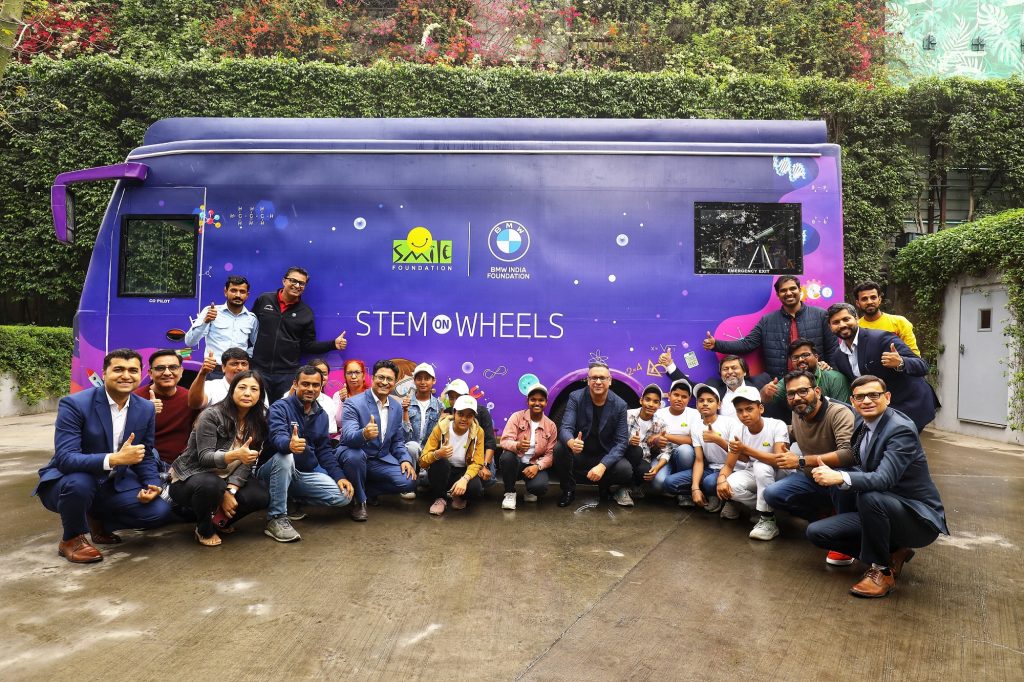
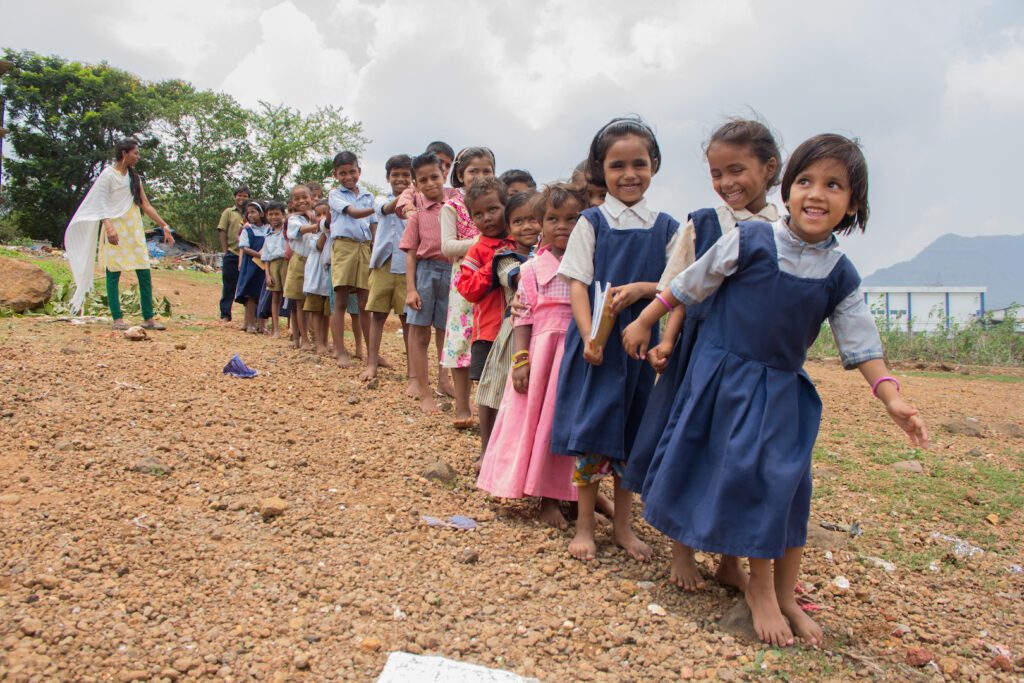
Investing in childcare services, parental leave policies and social protection systems can reduce the burden of unpaid care work on women. The socio-economic conditions of parents and the lack of proper learning in schools are hindrances which prevent many children from having an education. Smile Foundation’s flagship programme, Mission Education, aims to empower underprivileged children by providing education, nutrition and wellness support. The programme is well aligned to the New Education Policy (2020) and the SDG Goal 4 (Ensure inclusive and equitable quality education and promote lifelong learning opportunities for all).
Closing the Gender Wage Gap
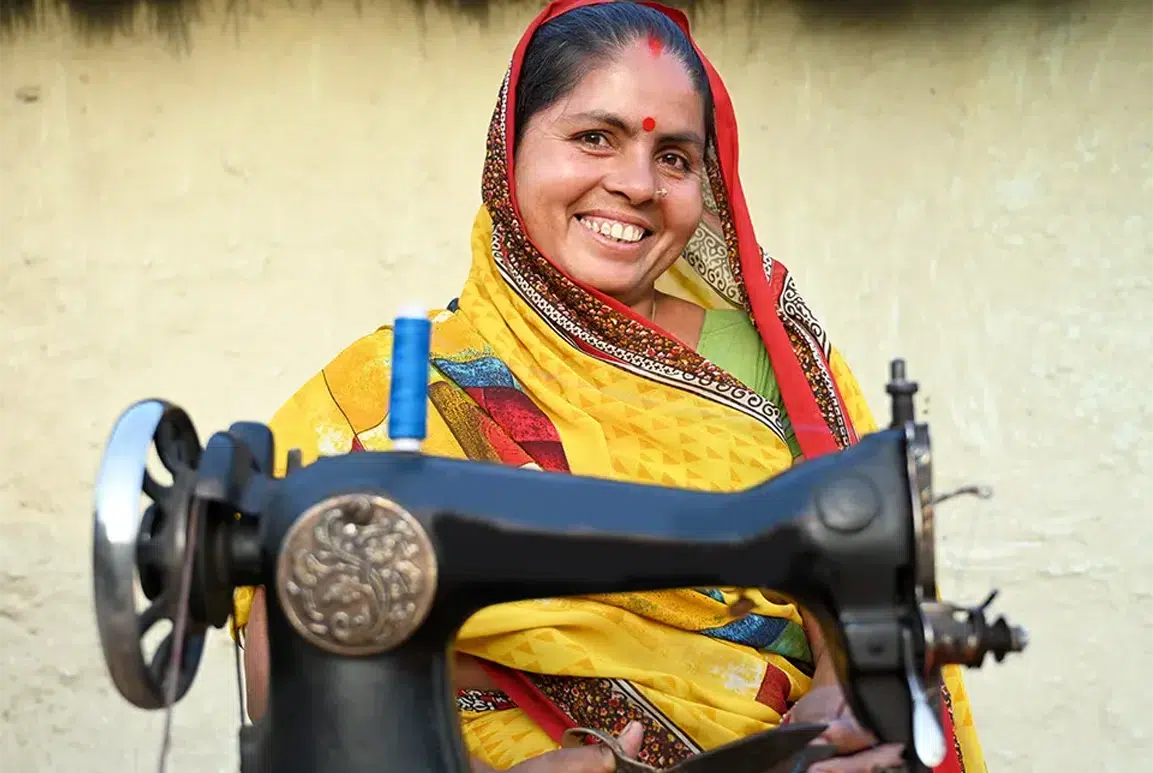
Stronger enforcement of equal pay laws and transparency in wage structures are essential to addressing wage disparities. In line with closing gender gaps, Smile Foundation works to dismantle the barriers women face, including limited educational access and restrictive job opportunities. Through targeted initiatives, Smile Foundation’s initiatives go beyond traditional aid, creating lasting change by encouraging entrepreneurship, confidence and community leadership among women.
Formalising Women’s Employment
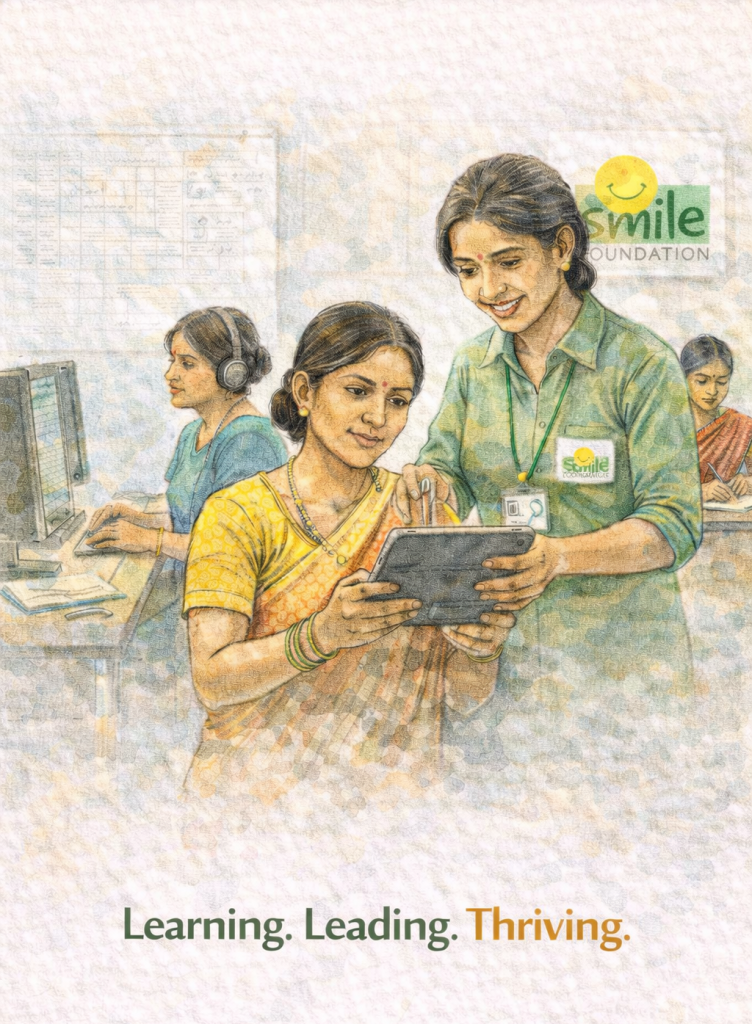
Bringing informal workers into the formal economy can ensure access to social security, healthcare and legal protections. Digital empowerment can be a way forward, laying the foundation for women’s economic participation in India’s growth story. While government schemes have set the stage, the journey from awareness to adoption demands the collective strength of CSR, NGOs and local communities. By bridging the digital divide, Smile Foundation enables women to scale businesses, lead change and inspire generations.
International Labour Day 2026 is thus an opportunity to reflect on the progress made in securing workers’ rights and to confront the inequalities that persist. For women in India, the struggle for labour rights is far from over. Ensuring equal opportunities, fair wages and safe working conditions for women is not just a matter of rights — it is essential for inclusive and sustainable development. As India moves forward, the true spirit of Labour Day will be realised only when every woman worker is recognised, valued and empowered.