

High up in the Himalayan desert of Ladakh, where oxygen is thin and winters of -25°C unforgiving, access to healthcare becomes a battle against geography. With only a handful of Primary Health Centres (PHCs) spread across vast, treacherous terrain, even reaching the nearest hospital—Sonam Norboo Memorial (SNM) Hospital—can take hours over broken, snow-laden roads. In these isolated stretches, Smile Foundation’s mobile medical unit becomes a lifeline. Through this photo essay, we journey with the health team that defies distance, cold, and silence to deliver care, hope, and dignity to those too often left behind. This is their story — one of grit, compassion, and the belief that healthcare must reach everyone, everywhere.
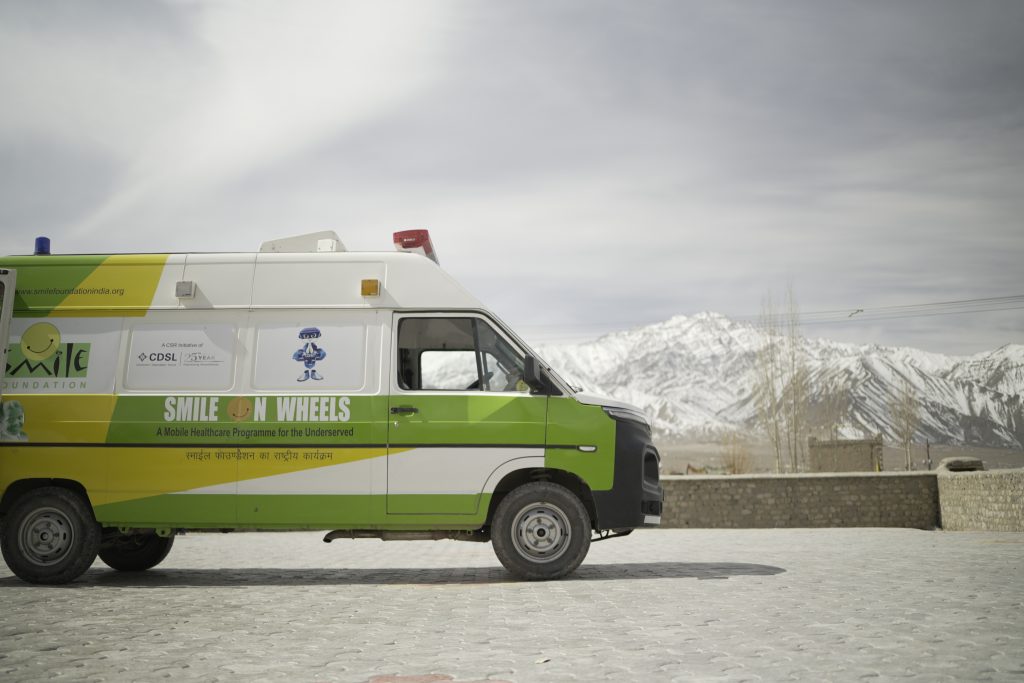
Every journey begins with calls to village leaders — known as lambardars — the day before. In these red zones, where geography and isolation make emergencies more dangerous, the team’s arrival is a lifeline
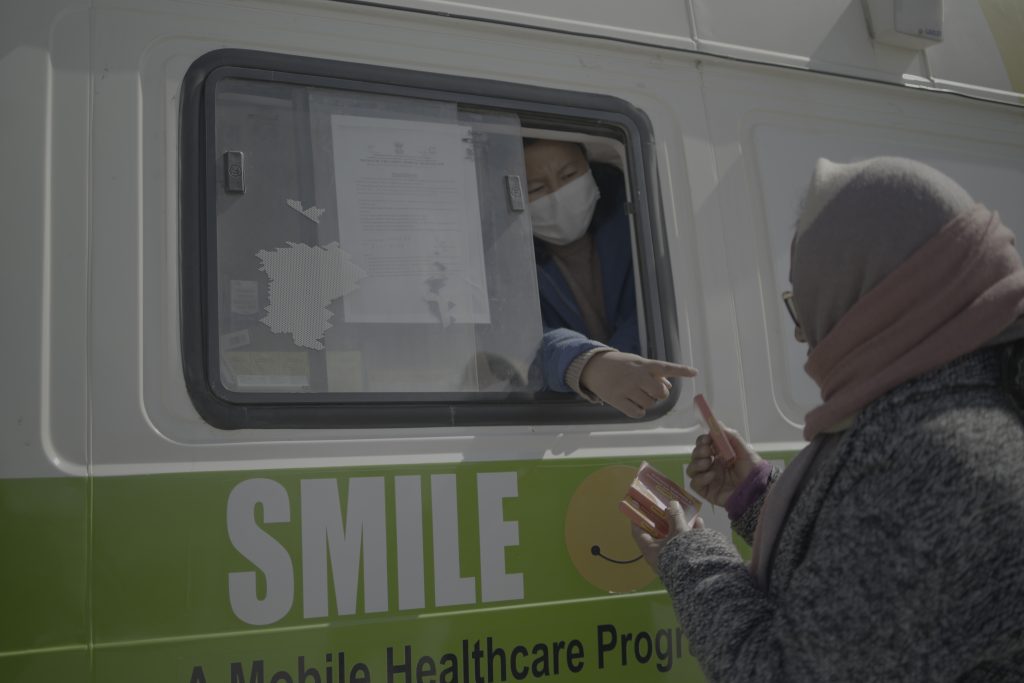
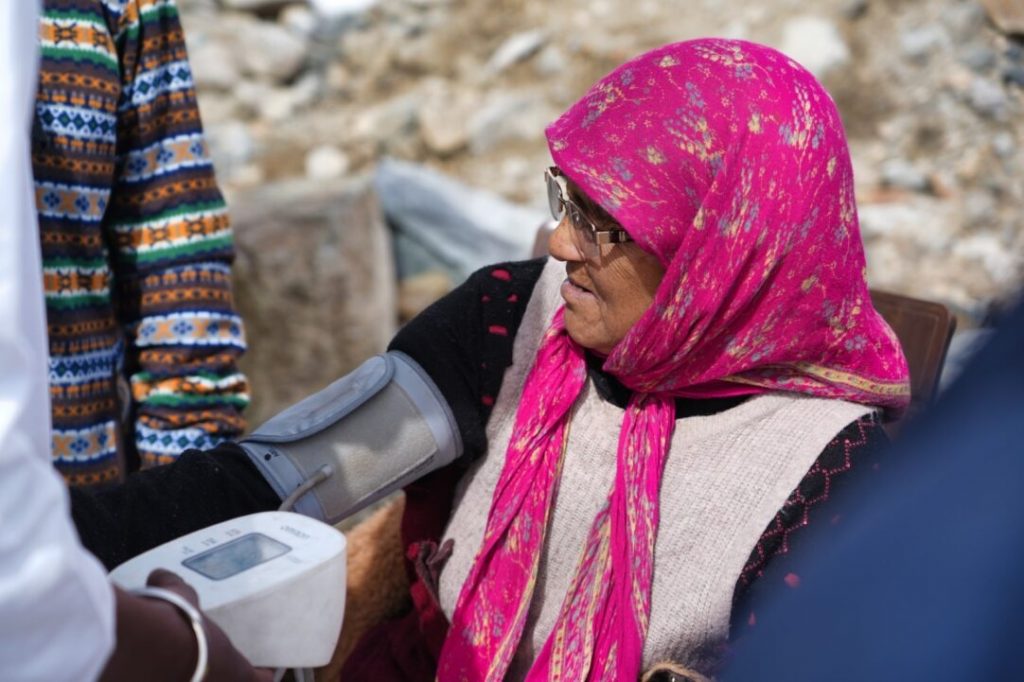
Most patients are between 35 and 70 years old, suffering from diabetes, high blood pressure, and joint pain. With just a handful of hard-to-reach Primary Health Centres (PHCs) in the region, many Ladakhis would otherwise go without treatment.
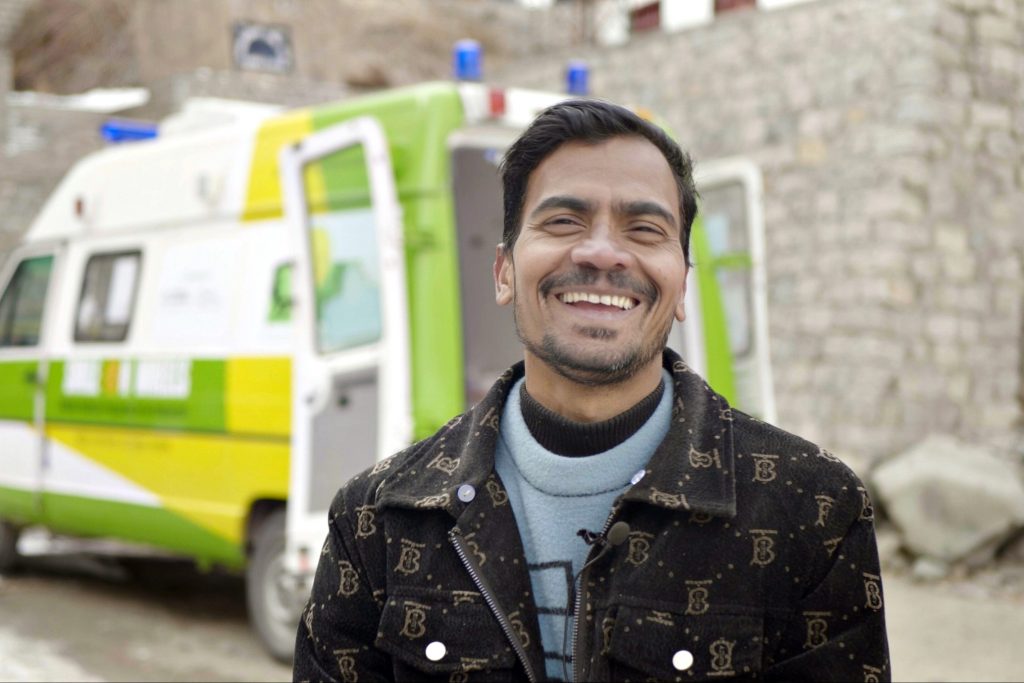
“Here, I have learned that healthcare shouldn’t depend on where you live, what the weather is like, or who you are – it belongs to everyone, everywhere.” Taskeel says. “And honestly, I am just thankful I am able to play a small, meaningful part in someone’s life.”
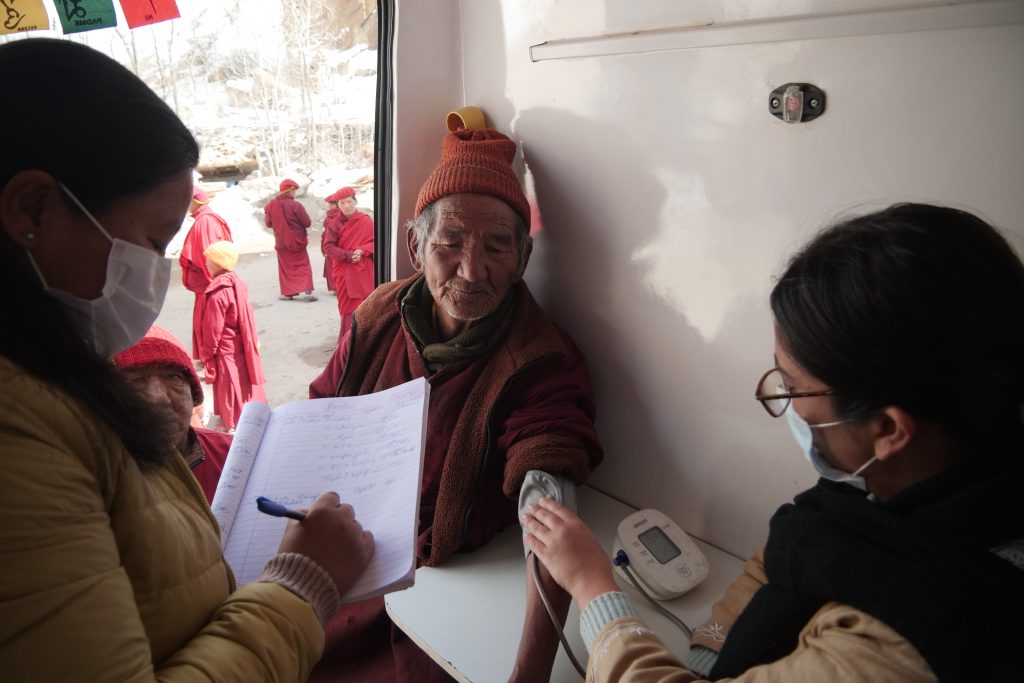
With no public transport in most villages, accessing even a Primary Health Centre can be near impossible. The mobile unit is sometimes the only healthcare people receive for months.
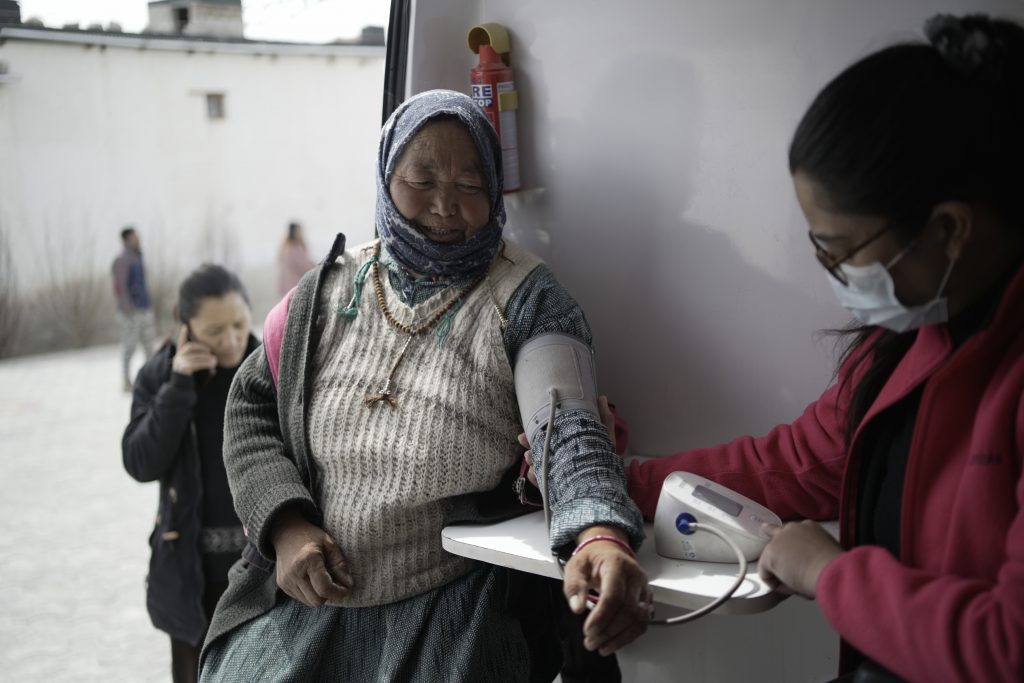
When the van first arrived, villagers were skeptical. But over time — through WhatsApp groups and regular visits — trust grew. Today, people line up before the van even arrives.
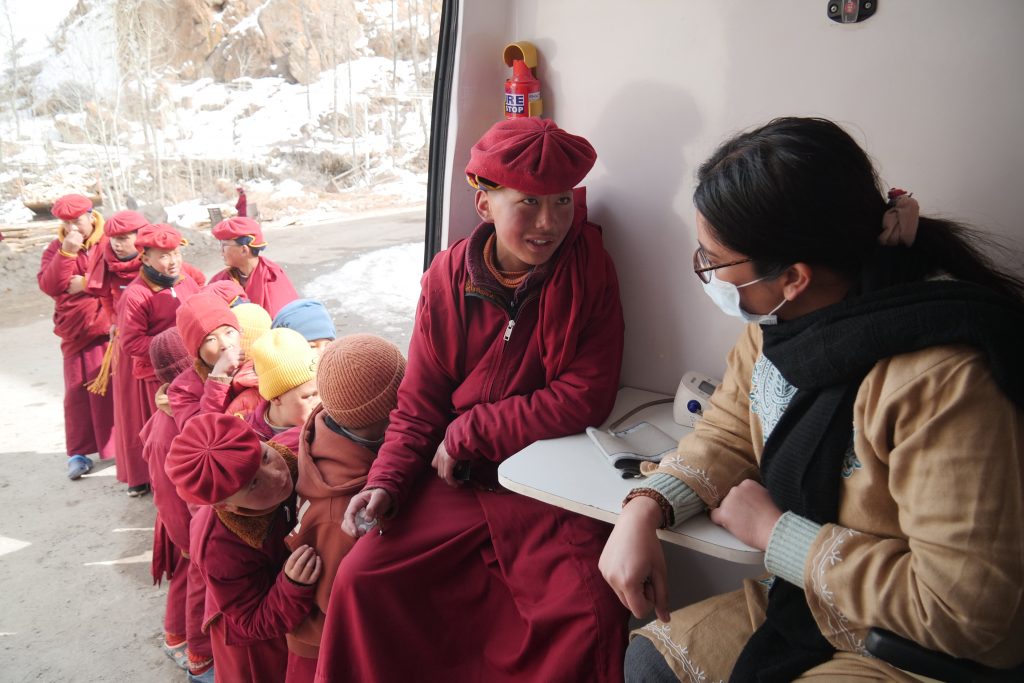
The team believes healthcare is not only curative — it must be preventive and inclusive. Every visit becomes an opportunity to plant seeds for long-term community wellbeing.
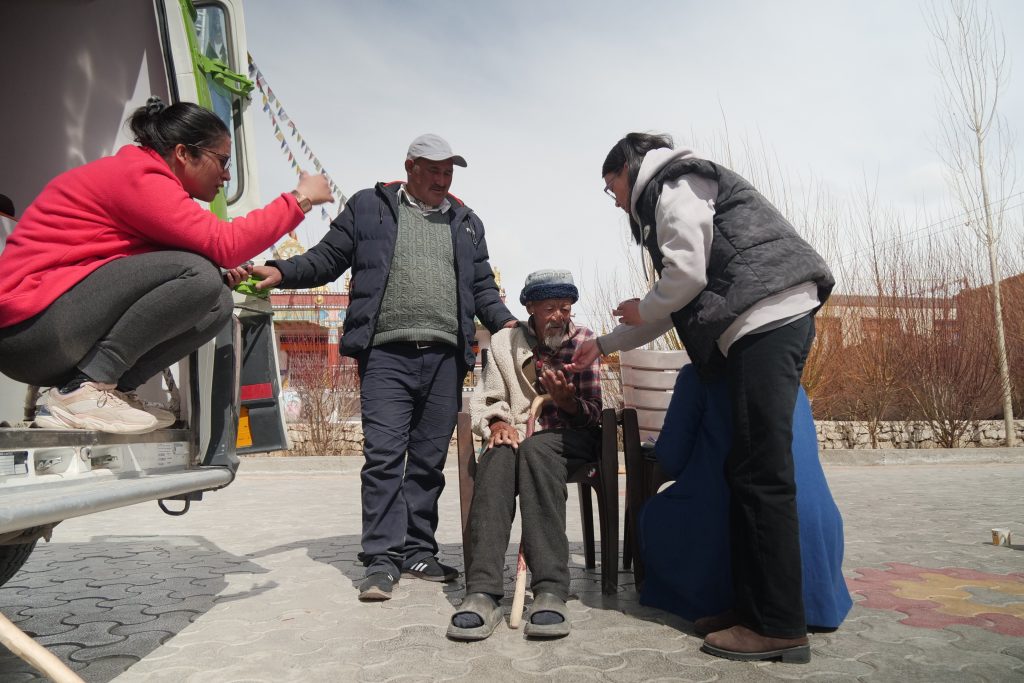
By end of day, the team has often seen 1,100 patients — far beyond their daily minimum of 930. Each one is given time, attention, and care, even when daylight runs out.
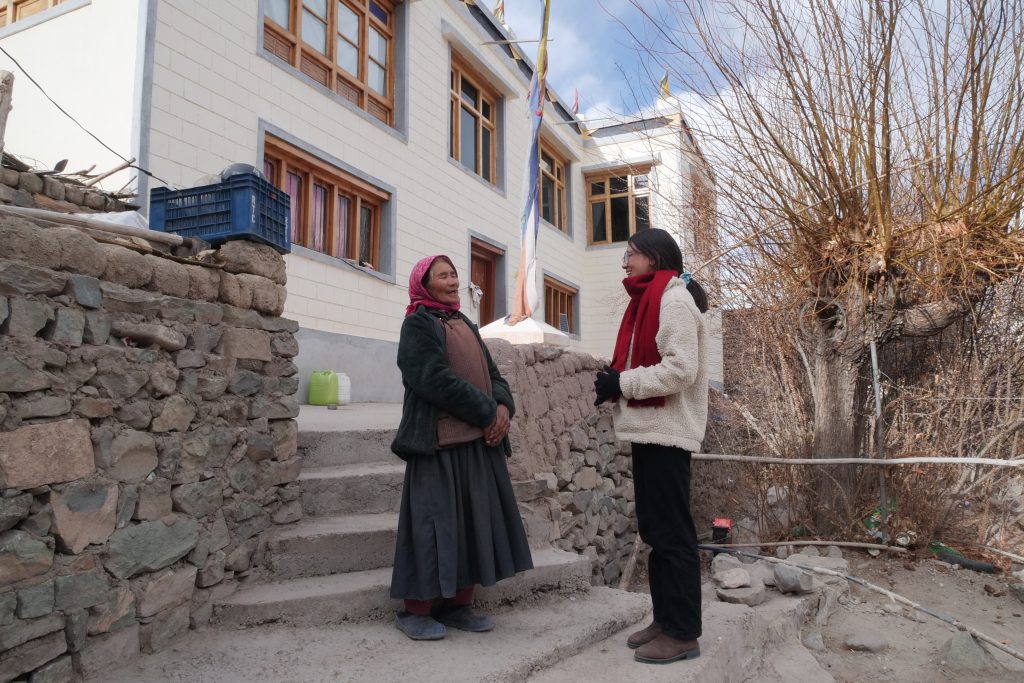
Bright sun on snow causes chronic eye problems. Yet with no ophthalmologist in sight, most suffer silently. The team treats what they can, but the need for specialist care is urgent.
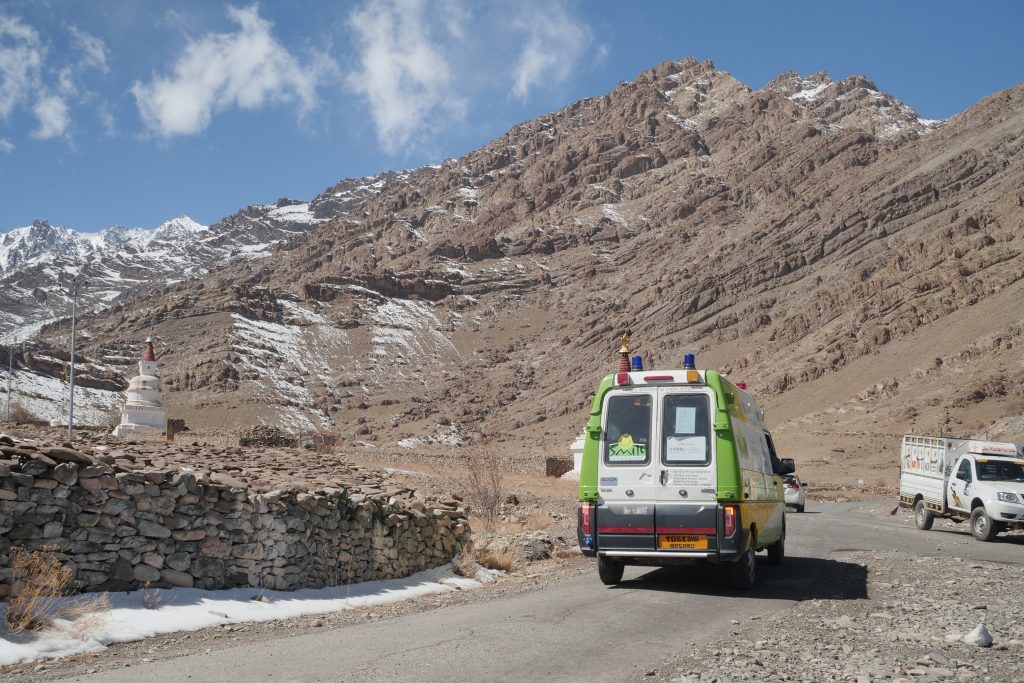
The nearest full hospital, SNM Hospital in Leh, has only 150 beds. For many villagers, getting there takes hours of private transport — a cost most cannot afford.
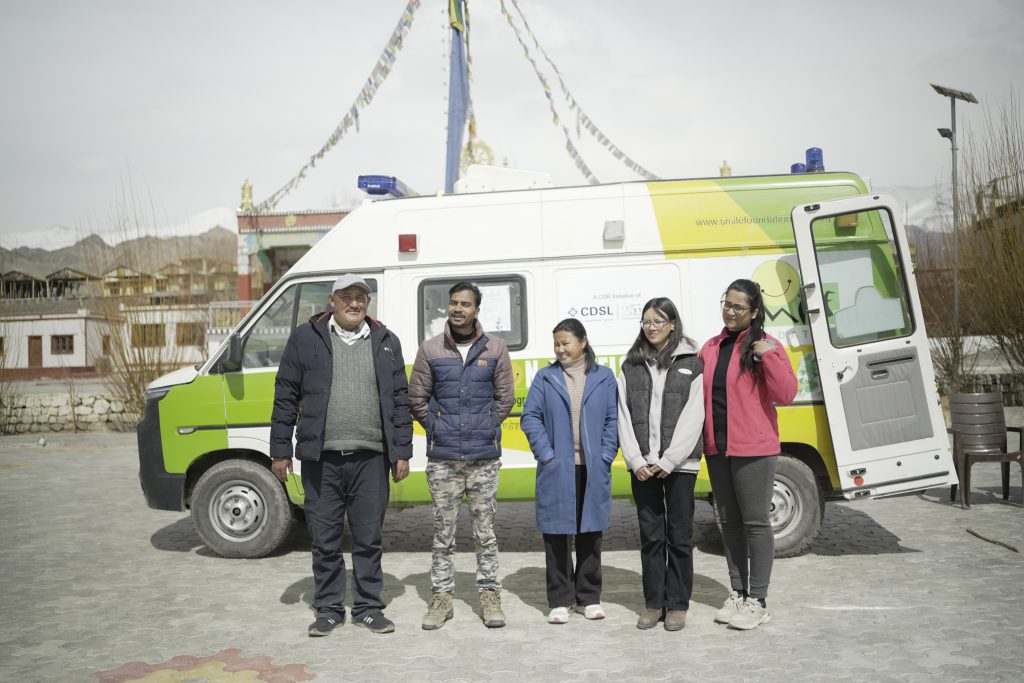
In a world that too often forgets its remotest corners, Smile Foundation’s health warriors continue to remember. Their work in Ladakh is a quiet but powerful reminder that compassion can traverse the steepest valleys and highest peaks. When asked why he keeps going, Taskeel simply says,
“Because someone is waiting. And we must reach them.”