
India’s scientific ambitions are increasingly visible on the global stage. Indian-origin researchers lead laboratories abroad, contribute to space missions, advance biotechnology and shape artificial intelligence systems. These individual successes are often cited as evidence of the country’s intellectual depth.
Beneath these achievements lies another fundamental question: how inclusive is the pipeline that produces them?
A recent UNESCO article on advancing gender equality in STEM education reiterates a long-standing but insufficiently addressed reality — encouraging girls to pursue science requires structural reform and not just episodic celebration. For India, the issue is not only representation in classrooms but it is retention, progression and leadership across career stages.
The Paradox of Participation for STEM women
India presents a paradox. Female enrolment in STEM disciplines at the undergraduate level is comparatively strong. In several life sciences streams, women constitute a significant proportion of students. This suggests that early access barriers have, to some extent, been reduced.
However, representation narrows at higher levels. Women remain underrepresented in senior research positions, institutional leadership, patent ownership and advanced innovation ecosystems. The “leaky pipeline” phenomenon — observed globally — is evident here as well.
The reasons are structural. Career interruptions linked to caregiving responsibilities, limited mentorship networks, implicit bias in evaluation systems and uneven access to research funding cumulatively reduce progression rates.
Celebrating enrolment without examining retention risks mistaking entry for equity.
Early Exposure and Stereotype Formation
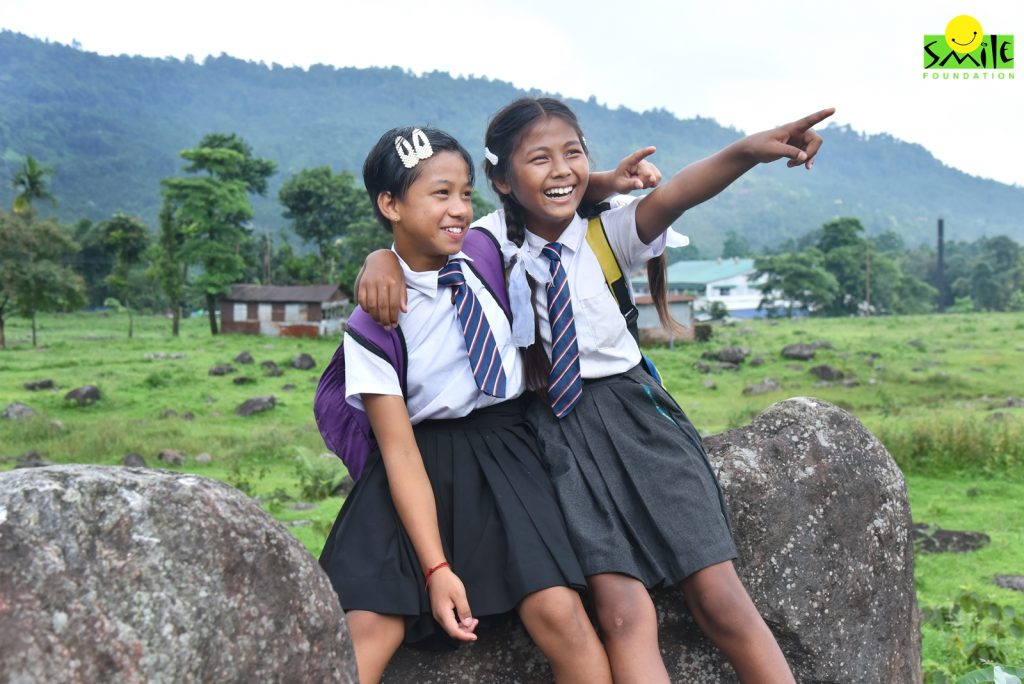
UNESCO underscores that gender stereotypes in science emerge early. By adolescence, many girls disengage from mathematics and physics, not due to lack of aptitude but due to perception.
In India, these perceptions are shaped by layered social realities — expectations around “appropriate” careers, safety concerns related to mobility and unequal access to laboratory infrastructure in under-resourced schools.
Interventions at the foundational level therefore matter disproportionately. Strengthening science education in underserved communities, providing digital access and ensuring teachers actively encourage girls’ participation can alter long-term trajectories.
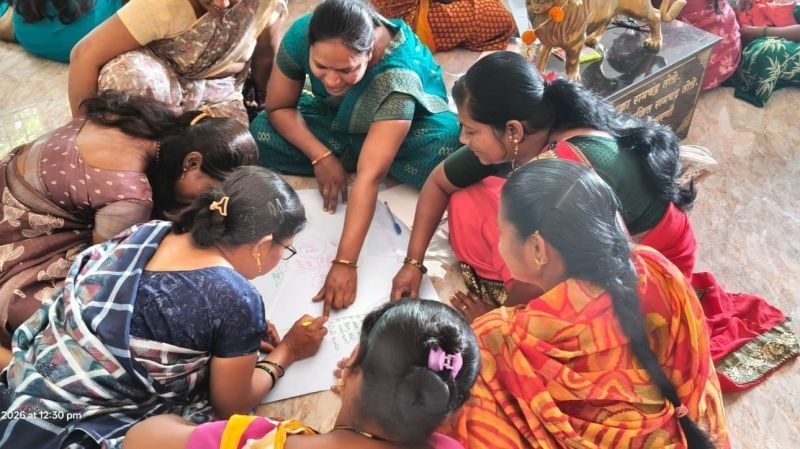
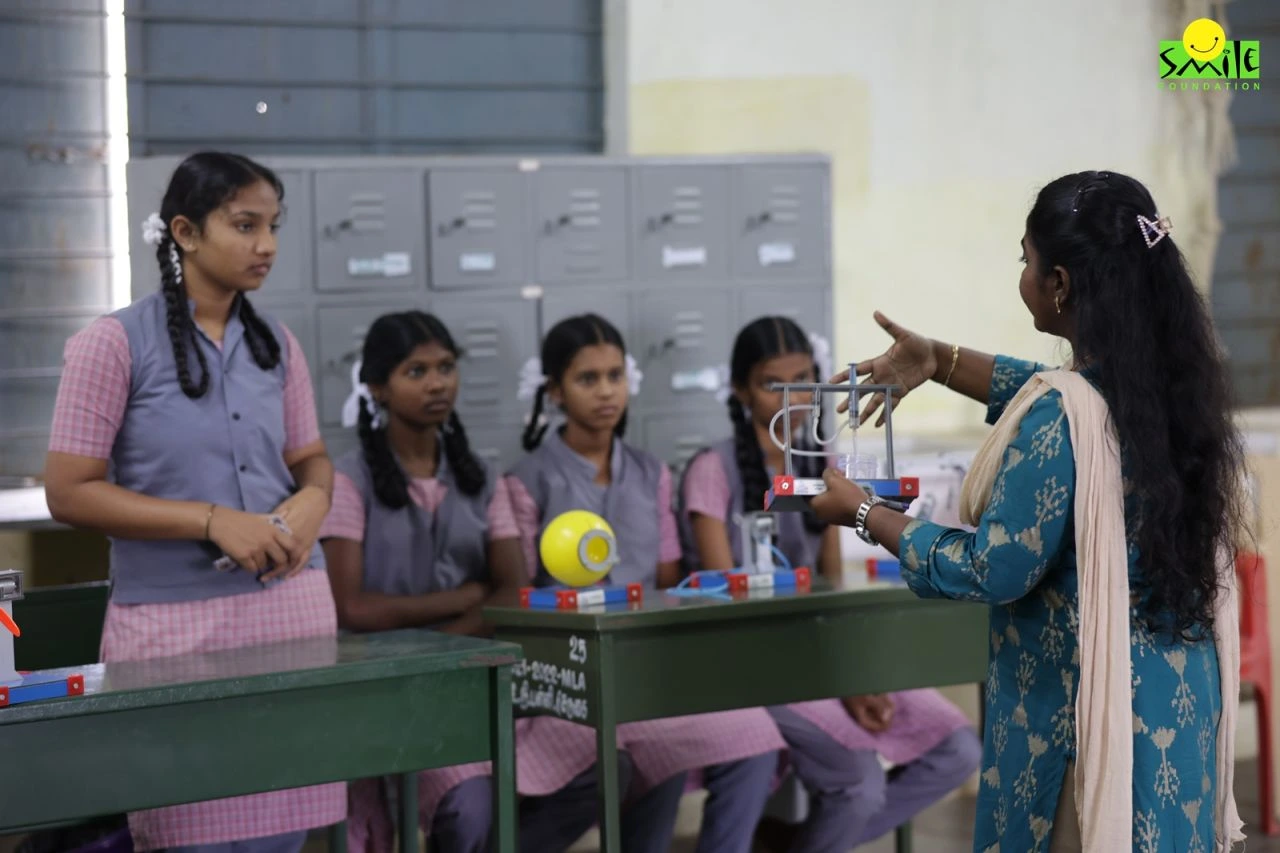
Organizations working at the community level increasingly recognize that STEM inclusion must begin before university. Digital classrooms, basic coding exposure and experiential science learning in rural and peri-urban schools serve as critical entry points.
Confidence is often built long before a formal degree is pursued.
Mobility and Infrastructure
The transition from schooling to advanced STEM education frequently requires geographic mobility. For many young women, especially from rural districts, access to safe accommodation determines whether higher education is feasible.
Infrastructure measures, such as proposals to expand girls’ hostels, are therefore not peripheral to STEM policy. They address structural barriers that prevent capable students from entering advanced academic spaces.
Mobility is not solely geographic but economic and social too. Without scholarships, mentorship and institutional support, transition into research-intensive fields remains uneven.
Indian Women Scientists Abroad
Indian women scientists working overseas illustrate both the potential and the limitations of the current system. Their presence in global laboratories reflects strong foundational training and individual resilience. However, it also raises questions about domestic research ecosystems.
Do institutional cultures sufficiently support women’s long-term scientific careers within India?
Are re-entry pathways robust for researchers who build careers abroad?
Is leadership development intentionally gender-inclusive?
Brain circulation — the movement of talent across borders — can enrich national capacity. But only if domestic systems are designed to retain and re-attract expertise.
The Health and Education Link
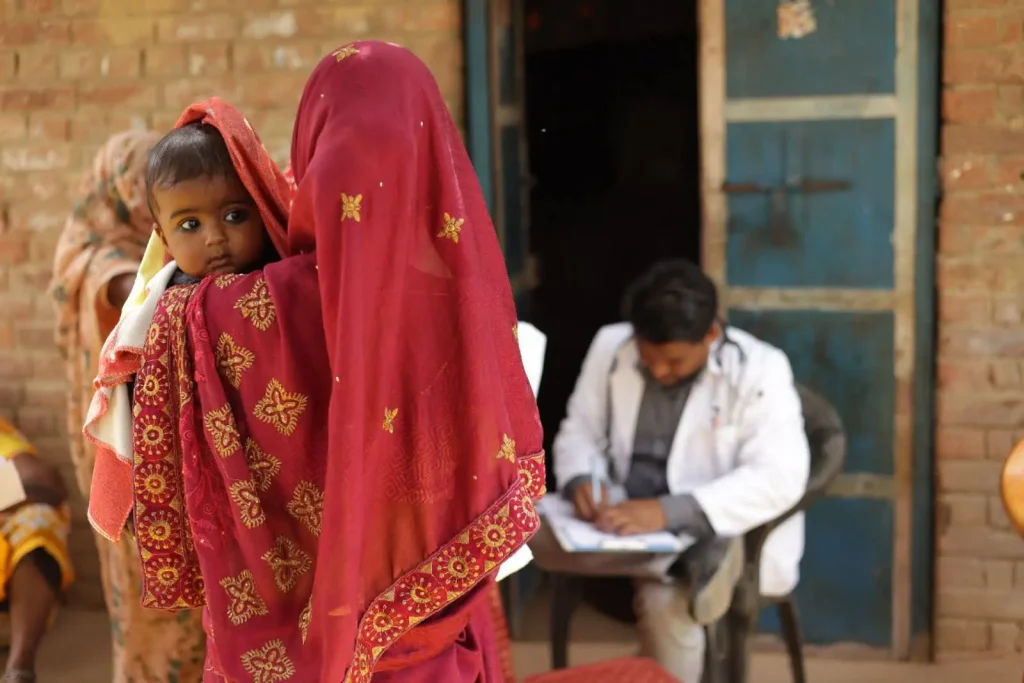
An often-overlooked dimension of STEM participation is health stability. National data continues to show high anaemia prevalence among adolescent girls. Nutrition deficits, mental health stress and limited access to preventive healthcare affect concentration and continuity in education.
Scientific aspiration cannot be isolated from well-being. Interruptions in schooling, whether due to illness or socio-economic pressures, disproportionately affect girls in marginalised communities.
Integrated approaches that combine education support with health interventions, including school-based health awareness and adolescent programmes, strengthen the foundation upon which STEM careers are later built.
Mentorship and Institutional Culture for STEM women
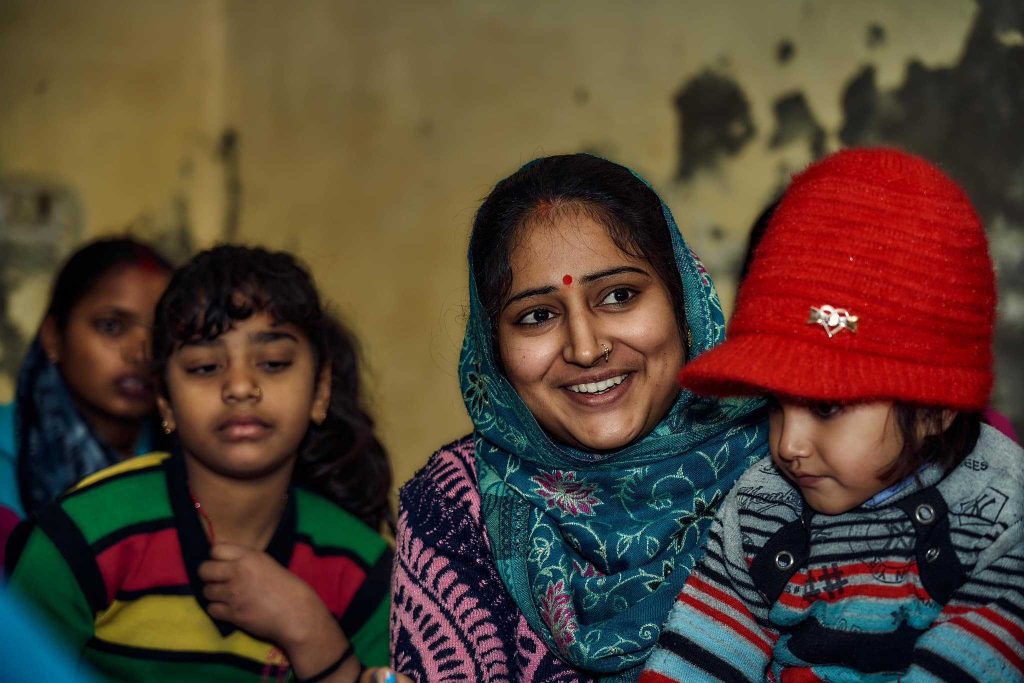
UNESCO emphasizes the importance of visible role models and mentorship networks. For Indian girls, exposure to women scientists who share linguistic, regional or socio-economic backgrounds can expand aspiration.
However, representation must extend beyond symbolic events for STEM women. Structured mentorship programmes, alumni networks linking diaspora scientists with Indian institutions and research internships for first-generation learners can institutionalize inspiration.
Institutional culture also requires scrutiny. Transparent promotion pathways, flexible work arrangements and gender-sensitive evaluation processes are not concessions; they are necessary correctives.
A Policy Continuum for STEM women
Advancing gender equality in STEM demands coherence across policy domains:
- Foundational school quality
- Safe mobility and accommodation
- Scholarship access
- Research funding equity
- Workplace culture reform
Fragmented interventions cannot produce sustained parity.
India’s demographic advantage and growing technological ambitions make this moment consequential. If STEM inclusion is treated as peripheral, structural imbalances will persist. If it is integrated into education, health and employment policy, the scientific ecosystem can expand meaningfully.
Beyond Celebration
The presence of Indian women scientists in global institutions is cause for recognition. But celebration alone cannot substitute for systemic strengthening.
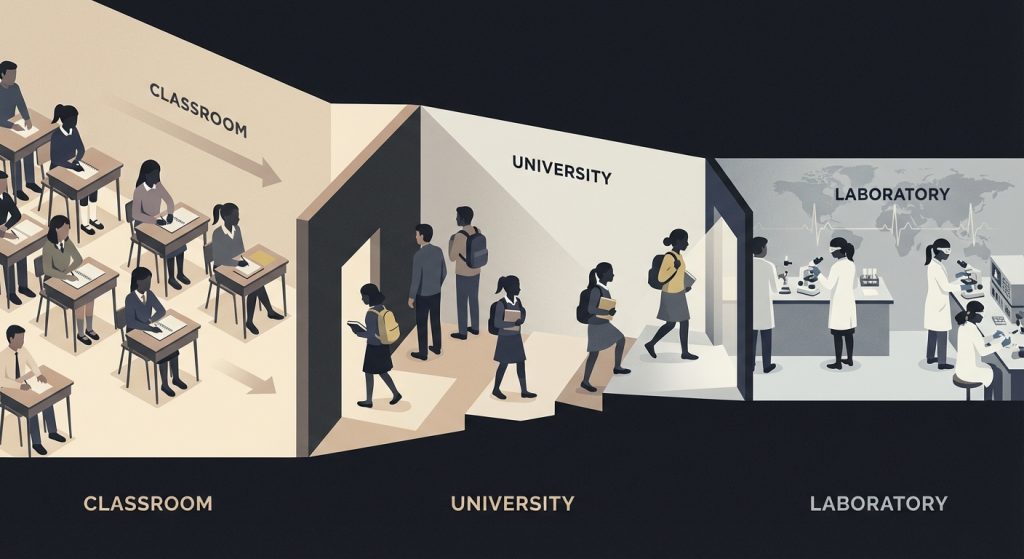
The distance between a rural classroom and an international laboratory is considerable. Bridging it requires investment at each stage — in foundational education, in health stability, in safe infrastructure and in inclusive institutional cultures.
Advancing gender equality in STEM is not solely about fairness. It is about national capacity.
Scientific excellence is not gendered. Opportunity often is.
Ensuring that opportunity is equitably distributed remains one of India’s most consequential policy tasks.