

India’s health conversation is decisively changing. For decades, policy and philanthropy have focused on access: building hospitals, expanding insurance, increasing doctor counts, delivering medicines. These efforts have mattered. However, the most pressing health challenges India faces today—chronic disease, ageing, mental distress, disability, maternal and adolescent health—cannot be solved by clinical care alone. They require something more diffuse, more continuous and more human: care.
A recent Primus Partners report estimates that India’s care economy could grow into a USD 300 billion sector and generate over 60 million jobs by 2030. This includes childcare, eldercare, disability support, rehabilitation, mental health services, wellness, palliative care, and long-term community health support. What the report captures, beyond the headline numbers, is a structural shift already underway. Health delivery is moving out of hospitals and into homes, schools, workplaces and communities. Care, not treatment, is becoming the first mile of health.
This shift has profound implications for how India thinks about health systems, livelihoods, gender equity and social infrastructure. It also reframes the role of organisations working at the grassroots, including Smile Foundation, whose health programmes have long operated in precisely these spaces where care is lived rather than prescribed.
Why India’s health future depends on care
India is undergoing three simultaneous transitions. The first is demographic. By 2031, over 100 million Indians will be above the age of 70. The second is epidemiological. Non-communicable diseases such as diabetes, hypertension, respiratory illness and mental health conditions now account for a majority of the disease burden. The third is social. Urbanisation, migration and the breakdown of extended family structures are reducing the availability of informal care within households.
Together, these shifts are stretching a hospital-centric health system beyond its limits. Clinics can diagnose and treat, but they cannot ensure medication adherence, nutritional recovery, mobility, emotional support or dignity in ageing. These functions fall to caregivers, often women, who operate invisibly, informally and without recognition.
The Primus Partners report identifies 13 care personas across skill levels, from community health aides and elder sitters to rehabilitation assistants, counsellors and palliative care workers. What is striking is not the novelty of these roles, but how long they have existed without being named, skilled, or valued. India’s care economy already employs an estimated 36 million people, most of them women, most of them informal, and most of them poorly paid.
Recognising care as economic infrastructure rather than welfare expenditure is therefore not only a moral imperative, but a pragmatic one. Care work is labour-intensive, locally delivered, resilient to automation and deeply linked to health outcomes. Investing in it addresses unemployment, gender inequity and healthcare access simultaneously.
From episodic care to continuous support
Public health experts increasingly argue that the success of health systems will be measured not by the number of hospital beds, but by how well people live between medical visits. This is where care becomes decisive.
Consider anaemia among adolescent girls. Clinical guidelines emphasise iron supplementation, but evidence shows that compliance remains low without counselling, follow-up, nutrition education and family engagement. Or consider diabetes. A prescription is only effective if accompanied by dietary changes, monitoring, physical activity and emotional support. In mental health, the gap is even starker. India’s shortage of psychiatrists cannot be solved without trained community-level counsellors and peer support systems.
Care fills these gaps. It operates through trust, proximity and continuity. It requires skills that are not always clinical, but are no less specialised: listening, observation, counselling, behaviour change communication and cultural sensitivity.
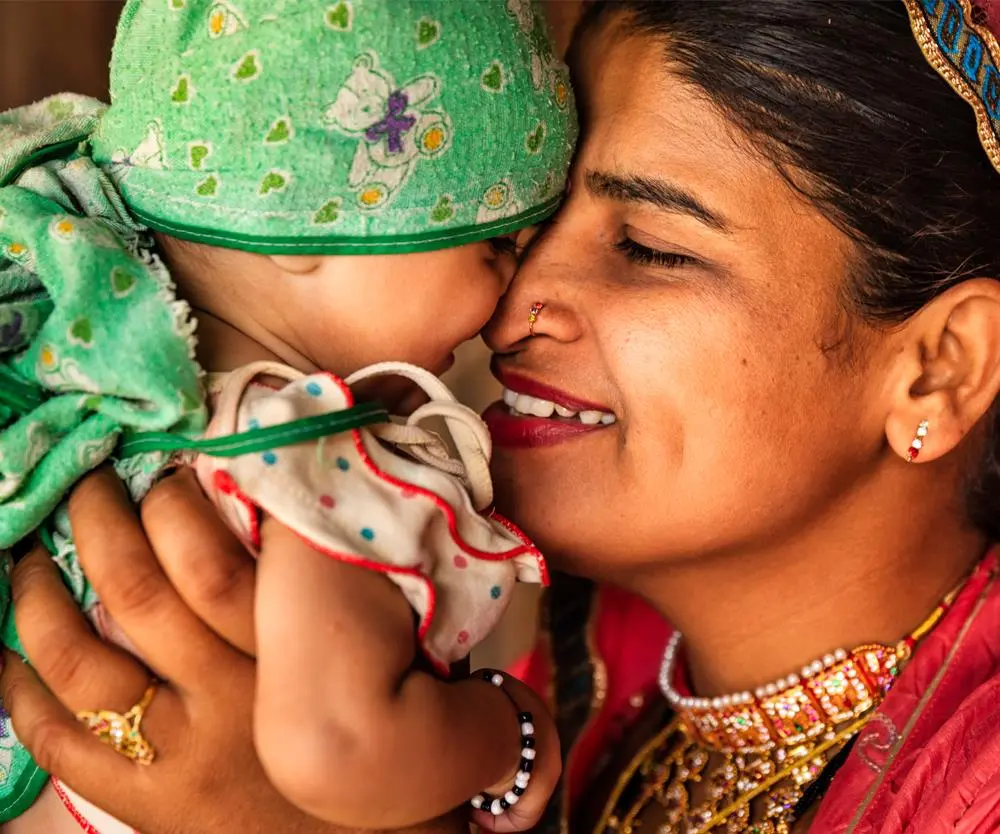
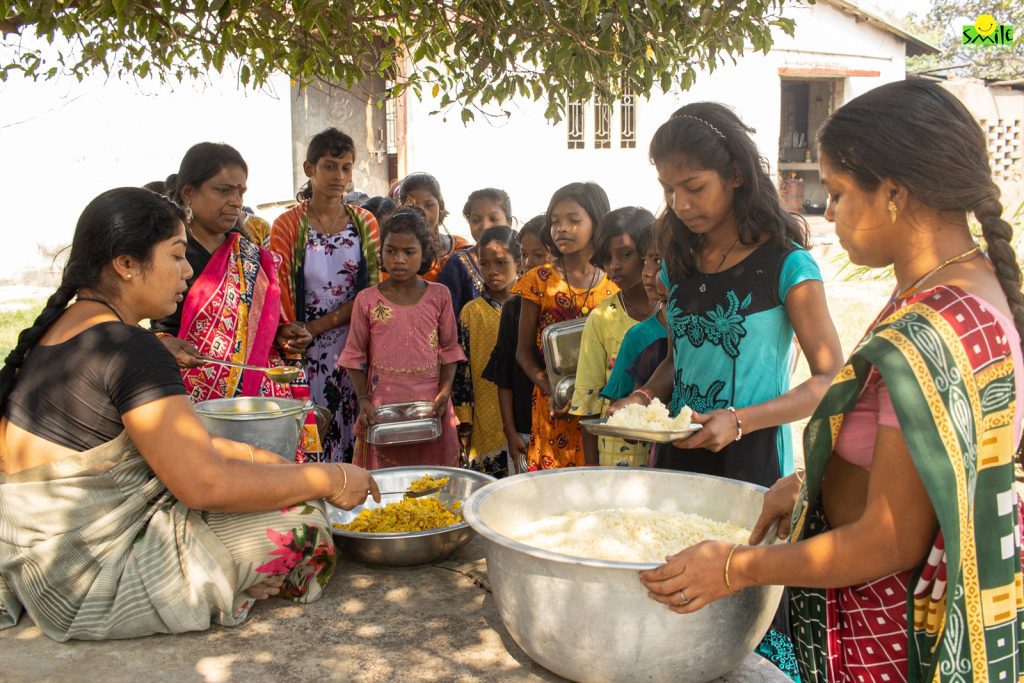
Smile Foundation’s health programmes have, in practice, been delivering this form of care for years. Mobile healthcare units under Smile on Wheels do not merely provide diagnostics; they create follow-up pathways for patients who would otherwise fall out of the system. Community health workers and programme staff spend time explaining conditions, counselling families and ensuring that treatment is understood and sustained. Nutrition interventions combine supplementation with behaviour change communication. Women’s health initiatives integrate menstrual health, anaemia prevention and adolescent counselling rather than treating them as isolated issues.
Care as a source of dignified livelihoods
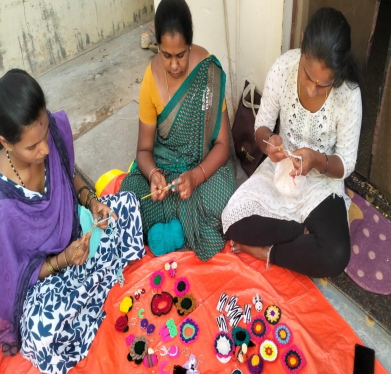
The care economy is also a jobs story, and a deeply gendered one. Women form the backbone of care work in India, both paid and unpaid. Yet this labour remains undervalued, informal and often invisible in economic planning.
Formalising care roles through skilling, certification, and career pathways has the potential to transform this landscape. As Prof. Sanjay Zodpey of the Public Health Foundation of India has argued, care delivery is increasingly shifting from hospitals to homes. Without a trained care workforce, health outcomes will stagnate even as costs rise.
Smile Foundation’s approach to health and livelihoods sits at this intersection. Through its skill development programmes, the organisation has begun to recognise health-adjacent roles as viable livelihood pathways. Community health facilitators, outreach workers, nutrition educators and health aides acquire skills that are transferable across programmes and geographies. When combined with certification frameworks and partnerships with public systems, these roles can evolve into formal employment within the care economy.
This matters not only for employment numbers, but for dignity. Care work, when recognised and fairly compensated, allows workers to move out of precarity and into stable livelihoods while performing socially essential labour.
Technology, but not without touch
Digital health has expanded rapidly in India, from telemedicine platforms to health apps and AI-driven diagnostics. These tools are necessary, but insufficient. Technology can extend reach, but it cannot replace trust.
The future of care lies in hybrid models where technology supports human care rather than displacing it. Digital records can improve continuity. Teleconsultations can reduce travel burdens. Decision-support tools can enhance frontline worker capacity. But the work of persuasion, reassurance, follow-up and empathy remains human.
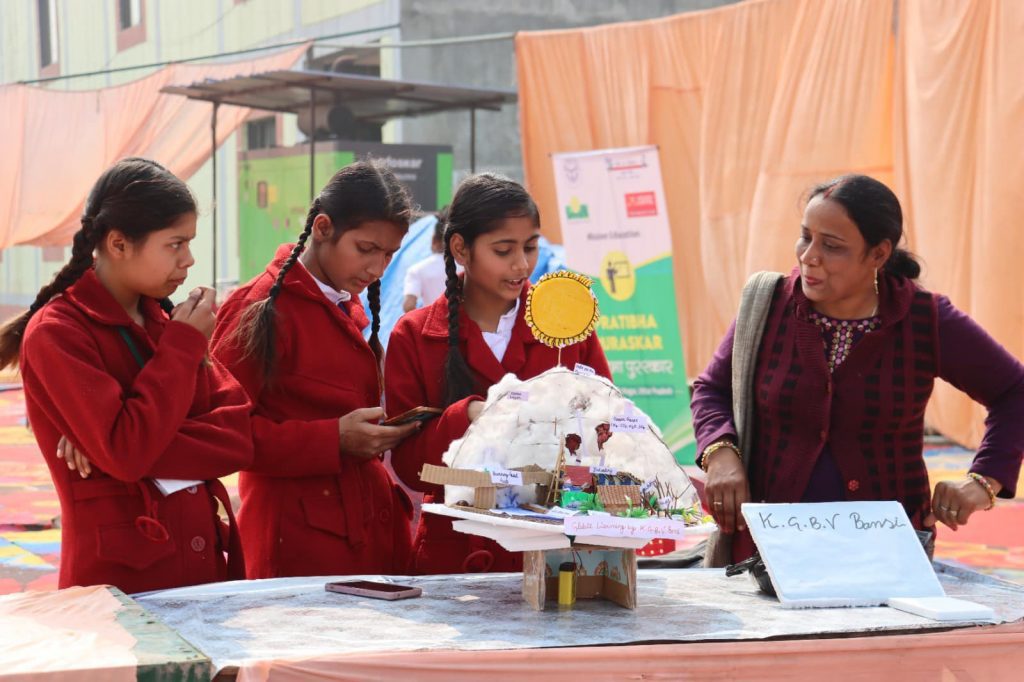
Smile Foundation’s programmes illustrate this balance. Technology is used to improve efficiency and monitoring, but delivery remains anchored in physical presence. Mobile units reach remote areas. Community workers engage households. Schools and Anganwadi centres become sites of health education and screening. This integration of tech and touch is likely to define effective care models in the coming decade.
India’s health, care and social protection
One of the most important insights from the care economy discourse is that health outcomes are inseparable from social protection. Illness pushes households into poverty not only through medical costs, but through lost income and unpaid caregiving burdens.
A care-centric health strategy must therefore align with social protection systems. Insurance schemes, nutrition programmes, disability support and elder pensions need to be designed with care delivery in mind. Community-based organisations play a critical role in translating policy into practice, identifying gaps and ensuring last-mile delivery.
Smile Foundation’s work across health, nutrition, education, and women’s empowerment positions it uniquely within this ecosystem. Health interventions are linked to livelihoods, education and gender equity rather than treated in isolation. This integrated approach reflects an understanding that care is not a sector, but a system.
A forward-looking agenda for 2030
If India is to realise the promise of its care economy, several shifts are required.
First, care must be embedded into health planning, not treated as an informal supplement. This means investing in community-level care roles, standardising training and integrating them into public health systems.
Second, care workers must be recognised as skilled professionals. Certification, fair wages and social security are essential not only for worker welfare, but for service quality.
Third, data systems must capture care. What is not measured is not valued. Tracking care delivery, outcomes and workforce participation is critical for policy design.
Finally, care must be seen as a shared responsibility. Governments, private sector actors, civil society and families all have roles to play.
Smile Foundation’s health programme, viewed through this lens, is not merely a service delivery model. It is an early expression of what a care-centred health system could look like in India. One that values proximity over prestige, continuity over episodic intervention and people over infrastructure alone.
As India looks towards 2030, the question is no longer whether we can afford to invest in care. It is whether we can afford not to.