Let’s start with the facts.
- 244 million children and youth between the ages 6 and 18 years are not in school today and many marginalised children face barriers to learning even when they are in school.
- An estimated 291.2 million children and adolescents globally live with a disability and approximately 95 per cent of these young people live in low- and middle-income countries.
- Nearly half of the total children enrolled in schools in tribal areas (48.2 per cent) drop out even before they complete Class 8, according to the Tribal Development Report, 2022.
Despite advances in education, these facts are stark reminders of ongoing challenges. It’s crucial to maximise a child’s early years by actively supporting their development in every way. Providing early childhood care and education (ECCE) directly boosts various aspects of their growth. India must strengthen its early childhood care and education system to ensure all children and youth: from poor households, rural and remote communities, persons with disabilities, and ethnic and linguistic minorities, to other marginalised or vulnerable groups, can access early childhood care and education.
The Foundation for Future Success: Inclusive Early Childhood Care
Countries that make early childhood development a priority have seen real long-term results. The West’s advantage in education and the economy is largely the result of years of investing in its youngest children. India is now recognising this and has begun moving towards improved Early Childhood Care and Education (ECCE) systems, understanding that support provided at a young age greatly influences a child’s future learning and employment outcomes.
Where the System Falls Short
Inclusion is complex, as it means catering to every child and not just those who are easy to serve. Mainstream systems frequently overlook inclusion. Many early education settings still struggle with shortages of qualified teachers, engaging resources, proper facilities and inclusive approaches. Children’s ability to focus and grow is often compromised by poor nutrition. Some parents may not know about nurturing methods or might feel left out of important choices. Irregular funding continues to restrict both the reach and effectiveness of programmes.
The Reality for Tribal and Indigenous Children
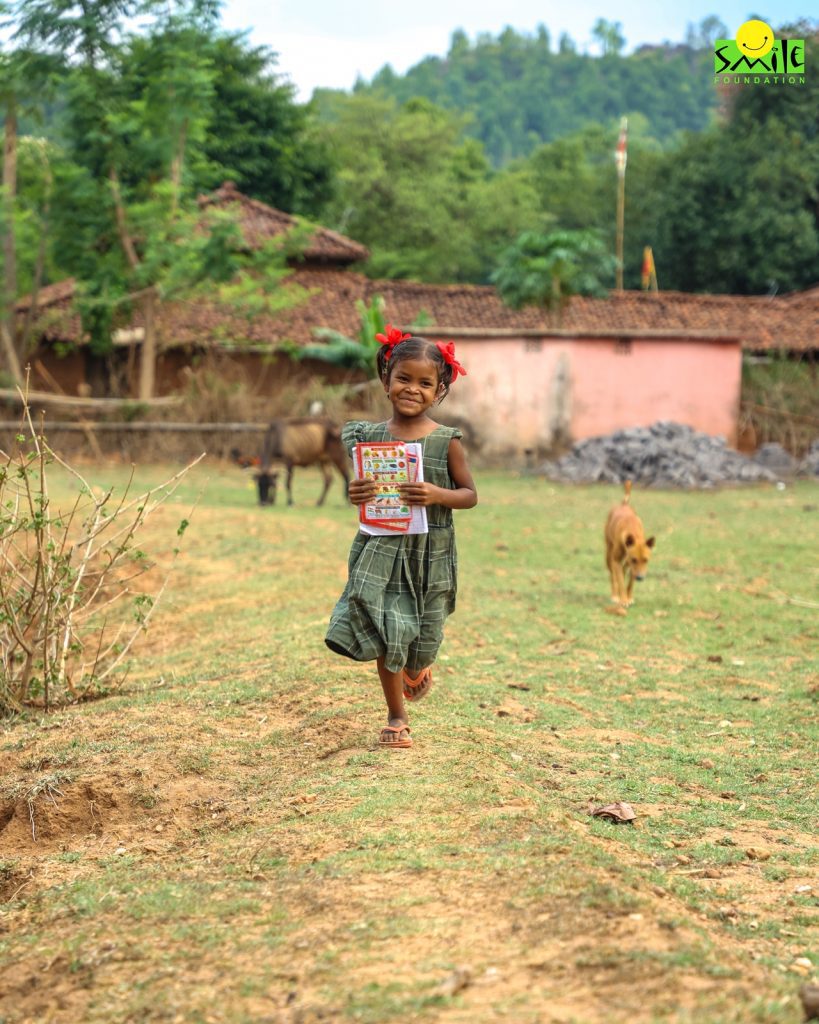
Traditional schooling often fails tribal children. Factors like distance, unsuitable language of instruction, cultural disconnect and financial pressures push many out of education. When lessons feel irrelevant or alienating, children disconnect.
Alternative models that respect culture and context have begun to change this narrative. Eklavya Model Residential Schools provide safe environments where tribal culture works alongside mainstream academics. Schools like Vidya Vanam in Tamil Nadu use bilingual, activity-based approaches, easing transitions without erasing identity. Community-led initiatives integrate traditional knowledge, forest conservation, herbal practices and vocational skills, offering learning that feels meaningful and empowering.
More to Inclusive Early Childhood Care
Children with disabilities often face classrooms that are not equipped for their needs, along with staff who lack adequate training to support them, and, to make matters worse, stigma from their peers. Similarly, children from minority backgrounds or those who frequently relocate often struggle with language barriers and prejudice. Additionally, young girls may be burdened with household chores, forced into early marriage or left to worry about their personal safety. Families living in poverty or with low incomes are often preoccupied with meeting basic needs and may find it difficult to access quality education.
What we need to do is ensure that early childhood care and education can reach everyone – that means having flexible learning plans that consider different abilities, and making sure the teachers are properly trained to handle whatever unique challenges might come up. We also need classrooms that are accessible to everyone and learning plans that fit in with the child’s cultural background or learning capacity. Moreover, family support systems are a must.
Skill Building Early On
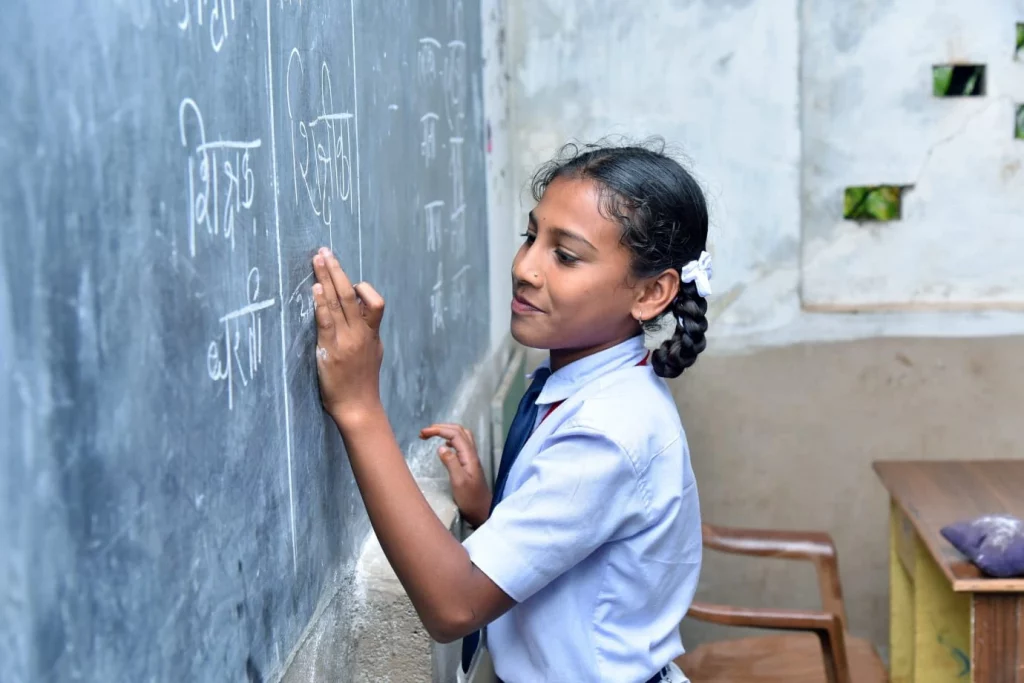
Early childhood education needs to focus on giving children the skills they’ll need to thrive in the world as it is now. Learning that’s about developing real-world skills helps give kids the confidence to take on tough problems and figure out solutions for themselves. And we can learn a thing or two from some of the tribal education models that teach skills like weaving, farming, pottery, carpentry and digital literacy. These demonstrate that traditional knowledge works hand in hand with modern ways.
What Truly Inclusive ECCE Can Deliver
- A much stronger foundation for children’s learning and thinking.
- Children who are better equipped to handle life’s challenges.
- Improved overall social, emotional and physical health, which is one of the most valuable outcomes.
- Students who perform better academically and attain higher qualifications.
- A significant reduction in the gap between the privileged and the underprivileged.
- Stronger, safer and more connected communities.
- A more productive and thriving national economy.
India has shown its commitment to Inclusive Early Childhood Care for children and youth with disabilities through numerous national policies and initiatives since 1974. To ensure that India’s ECCE becomes genuinely inclusive and successful, it must draw lessons from global and regional programmes and foster close collaboration with all stakeholders for effective implementation and outcomes. Let’s not leave any child behind. Let every child walk into school ready to learn, feeling good about themselves and being in a good frame of mind.
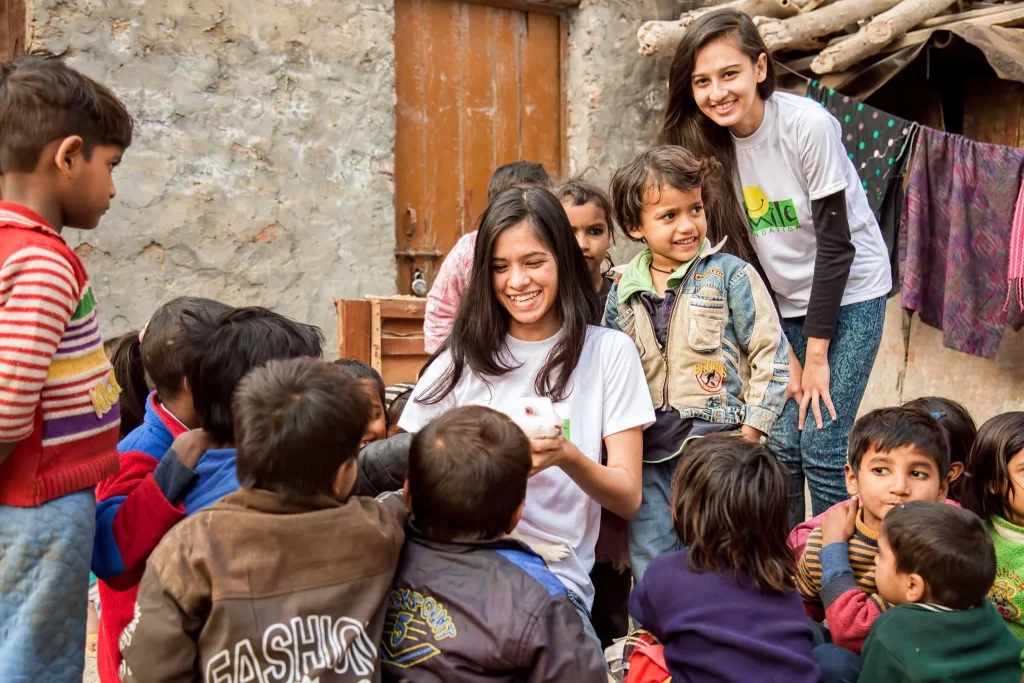
Smile Foundation’s Mission Education (ME) programme brings extensive benefits that extend to individuals, communities, and societies. By prioritising the well-being and development of young children, we lay the groundwork for a brighter future characterised by enhanced human capital, reduced inequalities and sustainable growth.