

For centuries, Indian society has struggled with a deep-seated preference for sons. This preference is so entrenched that it continues to shape familial decisions and social practices of different cultures, and in turn, the country’s demographic patterns. To ask if India is still fearful of girl children is not to suggest that Indians literally fear daughters, but rather to ask whether the idea of raising a girl continues to evoke anxiety, social burden as well as economic apprehension.
The most evident reflection of this fear and its consequences lies in the imbalance between the number of boys and girls born. The Pew Research Center has estimated that between 2000 and 2019, about nine million girls went ‘missing’ in India, a result of sex-selective abortion and the undervaluing of daughters within families.
Despite policy reforms and visible progress in education and healthcare, the persistence of gender bias and subtle discrimination shows that India’s ‘fear’ of the girl child, though transformed, has not been eradicated.
The cycle of Inequality
While India’s overall sex ratio at birth has begun to normalise over the past decade, many states continue to record skewed ratios, revealing this pervasive preference for sons. The Economic Times reported in 2024 that Delhi’s sex ratio had fallen to 920 girls per 1,000 boys, a decline that signals how cultural bias persists despite economic growth and modernisation in the country.
Beyond these statistics, the discrimination continues in the survival and upbringing of girls in the country. The birth of a daughter, in many families, still triggers worry about dowry, safety and marriage. UNICEF has highlighted that India remains one of the major countries in the world where more girls die than boys. This brings to the fore the neglect girls have to endure in terms of nutrition, education, healthcare as well as social investment. Even when girls survive infancy, their early years are often shaped by structural disadvantages. This is further exacerbated when girls have to take up care work.
A Time Use Survey conducted in 2019, later analysed by UNICEF, revealed that girls spend more than twice as much time as boys on unpaid domestic chores—roughly two hours each day—that could otherwise be used for study or recreation. This burden of household responsibility not only limits their educational development but also reinforces the notion that girls exist primarily for service and care. This discrimination is subtler, often unrealised by girls themselves, but equally damaging, as it perpetuates cycles of inequality and dependence for years to come.
Awareness: A Requisite
Even though these issues are still persistent, things have been changing substantially. In the past decade, there have been important improvements in both policy and public awareness. The United Nations Inter-agency Group for Child Mortality Estimation reported that the gender gap in survival among young children in India declined fourfold in just five years, showing that targeted interventions can save lives and shift cultural attitudes. Government initiatives such as ‘Beti Bachao, Beti Padhao’ have raised awareness about gender inequality, owing to which more girls have been enrolling in school and entering professional fields. These changes suggest that overt rejection of the girl child is definitely receding.
Yet, a deeper analysis shows that progress remains fragile. The root causes of son preference are intertwined with India’s social, cultural and economic structures. In the country, sons are traditionally seen as the bearers of family lineage, providers of old-age security and most importantly, inheritors of property. Daughters, on the other hand, are viewed as economic liabilities who will eventually “belong” to another family through marriage. The institution of dowry intensifies this view, making the birth of a girl a matter of financial anxiety. To this day, women are considered secondary or external to their natal families, often referred to as ‘paraya dhan’. This leads to a quiet denial of opportunities, particularly in families that are relatively disadvantaged.
Towards a Balancing Act for Girl Children
Going forward, India’s challenge is no longer only about ensuring that more and more girls are born and they survive but it is about ensuring that they are allowed to thrive. The symbolic celebration of daughters in advertisements and campaigns often hides the slower, more complex struggle for everyday equality. Even policies such as ‘Beti Bachao, Beti Padhao’ have been criticised for their focus on symbolism over substance, with audits often revealing gross mismanagement and underuse of funds.
Ultimately, the issue of gender disparity is a reflection of patriarchy’s endurance. The anxiety around daughters stems from a social system that makes them vulnerable and undervalued in the larger scheme of systemic things. When families fear for the safety, marriage prospects, or financial burden of their daughters, they are essentially responding to larger societal and systemic structures rather than personal prejudice of any form.
The task ahead is not simply to change minds but to transform the systems that make daughters a liability. This can be ensured by strengthening equal inheritance laws, providing better old-age security and through campaigns that socially and economically promote a shared domestic responsibility are all necessary steps toward dismantling that fear.
Smile’s Work for Girl Children
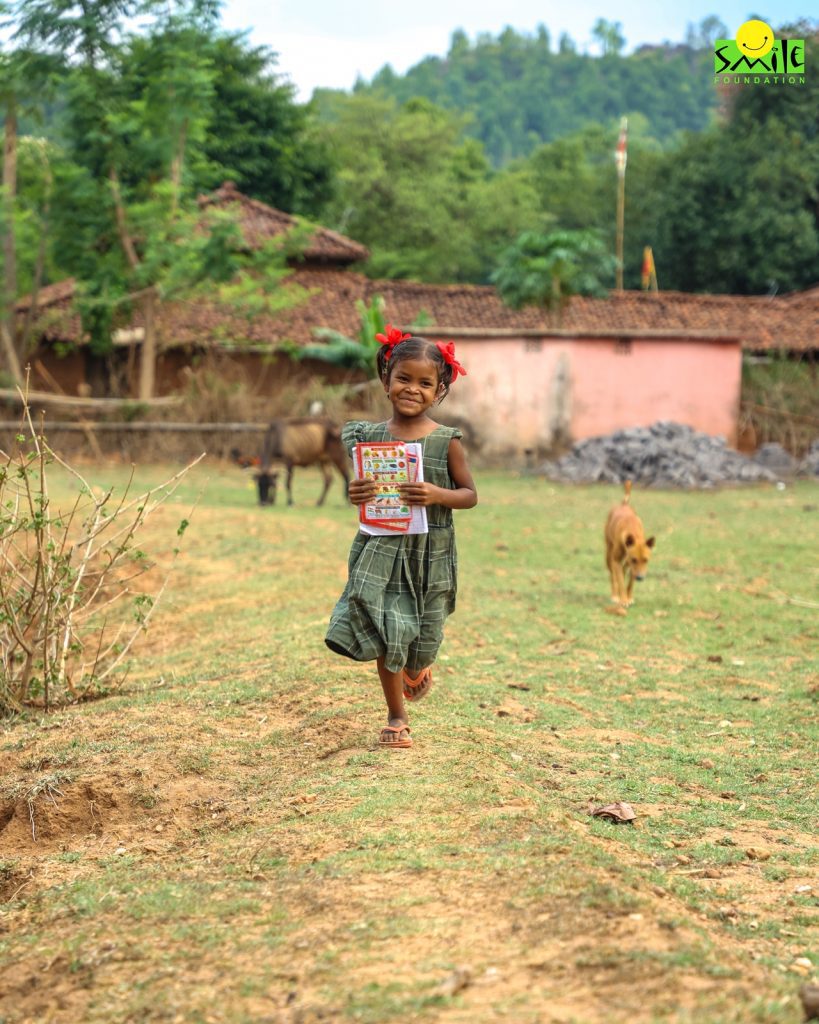
Amid these entrenched social anxieties, change often comes not from sweeping national campaigns but from slow, persistent work on the ground. In many communities, the first real challenge to long-held biases emerges when families encounter programmes that treat girls not as burdens or future brides, but as individuals whose health and aspirations matter in the present. This shift — subtle but powerful — is where the foundations of gender equality begin to take shape.
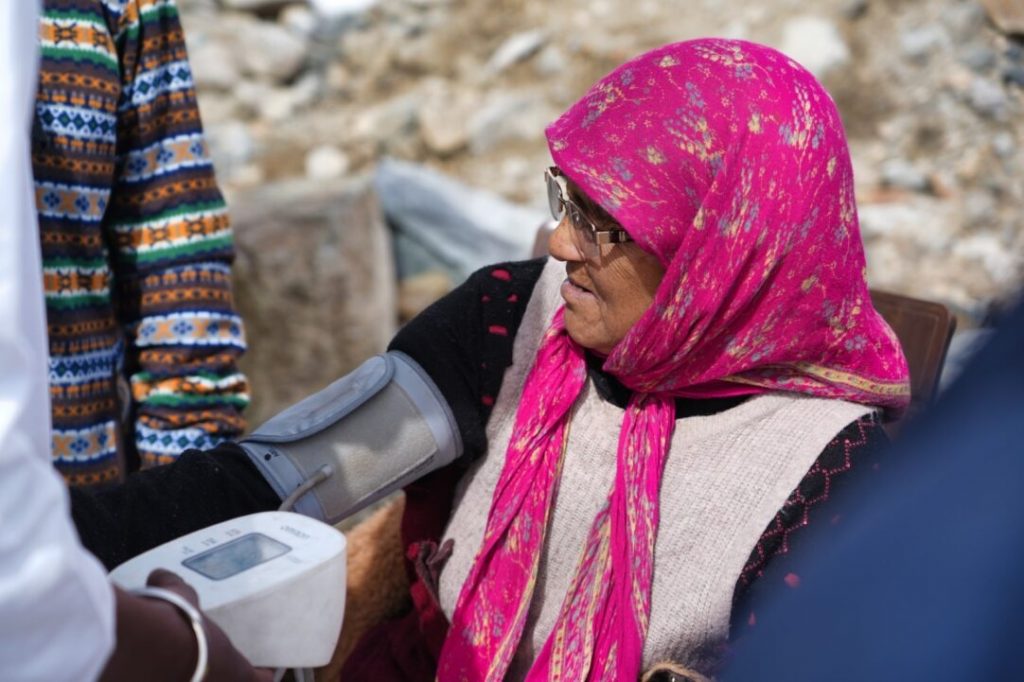
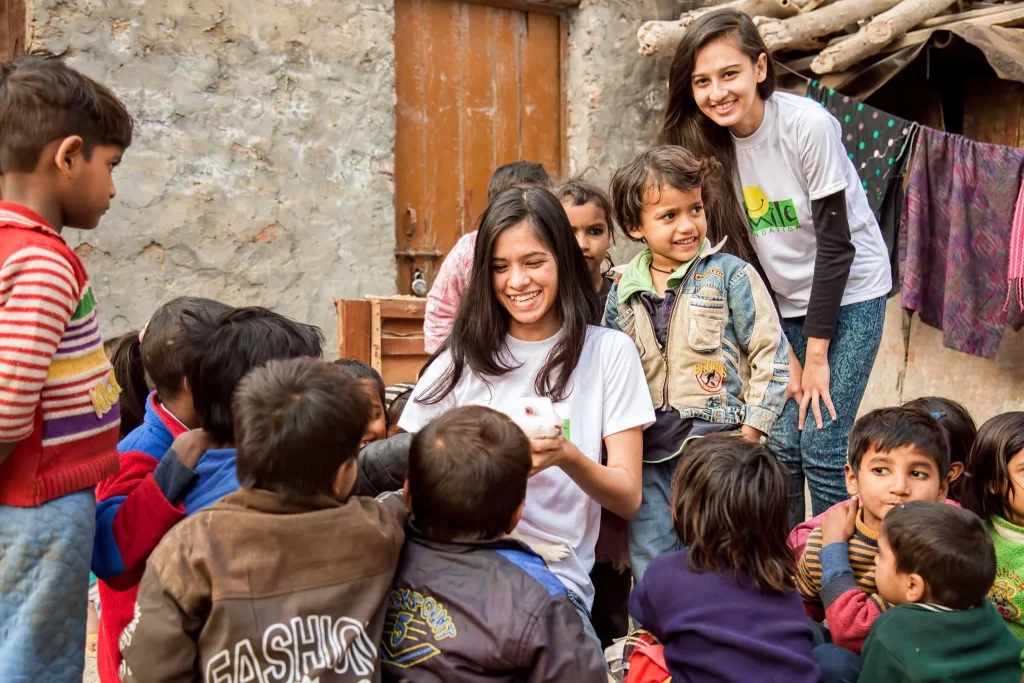
Smile Foundation’s Swabhiman programme is part of this quiet transformation. By working directly with mothers, fathers, adolescent girls and frontline health workers, it helps families understand nutrition, menstrual health and the rights of girls long before marriage or motherhood become part of the conversation. Mobile clinics, neighbourhood meetings, and home visits create spaces where girls’ wellbeing becomes a shared priority, not an afterthought. In households where daughters once ate last, the simple act of discussing anaemia or school attendance can start to loosen old assumptions.
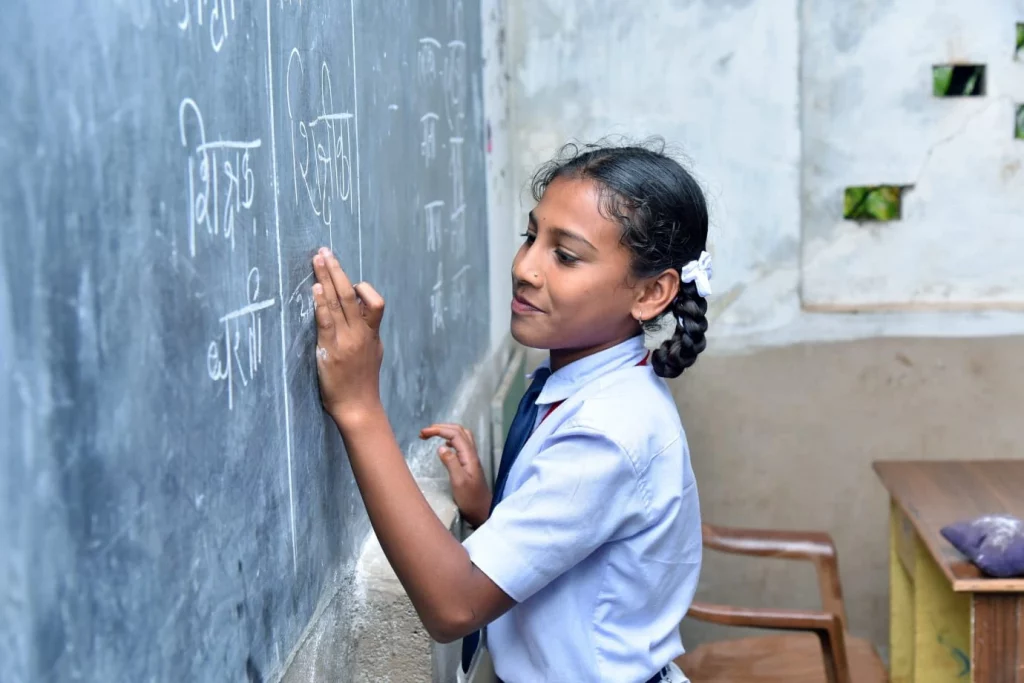
These community-level shifts matter because they create new expectations of what a girl’s life can look like. When girls are healthy, informed and supported, the fear that has historically surrounded their birth begins to fade. Families who see daughters thriving — in classrooms, in peer groups, in their own bodies — start to imagine different futures for them. It is slow work, quieter than policy proclamations, but it is the kind of change that endures.
In conclusion, while India has made visible strides toward gender equality, the lingering apprehension about raising a girl reveals that the journey is incomplete. The underlying attitudes that undervalue girls remain a sustained issue, and while India is not a country that universally disregards daughters, it is still a society that hesitates to celebrate them without reservation.