
When we talk about India’s ambition to become a developed nation by 2047, the conversation often focuses on infrastructure, innovation, manufacturing, digitalisation. All of these are vital. But one of the most essential but under‐appreciated fronts of national progress begins much earlier in the first 1000 days of a child’s life, from conception to their second birthday.
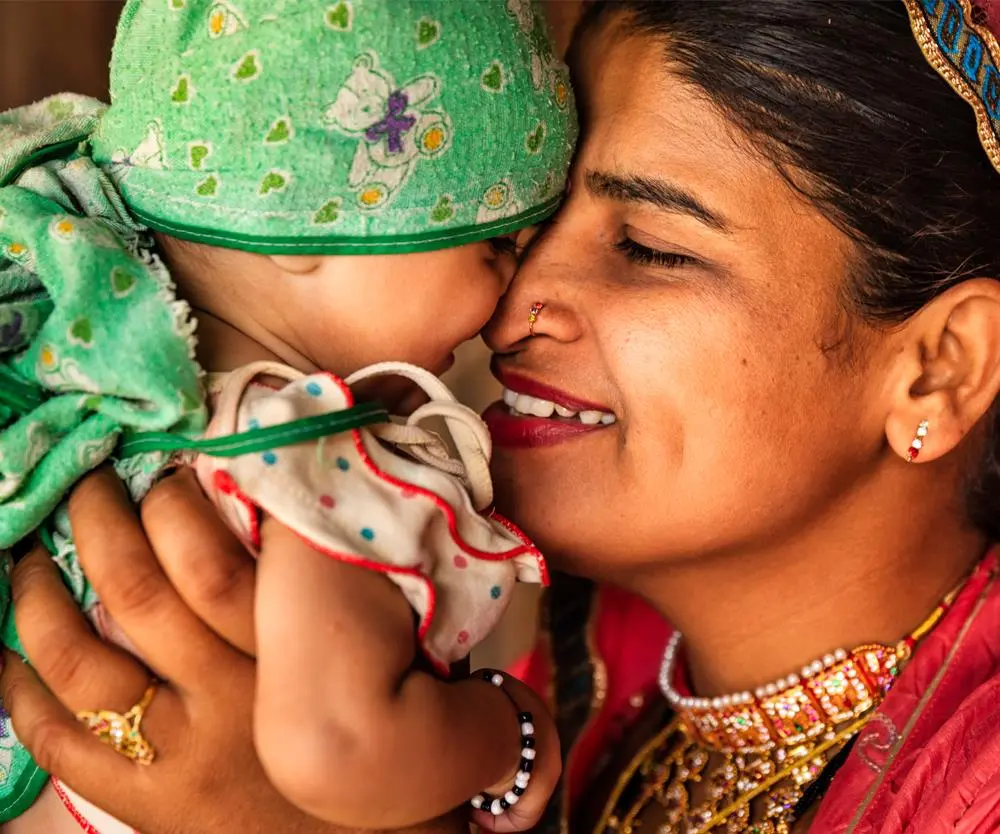
This window, brief as it is, holds the greatest potential for shaping a child’s brain, immune system, emotional resilience and ultimately, their capacity to learn, earn and thrive. Every $1 invested in nutrition brings a $23 return. In other words, the returns on early childhood nutrition are real, measurable and explosive.
The Science of the First 1000 Days
The biology is compelling. During pregnancy and the first two years of life, a child’s nutritional and care environment does more than simply determine whether they grow taller or get sick less often. It lays down the architecture of their brain, sets the foundation of their lifelong health and shapes their capacity to learn and adapt.
We now understand that more than 85 % of brain development occurs before age six and the pace of neural connection formation before the age of two is extraordinary. Good nutrition, responsive caregiving (talking, playing, engaging) and stimulation (hearing, seeing, touching) work together to build curiosity, memory, social skills and emotional regulation. Absent that, the risk is not just short‐term illness or stunting; it is long‐term deficits in learning, behaviour, health and even earnings potential.
In India, where the latest Global Hunger Index ranks us 102nd out of 123 countries, deemed a “serious hunger level”, nutrition still limits human potential. Malnutrition implies missing vital nutrients, weakened immune systems, more illness, less school attendance, less opportunity. It deepens inequality and locks large portions of the population into cycles of disadvantage.
Nutrition as Equity
What the first 1000 days also highlight is the power of nutrition as a driver of equity. If we ensure children start life with the right nutrition and care, we give them a fighting chance to begin school on level ground. But for many children in rural or marginalised communities, the disadvantage begins before birth: their mothers may have been undernourished, anaemic, under stress, without access to quality antenatal care. The result is small babies, stunted growth and delayed development.
India’s sprawling system of anganwadis under the Integrated Child Development Services (ICDS), and the corresponding Early Childhood Care & Education (ECCE) infrastructure is a lifeline for many. But when these centres face inadequate infrastructure, understaffing, poor resources, inconsistent food supply or weak integration with health and education, the promise falters. Without the right synergy of nutrition, health, early learning and caregiver support, children don’t get the balanced start they deserve.
We must therefore treat nutrition not as an isolated sector but as part of a broader ecosystem: health, early education, social protection, maternal care, sanitation. Feeding and learning are deeply interlinked. Children who are well‐fed but have no stimulation or caregivers who talk to them still risk falling behind. Conversely, children in enriched environments but without adequate nutrition are still vulnerable.
Joining the Dots: India’s Policy Shift
There are promising policy signals in India. The current Mission POSHAN 2.0 (formerly POSHAN Abhiyaan) explicitly links maternal nutrition, good health, early learning and child care. It recognises that malnutrition cannot be tackled in silos. For example, by integrating growth monitoring, community health outreach, nutritional supplementation and early learning elements, there is a clearer path to school readiness and improved life trajectories.
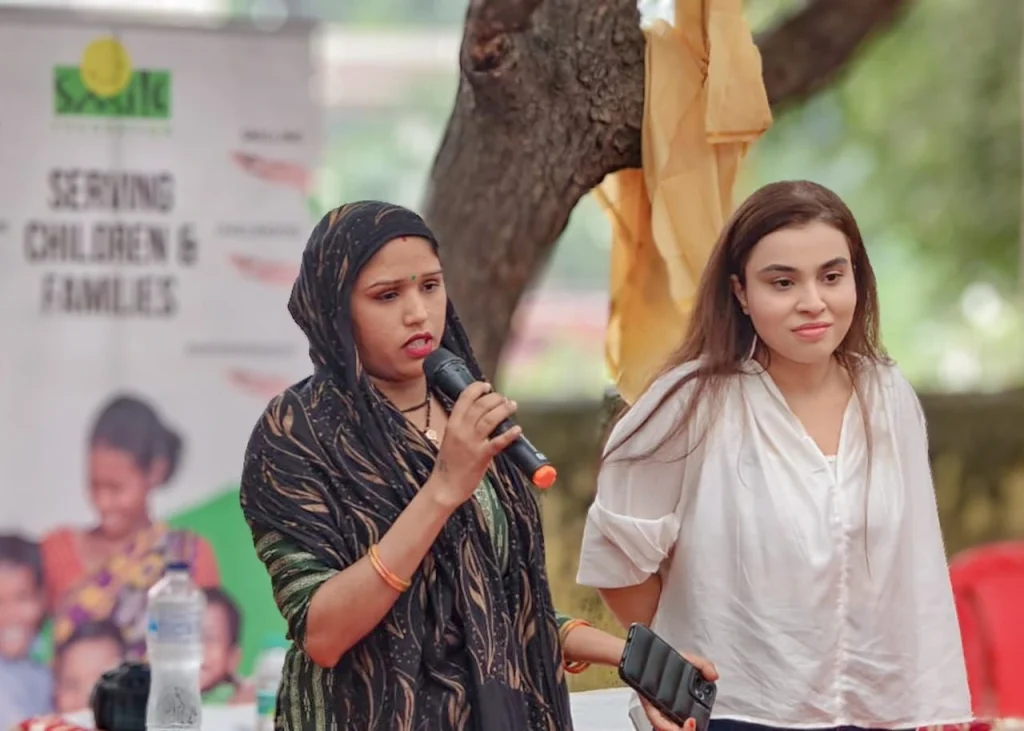
At the same time, institutions like ours through Mission Education programme bring on‐the‐ground interventions that combine nutrition, care and education, especially for out-of-school children and those in marginalised communities. These efforts help illustrate what is possible when actors across sectors align.
And in the education sphere, organisations such as the District Institutes of Education & Training (DIETs) are working to equip preschool and early-learning educators with the tools to provide inclusive, engaging settings. That matters because nutrition alone cannot deliver if children arrive at school malnourished or behind.
Blueprint for Early Childhood Success
If we accept that the first 1000 days are foundational to individual and national progress, what should a blueprint look like in India? Here are essential elements:
Prioritise investment from pregnancy through age two
Government budgets must earmark resources explicitly for the first 1000 days. This includes maternal nutrition, safe pregnancy care, immunisation, early childhood screening and growth monitoring. Disadvantaged families and marginalised children deserve first access.
Support caregivers and families
Nutrition is only part of the equation. Caregivers need paid parental leave, flexible work policies and environments supportive of exclusive breastfeeding and responsive care. Programme support should help parents and caregivers learn how to engage, talk and play with infants, not just feed them. On-the‐ground community programmes should empower caregivers with knowledge and tools to provide nurturing environments.
Integrate nutrition, health and early learning
Early Learning Centres (age 3–6) should not simply provide meals; they must become hubs of integrated nutrition + play + learning. Growth monitoring, immunisations, health check-ups and nutritional support must be linked to stimulation and responsive caregiving. Cross-sectoral coordination is vital — health, nutrition, education and social protection must work seamlessly together.
Quality, equity and data
The system must aim for consistent quality across states and districts. Robust monitoring using real-time data will track developmental milestones, service delivery and child outcomes. It is essential to identify gaps early and tailor responses. Targeting the most vulnerable with precision will help level the playing field.
Sustainable political backing and funding
Look to global exemplars: Denmark, for instance, has a comprehensive early childhood education and care (ECEC) system, backed by decades of bipartisan support and seeing consistently high quality. For India, this means building sustained political commitment, stable funding, and cross‐party consensus around early childhood development.
The Economic Case
Beyond child health and equity, the economic logic is compelling. When children develop optimally, they learn better, attend school more regularly, complete higher education, earn more and contribute productively to the economy. The multiplier is enormous. One often‐cited estimate suggests that every dollar invested in early childhood nutrition may yield a return many times over in health, education and productivity. The implication: for India, failing to invest in the first 1000 days is not just a human-rights issue; it is a strategic economic risk.
Challenges and the Urgency for Action
However, the path is neither straightforward nor guaranteed. India faces multiple challenges:
Infrastructure gaps: Many Anganwadis and early learning centres operate with sub‐optimal physical infrastructure, overcrowded classrooms, insufficient staff and limited linkages to health services.
Coordination limits: Nutrition, health, education and social protection are often run by different departments with weak linkages at the district and community levels.
Data weaknesses: Many states lack real‐time, high‐quality data on the first two years of life on growth trajectories, developmental delays, micronutrient deficiencies.
Equity hurdles: Children from marginalised communities, tribal areas, remote rural locations start with multiple disadvantages — undernutrition, lack of stimulation, poor health services — which deepen if early intervention is weak.
Sustainability of funding: Short-term programmes and donor‐led models need to transition into long‐term, government-embedded systems that span decades, not years.
Given these obstacles, the urgency for action cannot be overstated. Every moment lost is a missed opportunity — a brain network that did not fully form, an immune system left vulnerable, a child entering school already behind.
India’s 2047 Vision
For India to meet its 2047 vision, a renewed focus on early childhood is not optional; it is foundational. Policymakers must view the first 1,000 days as a strategic investment zone — one where dollars invested now yield lifelong returns for individuals, communities and the economy.
State governments must build integrated early childhood units that bring together health, nutrition, education and social protection under one platform at the district level. Ministries should adopt shared targets, joint budgets and coordinated delivery models.
Civil society organisations, philanthropic foundations and private sector partners need to scale up programmes that combine feeding, caregiving, stimulation and learning — especially in underserved regions. And research institutions must monitor and evaluate outcomes, bringing transparency and learning to what works.
Transformation begins in the First 1000 Days
In the final analysis, the first 1000 days represent both the simplest and the most complex window in human development. It’s simple because the logic is clear: feed well, nurture, stimulate and children thrive. It’s complex because it requires coordination across sectors, sustained political will, adequate resources, quality delivery and equity-driven targeting.
But for India, the payoff is huge. Healthier children today mean a stronger, more capable workforce tomorrow; more equitable childhoods mean a society where opportunity is not pre-determined by birth; better learning in early years means innovation, productivity and global competitiveness.
If we get this right, the children born today will not just inherit a country in transition — they will inherit a country transformed. And that transformation begins in the first 1000 days.