
If you grew up in northern India, chances are you’ve heard the saying Padhoge Likhoge Banoge Nawab (study hard and you’ll go far in life). It’s one of those timeless proverbs that families pass down, a reminder of how deeply education is valued in our culture. The phrase became even more popular after Asha Bhosale sang it in the 1958 film Malik. Back then, just a decade after independence, this wasn’t just a catchy line – it echoed a national belief that education ( a means for good employability) wasn’t just good for the individual, it was essential for building the future of the country.
In a newly sovereign India grappling with poverty, illiteracy, and social fragmentation, this proverb encapsulated a powerful aspiration. It signified hope for millions, who saw education as the primary vehicle for socioeconomic transformation. The imagery of the nawab as in the phrase was not literal but symbolic – it represented dignity, status and participation in the democratic promise of postcolonial India. The assumption was that an educated populace would serve as the vanguard of progress and modernity.
But today, that hopeful vision needs a closer look. Sure, more kids are in school than ever before, but just getting an education isn’t always enough. The big question now is: are we preparing young people for real jobs and real opportunities? For many, the link between schooling and a meaningful livelihood still feels weak. It’s time to rethink what we’re teaching, how we’re teaching it, and whether it’s truly setting students up for success.
Addressing the massive gap
Here’s the tough reality: in India today, getting a degree doesn’t always lead to a job. In fact, more education can sometimes mean fewer chances at employment. Sounds backwards, but the numbers say it all. According to Azim Premji University’s State of Working India 2023 report, nearly 43% of graduates under 25 are unemployed. That’s twice the rate of those who stopped at secondary school. Some states are seeing this gap even more sharply with Andhra Pradesh having more than 35% of graduates jobless in late 2022. Even more telling is that the graduates made up a whopping 73% of the state’s total unemployed. It’s a worrying sign that our education system isn’t connecting with the job market, and young people are paying the price.
You can really see this disconnect playing out in real life. In Uttar Pradesh, government job openings for low-skill roles, like messengers or railway porters, which need only a 5th or 10th-grade education recently saw hundreds of thousands of applicants. But the catch is many of them were postgraduates, MBAs, even PhDs. When highly educated people line up for jobs that don’t need those qualifications, it’s a clear sign that something’s broken. The deeper issue is whether our education system is preparing people for the kind of work that actually exists or not.
Recognising impediments in the process of employability
According to the Mercer-Mettl Graduate Skill Index 2025, only 42.6% of Indian graduates are considered employable, down from 44.3% in 2023. It’s a worrying trend that reflects a growing disconnect between education and what the job market actually needs.
A big part of the problem is the way many universities still operate. Rote learning and outdated syllabi leave little room for building relevant skills. Students rarely get to work with technologies that are reshaping the world of work like artificial intelligence, data analytics, cloud computing or cybersecurity. They earn degrees, but not necessarily the capabilities that help them thrive at work.
Practical experience is often missing too. Internships, live projects and apprenticeships are still not mainstream in higher education. This means graduates often step into the workforce without ever having worked in a real-world setting. On top of that, soft skills like communication, critical thinking and teamwork don’t get the attention they deserve.
The employability gap widens further when you consider regional disparities, gender gaps and the slow rate of job creation. For many young people, especially in underserved areas, it’s about access and opportunity.
To change this, we need much closer collaboration between industry and academia. Course design should involve employers. Students need hands-on learning built into their programmes. And soft skills training should be as essential as technical knowledge. We also need to explore new approaches that respond to fast-changing market needs and help young people build their own paths – whether that’s in jobs or entrepreneurship.
Building real world solutions for more employability in India
The growing gap between college degrees and job readiness can’t be ignored. While government-led skilling schemes and education reforms are an important part of the solution, they aren’t enough on their own. What’s needed is a more collaborative approach, one that brings in civil society, NGOs and community-based organisations that work directly with young people, especially those from underserved backgrounds.
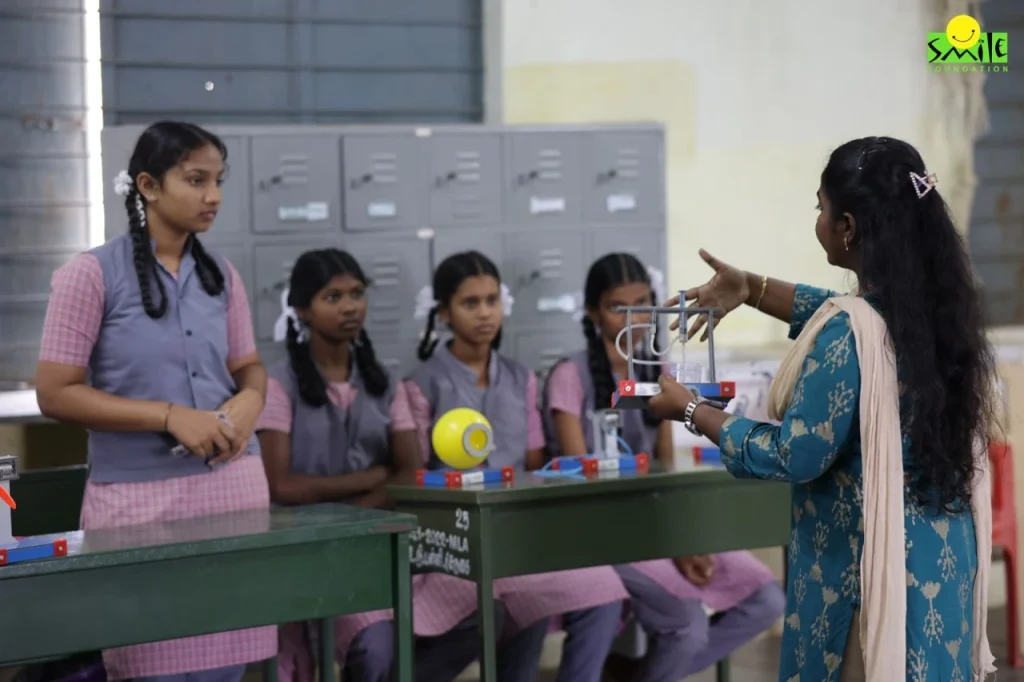
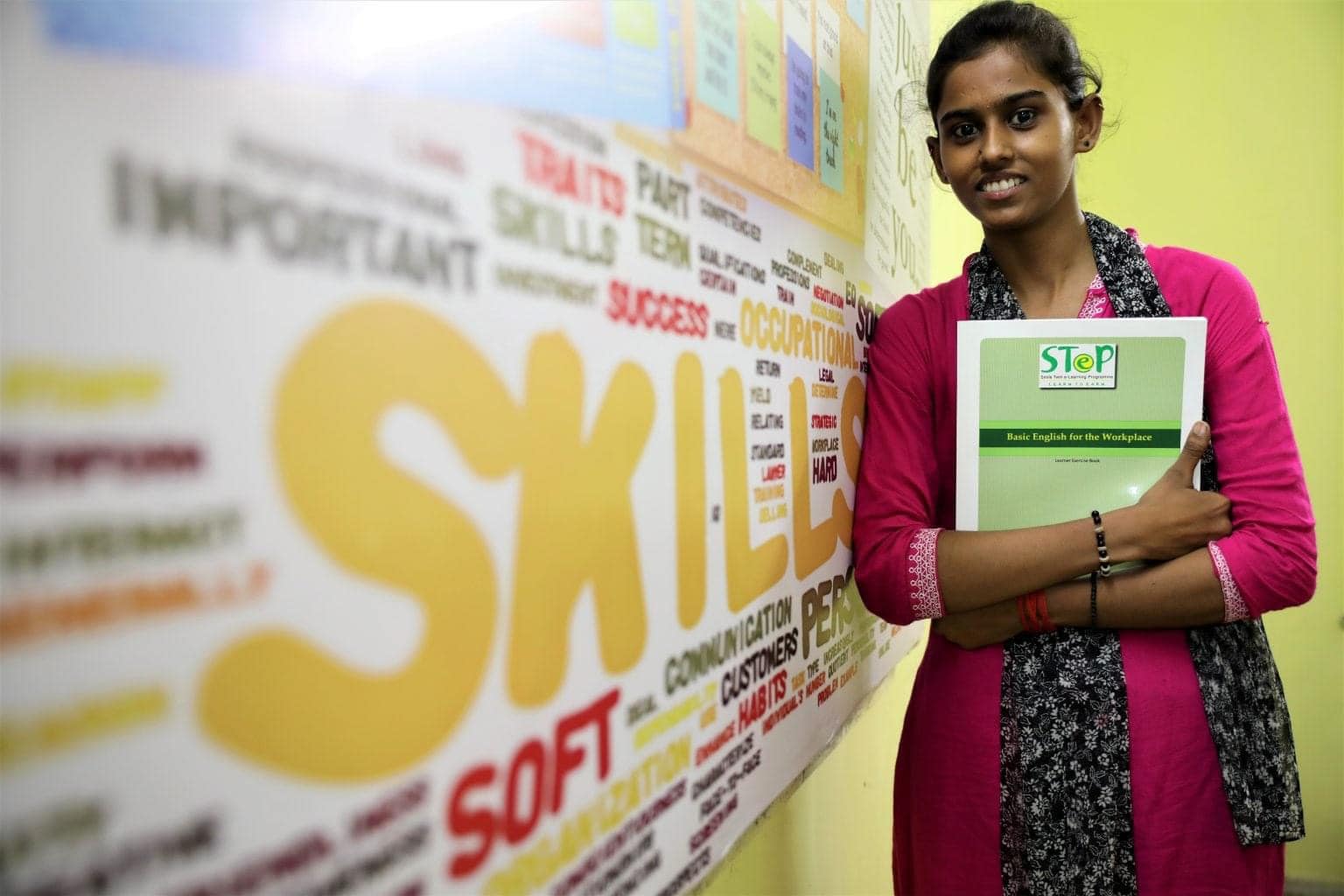
Take Smile Foundation’s STeP (Smile Twin e-Learning Programme), for example. It’s designed to equip young people with both the technical and soft skills they need to get into the workforce. Beyond training, STeP also offers career counselling to help participants make informed, realistic choices about their future.
Between 2023 and 2024, over 9,000 young people were trained through the STeP programme. Of these, 550 went on to secure jobs across a range of industries. We also conducted more than 800 career counselling sessions and organised multiple industry exposure visits, giving participants a real sense of what different workplaces are like.
Support doesn’t end once someone completes the training or gets placed. STeP offers continued guidance – from confidence-building and interview prep to post-placement support so that young people feel equipped to stay and grow in the jobs they land.
Initiatives like this show that employability is also about helping young people build aspirations, understand their options and connect to opportunities that often lie just out of reach.