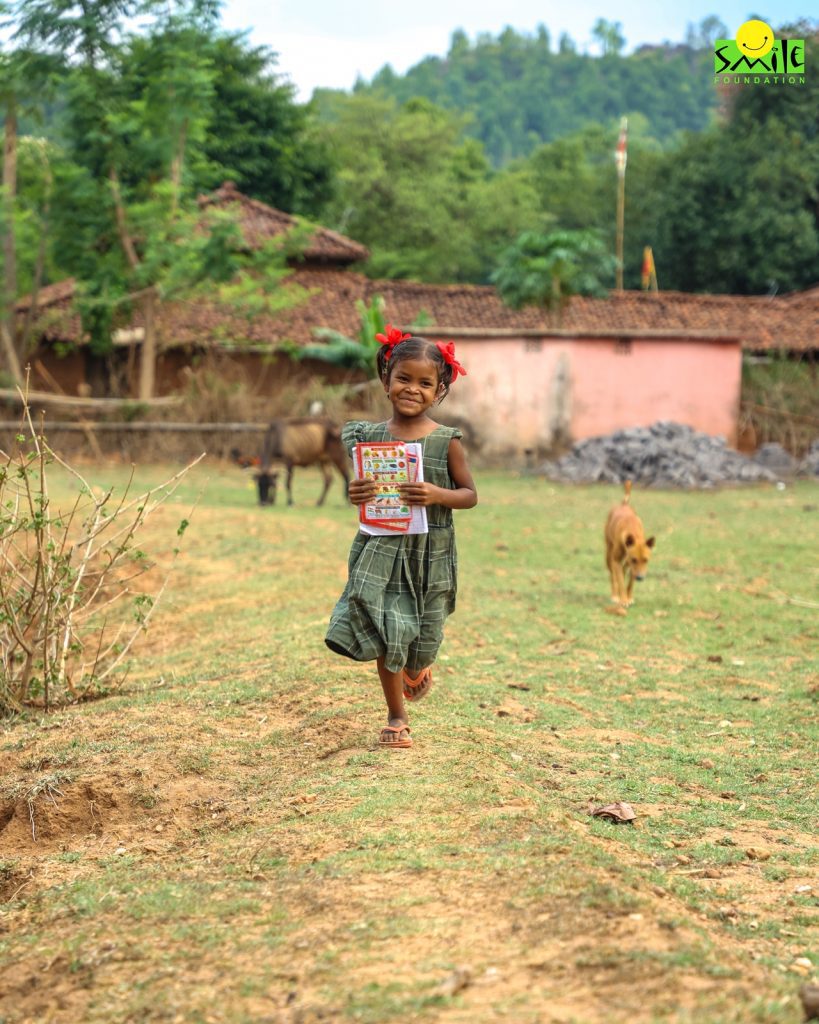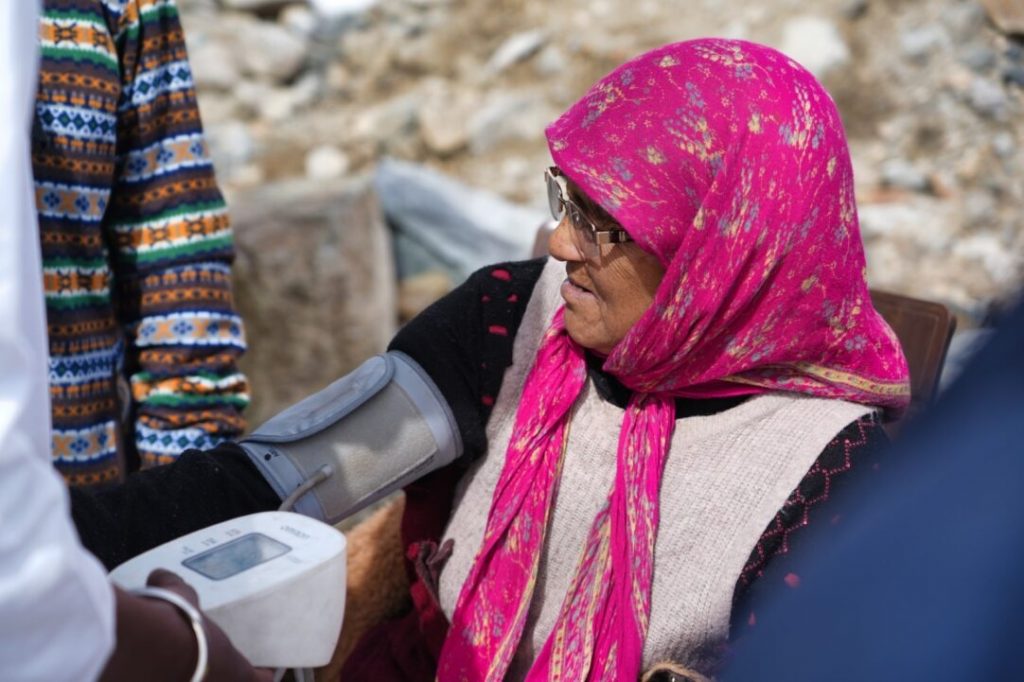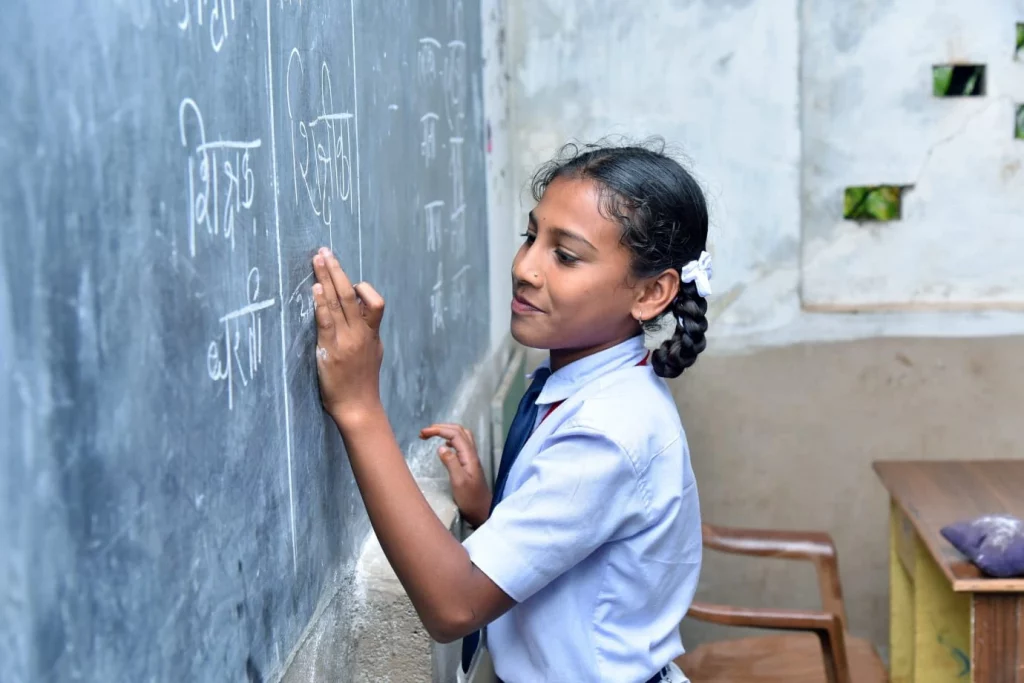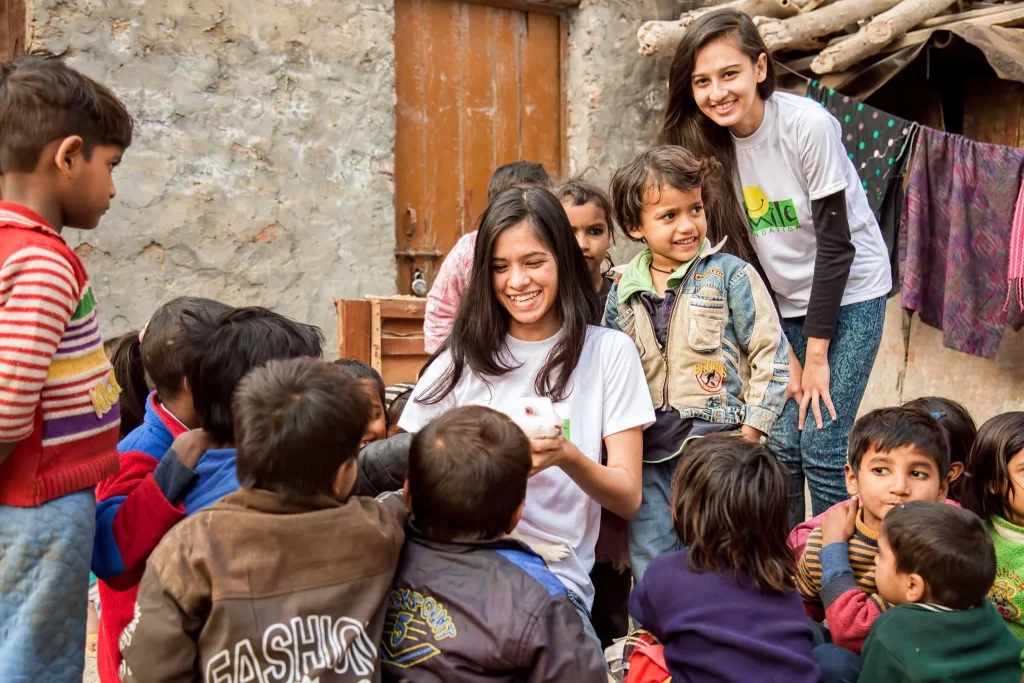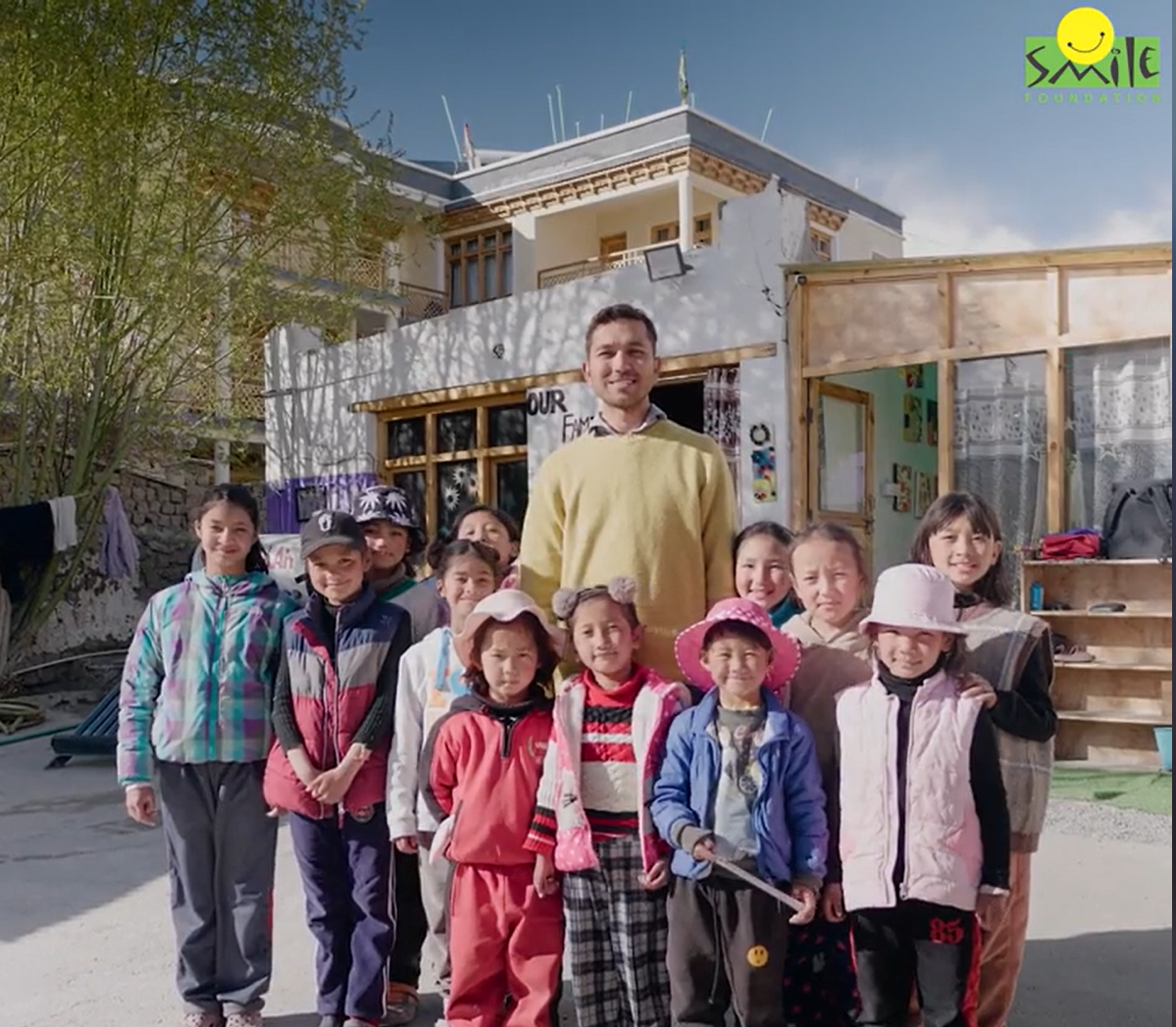

Far beyond the bustling metropolises of India, beyond the murmurs of New Delhi’s Rajpath or the gleam of Mumbai’s skylines, lies a land often described as the roof of the world. Ladakh, with its dramatic peaks and unforgiving winters, is both majestic and merciless.

At Smile Foundation’s Mission Education residential centre in Leh, in collaboration with the indigenously anchored Live To Serve Foundation, young girls—many orphaned, most disadvantaged, and all doubly marginalised by geography and gender—are beginning to reclaim their right to dream.
An oasis of hope with Live to Serve
India’s tryst with destiny has, for too long, skirted around its peripheries—those forgotten geographies that do not quite fit into the seamless narrative of rising GDPs and digital revolutions. Ladakh, with its strategic significance yet stunning infrastructural paucity, remains emblematic of this neglect.
Nowhere is this contradiction more starkly visible than in the lives of its girls. Born into a terrain where survival takes precedence over aspiration, many are shackled not just by altitude but by attitudes with societal prescriptions telling them to stay silent, stay home, stay small.
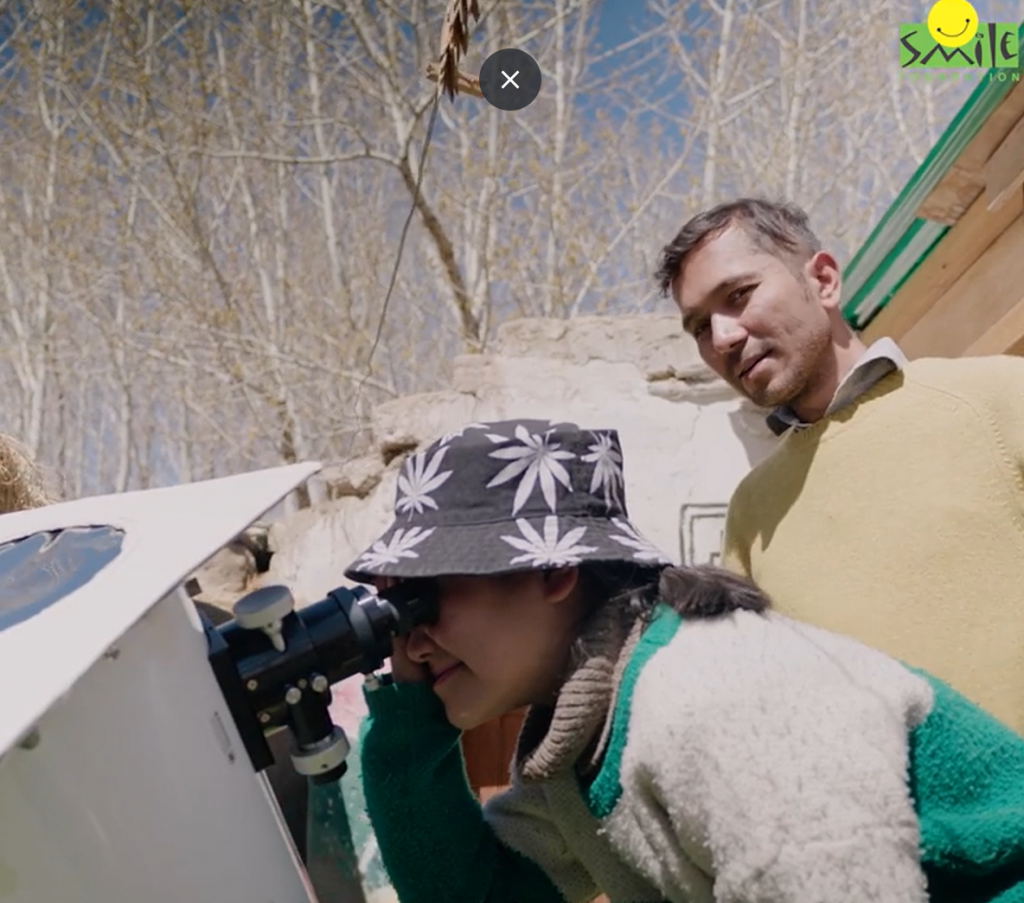
Enter the Smile supported Life to Serve centre—a modest campus, yet a monumental idea. A space where the daughters of deprivation are not only housed and schooled, but seen and heard. Here, care is not incidental but intentional. Education is not rote but radical.
These girls, once relegated to domestic drudgery or worse, now recite poetry, solve equations, speak of careers in teaching, medicine, and public service. In their laughter echo centuries of silenced voices.

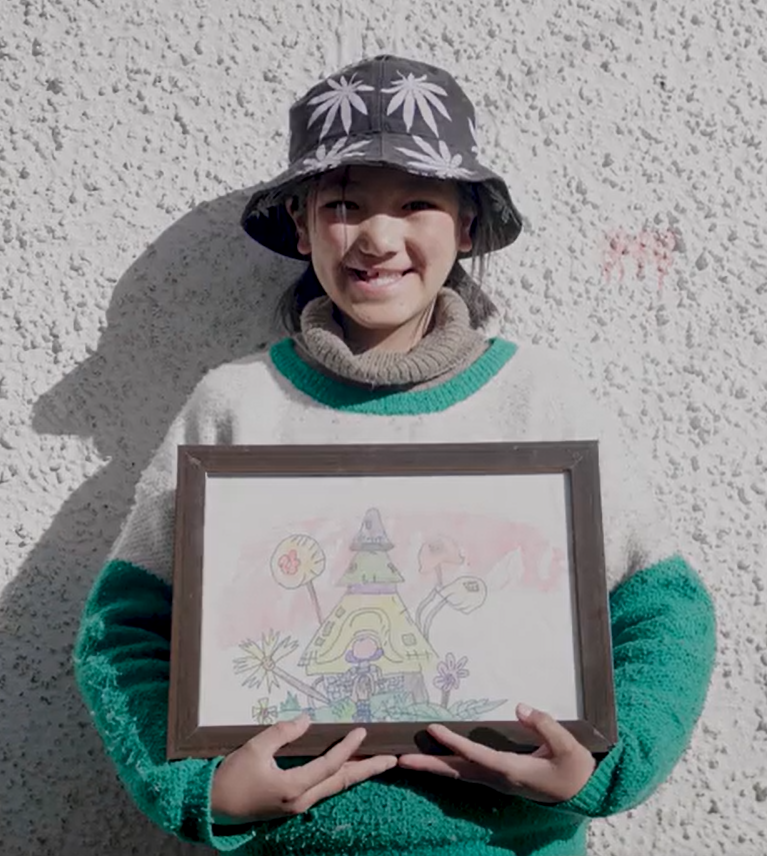
The civilisational duty to educate
The Indian civilisation, with its grand tradition of vidya daanam (the offering of knowledge) has always extolled education as the ultimate emancipator. Yet we have allowed this noble heritage to wither under the harsh sun of modern inequality. Rural, tribal, and high-altitude regions continue to suffer the ignominy of educational apathy.
Even as national statistics smugly cite near-universal enrollment at primary levels, we must interrogate the lived realities behind these figures. For the girl child in Ladakh’s remote hamlets, school is not merely a building that may or may not exist; it is a question of safe passage, of seasonal migration, of household labour, of dignity itself.
And in that context, Live to Serve’s residential model offers continuity, care, and the crucible in which a new kind of citizen is forged.
Rescuing girls from the tyranny of geography
Ladakh is no ordinary location. It is a theatre of extremes—altitude, temperature, and politics. For the girls who reside at this centre, it has often meant lives constricted by sheer survival. Some have lost parents. Others belong to families too poor, fractured, or indifferent to invest in a daughter’s education. A few have never even uttered aloud the notion of a dream, let alone dared to pursue one.
Within the warmly lit halls of this centre, nestled against Himalayan winds and history, these girls are beginning to dream out loud.
There is thirteen-year-old Dolma who says, with unwavering certainty, that she will become a doctor. There is Namgyal, who lost both parents to illness and now speaks of founding a school for other orphans. These are acts of defiance against the destinies imposed upon them.
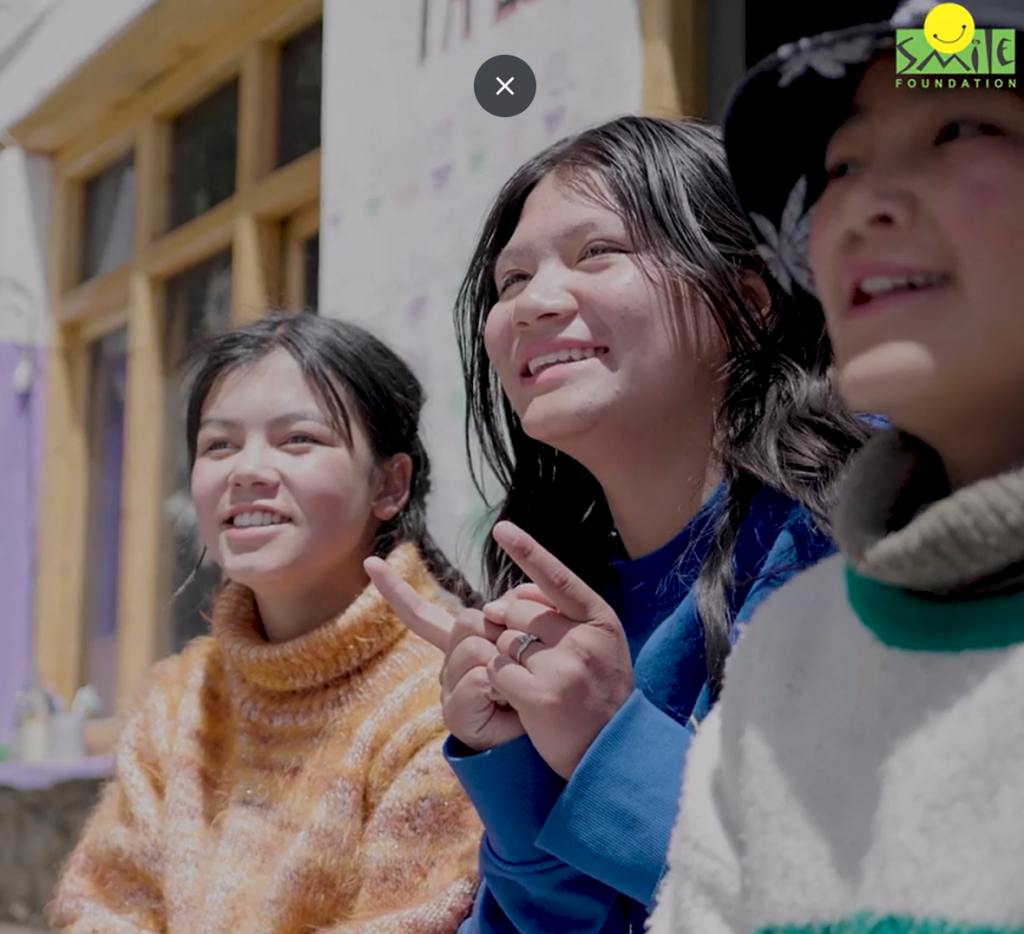
The sublime symbiosis of partnership
Much of the success of this endeavour lies in its deft balancing act—a rare and commendable synergy between a national player like us and a local actor, Live To Serve Foundation. This is not the usual development of urban NGOs exporting one-size-fits-all solutions to rural India. Instead, it is a partnership steeped in mutual respect and cultural fluency.
Live To Serve Foundation brings with it an intimate knowledge of Ladakhi customs, climate, and community rhythm. Smile Foundation brings scale, systems, and structure. Together, they have created an ecosystem that is both empathetic and effective.
This fusion of the macro and the micro, the institutional and the indigenous, should serve as a template for all development work in India’s hinterlands.
Of classrooms and character
What, after all, is the purpose of education? Is it to produce compliant workers for the global economy, or is it to create citizens who are aware, ethical, and empathetic? Our Mission Education centre chooses the latter.
The girls are mentored and encouraged to lead assemblies, to question assumptions, to debate ideas. In a world that routinely underestimates rural children, especially girls, this act of listening becomes revolutionary.
Moreover, the school does not divorce intellect from emotion. Many of its students arrive with invisible wounds like grief, fear, self-doubt. The staff are trained not just in pedagogy but in presence. There is room for mourning, healing, and growing.
In such a climate, confidence is not a consequence but is a curriculum.
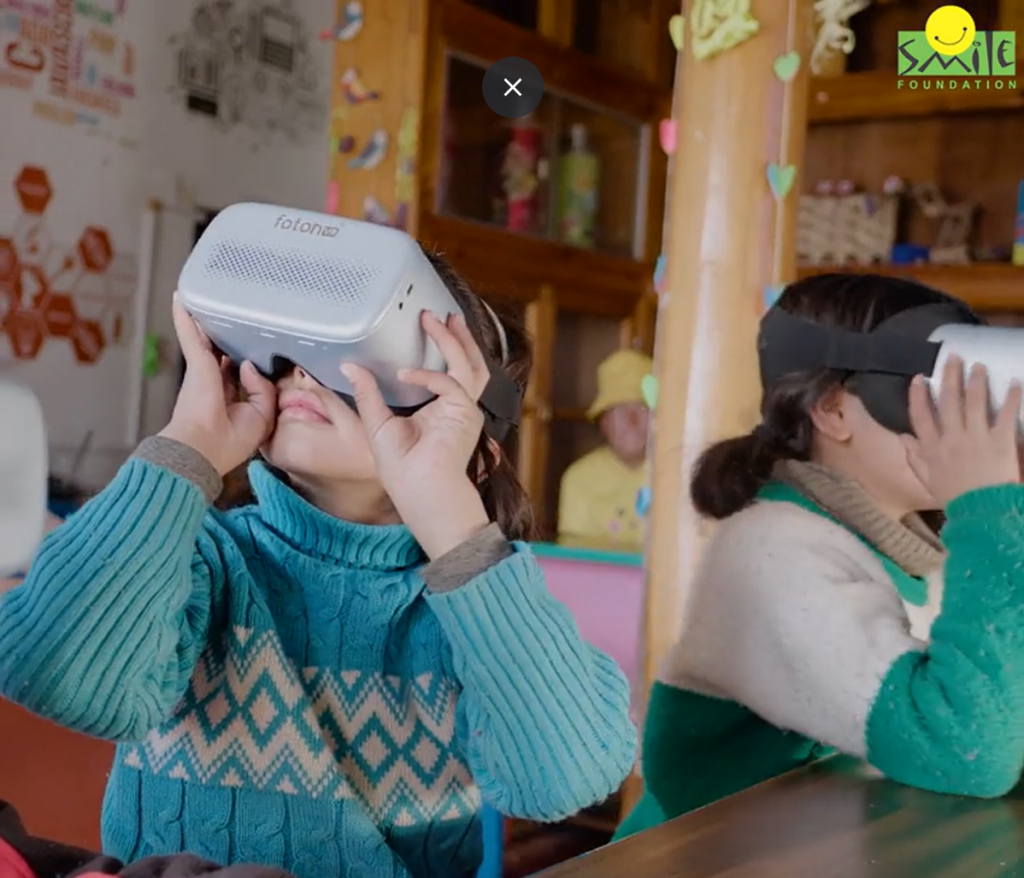
Residential schooling: A necessary investment
Some may argue that residential schooling is a luxury our nation cannot afford. But we would contend, with all due respect, that it is a necessity we cannot delay. For the child who walks five kilometres each way through snow just to attend a crumbling classroom, or for the girl who must abandon her books to fetch water, residential schools are not indulgences—they are lifelines.
Indeed, globally, residential education for vulnerable populations has been linked with improved learning outcomes, better health, and long-term social mobility. But India invests too little in these models, often leaving them to flounder.
It is time to change that. And the centre in Ladakh offers a living, breathing argument in favour.
The feminist frontier of climate justice
An intriguing, and often overlooked, dimension of this initiative is its subtle interweaving of gender and environmental justice. Ladakh is on the frontlines of the climate crisis. Glaciers are melting. Water is scarce. Livelihoods are precarious.
Who better, then, to steward this fragile ecology than educated, locally rooted young women? These girls are already learning about conservation, waste management, and sustainable practices. Their education is not just preparing them for board exams but for an uncertain world where resilience will be a prerequisite.
By educating girls, we are arming Ladakh against both social and ecological disintegration.
This project, inspiring as it is, remains the exception rather than the rule. For every girl studying in Leh, there are hundreds across Kargil, Zanskar, Nubra, and beyond who remain unseen, unheard, and uneducated.
This must change. Government schemes like Kasturba Gandhi Balika Vidyalayas offer a partial answer but need scaling, monitoring, and the kind of local partnerships that Smile and LTSF exemplify.
We must transform this model into a movement where the right to education is not contingent on one’s caste, class, or coordinates.
A nation’s test of conscience
The true test of a civilisation is not how it treats its powerful, but how it protects its powerless. By that measure, the girls of Ladakh are the barometer of India’s moral weather.
Are we, as a republic, prepared to walk the talk on beti bachao, beti padhao? Or shall we continue to indulge in tokenism while a generation is left behind?
The girls at our Mission Education centre have answered these questions with their courage, curiosity, and character. It is now our turn to fund, to replicate, to listen, and to act.
Their dreams, like the Himalayan winds, cannot be held back. Let us not be the reason they stall. Let us be the reason they soar.
Author’s Note:
This piece draws on observations from Smile Foundation’s residential Mission Education centre in Ladakh, developed in collaboration with the Live To Serve Foundation.