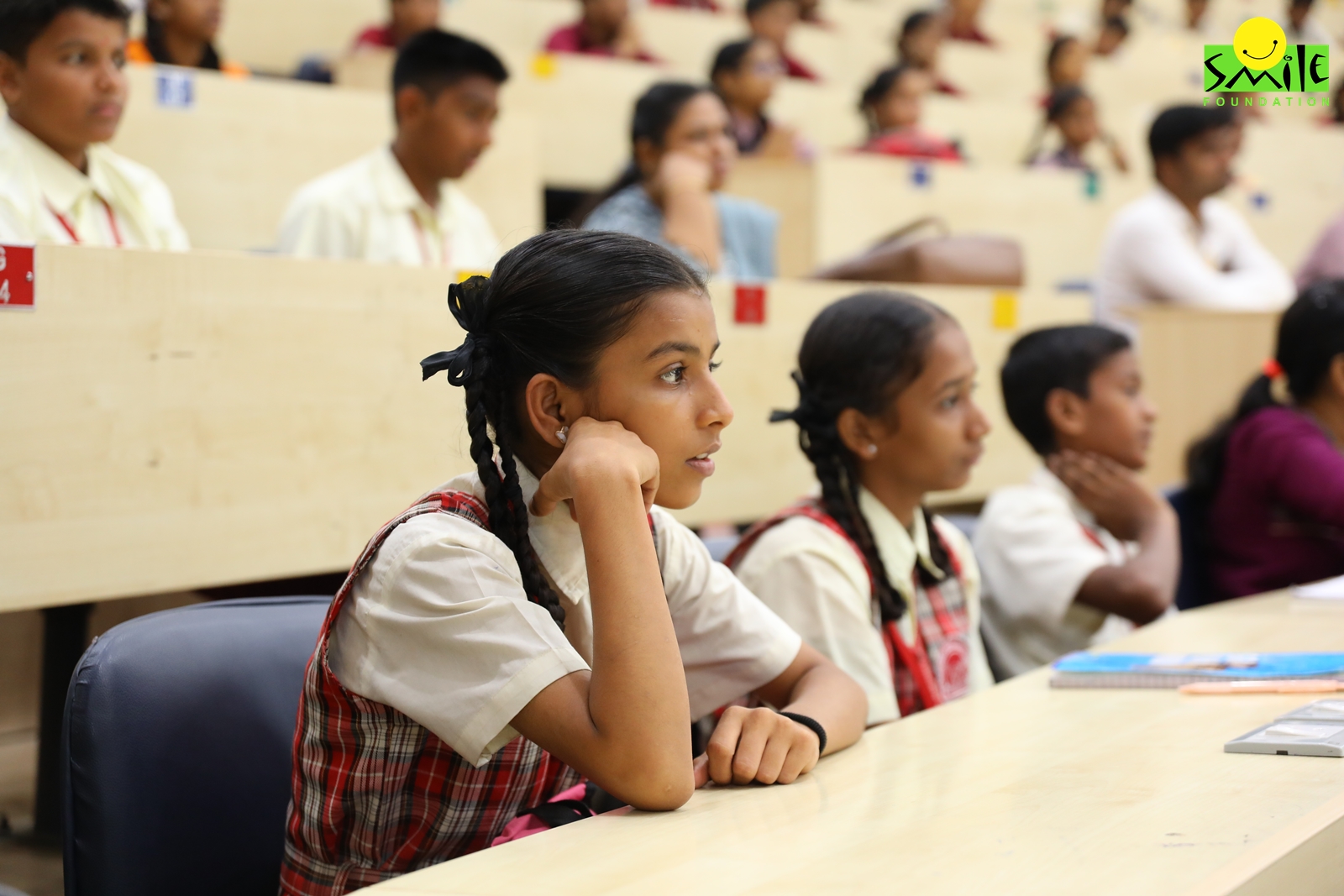

At first glance, the Indian school system looks like a success story. Primary enrolment is nearly universal, with over 95% of children stepping into classrooms by age six. The country has built thousands of new schools, trained teachers and rolled out free textbooks and midday meals. Yet somewhere between a girl’s first letter in Class 1 and her teenage years in Class 9 or 10, something goes terribly wrong.
She disappears.
Across the globe, nearly four in 10 adolescent girls fail to complete their upper secondary education. In India, the number is starker: nearly 40% of girls drop out before reaching Class 10 (UNESCO Institute for Statistics, 2023). These numbers reveal a broken promise. Secondary education is more than just the next rung in the ladder; it’s the critical gateway to agency, employment, delayed marriage and dignity.
So why does the dropout rate spike precisely when girls need education the most? And what can be done to fix it?
Why Secondary Education Matters for Girls
Secondary education is where the magic, and the hard reality, begins.
Primary school teaches children to read, write and calculate. Secondary school, by contrast, prepares them to think critically, solve problems and specialise. It determines streams of study, vocational pathways and higher education opportunities.
For girls, finishing secondary school is one of the strongest predictors of empowerment:
- Economic independence: Completing secondary school increases women’s lifetime earnings significantly. The World Bank estimates each additional year of schooling raises wages by 10–20% (World Bank, 2022).
- Health benefits: A Lancet study shows that each additional year of education lowers adult mortality risk by 2%. Women who finish secondary school are more likely to survive childbirth and raise healthier children.
- Social outcomes: Staying in school delays early marriage, reduces the risk of domestic violence and fosters confidence in civic participation.
The cascading effects are undeniable. UNICEF calls secondary education for girls the “most cost-effective investment” a society can make in breaking intergenerational poverty. Yet despite these benefits, the path to completing it remains steep, rocky and for many, impossible.
The Fragile Transition from Primary to Secondary
Why do dropout rates climb so sharply at this stage? The answer lies in the fragile transition years — from childhood to adolescence.
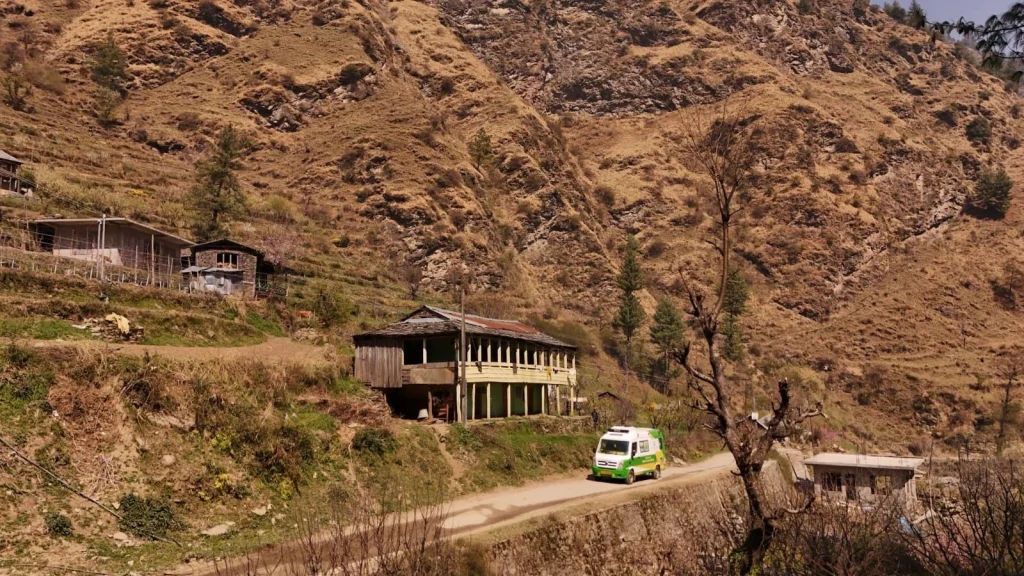
Primary schools are often located close to home, sometimes even within villages. By Class 6, however, many children must travel farther for secondary schools. Distances lengthen. Safety becomes an issue. The curriculum grows more demanding, but academic support rarely keeps pace. And adolescence itself brings added layers — menstruation, social pressures, household responsibilities — that families often interpret as reasons to pull girls out.
Families that tolerated six years of schooling for daughters suddenly balk at the added costs of uniforms, transport and exam fees. With boys still seen as future breadwinners, the choice of who stays in school and who drops out too often follows predictable gendered lines.
Breaking Down the Barriers
Let’s unpack the forces driving this exodus of girls from classrooms.
1. Socio-Cultural Norms
At the heart of the dropout crisis are deep-rooted cultural expectations.
Child marriage remains a major driver. According to UNICEF, India has the largest number of child brides in the world, accounting for one-third of the global total. Research by Girls Not Brides finds that every additional year of secondary schooling reduces the likelihood of child marriage by 6%. Yet, in many rural communities, the pressure of marriage and childbirth looms large as soon as a girl enters her teens.
Household responsibilities also cut into study time. Cooking, caregiving and cleaning are still disproportionately assigned to girls. Families view daughters’ education as a “poor investment” since they will “marry into another family.” Sons, meanwhile, are groomed for economic roles. The result? Girls’ education remains expendable when household resources are stretched.
2. Economic Barriers
Money, or the lack of it, is another wall.
Secondary education introduces new expenses: uniforms, books, higher fees, exam costs and transport. Even when tuition is nominal, hidden costs add up. A family struggling to afford food and shelter weighs the short-term economic relief of pulling a girl from school against the long-term (and abstract) gains of keeping her in.
Girls’ labour is also central to family economies. In rural India, adolescent girls are often expected to help in agriculture, tend animals or support siblings at home. For poor families, the economic logic of immediate labour outweighs the promise of future wages.
Generational poverty also creates a dangerous perception: “Why invest in girls when they will leave after marriage?” This thinking erodes motivation to finance secondary education.
3. Safety and Accessibility
Safety is the silent deterrent.
Secondary schools are often miles away, requiring long walks or unsafe bus rides. Harassment on the way to school including verbal, physical or sexual abuse is a real threat. Surveys find that a large number of girls drop out due to abuse.
For parents, safety fears translate into school withdrawal. The solution seems easier: keep daughters at home.
4. School Infrastructure and Quality
Even when girls reach school, conditions often drive them away.
- Sanitation: Globally, only 47% of schools have adequate water and 46% have proper toilets. In India, too many schools lack private, functional toilets for girls. Managing menstruation becomes a nightmare. A UNESCO study found that one in ten girls in sub-Saharan Africa misses school during menstruation up to 20% of the academic year. India shows similar patterns.
- Female teachers: Their absence makes classrooms less comfortable for adolescent girls, particularly in conservative areas.
- Teaching quality: Overcrowded classrooms, outdated curricula and uninspiring teaching leave girls disengaged. When education feels irrelevant, motivation crumbles.
5. Policy and Implementation Gaps
India has strong policies on paper. Scholarships, free uniforms, midday meals, laws against child marriage — all exist. But the devil is in implementation.
- Many scholarships never reach their intended beneficiaries because of bureaucratic hurdles or lack of awareness.
- Child marriage laws are unevenly enforced, especially in rural pockets.
- Pregnant or parenting girls often find no legal or institutional support to return to school.
UNESCO monitoring shows that in 63% of countries, legal protections for pregnant or married girls to continue education are absent. Without enforcement, policies remain lofty words, not lifelines.
The Human Side: A Teenage Girl’s Choice
Consider the case of Rina, a 14-year-old from Madhya Pradesh. She excelled in primary school, often topping her class. But the nearest secondary school was five kilometres away. The journey involved walking through fields where harassment was common. Her father worried. Her mother needed help at home. The family could not afford bus fare. At 15, Rina was married to a local shopkeeper.
Her story is not rare. It is painfully ordinary. Each dropout represents a fork in the road: one path leading to opportunity, the other to curtailed potential.
Smile Foundation’s Work
- Mission Education: With over 700 centres, it supports children aged 3–18, focusing on secondary-level retention for girls. More than 44,000 girls have received in-school vocational education, blending academics with practical skills.
- Scholarships: Over 2,000 scholarships help girls pursue secondary and higher education, especially in STEM and vocational fields.
- Swabhiman Programme: Tackles menstrual stigma by providing sanitary products, health awareness and safe spaces, ensuring girls don’t miss school during their periods.
- Infrastructure & STEM Labs: Investments in sanitation, digital classrooms, labs and sports equipment make schools inclusive and engaging.
- Teacher Training: Capacity building equips teachers to support adolescent girls better, fostering classroom environments that encourage retention.
These interventions don’t just keep girls in school — they transform the experience from survival to empowerment.
Holistic Solutions
Fixing dropout among girls in secondary education isn’t about a single silver bullet. It requires layered, holistic action:
- Bring Schools Closer: Build more secondary schools in rural areas; provide safe transport options.
- Address Safety: Enforce zero tolerance for harassment; community patrols and safe routes for girls.
- Invest in Sanitation: Private toilets and menstrual hygiene management in every school.
- Financial Incentives: Conditional cash transfers and scholarships that directly reward families for girls’ secondary completion.
- Cultural Shifts: Campaigns that normalise education over early marriage.
- Mentorship & Female Teachers: Role models matter. Hiring and training more women educators is key.
- Policy Enforcement: Strengthen monitoring of child marriage, scholarship delivery and re-entry policies for young mothers.
Why This Matters for All of Us
The question is not just why dropout spikes among girls in secondary education. The question is what it costs us as a society when it does.
Every girl who leaves school too soon represents lost productivity, lost innovation and lost leadership. McKinsey Global Institute estimates that closing gender gaps in workforce participation could add $770 billion to India’s GDP by 2025. Secondary education is the linchpin.
Educated mothers raise healthier children. Educated daughters lift entire families. Educated women fuel economies.
The Promise of Secondary Education
We know why girls drop out. We know what it costs. And we know what works.
The challenge is commitment. It’s whether families, communities, policymakers and civil society are ready to make secondary education for girls not just a right, but a reality.
Because when a girl finishes secondary school, it’s a victory for healthier families, stronger economies and more equal societies.