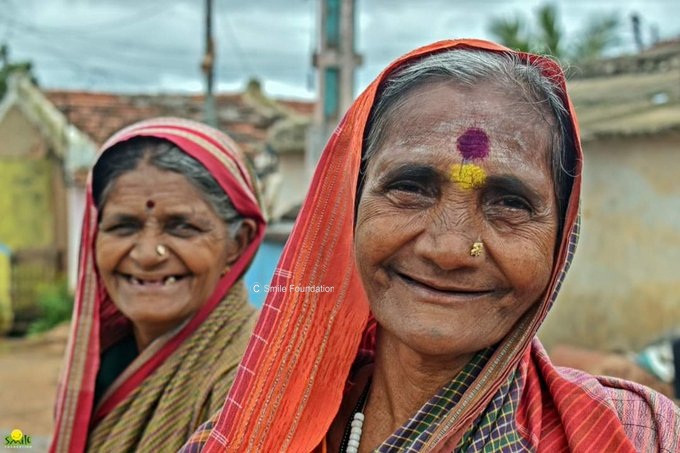

On a bright morning in a village in Madhya Pradesh, Rekha Devi scrolls through her son’s old smartphone, squinting at the WhatsApp orders popping up for her hand-woven baskets. Just a few years ago, these baskets rarely sold beyond the weekly haat (market). Today, she ships them to customers in Indore and even Delhi. Her phone has become a ticket to markets she once could only imagine.
From farmers and artisans to micro-entrepreneurs and teachers, women form the backbone of rural livelihoods. But, for decades, their labour has been unrecognised and underpaid. Fewer than one in five women globally are landholders, according to the FAO. In India, the figure is similar — land and credit remain firmly in men’s hands. And while women make up nearly 75% of agricultural workers, their role in formal markets is shockingly limited.
Now, a new frontier of digital access to markets is opening but the road isn’t smooth.
The Digital Gender Divide: The Missing Half
Let’s start with the hard truth. Rural women are still on the wrong side of the digital divide.
- According to the NSO’s CMS-Telecom survey (2025), 51.6% of rural women aged 15+ do not own a mobile phone, compared to just 19.3% of rural men.
- Even when phones are present in households, they are often shared, with men controlling usage.
- NFHS-5 (2019–21) found that only about 25% of rural women had ever used the internet, compared to nearly 49% of rural men.
Think about that for a second. In a world where markets, jobs and even social life are moving online, three-quarters of rural women remain disconnected.
And yet, paradoxically, smartphone penetration is rising fast. Among rural mobile phone owners, more than 75% of women already use smartphones. The problem now lies with their agency, skills and autonomy.
Why Digital Markets for Women Matter
Why make such a fuss about rural women going digital? Because the payoff is enormous.
A woman’s economic participation has a multiplier effect:
- Higher household income (studies show women reinvest up to 90% of their earnings into family welfare).
- Better nutrition and health outcomes.
- Greater investment in children’s education.
- Delayed marriage and reduced fertility rates.
Secondary research underscores this. A World Bank report noted that women’s increased digital participation could add $700 billion to global GDP annually. In India, bridging the gender gap in mobile internet use alone could contribute billions to the rural economy.
Digital platforms — be it Flipkart Samarth, Meesho, Instagram Shops or WhatsApp groups — act as equalisers. They allow Rekha in Madhya Pradesh or Sushila in Odisha to bypass exploitative middlemen and reach urban and even global consumers. For the first time, women can control not just production but also pricing, branding and marketing.
Barriers on the Digital Highway
But let’s be honest. This revolution isn’t happening at scale — yet. Several barriers hold women back.
1. The Digital Divide
Connectivity has improved dramatically under Digital India, with 4G networks covering almost every village. But affordability and reliability remain concerns. For many families, one phone is shared by all and women are the last in line.
During COVID-19, this divide was glaring. Boys logged in for online classes while girls were handed chores. In many households, when there was only one smartphone, the son got it.
2. Digital Literacy Gaps
Owning a phone isn’t enough — you need to know how to use it. Many rural women lack basic digital literacy. Opening an app, making a UPI payment or navigating an e-commerce platform can feel intimidating.
This is compounded by education gaps. Female literacy in rural India still lags behind men (65% vs 82%, Census 2011). Without targeted training, digital tools risk reinforcing exclusion rather than bridging it.
3. Socio-Cultural Constraints
Even when women have phones, cultural norms often restrict their use. Husbands may monitor calls. In-laws may frown on women “wasting time” online. Women are discouraged from handling money, which translates into hesitation around digital finance.
Freedom to step into markets, even virtual ones, clashes with deep-rooted patriarchy.
4. Financial Exclusion
Cash is still king in rural India. Only about 77% of rural women have a bank account they use themselves, according to NFHS-5. Access to credit is even worse. Without financial tools, online selling is difficult.
Digital trade requires UPI, mobile wallets, micro-loans or at least a savings account. Without these, rural women cannot scale businesses beyond their neighbourhood.
What Works: Digital Markets for Women
Despite the challenges, sparks of innovation are lighting the way.
1. Internet Saathi
Launched by Google and Tata Trusts in 2015, this programme trained rural women as “Saathis” to teach others digital skills. By 2019, it had reached 30 million women in 300,000 villages. The model proved that peer-to-peer training works.
2. Self-Help Groups (SHGs) Going Digital
Under the National Rural Livelihood Mission (NRLM), SHGs have become digital enablers. Women use WhatsApp groups to coordinate sales of handicrafts, dairy and farm produce. In Andhra Pradesh, SHGs trained in digital payments now run rural e-commerce hubs.
3. Meesho & Social Commerce
Platforms like Meesho have empowered millions of “social sellers,” many of them rural women. With minimal capital, women sell clothes, cosmetics and household items through WhatsApp and Facebook. Meesho reports that 80% of its sellers are women and a large share come from Tier-2 and Tier-3 towns.
4. Common Service Centres (CSCs)
Part of Digital India, CSCs act as rural digital hubs, offering services from telemedicine to e-commerce. Women entrepreneurs known as Village Level Entrepreneurs (VLEs) run many CSCs, serving as role models for others.
5. NGO-led Programmes
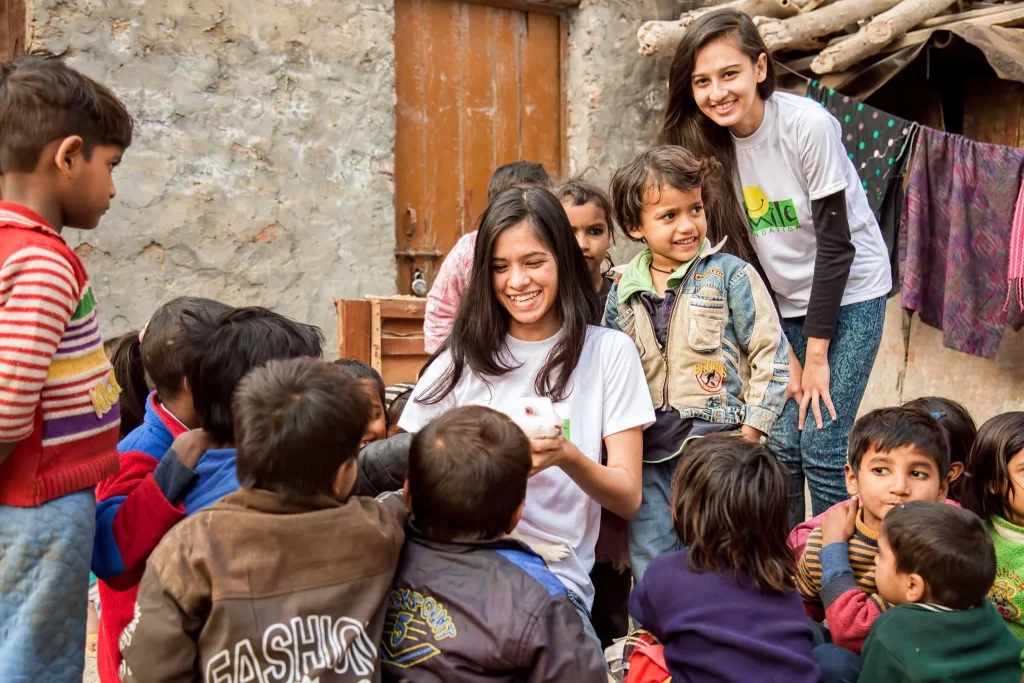
Smile Foundation’s Swabhiman programme integrates digital literacy into its health and entrepreneurship training. By combining financial education, tablet-based learning labs and mentorship, it has impacted over 190,000 rural women across six states in 2024 alone.
These women don’t just learn how to use a smartphone — they learn how to turn it into a business tool.
Building the Digital Markets for Women Roadmap
So how do we go from scattered success stories to systemic change? Here’s a roadmap:
- Expand Infrastructure
Affordable internet, better connectivity and more rural digital hubs. Government must push telecom companies to close the last-mile gap. - Digital Literacy at Scale
Community-based training through SHGs, NGOs and schools. Teach women not just how to use apps, but how to leverage them for trade, marketing and payments. - Women-Centric Fintech
Promote UPI, mobile wallets and micro-credit designed for women. Build digital credit histories that can unlock larger loans. - Social Norm Shifts
Campaigns showcasing role models — women entrepreneurs who sell online, manage finances and succeed — help normalise digital participation. - Policy and Institutional Support
Link Digital India, Startup India and NRLM explicitly with women’s entrepreneurship. Provide subsidies for women entrepreneurs to buy smartphones.
Rekha’s Ripple Effect
Back in Madhya Pradesh, Rekha’s earnings from online basket sales have doubled her household income. Her daughter now dreams of becoming a teacher. Neighbours ask her to teach them how to set up WhatsApp stores.
The promise of digital markets for rural women is enormous but only if access, literacy and empowerment go hand in hand. Otherwise, the same inequalities that lock women out of traditional markets will replicate online.
India stands at a crossroads. With over 200 million rural women of working age, empowering even a fraction of them digitally could transform the economy. The stakes are not just economic — they are about dignity, autonomy and equality.
Because when a woman in a village can sell her baskets to a buyer in Delhi—or London—it is more than a transaction. It is a rewriting of history: from invisible labour to visible power.