
You may or may not know that diabetes affects women differently, and they may experience more complications. The disparities are shocking!
- Women with Type 1 diabetes face about a 40% higher risk of dying prematurely compared to men with the same condition.
- Women with Type 2 diabetes have a 27% higher risk of stroke and a 44% higher excess risk of coronary heart disease than men.
- Women living with diabetes are more likely to experience depression and anxiety, which can make it harder for them to manage their condition effectively.
Unfortunately, for many women, finding the time to focus on their health and making it a priority can be difficult as they juggle the many demands placed on them — family, friends, work and more. Women face unique diabetes risks because their blood sugar regulation shifts across major life stages. Hormonal changes during the menstrual cycle can reduce insulin sensitivity, making blood sugar harder to manage after ovulation.
Pregnancy sharply alters hormone levels, raising the risk of gestational diabetes and later Type 2 diabetes. Breastfeeding can lower this risk by helping improve glucose metabolism after childbirth. After menopause, falling estrogen levels, weight gain and poor sleep all increase the chances of developing Type 2 diabetes. These biological transitions create repeated windows of vulnerability, especially when monitoring and care are inconsistent.
The Global Rise
The number of people living with diabetes is on the rise globally, making it one of the leading non-communicable diseases we face today. India finds itself at the heart of this diabetes crisis. At 90 million, India ranked second in the number of adults living with diabetes in 2024. China was first at 148 million and the US ranked third at 39 million, according to a study published in The Lancet Diabetes and Endocrinology journal. The International Diabetes Federation (IDF) is sounding the alarm, warning that these figures could skyrocket if we don’t take action quickly.
The Care Gap
India’s response to diabetes still leans heavily on big hospitals, specialists and expensive tests. This approach assumes that people notice symptoms early, can travel easily, and come back for regular follow-ups. For most women, this isn’t realistic. Primary healthcare is supposed to close this gap, but it often doesn’t. Many Primary Health Centres don’t offer routine diabetes screening. Glucometers and test strips are frequently out of stock. Staff are stretched and tend to prioritise emergencies and maternal care.
The gaps are even wider in urban poor settlements. These communities are often left out — too “urban” for rural schemes, yet unable to afford private city hospitals. Screening camps show up once in a while, and there’s usually no ongoing support to help people manage diabetes.
Bringing care closer to women’s lives
Care must move closer to women’s daily reality – doorsteps, worksites, schools and community spaces. Simple blood sugar checks, risk assessments, and symptom education should be routine for women.
Community health workers as the missing bridge
Community health workers form the strongest link between women and care. ASHAs, ANMs, and trained local women already hold trust. When equipped to screen, counsel and follow up, they turn information into action. Women listen to people who understand their constraints and return consistently. These workers help translate advice into practice. How to eat better on tight budgets, stay active in small spaces and take medicines regularly. Continuity matters as much as diagnosis.
Technology helps, but people make it work
Digital health tools hold great promise. Teleconsultations, digital records, and reminders can all strengthen care. But technology can never replace human connection. At the same time, people need support in learning how to use it. A local health worker knocking on the door can guide patients, help them use digital tools, and keep track of their progress. Digital systems succeed only when they are grounded in trust, regular follow-up and real human presence.
Honouring good health, not only surviving illness
There is an interesting initiative, and lessons from it are worth noting.
Each year, Diabetes Australia awards the Kellion Victory Medal to people who have lived with diabetes for 50 years or more. The eligibility is decided through a form and supporting documents. The medal honours those who have managed the condition daily, consistently and with resilience. India rarely celebrates such outcomes. Honouring good health requires structures that make it possible.
What policy must confront now
Closing the care gap demands intent. Some considerations include routine screening for adult women, investing in frontline workers, reliable medicine supplies, enabling local governance to oversee and track service delivery, organizing talks and discussions, and encouraging support groups to make conversations about diabetes more common. Further, partner with community organisations already reaching the unreached.
Filling the care gap means redesigning care around women’s lives. The woman who ignores her symptoms is not careless. She is navigating a system never built for her.
Smile Foundation’s work
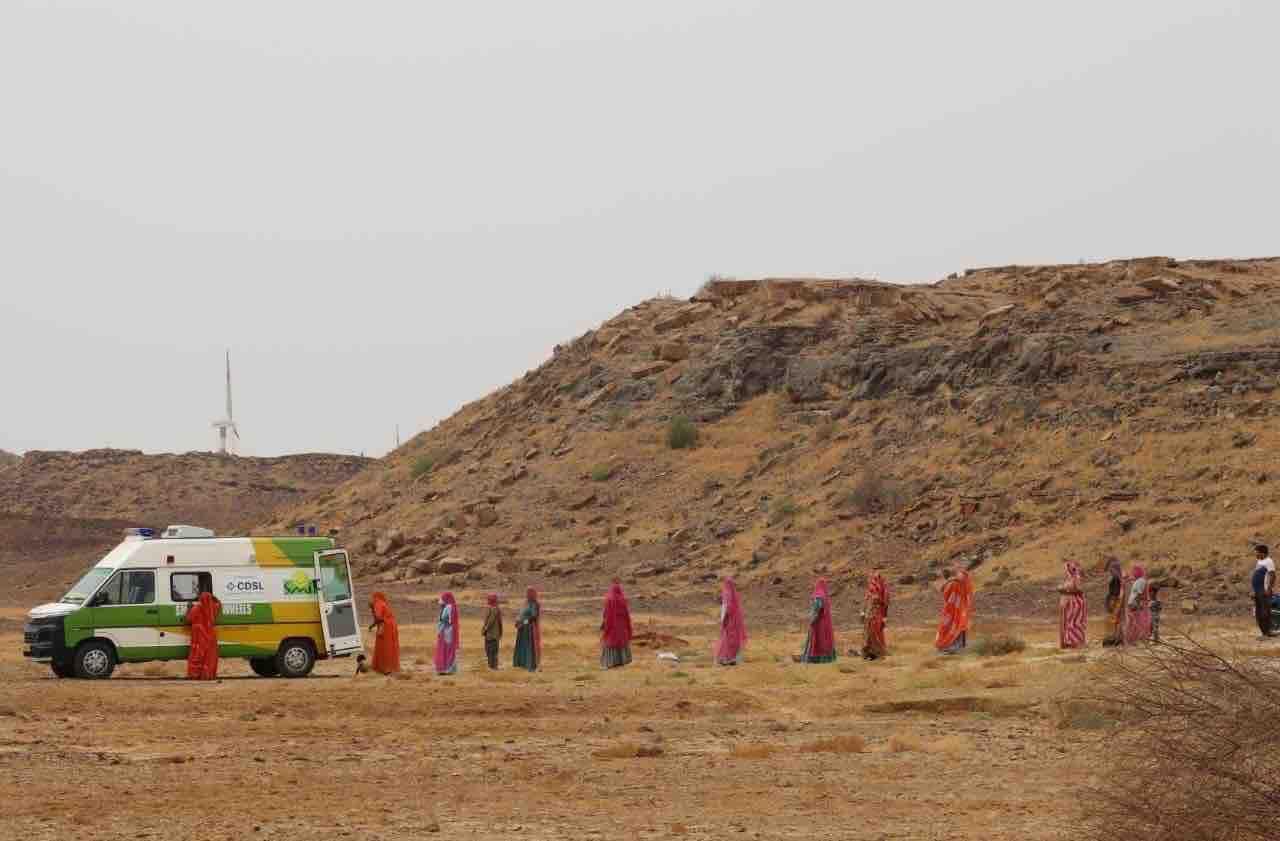
Smile Foundation’s community-driven health model, including its Smile on Wheels mobile medical unit programme and community health initiatives, focuses on rural outreach, providing NCD screenings and awareness activities through mobile vans. Community meetings in local languages promote diabetes management and ASHA workers are trained to detect and provide timely care for diabetes.
The mobile medical units function as moving primary healthcare centres, reaching remote villages with limited or no fixed health infrastructure. Equipped for basic diagnostics, consultations and referrals, these vans prioritise screening for non-communicable diseases (NCDs) such as diabetes and hypertension — conditions that often go undetected in rural India until complications set in. By bringing screenings to people’s doorsteps, the programme helps identify risk early and reduces dependence on episodic, crisis-driven care.
Crucially, this outreach is paired with sustained community engagement. Health education sessions and village-level meetings, conducted in local languages, focus on practical aspects of diabetes prevention and management — diet, physical activity, medication adherence and recognizing warning signs. These conversations are designed to be participatory rather than prescriptive, creating space for communities to ask questions, share experiences and gradually build confidence in managing chronic conditions.
Frontline workers play a central role in this ecosystem. ASHA workers and community volunteers are trained to identify early symptoms of diabetes, support routine monitoring and guide individuals toward timely care through referrals and follow-ups. This capacity-building strengthens the local health system itself, ensuring that care does not end when the mobile unit leaves but continues through familiar, trusted actors within the community.
Together, Smile Foundation’s mobile outreach, community education and frontline worker training create a continuum of care — one that shifts the focus from reactive treatment to prevention, early detection and long-term management of NCDs. In doing so, the model addresses gaps in healthcare access and the deeper challenges of awareness, trust and continuity that shape health outcomes in rural India.