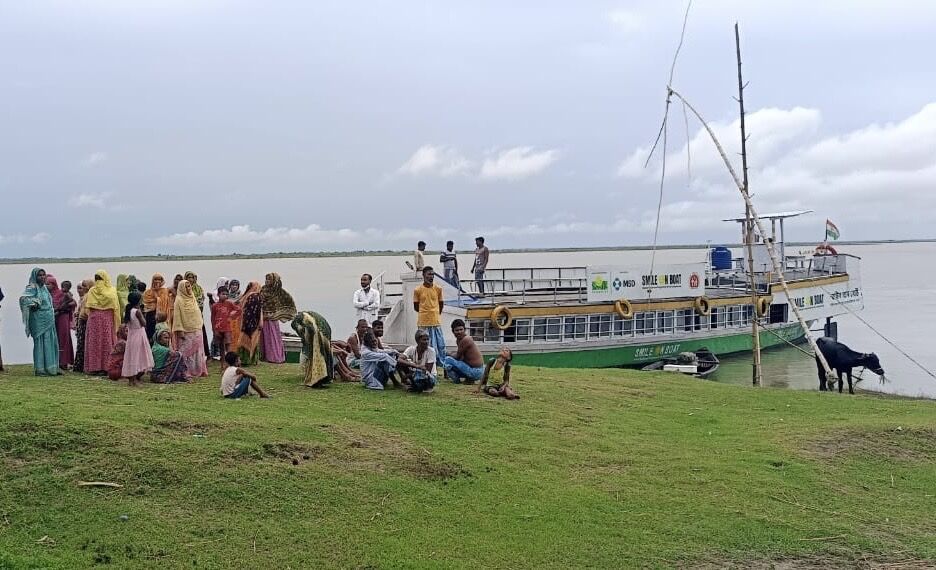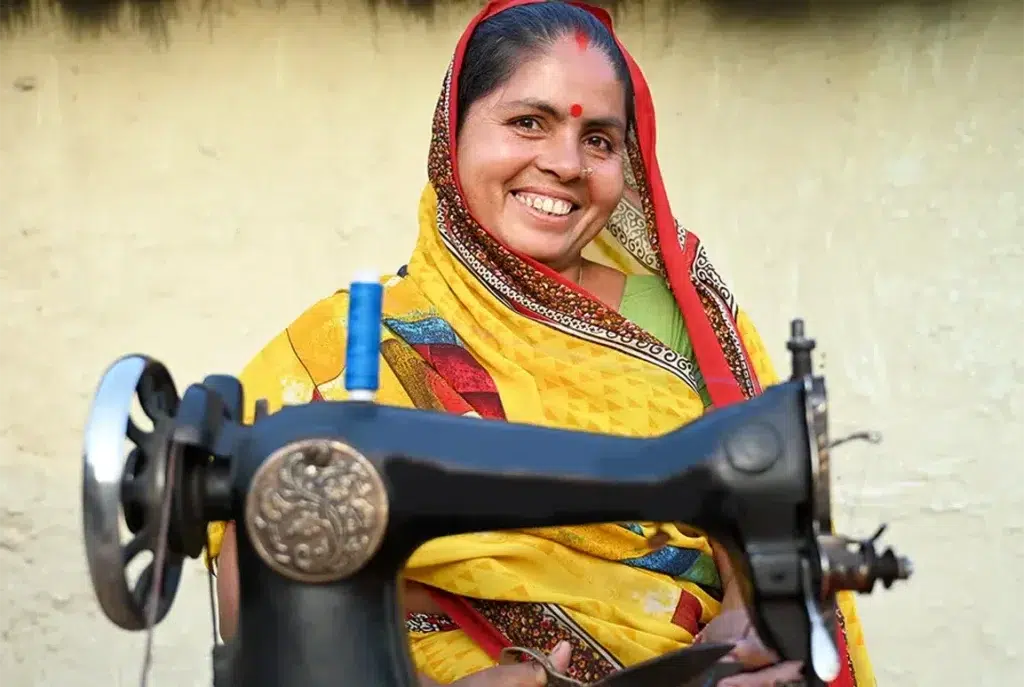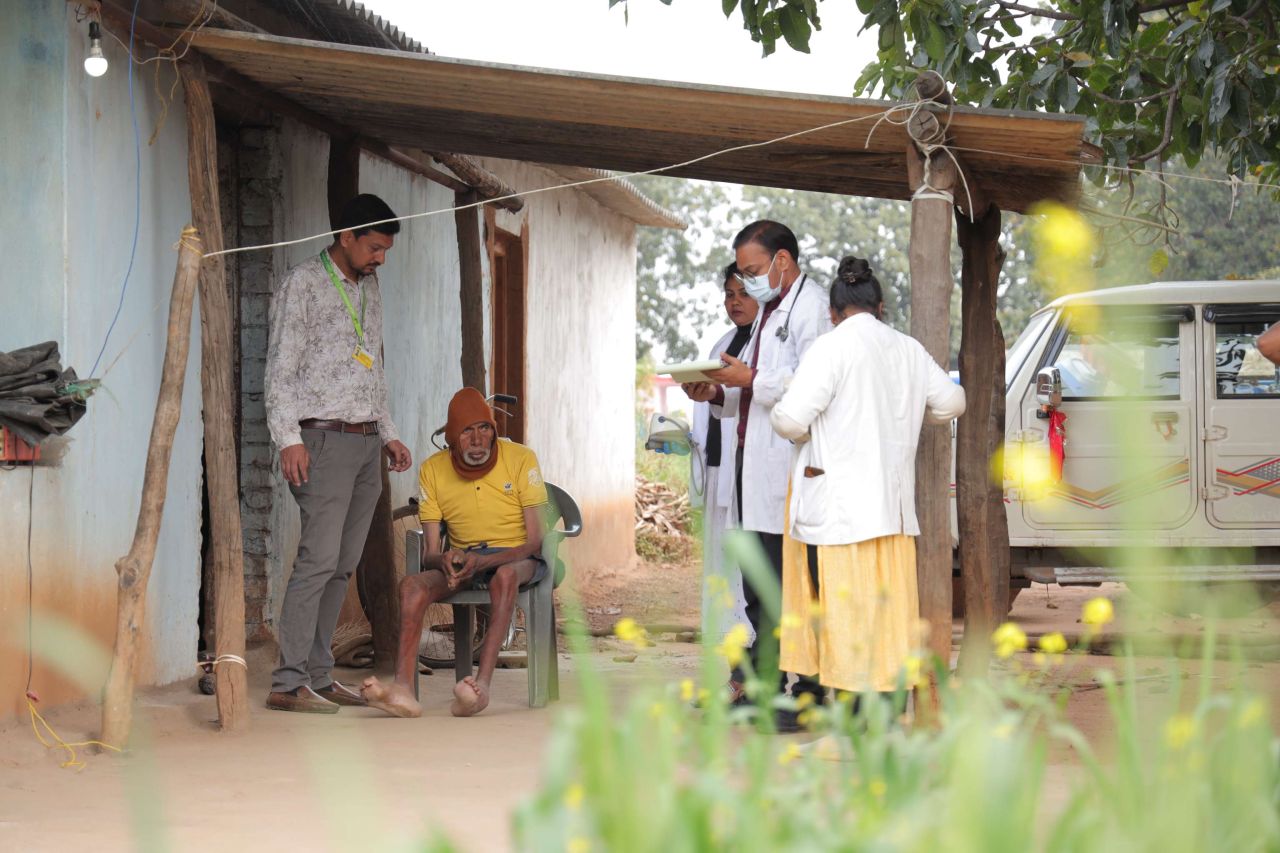

In the dusty lanes of rural Madhya Pradesh and Telangana, change is arriving in an unlikely form: a brightly painted van. Every week, Dr K. Shanti Kiran and her Smile on Wheels mobile clinic team roll into remote villages of Bhupalpally (Telangana) and Singrauli (Madhya Pradesh), a pair of India’s newly minted Aspirational Districts. Mothers clutch babies for vaccinations, schoolchildren are screened for anemia, and the anxious faces of parents are eased by free consultations. “Their smiles and giggles are the heartbeat of our mission,” says Dr Shanti, as children clamor for the van’s small stash of toothpaste and storybooks. This simple scene where health care is brought to the doorstep, reflects a crucial strategy in India’s latest development push: targeted investment in the nation’s most under-served districts.
Launched in 2018 by NITI Aayog, the Aspirational Districts Programme (ADP) zeroes in on 112 districts lagging on key social indicators. The idea is straightforward: concentrate resources and innovation where they are needed most. Four years in, early data suggest it’s working. Nationally, India’s infant mortality rate has plunged from 44 per 1,000 live births in 2011 to 25 in 2023[1], and under-five mortality has likewise fallen to 29[2]. India’s composite development score in these districts has improved by a remarkable 72% since the program began[3]. Gains are especially pronounced in health, education and agriculture – the very areas targeted by the program.
However, these national averages can hide stubborn gaps. In many aspirational districts, child malnutrition and school dropout still run well above the national norm. According to the latest health survey, roughly 77% of Indian toddlers are now fully immunized[4] (up from 62% in 2016), and the share of underweight children has fallen from 36% to 32%[4]. These are encouraging trends, but the remaining 23% of children who miss vaccines and one in three who are underweight all too often live in places like Singrauli or Siddharthnagar – districts with weak health infrastructure and deep poverty. In such places, a “healthy India” campaign meets its limits. Instead, NGOs like Smile Foundation have stepped in with doorstep health. Our mobile clinics provide regular antenatal checkups, oxygen for pneumonia cases, and outpatient treatment, ensuring that minor illnesses don’t fester into crisis. Early evidence is anecdotal but telling: as one Smile physician notes, fewer families now have to choose between staying home sick or losing a week’s wages for a distant hospital visit.
Education tells a similar story. India has pushed enrollment above 95% for ages 6–14, and a new government report finds school dropout rates plummeting (from 13.8% in 2022–23 down to 8.2% in 2024–25)[5]. But behind these gains lurk learning gaps. Rural India’s Annual Status of Education Report (ASER) still shows many children below grade level in basic reading and arithmetic. Aspirational districts are under particular strain: they are home to some of the country’s poorest schools, where one teacher may be responsible for 50 squirming students and no electricity. In Siddharthnagar (Uttar Pradesh), for example, classrooms often lack labs or libraries, and rote learning prevails.
To break this cycle, Smile Foundation’s education programmes are focusing on system strengthening rather than handouts. In 2025, we led a two-day workshop in Siddharthnagar for 100 government school teachers and resource officers. Through hands-on science and math activities – learning-by-doing projects with microscopes and measuring tapes – the training helped educators move away from chalk-and-talk. Teachers practiced experiments, built simple machines and shared techniques to make abstract concepts tangible. By the end of the session, even veteran instructors reported a boost in confidence: “Tomorrow, I’ll let my students actually handle the test tubes, not just look at me,” one remarked.
Simultaneously, Smile’s Aspirational Block Transformation in Siddharthnagar is working from the bottom up. Local officials, from the Sub-Divisional Magistrate to Block Education Officers, joined pupils in interactive STEM sessions, teaching digital safety and life skills alongside fractions and physics. Students built simple robots and enacted self-defense drills. Community members cheered as shy children presented their experiments. These events blur the line between school and village; one district coordinator noted that involving Panchayat leaders and officials “shows everyone that education extends beyond textbooks.” By empowering children to ask questions and solve problems, such programmes aim to make schooling relevant, not just compulsory. After all, it’s not enough for a child to be in class – she must be learning, and also gaining the confidence to shape her future.
Crucially, these interventions operate within government systems, not parallel to them. In Telangana’s Adilabad district, for instance, Smile Foundation signed a formal MoU with the state’s Department of School Education in late 2024. This partnership created an integrated plan for over 200 government schools in the tribal-aspirational region. The deal gave Smile teams official access to classrooms, and – in return – they helped set up a toll-free Education Helpline for 10<sup>th</sup> graders. The helpline, inaugurated by the Additional Collector, provides last-minute guidance to students before board exams – a lifeline where coaching centers are rare. By institutionalizing such projects, the government is effectively channeling NGO innovation into its own apparatus, rather than relying on one-off charities. District officials now cite the Helpline as a model of “coordinated action” in classrooms, and its launch with top officials underlines that aspirational districts demand a whole-of-government approach.
These successes underscore a fundamental point: developing backward areas takes more than good intentions – it takes money. Aspirational districts contain about 15% of India’s population, yet an India Data Insights analysis found they receive only about 2.15% of all corporate CSR funding[6]. This shortfall is stark in Madhya Pradesh and Uttar Pradesh, where needs are vast but companies have yet to invest heavily. (On the positive side, CSR flows rose by 50% in 2021–22, and over three quarters of that money targets education, health, rural development and environment[7].) But the 2% number drives home how mismatched current spending is. India’s own budget must fill the gap – a challenge when aspirational districts are often spread across states with tight finances. Fortunately, the ADP scheme itself offers a framework: district collectors now compete on a live “Champions of Change” dashboard, tracking 49 indicators from immunization to school mid-day meals[8]. Many districts have minted innovation prizes, while central schemes like Anganwadi nutrition and mid-day meals are intensified in these pockets.
The headline numbers suggest these efforts are moving the needle. Since 2018, the bulk of aspirational districts have seen double-digit gains in critical outcomes[9]. Nationally, institutional births are up, certified rural hospitals have multiplied, and farmer incomes are rising even in remote hamlets. An inspiring example comes from Himachal Pradesh’s Chamba district (now largely “aspirational blocks”), where concerted drilling of borewells brought tap water to 100% of homes by 2022 – a seemingly simple change that freed girls from hours of daily water-fetching and cut diarrheal disease[10][11]. Such narratives demonstrate that local fixes (water pipelines, school refurbishments, hygiene drives) compound into broader shifts. It is a model of “competitive cooperation,” as one NITI Aayog report calls it: district administrators learn from each other even as they strive to outrank their peers.
Internationally, India’s experiment is drawing attention. In May 2025 Singapore’s President Tharman Shanmugaratnam singled out the Aspirational Districts Programme as “a globally relevant model” for inclusive development[12]. He praised its data-driven tactics and the way it “empowers communities and strengthens local health systems.” Those words echo what Smile Foundation staff have experienced on the ground. In Adilabad and Singrauli alike, the interplay of government targets and grassroots participation is bringing services within reach. The digital dashboards and regular ranking reports certainly keep pressure on, but the real pressure comes from families who now expect delivery.
But caution is warranted. National surveys remind us how uneven India’s progress still is. For every 1,000 live births, 25 Indian infants die (now largely from preventable causes)[1], a tragic number given the country’s wealth. And though fewer children are quitting school, foundational literacy rates remain worryingly low in many villages. Nutrition remains a stubborn problem: child anemia is rising again[13] despite more feeding schemes, and one in three kids is still underweight. In aspirational districts, such challenges are magnified. Without sustained funding, skilled health workers and motivated teachers, the short-term gains risk stalling.
This is why investment in aspirational districts must be long-term. The hope is that social returns will far exceed input. A child who survives pneumonia because a nurse came to her door, or a girl who finishes secondary school thanks to a teacher trained in interactive math, can eventually contribute to the economy in ways that repay these interventions many times over. Economists often say that helping those at the bottom of the pyramid yields outsized impact on human development indicators – and the composite scores suggest India is indeed squeezing out more from the bottom. But the report from India Data Insights flags a sobering question: “Does a 2% allocation of CSR investment suffice to facilitate the transformation of aspirational districts?”[14]. The implied answer is no.
Put simply, aspirational districts are where India’s deficits are most concentrated – and where investments are most needed. The central government’s budget must prioritize these regions, states must match with decentralized reforms, and the private sector and philanthropies must step up. Public–private partnerships like the Smile on Wheels clinics show one approach, and district-level compacts (like Adilabad’s education MoU) offer another. Just as important is soft infrastructure: building trust between officials and citizens, empowering village health committees and school management councils, and making sure that data from the Champions dashboard is acted on at the grassroots.
For now, the true measure of progress is not found in a spreadsheet, but in moments: a toddler’s grin after her measles shot, a teen’s thumbs-up as she taps answers on a learning app, an exhausted doctor finally catching some sleep on a camp bed after a day’s rounds. These returning smiles are, in the words of Smile Foundation, everything. They remind us that up from the margins is not just a slogan – it’s the sound of possibility. But turning those smiles into sustainable success will take more than goodwill; it will take the hard work of mobilizing resources, reforming systems, and making sure every child in every aspirational district is seen and served. As President Shanmugaratnam suggests, this unfolding revolution in India’s hinterlands could indeed be a blueprint for the world. It must not be left unfinished.
Sources: Government of India reports and analyses of the Aspirational Districts Programme[15][8][4][16][17]; District-level field reports from NGOs (Smile Foundation interventions).
[1] [2] [5] [17] Press Release:Press Information Bureau
https://www.pib.gov.in/PressReleasePage.aspx?PRID=2171202®=3&lang=2
[3] [6] [7] [14] [16] Aspirational districts receive 2 percent of CSR funds | IDR
[4] [13] Key findings from NFHS-5 India report: Observing trends of health indicators between NFHS-4 and NFHS-5 – PMC
https://pmc.ncbi.nlm.nih.gov/articles/PMC10657051
[8] NITI AAYOG, India | Aspirational Districts Programme / Aspirational Blocks Programme
https://niti.gov.in/aspirational-districts-programme
[9] India’s Aspirational Districts: Stories of Progress
https://www.ibef.org/blogs/india-s-aspirational-districts-stories-of-progress-and-people-led-change
[10] [11] [12] [15] static.pib.gov.in
https://static.pib.gov.in/WriteReadData/specificdocs/documents/2025/may/doc2025519557501.pdf