
On most intense winter mornings in Delhi, the sun struggles to break through a dense curtain of grey. The city stirs awake anyway. Street vendors set up their carts, schoolchildren adjust their backpacks and delivery riders weave through traffic with practiced urgency. Masks are common, coughs more persistent because of the relentless wrath of air pollution. Life goes on, even when the air itself feels heavy and hard to breathe more than before.
Scenes like this have become familiar across many Indian cities. And increasingly, they form the backdrop to how India appears in global conversations, not just as a rising economic power or digital innovator, but as a country ranked high on lists no nation wants to lead: polluted air, climate vulnerability, years lived in poor health.
Rankings, while attention-grabbing, tell only part of the story. They capture outcomes and symptoms, but not intent or solutions. More importantly, they overlook the work being done at the community level to change these trajectories. If India finds itself in the list of lower rankings on development issues, it is also standing at a moment where those rankings can still be reversed.
Living longer, but not healthier
India’s public health challenge today is not only about survival, but about quality of life. Over the past few decades, life expectancy has improved steadily, reflecting gains in medical care, immunisation and disease control. But these gains come with a caveat. Many Indians are now spending a significant portion of their lives living with illness, disability or chronic conditions.
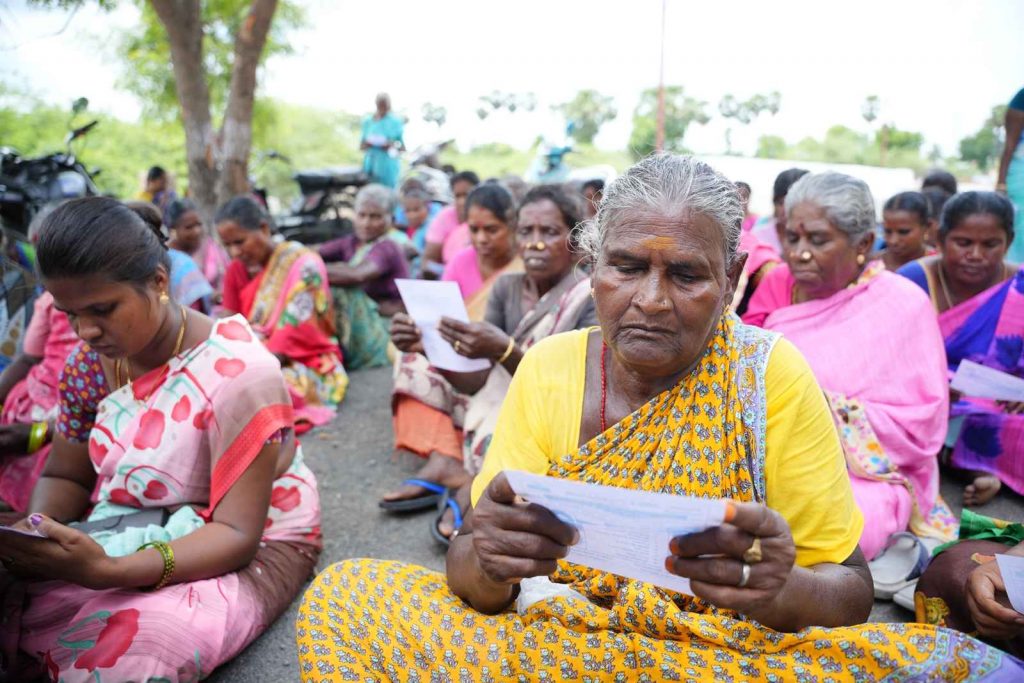
This gap between how long people live and how well they live is shaped by multiple factors: limited access to preventive healthcare, late diagnosis of diseases, poor nutrition and environmental stressors that steadily wear down the body. For millions, especially in low-income and marginalized communities, poor health presents itself not as an exception but a persistent state — one that affects their ability to work, learn and participate fully in society.
Children growing up in such environments carry these disadvantages early. Repeated respiratory infections, untreated anaemia, poor dietary diversity and exposure to pollution can have lifelong consequences. Health, in this sense, becomes cumulative. What begins as a manageable condition in childhood can evolve into chronic illness in adulthood if systems fail to intervene early.
The invisible weight of environmental exposure
Environmental factors play a powerful, often invisible role in shaping health outcomes. Air pollution is the most visible example. Across urban and semi-urban India, exposure to fine particulate matter has become routine, not episodic. The health effects—respiratory disease, cardiovascular stress, reduced lung function—accumulate slowly, often going unnoticed until serious damage has already been done.
What makes this particularly concerning is the unequal distribution of risk. Communities living near highways, industrial clusters, construction zones or waste-burning sites are exposed far more than others. For families already navigating economic insecurity, pollution adds another layer of vulnerability — one that cannot be mitigated by individual choice alone.
Climate-related hazards compound these risks. Heatwaves are becoming more intense, floods more frequent and rainfall patterns increasingly erratic. For people working outdoors, living in informal housing or relying on climate-sensitive livelihoods, these changes are interfering negatively with their chances of a dignified life. Each extreme weather event disrupts access to food, healthcare, education and income — often pushing families further into precarity.
A paradox of development and vulnerability
India’s presence on global lists related to pollution, climate risk or poor health reflects a deeper paradox. Rapid economic growth and technological advancement coexist with environmental degradation and social inequities. While some benefit from cleaner neighbourhoods, better healthcare and climate-resilient infrastructure, many others remain exposed to risks that development was meant to reduce.
Being ranked among the most affected countries by climate-related disasters or among those with high years lived in poor health, is not a reflection of failure alone. It is also a reminder of scale. Few countries are attempting development for a population of over 1.4 billion people, across vastly different geographies and social realities. The challenge lies not in ambition, but in ensuring that growth translates into resilience and well-being for those at the margins.
Why solutions must begin closer to communities
Large-scale policy frameworks on clean air, climate adaptation or health system strengthening are essential. But their success depends on what happens closer to the ground. Early detection of illness, regular access to primary healthcare, nutrition support, health education and continuity of care are what ultimately determine outcomes.
This is where community-based approaches become critical. Reaching people before illness becomes severe, before children drop out of school due to poor health and before climate shocks turn into long-term crises can dramatically alter life trajectories.
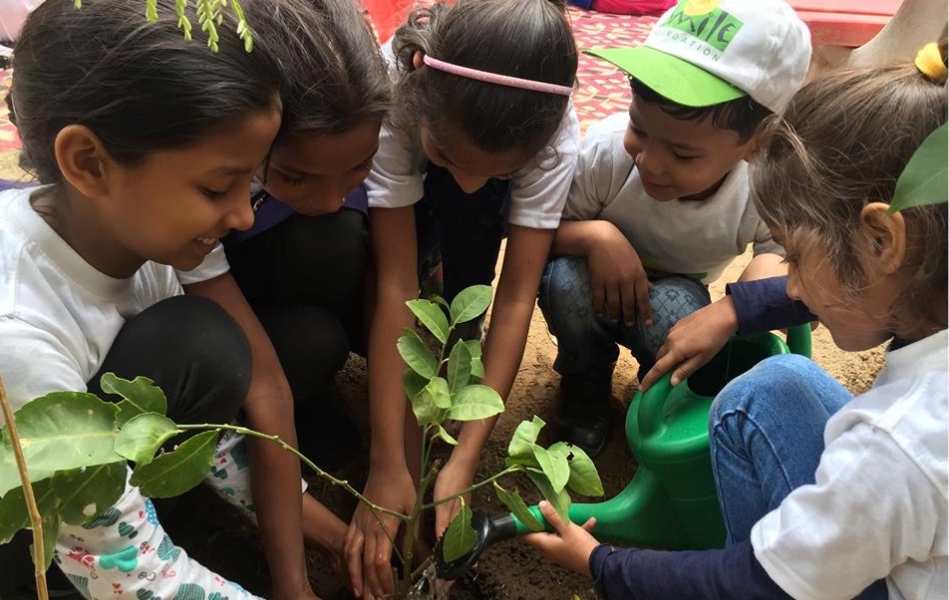
Across India, civil society organisations have long played this bridging role connecting national goals with local realities. Smile Foundation is one such organization working at the intersection of health, education, gender equality and livelihoods, where many of these challenges converge.
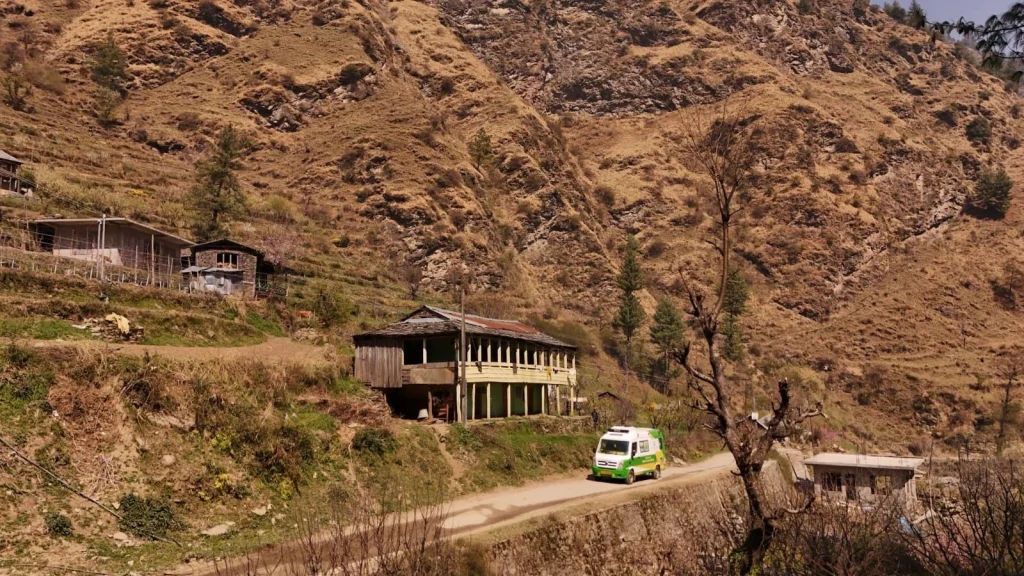
Through mobile healthcare services, community outreach and preventive care programmes, Smile Foundation reaches underserved populations that often fall outside the formal health system. Regular screenings, early diagnosis, maternal and child health services, and health awareness initiatives help address illness before it becomes debilitating. In areas vulnerable to environmental stress, whether due to pollution, heat or poor living conditions, such interventions can mean the difference between resilience and crisis.
Importantly, this work does not treat health in isolation. Nutrition support, education continuity and community engagement are built into programme design, recognising that health outcomes are shaped by multiple, interconnected factors.
Turning uncomfortable rankings into a development roadmap
The fact that India appears in the “top 15” for pollution, climate vulnerability or years lived in poor health should be uncomfortable but it should also be instructive. These rankings point to where systems are under strain and where investment can have the greatest impact.
Reducing air pollution, for instance, requires not only cleaner technologies and stricter regulation, but also protection for those most exposed—children, elderly populations and low-income communities. Climate resilience demands infrastructure that can withstand extreme weather, but also social protection systems that help families recover without long-term loss.
Similarly, improving health outcomes requires a shift in focus from episodic treatment to lifelong well-being. Preventive care, early screening, mental health support and community-based health delivery must become central, not peripheral, to development planning.
Encouragingly, many of these ideas are already being tested on the ground. What remains is scaling what works, strengthening coordination between public systems and civil society, and ensuring that progress reaches those who need it most.
From the wrong lists to the right ones
Being in the top 15 for the wrong reasons does not define India’s future. What will define India, it is how these signals are interpreted and acted upon. Whether air becomes cleaner, health becomes more preventive and communities become more resilient will depend on sustained commitment from policymakers, institutions and citizens alike.
Rankings may shape headlines, but lived experiences shape futures. And those futures, with the right investments and partnerships, remain very much within reach.