Corporate Social Responsibility (CSR) has gained considerable momentum in recent years, becoming an integral part of how businesses operate. At its core, CSR refers to the voluntary actions organisations take to address social, environmental, and ethical concerns in their operations and stakeholder relationships. It reflects a company’s commitment to balancing business goals with creating a positive impact on society.
CSR encompasses a wide range of initiatives—including community development, ethical governance, environmental sustainability, employee welfare, and support for key social issues such as healthcare, education, and disaster relief. Increasingly, organisations are viewing CSR as a strategic tool for stakeholder engagement, particularly with young people.
Recognising that youth are central to the future of any society, many businesses are now aligning their CSR strategies with youth empowerment. Young people play a vital role in shaping social and economic progress, and enabling their participation in the business ecosystem fosters long-term impact. By engaging youth meaningfully, CSR initiatives contribute to building more inclusive, resilient communities.
CSR as a Driver of Social Change
Unlike traditional business models focused primarily on profit, CSR initiatives are guided by the principle of giving back and promoting equity. Their transformative power lies in the potential to create sustainable change at the grassroots.
A powerful example is a company investing in a nationwide scholarship programme, ensuring access to quality education for underprivileged youth and shaping a brighter future for generations to come.
Education and Collaboration: The Foundation of CSR for Youth
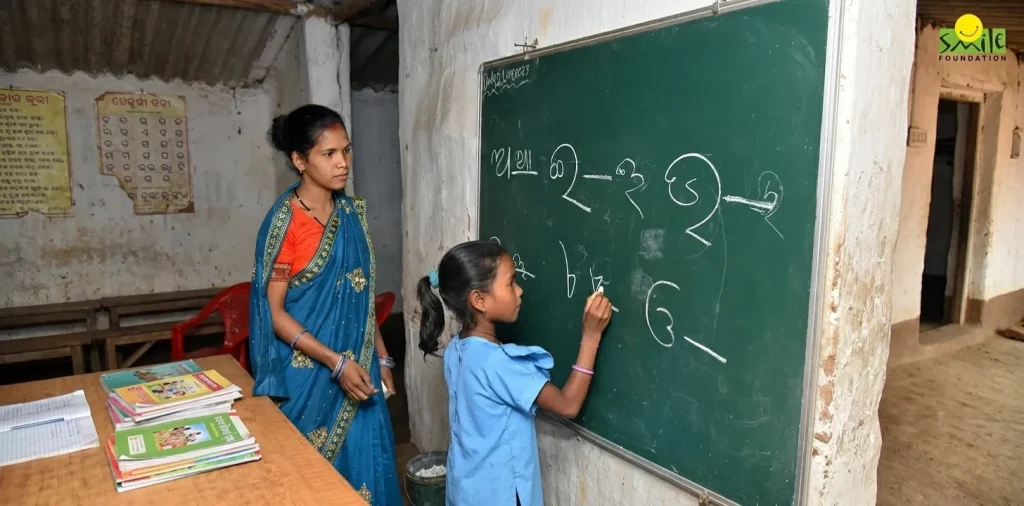
In India, education remains a critical lever for youth empowerment, especially in rural regions where quality learning is often out of reach. According to a 2021 global education index, India ranks 32nd, highlighting the urgent need for targeted interventions.
Through well-designed CSR programmes, corporates can bridge this gap by supporting initiatives that enhance learning outcomes in underserved areas. Collaborative efforts can introduce digital infrastructure in rural schools—providing laptops, internet connectivity, and access to digital content.
Such digital transformation not only improves the quality of education, but also boosts attendance, digital literacy, and student engagement, making learning more inclusive and future-ready.
Enabling Young Changemakers and Social Entrepreneurs
We are witnessing the largest youth population in history—and CSR must evolve to match their potential. One forward-thinking approach is to support young social entrepreneurs running not-for-profit initiatives. These youth-led organisations are often deeply committed to social impact and bring fresh, agile solutions to persistent challenges.
By trusting and investing in these emerging leaders, corporates can multiply the scale and reach of their CSR outcomes. Some companies already support youth entrepreneurship through incubation, mentorship, and funding—encouraging innovation, job creation, and grassroots economic development.
How CSR Initiatives in India Empower Youth
CSR efforts in India are increasingly aligned with youth development goals, focusing on areas such as education, skill training, health, and entrepreneurship. Some common ways CSR is making a difference:
- Skill Development: Many companies fund training programmes in areas like technology, hospitality, and manufacturing to make youth job-ready. These are often implemented in collaboration with NGOs and vocational institutes.
- Youth Employment: By hiring local youth or creating livelihood opportunities, companies help drive economic stability and encourage a more peaceful and productive business environment.
- Health & Wellness: CSR programmes also promote mental health, hygiene, and nutrition through awareness drives and healthcare access—especially in rural communities.
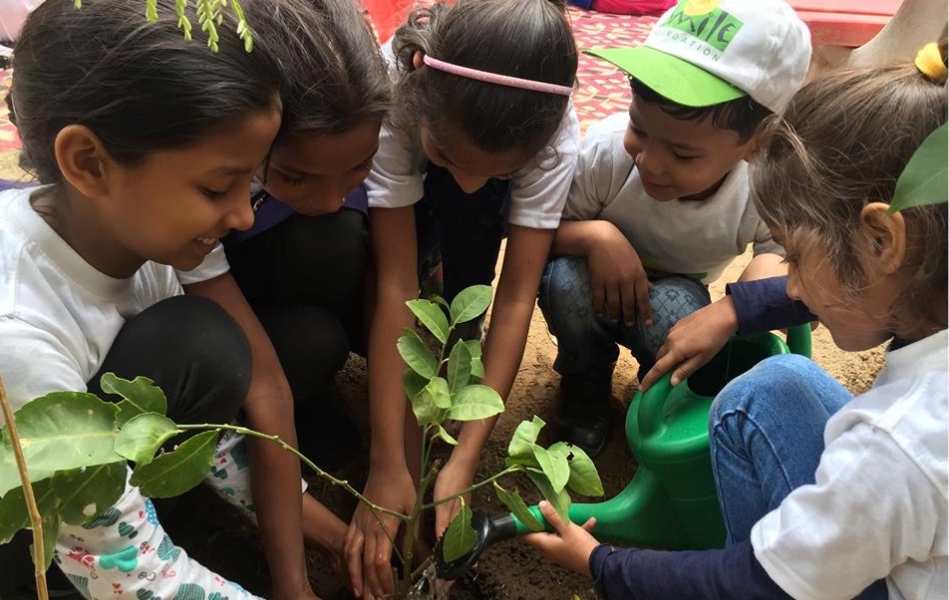
- Sustainability Engagement: Young people are also involved in climate action, waste management, and green practices as part of CSR-led environmental awareness campaigns.
- Leadership & Community Service: Programmes encouraging youth participation in leadership and volunteer roles help build skills like communication, teamwork, and social responsibility.
Smile Foundation’s CSR Collaborations for Youth Empowerment
Since its inception in 2001, Smile Foundation has been committed to enabling underserved communities through education, healthcare, women’s empowerment, and livelihood training. One of its flagship programmes, the Smile Twin e-Learning Programme (STeP), has become a leading platform for youth-focused CSR collaborations.
Through STeP, Smile Foundation delivers skill development and job-readiness training to underprivileged youth, helping them access meaningful employment opportunities. The results speak for themselves:
- 90,000+ youth trained
- 56,000+ youth placed in over 400 reputable companies
- A majority of trainees are young women, contributing directly to gender inclusion and empowerment
These numbers reflect the programme’s deep impact—and its potential for further growth through CSR partnerships. As India’s youthful population seeks to contribute meaningfully to society, partnerships with organisations like Smile Foundation can amplify economic development and drive sustainable change.
Conclusion:
As the CSR landscape evolves, its focus on youth empowerment is both timely and essential. By investing in the next generation—through education, skill-building, health, and entrepreneurship—corporates are not just fulfilling social responsibilities, but also shaping a stronger, more inclusive India.