
Every day, truck drivers—unsung heroes who deliver everything from food and medicine to the smartphones in our pockets—power the Indian economy. However, the life of a truck driver remains arduous and largely unknown. Long hours behind the wheel, irregular rest, poor posture, and inactivity all contribute to chronic pain, joint strain, and long-term musculoskeletal disorders, coupled with poor working conditions, little access to nutritious food and adequate healthcare takes a significant and often invisible toll on their physical and mental well-being. Yet, most seek help only when the pain becomes debilitating—too late for simple solutions. For many, the physical toll results in a steady, silent deterioration of their health and livelihood.
Their injuries
The most common occupational injuries among professional drivers are musculoskeletal diseases (MSDs) of the neck, back, and upper extremities. Drivers who miss work due to MSD-related injuries suffer not only physical suffering but also financial damages. According to studies, MSDs cause 33% of all occupational illnesses and injuries.
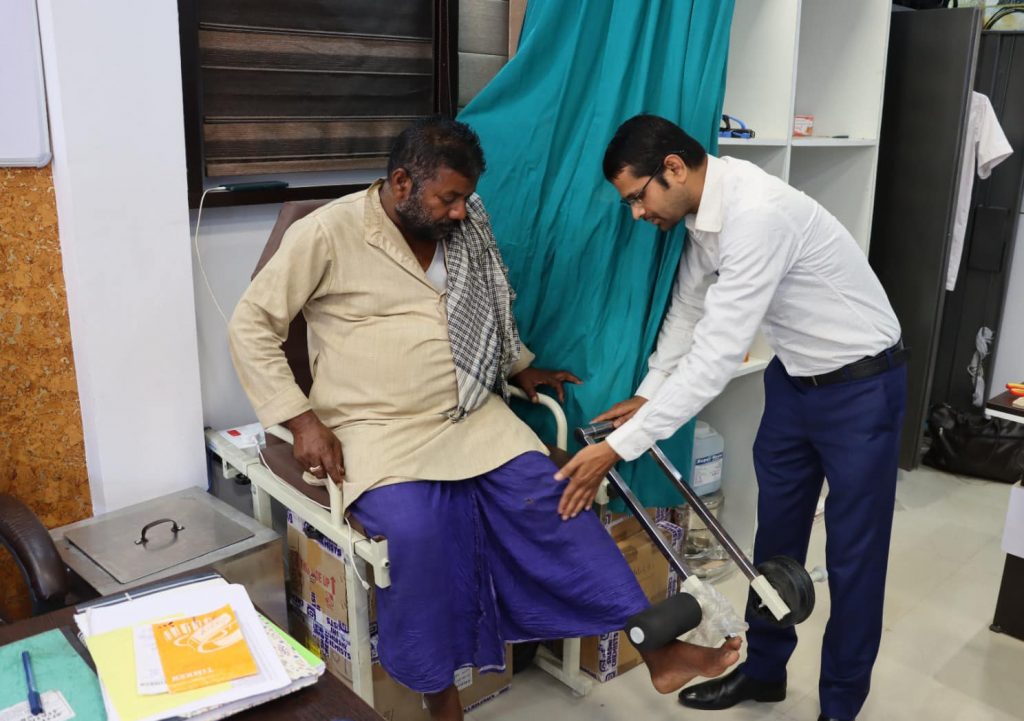
Here lies a powerful opportunity for corporate India, particularly stakeholders in logistics, retail, e-commerce, and manufacturing. Companies may develop a healthier, more resilient trucking workforce by investing in preventative physiotherapy as part of their CSR or wellness initiatives, as well as building ethical supply chains that care for people who keep them operating. HDB Financial Services (HDBFS) has established its seventh Transport Aarogyam Kendra (TAK) in Indore, in collaboration with the Smile Foundation. TAK is a healthcare institution dedicated particularly to the well-being of truck drivers.
Each TAK:
- Offers free physiotherapy consultations and exercises for truckers.
- Provides access to general health check-ups, eye exams, and lifestyle counselling.
- Operates in transport hubs and logistics parks, ensuring easy access to drivers where they work and rest.
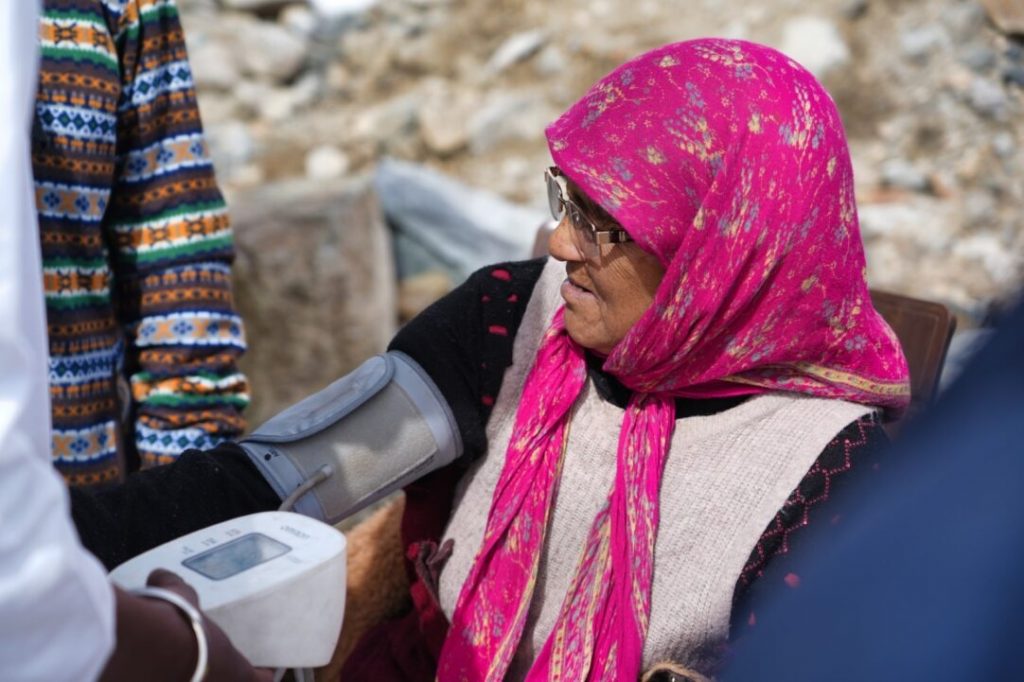
Alongside these centres, Smile Foundation deploys its flagship Smile on Wheels mobile medical units. These vans bring doctors, paramedics, diagnostic services, and free medicines directly to trucking zones and highways—ensuring healthcare is both accessible and continuous.
In just the last year, Smile Foundation’s mobile healthcare units have conducted thousands of physiotherapy sessions, delivered preventive care education, and helped drivers identify and treat symptoms before they became severe. This kind of early intervention model is both scalable and sustainable.
What is preventive physiotherapy?
Preventive physiotherapy, with its focus on early posture correction and mobility, could break this cycle. It is a cheap and effective way to keep India’s truck drivers moving without discomfort. Instead of waiting for problems to develop, it identifies risk factors early and addresses them before they cause pain or injury. It can be as simple as a 10-minute stretch routine during refuelling breaks or periodic visits from mobile physiotherapy units. When done consistently, these small changes can reduce long-term injuries, improve stamina, and help drivers stay on the road—safely and sustainably. It’s not just about treatment. It’s about giving drivers a fighting chance.
Why corporate India should step in
India’s logistics engine depends on its truck drivers, yet their health remains dangerously neglected. Corporates— Businesses, especially those in e-commerce, fast-moving consumer goods (FMCG), and supply chain operations, need to change this for moral and strategic reasons. Companies who are ahead of the curve know that spending money on driver health is not just the right thing to do, but also a smart business move that pays off in the following ways:
Strong Business Case
Healthier drivers mean fewer sick days, reduced attrition, and better performance. This has a positive impact on delivery timelines, fuel efficiency, and workforce morale—translating care into cost savings.
Enhanced Public Image
In an era of conscious consumerism, showing genuine concern for frontline workers improves public trust. Customers notice when brands treat their workforce.
Competitive Advantage
Companies that offer full health benefits, such as preventive physiotherapy, can position themselves as progressive employers who really care about the health of their drivers. This is especially helpful for attracting and retaining skilled drivers and competing with companies that simply offer minimal pay.
Key corporate initiatives include:
- Mobile health units that offer physiotherapy services at truck stops and highway rest areas.
- Technology-based solutions include driver health apps, wearable devices for posture monitoring, and telemedicine consultations. They can add basic wellness solutions, such applications with stretching exercises, reminder alerts, or films, to logistical platforms that are already in use.
- Working with physiotherapy clinics, NGOs and hospitals to establish full networks of preventative care.
- Adding to current wellness initiatives to give contracted drivers and fleet partners the same health benefits as employees.
- The education part can include things like being aware of how your body works, how to securely move freight and equipment, how to sit up straight, when to take breaks and change positions, how to see early signs, how to sleep properly, and how to eat well.
- Regular screenings can happen every three or six months, just like how corporations examine their employees’ health on a regular basis.
While road safety and fatigue have attracted some public attention, one critical area remains alarmingly overlooked: preventive physiotherapy. Truck drivers in India are the backbone of our economy, yet their health is not a priority. Corporate India has to start taking genuine, proactive action. Investing in physiotherapy isn’t charity; it’s sensible, long-lasting, and fair. A driver who is healthier now will make the supply chain safer and stronger tomorrow. Without their diligent efforts, the sophisticated web of supply chains that powers India’s economy would come to a halt. With the right design, care can meet them where they are—on the move.
Life on the Road
Meet Rajesh, a truck driver who spends over 12 hours a day behind the wheel, delivering essential goods across India. Long hours, irregular meals, and no time for rest take a toll on his health.
Pain Sets In
After years of work, Rajesh starts experiencing severe lower back pain and stiffness in his neck. The discomfort makes driving harder and more dangerous.
Meeting Smile Foundation
During a stop in Indore, Rajesh visits a Transport Aarogyam Kendra run by Smile Foundation and HDB Financial Services. He meets a physiotherapist who helps him understand the cause of his pain.
Preventive Physiotherapy Begins
He learns simple exercises, posture correction techniques, and stretches he can do during breaks. He feels relief within days and commits to regular sessions.
Back on the Road, Healthier
Rajesh is back on the road—stronger, more aware, and pain-free. Preventive physiotherapy has changed his life, and now he encourages fellow drivers to take charge of their health too.