
In Ambedkar Nagar, Nizampura, Vadodara, houses stand close enough for conversations to drift from one balcony to another. Children zoom past narrow lanes and shared spaces double as gathering points, play areas and passageways. It is a community bound by proximity, and that proximity, while fostering social cohesion, also carries a vulnerability.
In densely populated settlements, a seasonal cough is rarely quickly becomes a community concern.
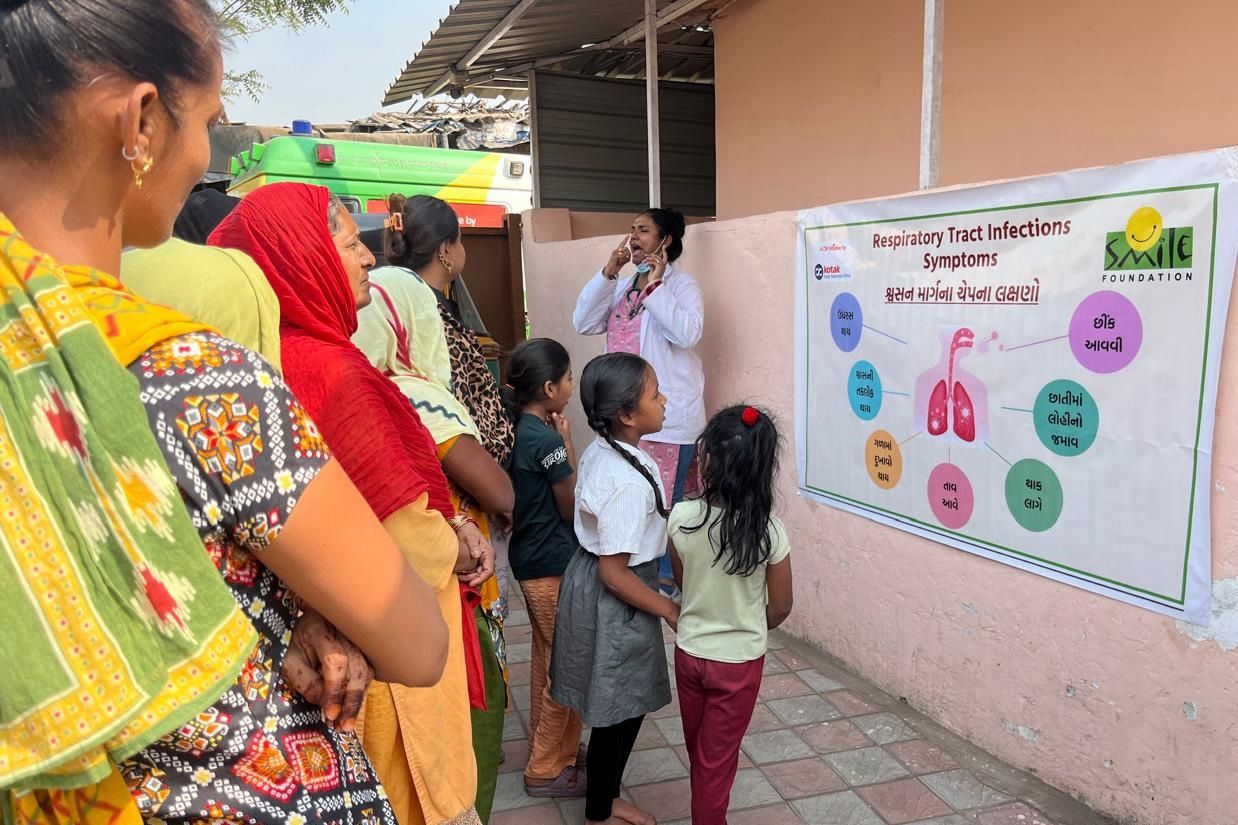
It was against this backdrop that the Smile on Wheels team organised an awareness session on Respiratory Tract Infections (RTIs), focusing on seasonal illnesses that frequently circulate in such environments. The objective was straightforward: to equip residents with knowledge that could prevent minor infections from escalating into serious health complications.
The session was about symptoms and their prescriptions. It was also about recognition of risk, of responsibility and of the thin line between preventable illness and avoidable suffering.
The Persistent Burden of Respiratory Tract Infections
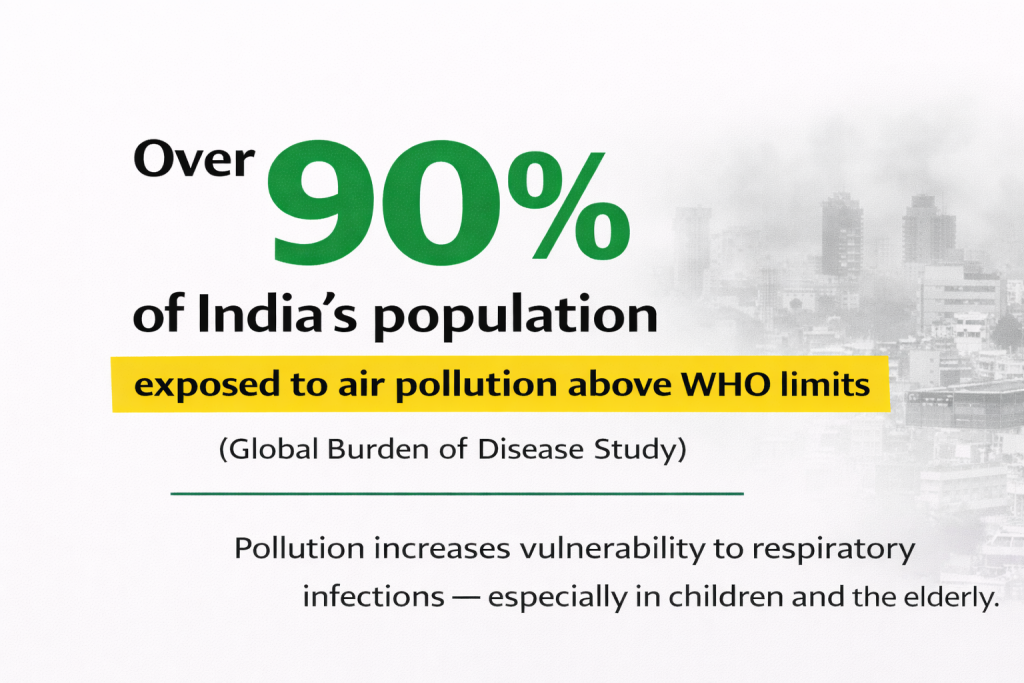
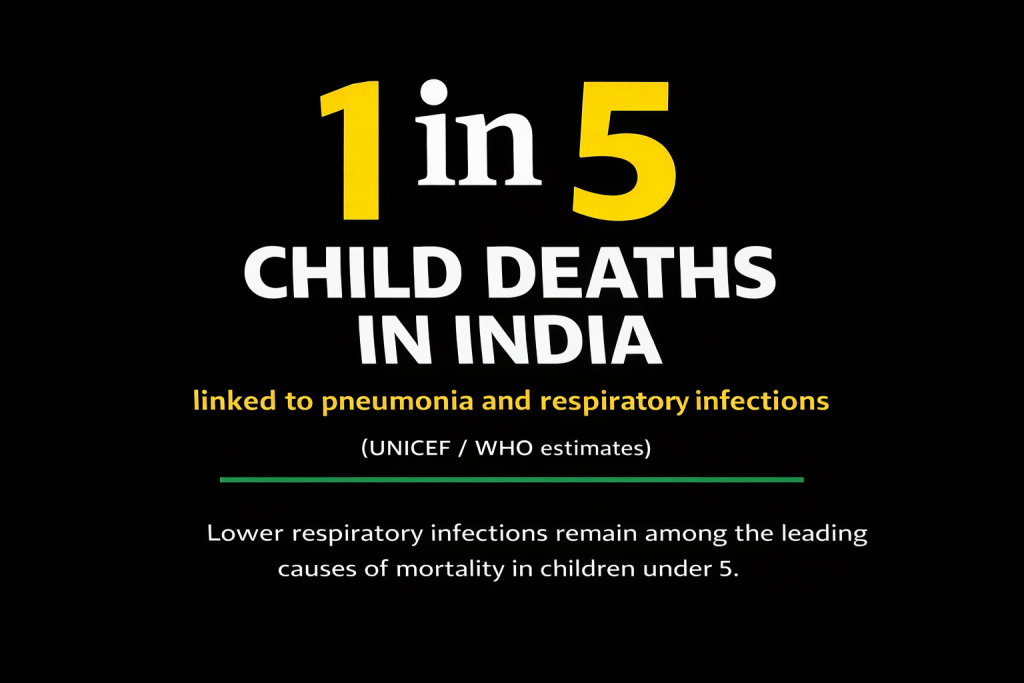
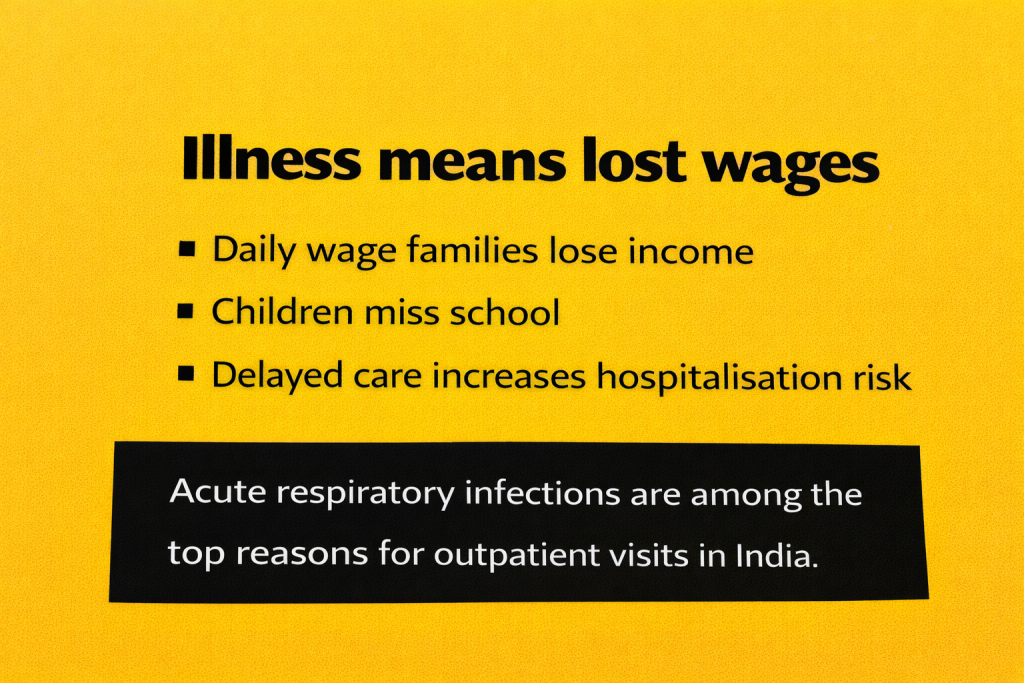
Respiratory tract infections remain among the most common illnesses affecting communities across India. From the common cold and seasonal influenza to more serious lower respiratory infections such as pneumonia, these conditions account for a significant share of outpatient visits and hospitalisations, particularly among children and the elderly.
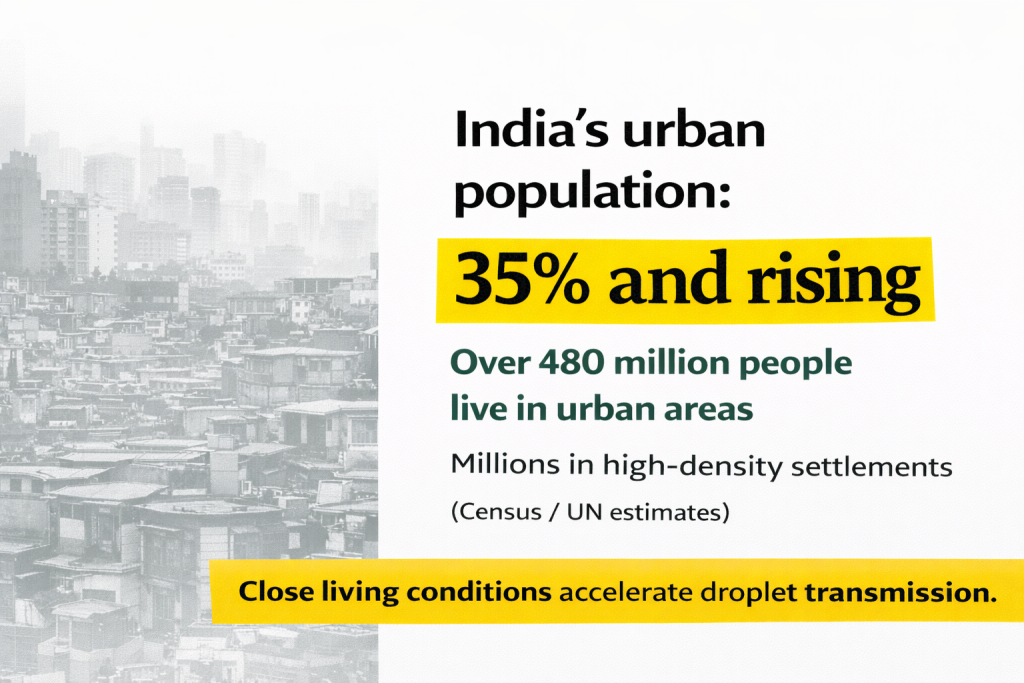
In urban settlements where living spaces are compact and ventilation is often inadequate, infections can spread rapidly through droplets, shared surfaces and close contact. Seasonal fluctuations, especially during monsoon and winter months, further increase vulnerability.
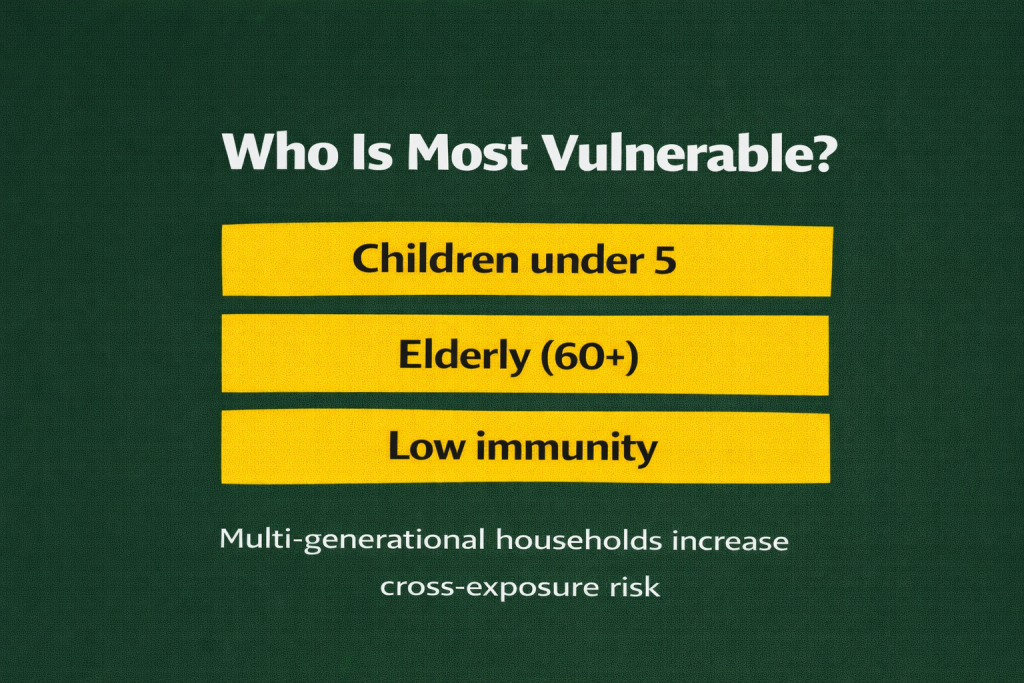
For children, elderly individuals and those with weakened immunity, respiratory infections can lead to complications that require hospitalisation. For families dependent on daily wages, illness can also translate into lost income and mounting expenses.
A Community Conversation in Nizampura
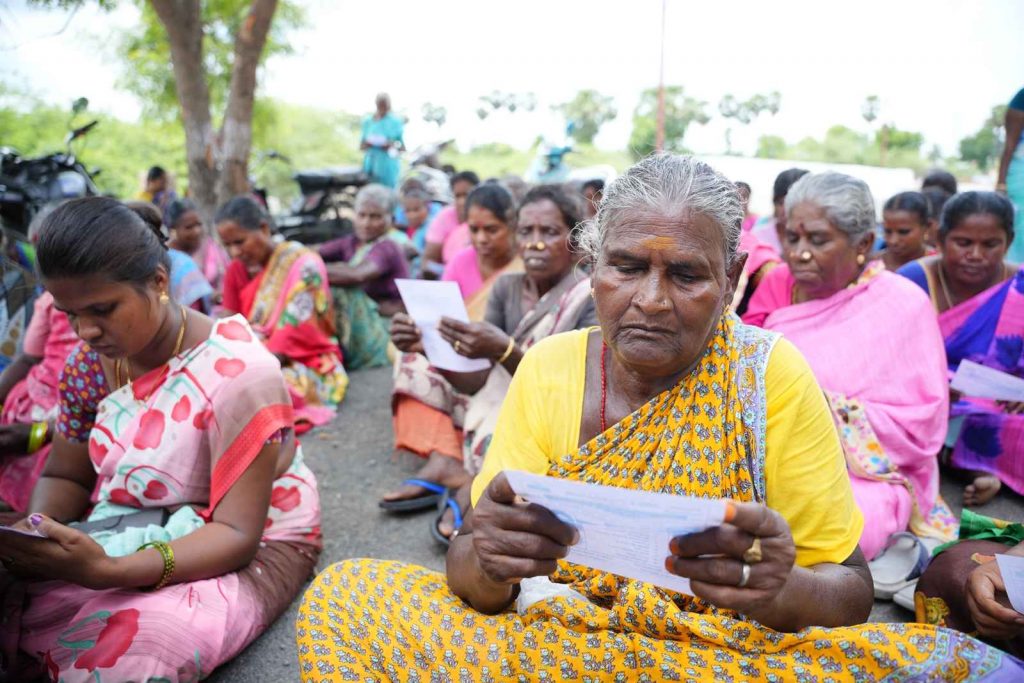
The awareness session in Ambedkar Nagar brought together residents in a structured yet informal setting. The Smile on Wheels doctor and Community Health Officer (CHO) led the discussion, focusing on practical information tailored to local realities.
They began by explaining the common causes of respiratory infections, viral and bacterial pathogens that circulate more intensely during seasonal transitions. Modes of transmission were outlined clearly: droplets expelled during coughing and sneezing, contaminated surfaces and prolonged exposure in poorly ventilated spaces.
Importantly, the discussion did not assume prior knowledge. Symptoms were described in accessible language like persistent cough, fever, sore throat, fatigue, breathing difficulty. Participants were encouraged to distinguish between mild, self-limiting symptoms and warning signs that require medical attention.
The session emphasised high-risk groups: young children, whose immune systems are still developing; elderly residents, who may have underlying conditions; and individuals with low immunity. In communities where multi-generational households are common, protecting the vulnerable requires collective vigilance.
Prevention as Collective Practice to deal with respiratory tract infections
Much of the conversation centred on simple, actionable prevention strategies.
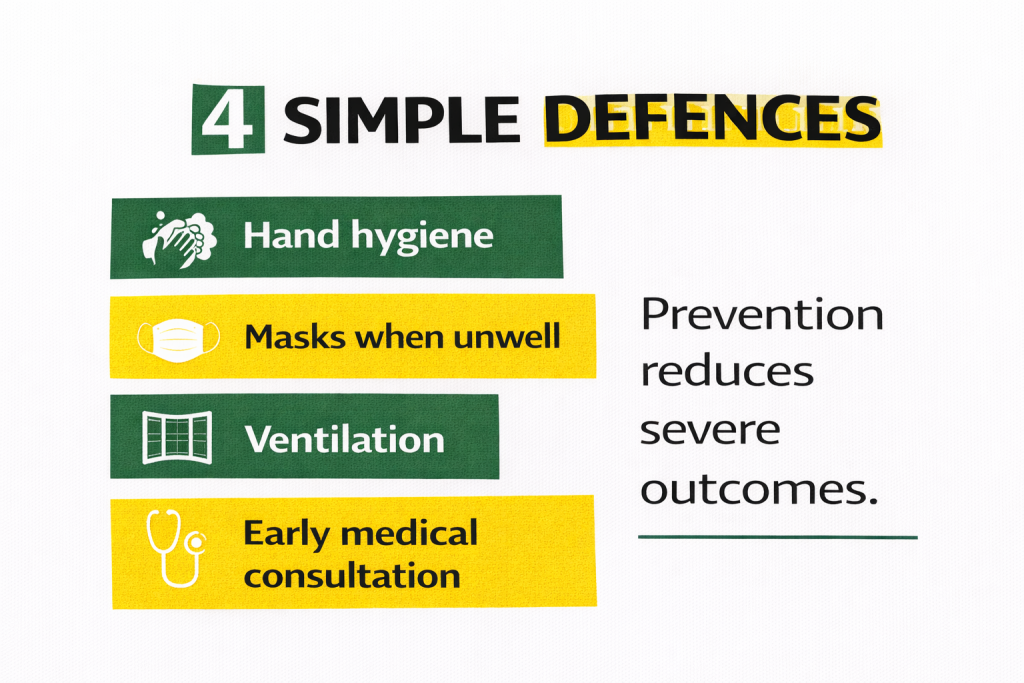
Maintaining hand hygiene through regular washing with soap was reinforced as a first line of defence. Residents were encouraged to cover their mouths when coughing or sneezing and to wear masks when unwell to prevent transmission within households.
Ventilation emerged as a crucial theme. In compact homes where airflow is limited, even small measures like opening windows when possible, reducing overcrowding in enclosed spaces, can reduce infection risk.
The residents were advised to seek medical care early if symptoms persist, do not ignore breathing difficulty, avoid self-medication without consultation and use available services.
In a setting where minor symptoms are often tolerated until they become severe, timely consultation can prevent escalation.
The Role of Mobile Healthcare
The awareness activity also highlighted the importance of accessible healthcare. For many residents in densely populated urban pockets, healthcare access is constrained by distance, cost and time.
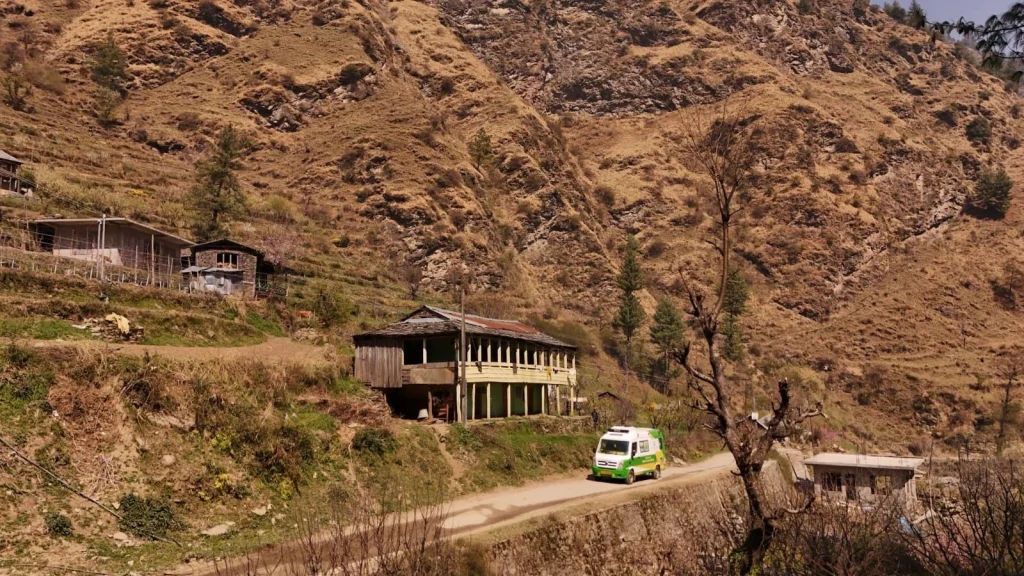
Smile on Wheels, as a mobile healthcare initiative, bridges this gap by bringing medical services directly into communities. But clinical care alone is not sufficient. Preventive education is equally critical.
Awareness sessions serve as extensions of care, transforming passive recipients into informed participants. When residents understand transmission pathways and early warning signs, they become active agents in preventing outbreaks.
This dual approach of treatment and education strengthens resilience at the community level.
Why Awareness Matters in Dense Urban Settings
Urban India’s growth has been accompanied by increasing population density in informal and low-income settlements. Crowded living conditions, limited ventilation and shared sanitation facilities create environments where respiratory infections can spread quickly.
In such contexts, awareness is not an optional supplement to healthcare delivery. It is foundational.
Information gaps often allow misconceptions to flourish. Coughs may be dismissed as “seasonal” without monitoring progression. Fever may be treated at home without understanding underlying causes. Delayed care-seeking can lead to complications that are otherwise preventable.
Community-level education reduces these delays. It encourages early detection, responsible behaviour during illness and protective measures for vulnerable family members.
Importantly, it also reduces stigma. Wearing a mask while unwell, for instance, becomes an act of consideration rather than embarrassment.
Beyond Symptoms: Building Health Literacy
The Ambedkar Nagar session underscores a broader public health imperative: strengthening health literacy in communities.
Health literacy goes beyond knowing what an illness is. It involves understanding risk, recognising symptoms, navigating care pathways and making informed decisions.
When residents are guided on when to seek medical attention and what treatment options are available, healthcare shifts from reactive to proactive.
In densely populated areas, this shift can significantly reduce the burden on hospitals and prevent avoidable complications.
A Model Rooted in Prevention
The awareness session in Nizampura may appear modest in scale. It did not involve advanced diagnostics or complex interventions. But its significance lies in its preventive orientation.
Public health gains are often measured in what does not happen: infections that do not spread, hospitalisations that are avoided, complications that never arise.
By addressing respiratory tract infections through community dialogue, the Smile on Wheels team reinforced an essential principle that prevention begins with information.
The Power of Community Engagement
In policy discussions, respiratory infections are often framed in terms of surveillance, vaccination and treatment protocols. These are vital components. But community engagement remains an equally important pillar.
When health professionals enter neighbourhoods not only to treat but to converse, they build trust. That trust enables earlier reporting of symptoms, greater adherence to preventive advice and more responsible health behaviour.
In Ambedkar Nagar, the session was not a lecture delivered from a distance but an exchange. Residents asked questions, concerns were addressed and myths were clarified.
Such interactions strengthen the social fabric of public health.
Looking Ahead
Respiratory tract infections will continue to circulate with seasonal cycles. Urban density is unlikely to decrease. Climate variability may further influence transmission patterns.
In this landscape, community-level awareness is not episodic work. It is continuous work.
The session in Nizampura illustrates how targeted, context-sensitive interventions can enhance preparedness at the grassroots level. It demonstrates that public health is most effective when it meets people where they are — in their neighbourhoods, in their daily environments.
A cough may travel quickly in dense communities. But so can knowledge.
And when knowledge spreads first, illness spreads less.