
In India, child marriages continue to be one of the deep-rooted social challenges to development, affecting individual rights, women’s empowerment, health, education and the future of millions of children, especially girls. With a marriage between two partners, with one or both of them under the legally permissible age, child marriages have long been tied to cycles of poverty, gender discrimination and limited access to education.
However, in recent years, there has been a significant decline in instances of child marriages in India, signalling a notable shift in social attitudes and governance responses. Emerging evidence from studies and research show that NGO-led awareness campaigns, government interventions, strong policies in place and targeted community interventions, among others, have played a key role in transforming these longstanding social norms.
However, while the decline is seen as an important milestone in the country’s social development, it also requires a deep-dive into the factors that have driven this progress, to understand how India can sustain it to ensure that the practice is entirely uprooted.
What does Data State?
According to a report by Just Rights for Children (JRC), released during a UNICEF side-event in September this year, child marriages have shown a significant drop in recent years. Between April 2022 and March 2025, child marriages declined by a 69% drop among girls and 72% among boys.
Breaking it down by state, Assam leads the way; child marriages of girls in Assam have fallen by 84%, and among boys by 91%. Maharashtra and Bihar also saw 70% reductions in child marriages for girls, while Rajasthan recorded a 66% decline and Karnataka saw a 55% drop.
These numbers reflect the impact of India’s long-sustained efforts, from government and civil societies, to fight social challenges. For instance, in Assam, experts attribute the sharp decline to a “zero-tolerance” approach, which involves strict law enforcement, frequent legal actions such as filing of FIRs and arrests. The report describes legal deterrence as one of the strongest tools in pressuring families to avoid child marriage.
But legal action alone doesn’t tell the whole story. Awareness campaigns played a huge role, too. People across the surveyed regions reported very high recognition of government efforts, especially the Bal Vivah Mukt Bharat campaign, with nearly 99% of respondents saying they were aware of it. In Karnataka, 92% of respondents said awareness drives were the most effective tool, while 50% highlighted prosecutions via FIRs and arrests.
What does it Mean?
Perhaps, this only shows how different regions are responding well to tailored strategies, with education, correct enforcement and community engagement. Take Assam’s example for instance. The rapid drop in child marriage rates shows that strong political will and clear legal consequences can shift entrenched social behaviours. Meanwhile, Maharashtra, Bihar, Rajasthan and Karnataka — all distinct in their social structure, economy and traditions — are also experiencing significant declines, which suggests that this is not just a success story for one region but a broader movement.
This decline is not only a statistical achievement; for ordinary families, it translates into real change. Fewer underage marriages mean more girls and boys are being able to stay in school and complete their education. This lets them grow up and become financially independent and make choices about their lives instead of being forced into adult roles early. This leads to a transition in mindset among communities, which are gradually internalising that child marriage often leads to worse outcomes in health, education, and well-being. The combined impact of legal deterrence, widespread awareness and on-the-ground civil society work appears to be reshaping how people think about child marriage, from an accepted tradition to a practice to be actively discouraged.
Overall, these data reflect not just a policy victory, but a social one. They suggest that when governments act decisively and when communities are empowered with knowledge, entrenched harmful practices like child marriage can be reversed. The decline across multiple states provides a powerful signal: India is moving closer to a future in which child marriage is not just legally prohibited but socially unacceptable.
What are the Key Drivers of Child Marriage in India?
While strong legal action and awareness campaigns have contributed to the decline in child marriages, there are deeper socio-economic factors that need to understood.
Poverty remains the strongest driver. In many of the surveyed states, over 90% of respondents identified poor financial conditions as the primary reason families marry off their children early. When parents struggle to afford food, schooling or basic household necessities, marrying off a daughter often feels like one less financial burden. Economic hardship also makes families more vulnerable to social pressure, where early marriage is framed as a practical solution rather than a harmful choice.
Beyond poverty, there are safety concerns for girls, with around 44% of respondents citing fear of sexual violence or harassment in public spaces as a major reason for marrying girls young. In communities where parents feel unable to guarantee their daughters’ safety, marriage becomes a protective measure — even though it often exposes girls to more severe risks. Traditional beliefs also continue to influence decisions. Between 28% and 33% of respondents across states mentioned cultural norms around family honour, purity and social expectations as factors that encourage early marriage.
Barriers to education are another critical contributor. In many rural areas, shortages of nearby schools, lack of transport, concerns about safety during travel and the cost of schooling push children, especially girls, out of education. Once a child drops out, marriage becomes the next expected step. The report emphasises that improving educational options and alleviating economic stress are crucial to preventing child marriage sustainably, highlighting the need for social reform to be accompanied by legal reforms.
The Continued Challenges that Remain
Although child marriages are declining, several challenges continue to slow progress. One major issue is the uneven pace of change across different regions. While some states have shown dramatic reductions, others continue to struggle due to weaker enforcement, lack of grassroots mobilisation or deeply entrenched social norms. In many villages, child marriage remains a quiet, socially accepted practice, carried out at night or in secret to avoid legal scrutiny. Poverty continues to push families towards early marriage, especially when they see no alternative path for economic security or upward mobility.
Social norms and gender expectations also remain difficult to dismantle. Even when families know the law, traditional beliefs around protecting a girl’s “honour” or getting her married “at the right age” often override legal deterrents. Awareness of formal reporting mechanisms such as child helplines, Child Welfare Committees, and district authorities remains patchy, making it hard for communities to intervene. Additionally, limited access to quality education and safe schooling environments makes it difficult for girls to stay in school, which is one of the strongest protections against early marriage. These persistent risks underline the need for sustained, long-term strategies that combine awareness, economic support and stronger institutional mechanisms.
Education and Community Interventions: The Way Forward
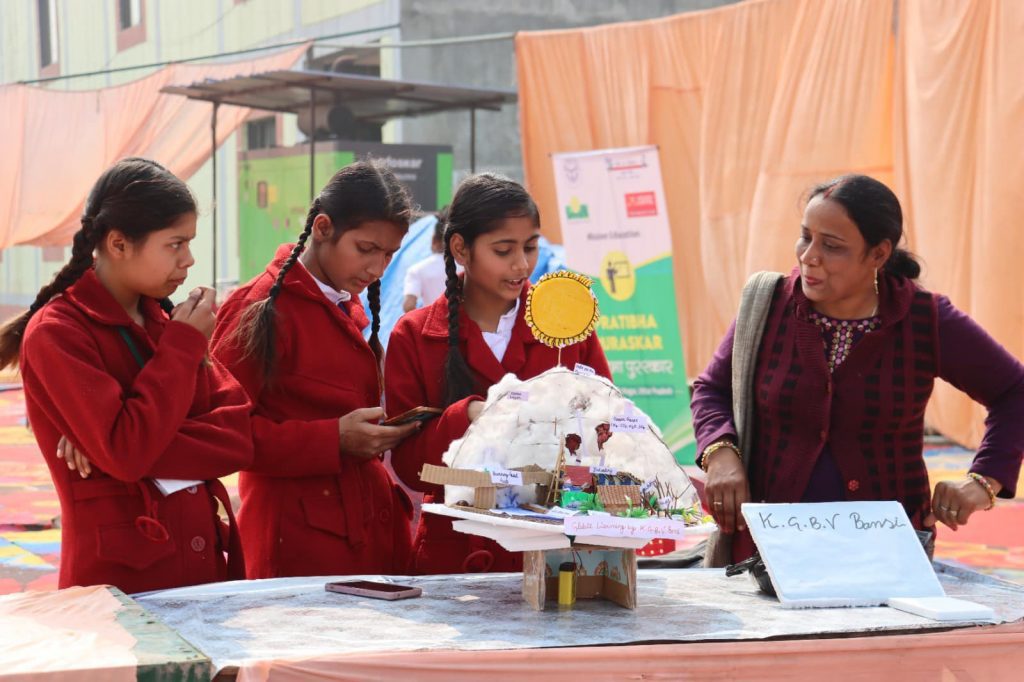
Interventions and community interventions have always played a crucial role in eradicating social challenges. For instance, Smile Foundation has been breaking the cycle of child marriage through our long-term investment in girls’ education. By placing education at the heart of its mission, Smile’s flagship programme Mission Education supports children aged 3 to 18 in difficult circumstances, including girls who are especially vulnerable to early marriage. Through this programme, Smile not only provides academic learning but also nutrition, healthcare support and safe school environments.
To directly address the link between education and early marriage, the foundation has emphasised that keeping girls in school empowers them to resist pressure to marry young. Our Swabhiman scholarship initiative further ensures that first-generation girl learners who face the risk of dropping out early due to marriage are supported not just to complete their education but also to develop life skills such as decision-making, refusal and conflict management.
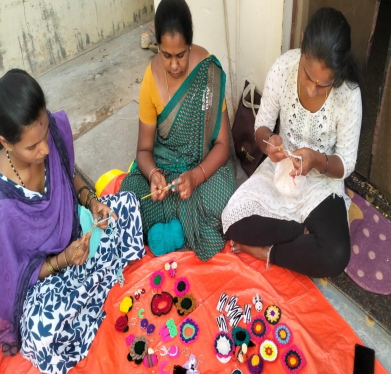
By taking a lifecycle approach, Smile doesn’t just stop at educating girls; it extends help to their families and communities via health interventions, women’s empowerment and livelihood training. This holistic strategy helps reduce the economic vulnerabilities and social pressures that often drive child marriages.