
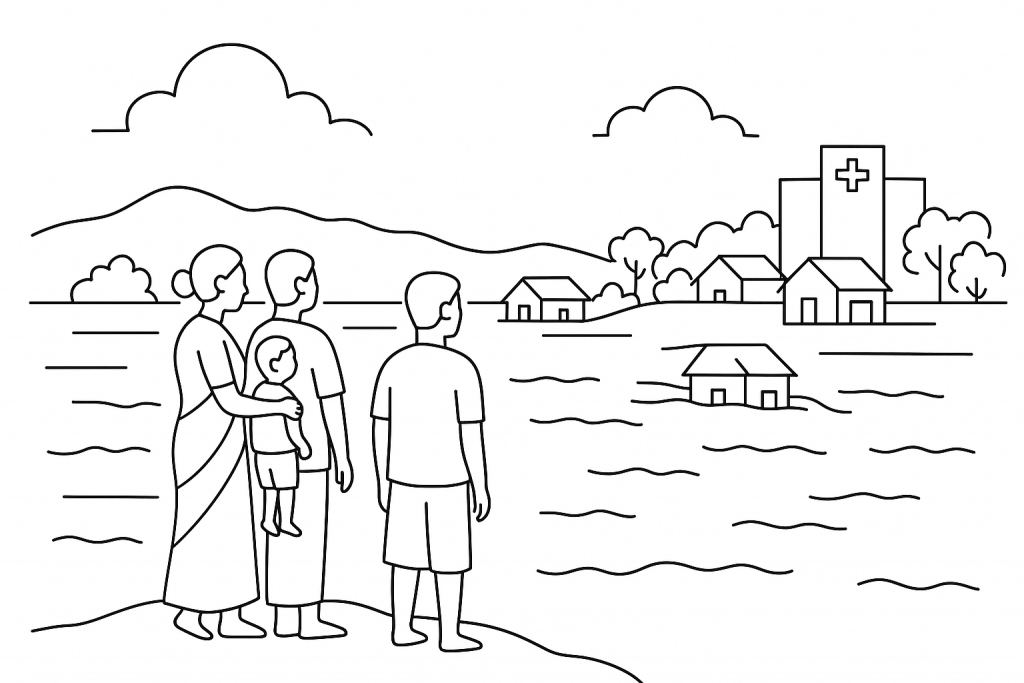
As the torrential rain lashed and the Brahmaputra raged, in late May and early June 2025, devastating floods and landslides in Assam and other Northeastern states of India, impacted over 364,000 people across 19 districts in Assam alone. Every year, millions of people are displaced and extensive property, crops and livestock are destroyed in annual floods in Assam and in downstream Bangladesh. Floodwaters cover roads, and many river islands remain cut off for extended periods, making it difficult to reach essential medical services. Therefore, it is clear that delivering sustained and emergency healthcare in riverine regions presents numerous challenges.
Boat clinics: Bringing the clinic to the people
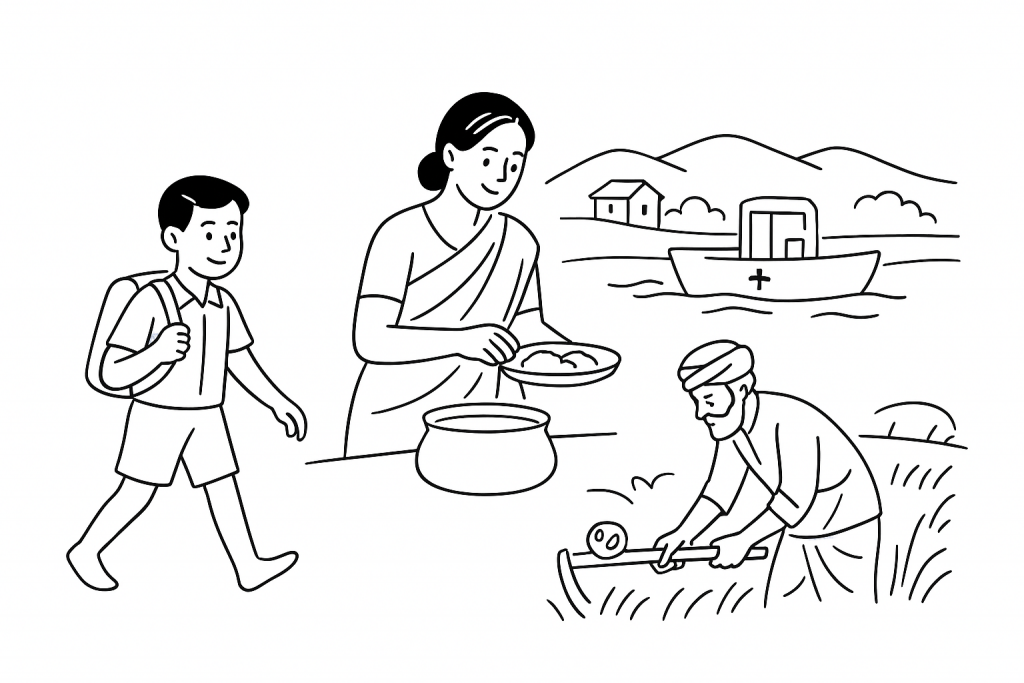
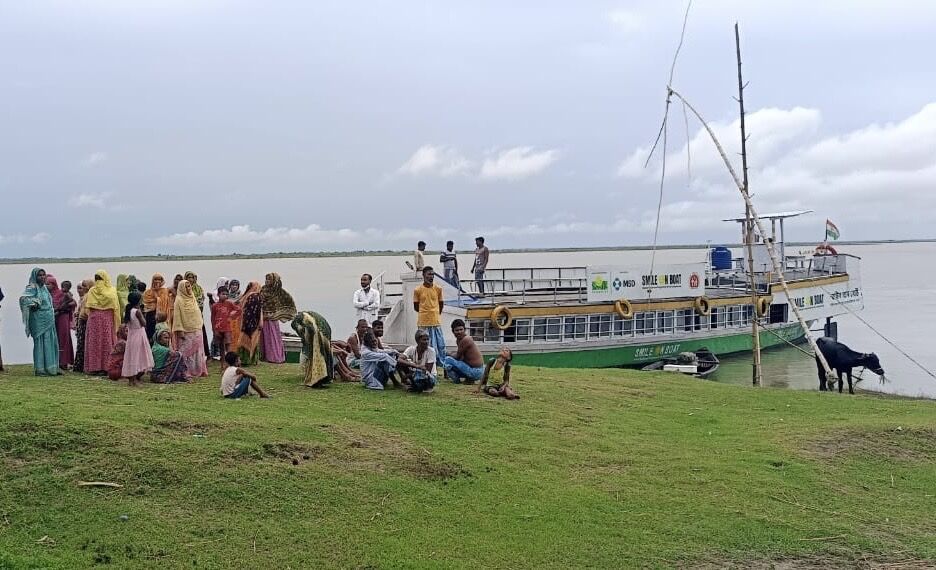
Today, in Brahmaputra, a boat painted in white and blue makes its way towards a cluster of huts perched on an island. It carries some valuables — a doctor, a nurse, a counsellor, a stack of medicines, diagnostic tools, and, perhaps most importantly, hope. This is the Smile Foundation’s mobile boat clinic, launched in South Salmara under a CSR partnership with MSD Pharmaceuticals. The boat clinic is bringing primary healthcare to some of Assam’s most inaccessible communities — the riverine islands that dot the state’s vast waterways.
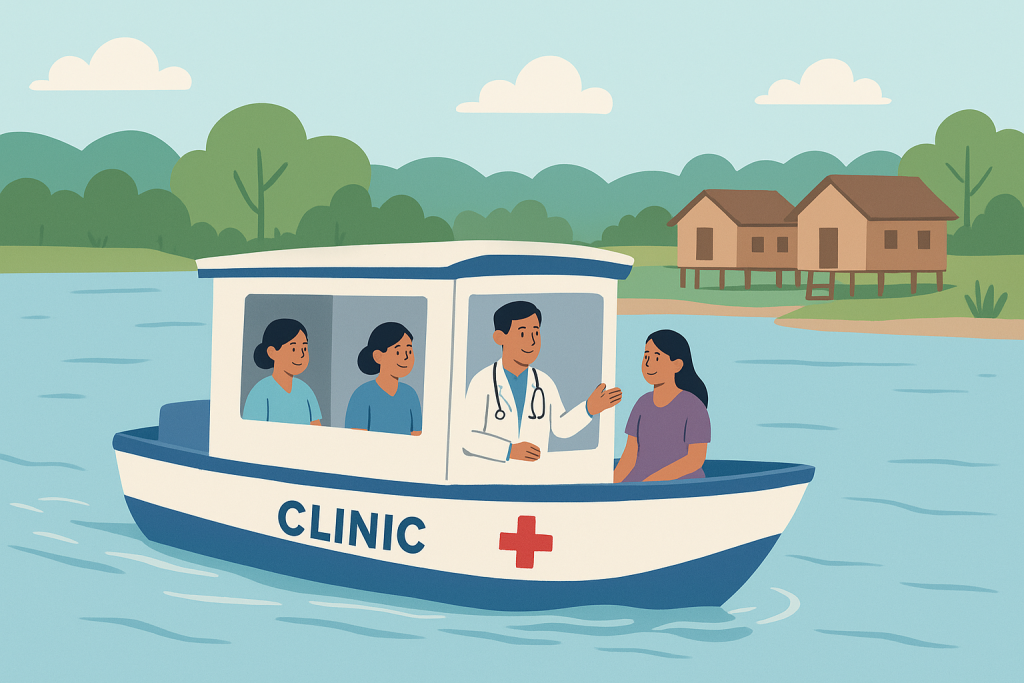
These islands are home to thousands of families who often live hours away from the nearest brick-and-mortar health facility. Moreover, the doctors often hesitate to work in remote areas, where low literacy rates, diverse dialects and poor mobile coverage impede health education. For them, seeking medical care has traditionally meant a chain of out-of-pocket expenses: hiring a boat to the mainland, paying for transport to the district hospital, losing a day’s wages and bearing the cost of treatment and medicines.
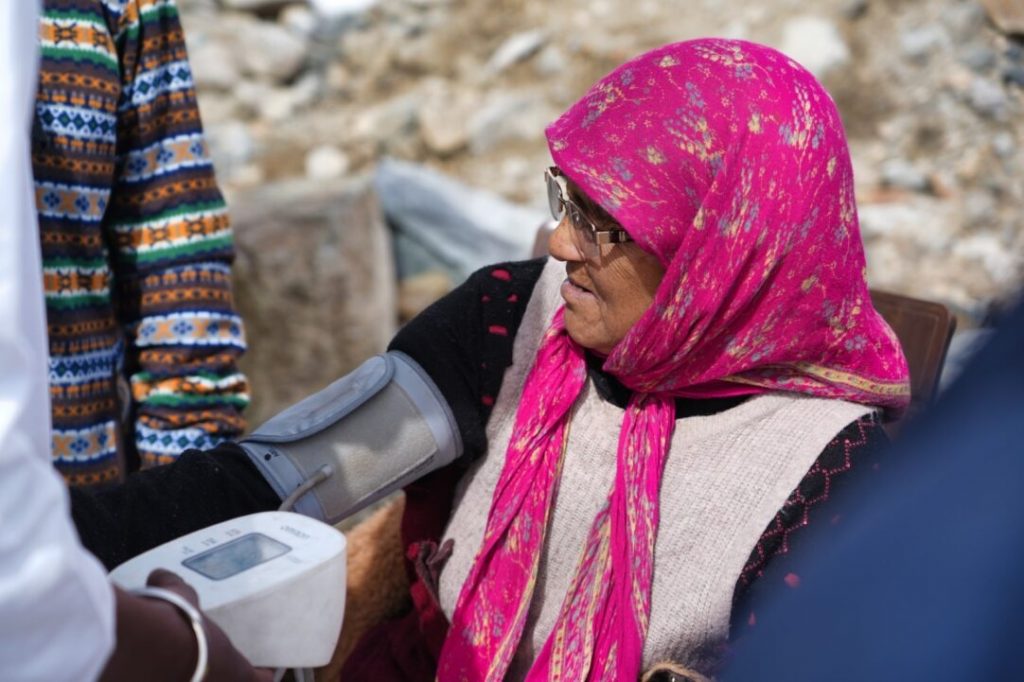
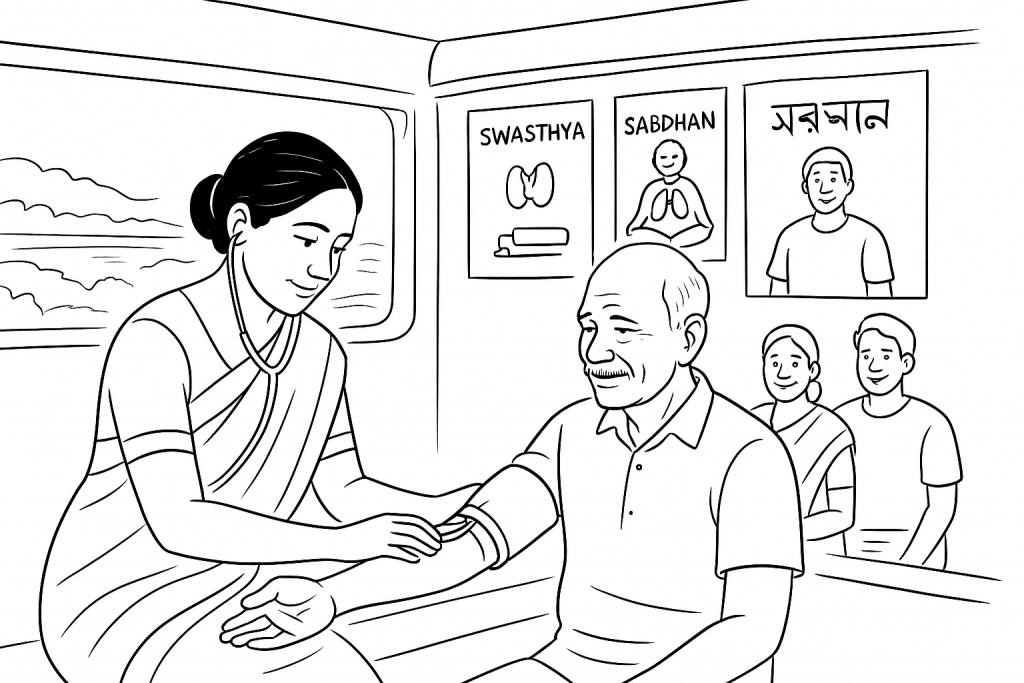
Smile Foundation’s model flips this equation. Instead of the patient travelling to the clinic, the clinic travels to the patient. In South Salmara, the boat clinic visits on a planned schedule. The team — a locally recruited doctor, nurse, counsellor and driver — provides free consultations, diagnostics and medicines right on the boat.
The hidden costs of distance
Consider a mother whose child experiences a fever at night. The nearest hospital is on the mainland, some two hours away by boat and bus. The journey might cost quite a bit of money that could also be a week’s worth of food.
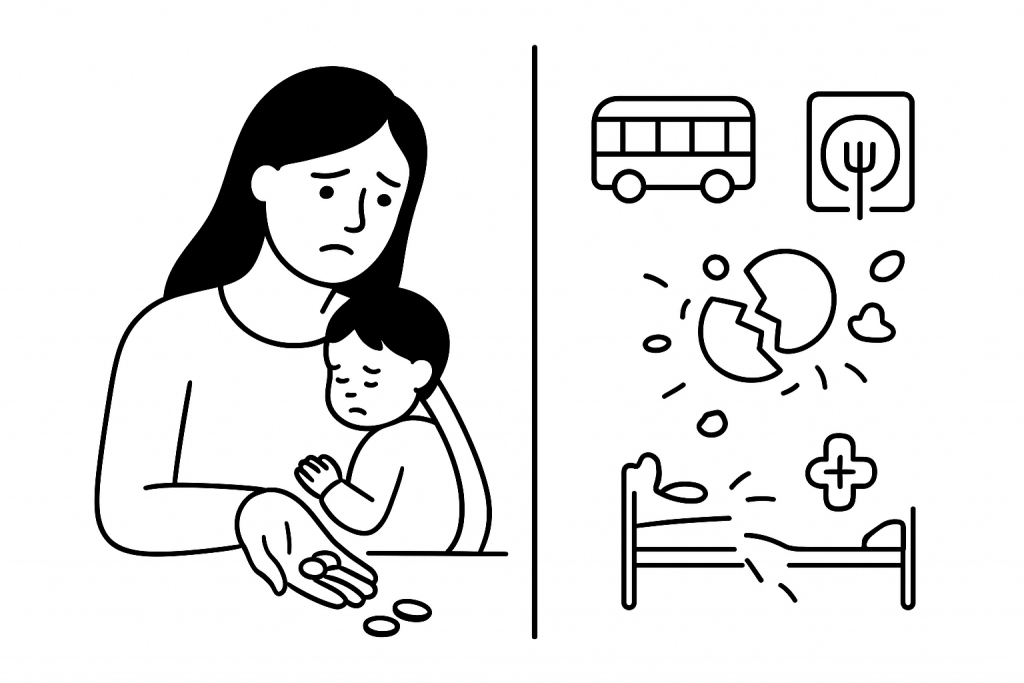
Many delay seeking care, relying instead on home remedies or local healers until the condition becomes severe. This delay often turns what could have been a small expense into a hospitalisation worth several thousand rupees. By placing a doctor and basic medicines within the community, early diagnosis of conditions like diarrhoea, malaria or hypertension prevents costly complications later. Pregnant women receive antenatal check-ups without travelling miles. Children are vaccinated on schedule.
Community trust and local hiring for boat clinics
When the nurse talking to you is from your island and the counsellor speaks your language, it is much easier to receive care. Smile Foundation’s decision to hire people from the communities where they work not only creates jobs but also helps build trust. Patients are more likely to speak openly about their problems, follow advice and return for check-ups. Trust also plays a vital role in preventive health, which is a crucial yet often overlooked way to reduce medical costs. Boat clinic teams collaborate with frontline health facilitators like ASHAs and health volunteers to educate people about nutrition, maternal health and non-communicable diseases.
Digital records for long-term savings via boat clinics
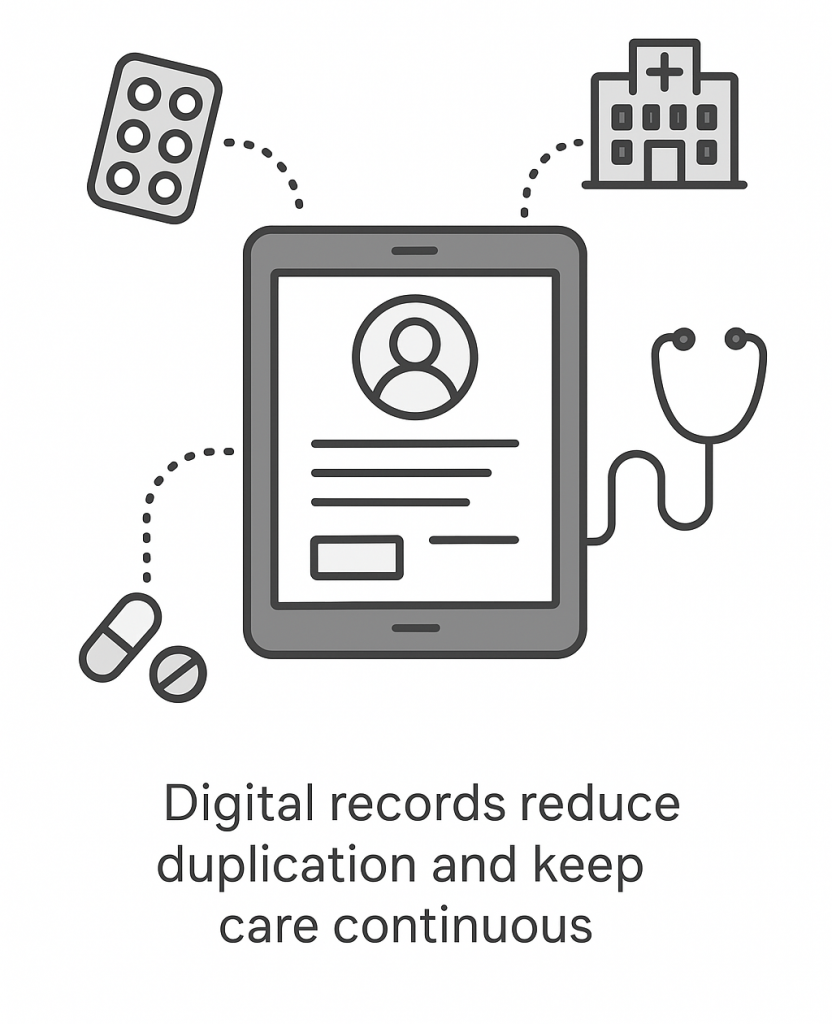
Our digital patient database records every interaction, allowing for follow-up visits and referrals. This prevents duplication of tests and ensures continuity of care. Yet again, two factors that can significantly reduce unnecessary spending for patients. It also facilitated further referrals, if needed, to a larger facility, by offering documented history of the patient, reducing both diagnostic time and costs at the next level of care.
Scaling the Model
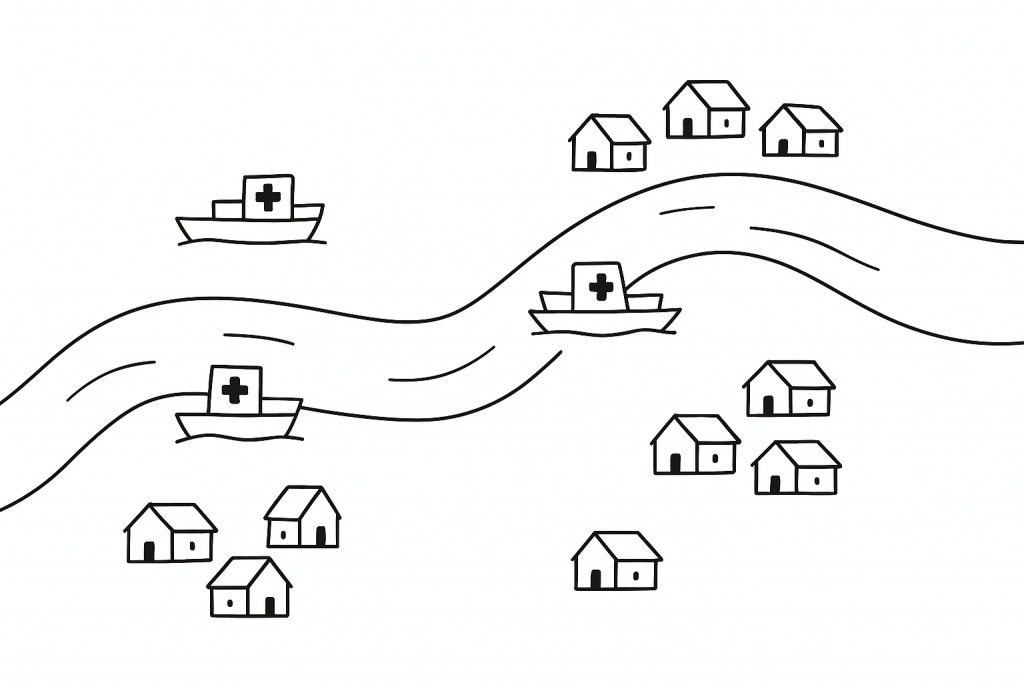
On the shifting sands of Assam’s river islands, a clinic that floats is often the only one that arrives. The South Salmara boat clinic is a component of a more extensive MSD–Smile Foundation initiative that spans 17 underdeveloped districts in India, including 12 districts and 12 island clusters in Assam.
Each vessel can see hundreds of patients every month — children with fever, mothers in labour, elderly men with chronic conditions — at a cost that is a fraction of building and staffing permanent health centres. For families who live hours away from the nearest hospital, that difference can be life-saving.
But the real measure of success is in what happens afterwards. Money not drained by hospital visits goes into school fees, better food on the table, small loans to start a business. Less debt means fewer families fall into poverty. Health ripples outward into dignity and stability.
If this model can be sustained and expanded, the floating clinic could become as ordinary — and as essential — as the ferry that carries villagers across the Brahmaputra each day. This would pave the way for a future in which the ambitions of the riverine communities of Assam are not dashed by out-of-pocket health expenses.