India, the world’s largest democracy and one of its fastest-growing economies, continues to struggle with closing the gender gap. The 2025 edition of the World Economic Forum’s Global Gender Gap Report spotlights a difficult reality. Despite incremental progress, India remains among the bottom five economies globally in gender parity in economic participation and opportunity. This should concern every policymaker, business leader, and citizen committed to inclusive development.

India at a glance: Still struggling in economic and political empowerment
According to the report, India scores 40.7% on the Economic Participation and Opportunity subindex, barely ahead of countries like Egypt, Iran, and Pakistan. This indicates that Indian women still earn significantly less, are underrepresented in leadership roles, and participate in the workforce at far lower rates than men. Alarmingly:
- Women’s estimated earned income is less than one-third of men’s.
- Female representation in senior and managerial roles remains below 20%.
- Women’s labour force participation is significantly below global averages.
In political empowerment, the scenario is equally bleak. India, once a global beacon for electing female leaders, now sees minimal female ministerial representation and sluggish progress in parliamentary parity. The report highlights that only Bangladesh and Iceland have achieved parity in years served by a female head of state. India, despite its early progress, has stagnated.

Progress in education and health but gaps remain
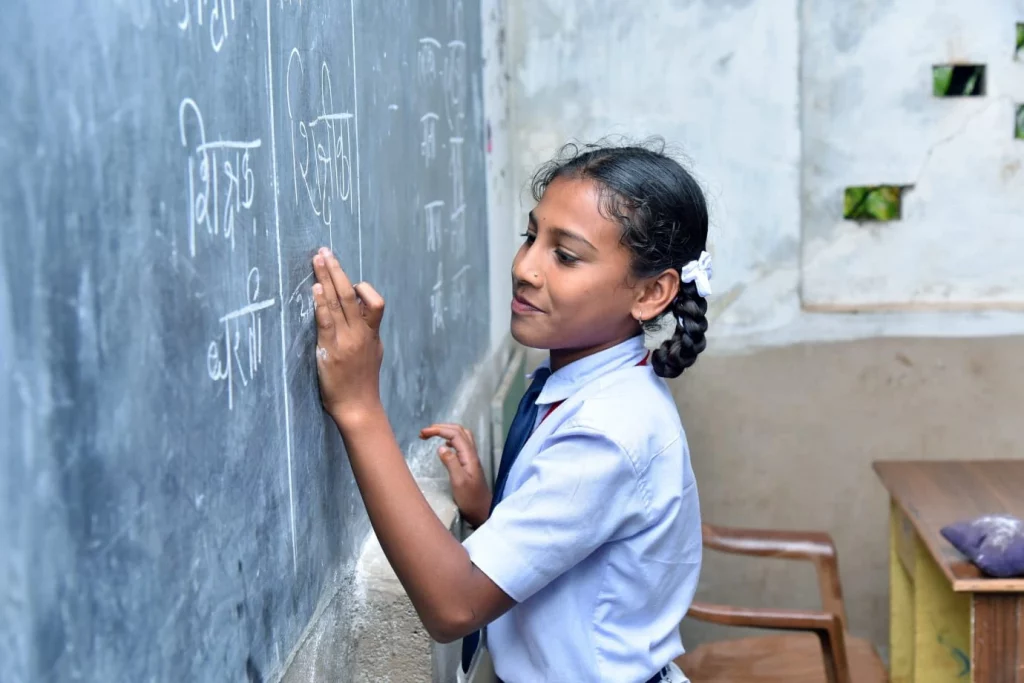
On a more positive note, India has closed over 95% of its gender gap in Educational Attainment. Primary and secondary school enrolment has become nearly gender-equal, and more women than men now enrol in some streams of higher education. However, this has not translated into proportional workforce outcomes, pointing to a broken pipeline between education and employment.
The Health and Survival subindex shows moderate progress, but India still struggles with challenges like skewed sex ratios at birth and declining healthy life expectancy for women relative to men.
What is holding India back?
The report identifies several systemic issues:
- Implementation gaps: While laws around gender equality exist, enforcement is weak.
- Cultural and social norms: Patriarchal structures, safety concerns, and domestic burdens continue to restrict women’s choices.
- Lack of supportive infrastructure: Poor access to childcare, flexible work policies, and safe transport are barriers to workforce participation.
- Industry segregation: Women remain overrepresented in low-wage, care-based sectors and underrepresented in high-growth industries like STEM and digital technologies.
Why this matters for India’s economic future
The report reiterates that closing gender gaps means tapping into the full talent pool which could:
- Boost India’s GDP by billions of dollars annually.
- Improve resilience in times of crisis (as seen during COVID-19).
- Spark innovation and improve business outcomes through diversity.
At the current rate, economic parity will take 135 years, and political parity 162 years, globally. India risks falling further behind if urgent reforms are not initiated.

Recommendations for India
- Workforce re-entry and flexibility: Invest in returnship programmes, part-time work options, and employer-led care infrastructure to bring women back into the workforce.
- Representation matters: Quotas for women in political parties, local government, and corporate boards can create a pipeline of leaders.
- Incentivise employers: CSR and ESG-linked incentives for gender-equal hiring, leadership promotion, and pay equity.
- STEM and digital skilling: Scale up gender-targeted tech education and job placement schemes.
- Strengthen law enforcement: Ensure that laws on workplace safety, maternity benefits, and anti-discrimination are robustly implemented.
- Change the narrative: Public campaigns, community role models, and inclusive media can help shift deep-seated social norms.
Smile Foundation’s commitment to gender empowerment
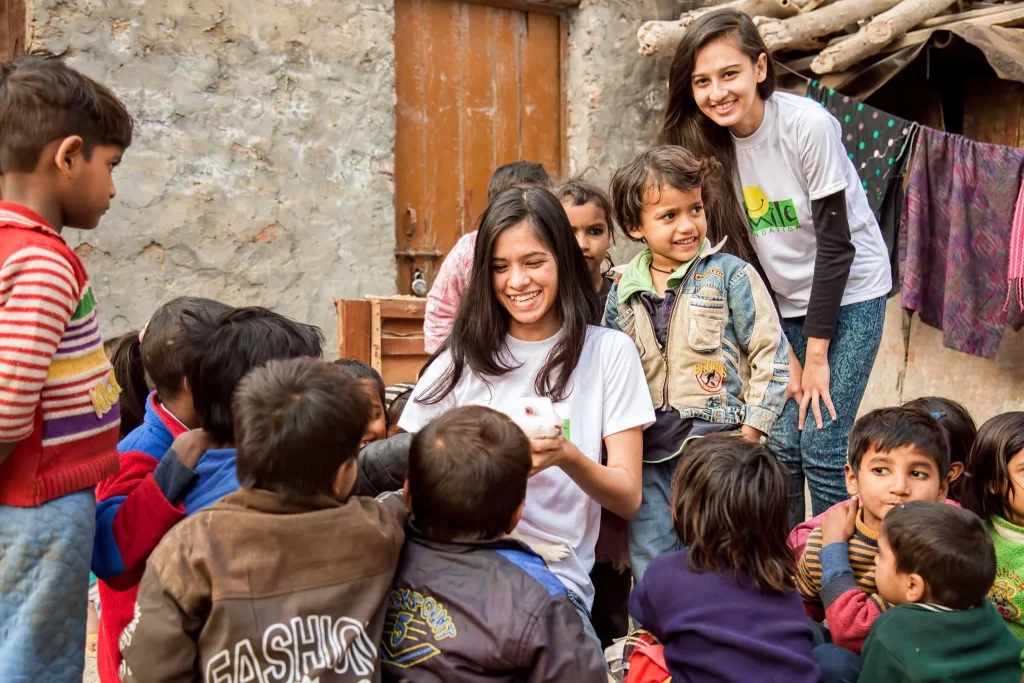
Smile Foundation has long recognised that empowering women and girls is foundational to building stronger communities. Through a multi-pronged approach, Smile works at the intersection of education, health, skill development, and leadership to advance gender equity across rural and urban India.
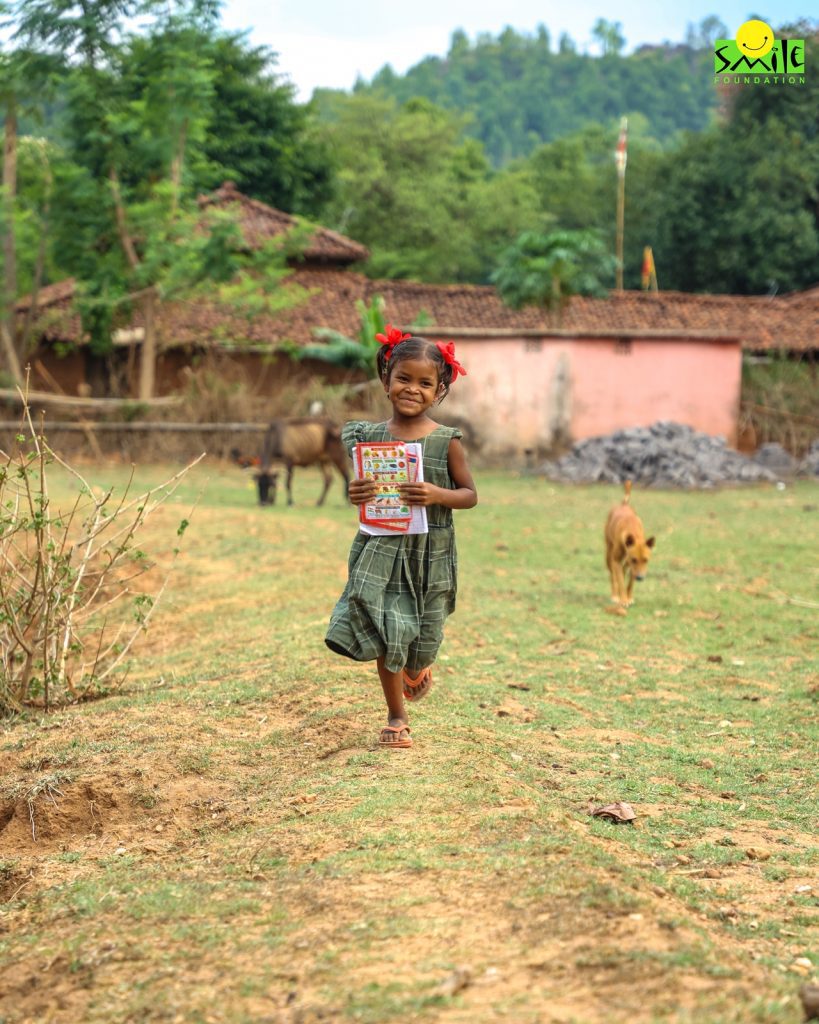
- Girls’ education (Mission Education): Smile ensures that girls from underserved communities have access to inclusive, quality education. through our She Can Fly initiative. Thousands of girls across India receive not just classroom instruction but also life-skills training, nutrition, digital literacy, and career exposure.
- Swabhiman programme: This flagship women empowerment initiative focuses on adolescent girls and women from disadvantaged communities, offering training in reproductive health, financial literacy, self defense, and leadership. The programme also mobilises men and boys as allies through gender-sensitisation workshops.
- Skill training and livelihoods (STeP): Smile Foundation’s STeP initiative provides market-aligned skills training for young women, including digital and vocational skills, helping them secure dignified employment and break intergenerational cycles of poverty.
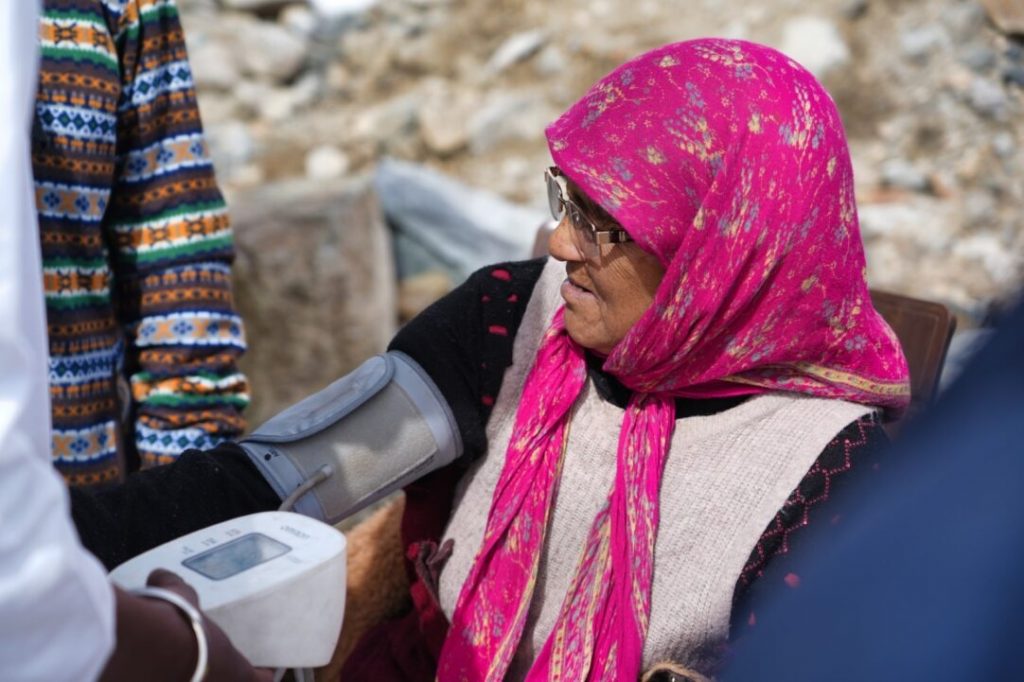
- Menstrual and maternal health: Through awareness camps and health interventions, Smile Foundation addresses taboo topics like menstrual hygiene and maternal nutrition enabling girls to stay in school and women to take control of their health.
These programmes foster generational change, equipping women and girls to become agents of transformation within their families and communities.
Role of CSR and civil society: Catalysts for change
Smile Foundation is already piloting gender equity programmes at the grassroots. From skill training to girls’ education and maternal health, our initiatives offer scalable models. But broader partnerships are essential.
A moment for bold action
India’s ambition to become a global economic powerhouse cannot succeed without gender parity at its core. The Global Gender Gap Report 2025 is a wake-up call. With a collective push from government, business, and civil society, India can not only improve its ranking but realise the full potential of its half a billion women.