
This is my first time living in Delhi for an extended period – in fact, my first time spending more than a few weeks in India at all. My parents are from Bangalore, but I was born and raised in Germany, where I went to school, studied, worked and built my entire life until now.
Growing up, India was always a place I associated with short family trips. Almost every year we visited Bangalore for a few weeks, but those visits mostly turned into marathons of relative-hopping, or days spent at home while my parents ran errands – from post office queues to bank visits and shopping kilograms of different kind of dal. I never felt I truly got to know the country beyond family routines.
This year, I decided to change that. I wanted to experience India differently: to meet people, to discover the culture, to see places with my own eyes, and most importantly, to learn from the communities themselves. Volunteering with Smile Foundation has given me this chance – a way not only to give back, but also to gain a deeper understanding of the lives touched by the Foundation’s work.
Last week, I joined the team on my very first field visit to Bhiwadi, Rajasthan, a town just across the state border, two hours from Delhi. We drove through a monsoon-soaked landscape and I was filled with anticipation for what awaited us. When we arrived, dozens of women and children were already gathered, waiting patiently for the Annaprashan ceremony. I had never experienced this tradition before. Annaprashan, literally “the first feeding of food,” is celebrated when babies turn six months old, the age when they begin eating solid food. That day, two mothers were there with their babies, dressed more elaborately than the others in lehengas, marking the significance of the day. Photographs were taken, smiles were exchanged and then the ceremony began.
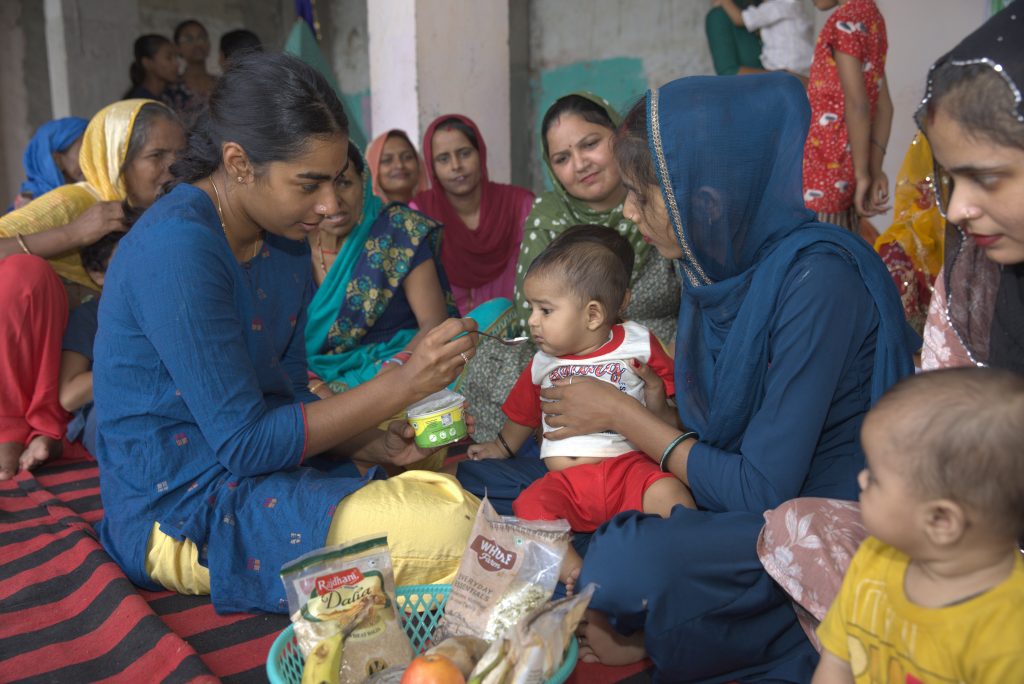
We chose yogurt as the babies’ first spoonful of food, symbolizing nourishment and good health. To my surprise, I was also invited to take part by feeding a baby his very first taste. It was a small gesture, but deeply symbolic. I felt humbled to play even the tiniest role in a milestone that families will remember forever.
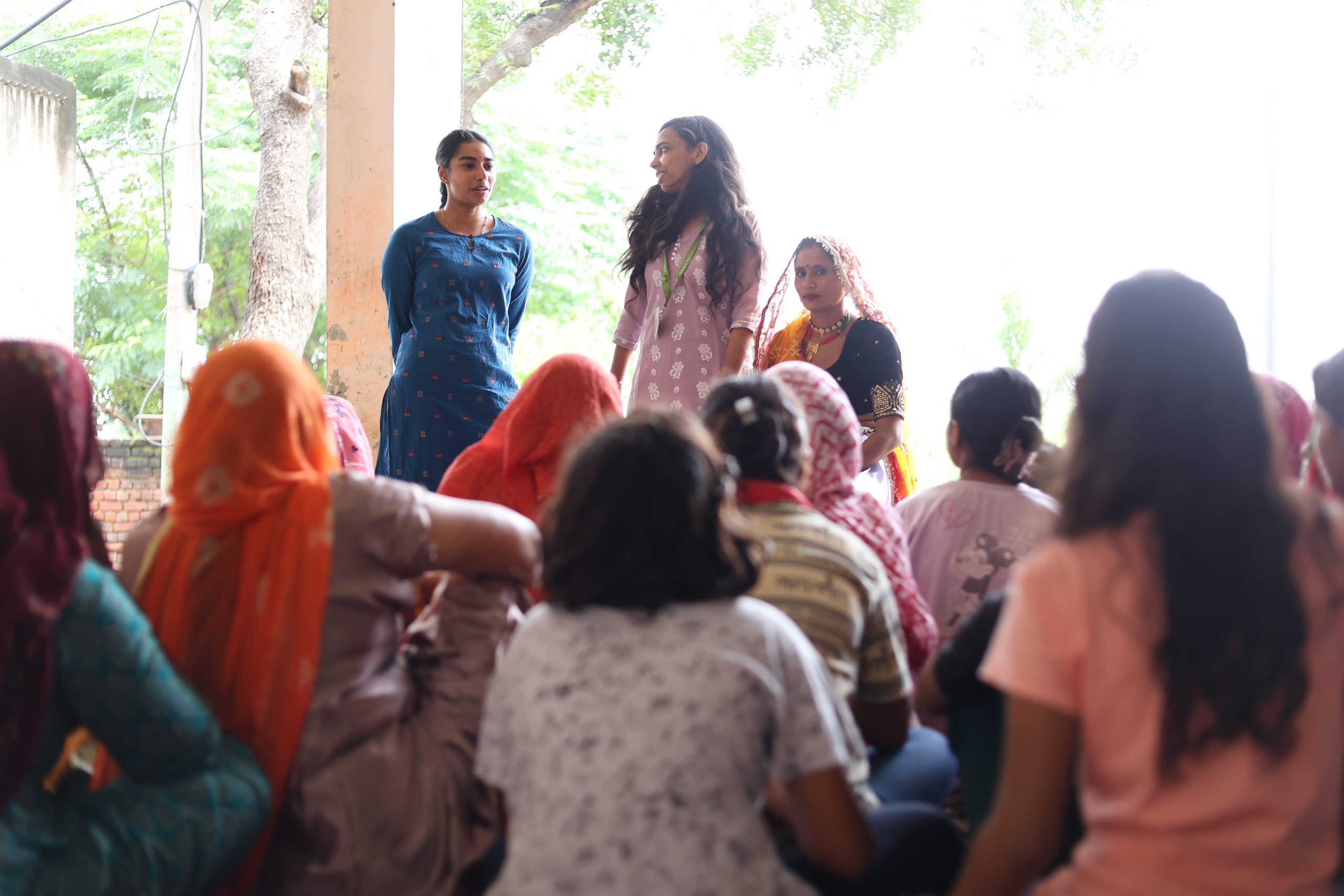
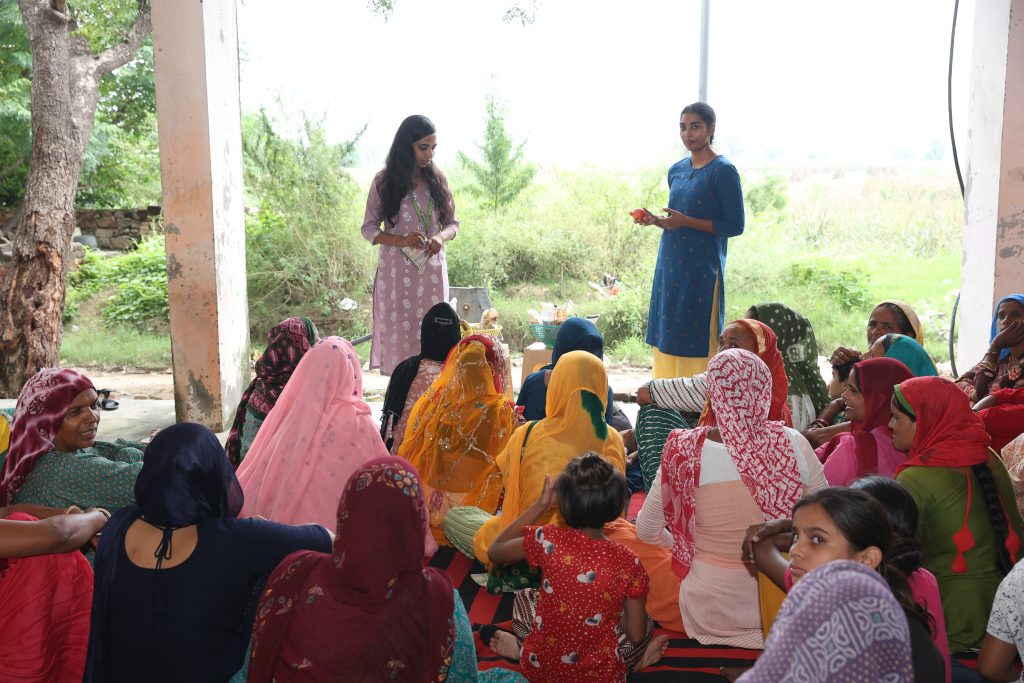
Afterwards, the project manager spoke to the mothers and children, holding up a basket filled with simple but powerful foods: apples, bananas, yogurt, rice, dal. She explained how each could contribute to a balanced meal. Then, I was invited to speak. I introduced myself, told them about Germany, and shared how I cook at home and highlighted the importance of cutting down on sugar and choosing wholesome food. Although most of the women didn’t speak English, I felt they understood me. Their nods, their smiles, and the way they leaned in to listen touched me. What moved me most was their genuine warmth and openness.
Later, I sat with a group of teenage girls, aged 14 to 16, who had been watching me curiously all morning. They spoke English, and our conversation flowed easily. One of them told me she wanted to study commerce and work in a bank, which is exactly what I did. In her eyes, I saw the same hope and determination I once had, though she was born into different circumstances. It left me feeling both humbled and inspired: their dreams are big, and so is their will to achieve them.
Walking through the village afterwards reminded me a lot of the village my father grew up in South India. Each time we came to India, which was almost every year, we tried to visit that village to reconnect with our community and family. These rural areas have something familiar, openness and peace. There were cows in courtyards, neighbors greeting each other openly, and the doors were always open. There were no honking cars, no rush of the city. Just a sense of calm, belonging, and community. Some women, half-jokingly, even asked me to repair their broken streets. I truly wished I could help them.
The heavy monsoon rains soon returned, flooding lanes and complicating the day’s planned interviews. Yet even amid the chaos, beautiful encounters unfolded. One curious girl approached me; though she didn’t speak English, she shared my name. We laughed, tried to communicate with Google Translate and she invited me into her home to meet her mother. In her I saw a reflection of myself as a child: shyness at the beginning, curious and eager to connect.
I also witnessed an interview with a woman who had benefitted from Smile Foundation’s Women Empowerment Program. She also was dressed in a very beautiful lehenga, looking wonderful. She spoke with pride about the training she had received, her happiness radiating through her words. It was living proof that empowerment is not just a concept but a change that shows on a person’s face.
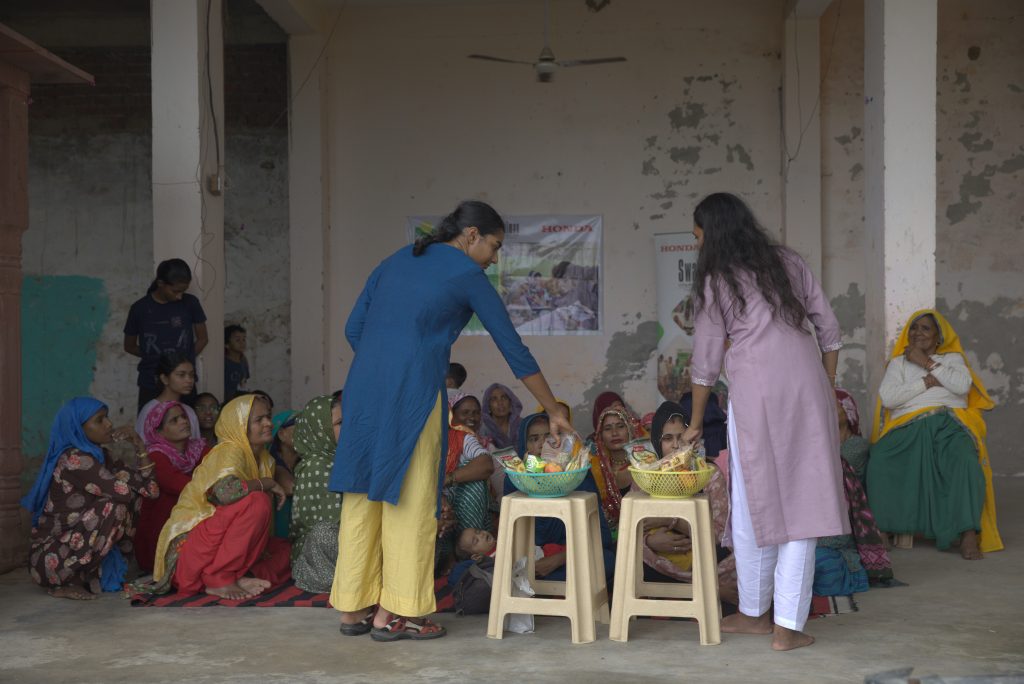
We closed the day with a lively demonstration: the Smile team showed villagers a variety of fruits and vegetables and explained how to cut and prepare them for healthy meals. Even as the rain poured down harder and the streets turned into rivers, the atmosphere remained joyful. By the time we reached our car, completely drenched, I carried with me not discomfort but a heart full of happy memories.
This visit left me inspired and humbled. The eagerness of the women and children to learn, to improve their health, and to build better livelihoods reminded me that education and empowerment are the strongest tools for change.