Summary: 5 Key Points
- Monsoon conditions can increase children’s risk of infections.
- Dengue and malaria are common mosquito-borne diseases during the rainy season.
- Contaminated food and water can cause diarrhoea and typhoid.
- Respiratory and skin infections can also become more common during monsoons.
- Good hygiene, safe water, mosquito control and timely healthcare can help protect children.
Every year, the monsoon comes as the long-awaited relief from the scorching, tropical summer heat. But along with cooler weather and rain, it brings with it a rise in monsoon diseases/infections, especially among children. Stagnant water, contaminated drinking water, damp surroundings, mosquitoes and sudden changes in temperature often create conditions that become a breeding ground for diseases and they spread more easily.
For parents and adults, this can make the rainy season a worrying time. A child who was perfectly healthy yesterday may suddenly develop fever, vomiting, diarrhoea, cough or weakness. While most monsoon diseases are manageable with timely care, some can become serious if symptoms are ignored.
The good news is that many monsoon-related illnesses can be prevented. Good hygiene, safe drinking water, protection from mosquitoes, timely vaccination and early medical attention can go a long way towards keeping children safe.
The monsoon is therefore not a season that parents need to fear. It is a season that requires a little more awareness and care.
Why Do Children Fall Sick More During the Monsoon?
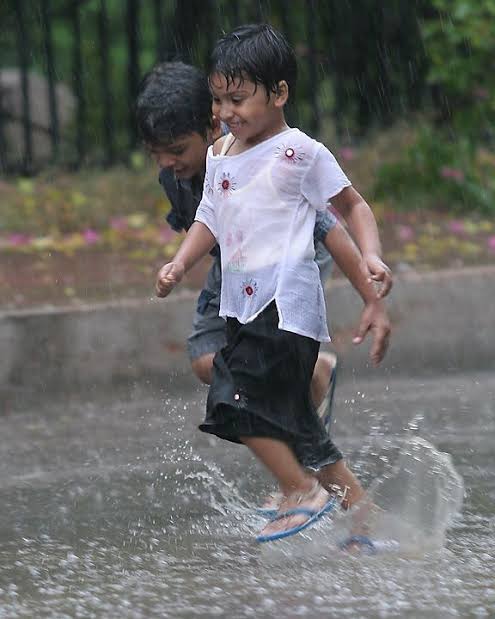
Rain itself does not make children fall sick, but the problem is created by what happens around us when the heavy monsoon arrives.
While water can collect in open containers, discarded tyres, coolers, drains and other places, creating breeding grounds for mosquitoes, flooding can contaminate drinking water and increase the risk of infections. On top of this, damp walls and crowded surroundings can also make it easier for some infections to spread.
Children can be particularly vulnerable to this as their immune systems are still developing and they may not always understand the importance of washing their hands or avoiding unsafe water. Young children also frequently touch surfaces and then put their hands in their mouths.
The World Health Organization notes that vector-borne diseases, including diseases transmitted by mosquitoes, are strongly influenced by environmental and social conditions. In India, the monsoon can therefore create favourable conditions for diseases such as dengue, malaria and chikungunya, while contaminated water can increase the risk of diarrhoeal diseases.
For parents, understanding these links is the first step towards prevention.
Dengue: The Mosquito-borne Disease Parents Should Watch for
Dengue is one of the most common concerns during India’s monsoon season. It is caused by the dengue virus and is mainly spread through the bite of infected Aedes mosquitoes. These mosquitoes can breed in relatively small amounts of stagnant water around homes and communities.
According to the WHO, dengue is found mainly in tropical and subtropical climates, and the number of cases has increased significantly around the world in recent decades.
A child with dengue may develop a high fever, headache, body aches, nausea or a rash. In many cases, children recover with proper monitoring and supportive care. However, some infections can become severe.
This is why parents should not simply assume that every fever during the monsoon is “just viral fever”. A child with a persistent or high fever should be assessed by a healthcare professional, particularly if the child becomes unusually sleepy, restless, weak or has difficulty drinking fluids.
Dengue prevention begins at home and in the neighbourhood. Since the mosquitoes that spread dengue can breed in stagnant water, regularly emptying and cleaning coolers, flowerpots, buckets and other containers can help reduce breeding sites. Windows and doors can also be screened where possible, while age-appropriate mosquito repellents and protective clothing can reduce bites.
The important point is that mosquito control is a community responsibility. One clean home cannot completely protect a child if stagnant water is present throughout the surrounding neighbourhood.
Malaria: Another Important Monsoon Risk
Malaria is caused by parasites transmitted through infected female Anopheles mosquitoes. It can cause fever, chills, headache, sweating and weakness and can become serious if treatment is delayed.
The WHO’s malaria fact sheet explains that early diagnosis and treatment are essential. Malaria remains a major public health concern globally, particularly in areas where access to healthcare is limited.
Children can be especially vulnerable to severe malaria. This makes it important for parents to take unexplained fever seriously, particularly if the child lives in or has recently travelled to a malaria-prone area.
Parents should not try to diagnose malaria or dengue at home simply by looking at symptoms. Several infections can produce similar symptoms; hence, testing and medical advice are important when a child has persistent fever.
Mosquito prevention remains one of the simplest ways to reduce risk. Sleeping under mosquito nets, using appropriate repellents and removing stagnant water around the home can all help.
Diarrhoea: A Major Monsoon Concern
While mosquitoes often receive most of the attention during the rainy season, another major concern for children is diarrhoea.
As contamination of food and water is rapid during the monsoon, young children can become dehydrated quickly when they lose large amounts of fluid through diarrhoea or vomiting. More than loose stools, the biggest immediate danger is dehydration. The Government of India’s National Health Mission specifically recognises that childhood diarrhoea can increase during the summer and monsoon seasons. Its STOP Diarrhoea Campaign promotes the use of Oral Rehydration Solution or ORS, and zinc, along with safe water, sanitation and handwashing.
A child with diarrhoea should continue to receive fluids and food as appropriate rather than being left without nourishment. Parents should follow the advice of a healthcare professional regarding zinc, particularly for infants and young children. The Government of India’s zinc policy also provides guidance on zinc use in children with diarrhoea.
If a child is unable to drink, becomes unusually sleepy, has very little urine, develops signs of severe dehydration, has blood in the stool or continues to worsen, medical attention should be sought urgently.
Typhoid and Water-borne Infections
Typhoid fever is caused by Salmonella Typhi bacteria and once again spreads mainly through contaminated food and water. Children can develop prolonged fever, weakness, stomach problems and other symptoms.
Good hygiene and safe drinking water are therefore particularly important during the monsoon.
Parents should ensure that drinking water is safe, especially if the local water supply has been affected by flooding or contamination. Food should be properly cooked and stored safely, and hands should be washed before preparing or eating food and after using the toilet.
Vaccination can also help prevent typhoid — parents should discuss age-appropriate vaccination with their child’s doctor rather than relying only on seasonal precautions.
An Increase in Respiratory Infections
Not every monsoon illness is caused by contaminated water or mosquitoes.
Children can also experience coughs, colds, sore throats and other respiratory infections during the rainy season. Temperature changes, damp indoor environments and increased time spent indoors can contribute to the spread of respiratory infections.
Most childhood coughs and colds are mild and improve with rest, fluids and appropriate care. However, parents should pay attention to breathing difficulties. If a child is breathing unusually fast, struggling to breathe, has bluish lips, is unable to drink or appears extremely weak or sleepy, they should receive immediate medical attention.
Young children and babies deserve particular attention because they may not be able to clearly communicate how unwell they feel.
Skin Infections Need Your Attention too
Another common monsoon problem is skin infection.
Constant exposure to damp clothes, muddy water and humid conditions can cause fungal infections, rashes and other skin problems, especially for children who play outside and remain in wet clothes for long periods.
Parents should change wet clothes promptly and pay attention to persistent rashes, itching, swelling or sores, keeping the child’s skin hygienic, clean and dry.
Children should also avoid wading through and playing in dirty or potentially contaminated floodwater wherever possible. If a child develops a wound after contact with floodwater, it should be cleaned properly and monitored for signs of infection.
The Simple Habits that Protect Children
Many monsoon diseases can be prevented through habits that sound simple but make a significant difference.
Safe drinking water is the most important one. During periods of heavy rain or flooding, parents should be particularly careful about the source of water used for drinking and cooking.
Handwashing is equally important. Children should wash their hands before eating and after using the toilet, while parents must ensure that food is cooked properly and stored with proper hygiene.
Mosquito control should become part of the household routine during the rainy season. Containers that collect water should be emptied regularly, and coolers and other water-holding equipment should be cleaned.
Children should also wear footwear outdoors, particularly in areas where floodwater or sewage may be present. These measures may appear small, but together they can substantially reduce children’s exposure to infection.

Why Last-Mile Healthcare Matters
While prevention is only one part of the answer, children must also have access to healthcare when they become sick.
For many families in India, particularly those living in rural areas, informal settlements or low-income communities, reaching a doctor can itself be difficult. Transport costs, distance and loss of daily wages can lead families to delay treatment.
Through our flagship Smile on Wheels programme, we take primary healthcare services directly to underserved communities through mobile healthcare units. According to our 2025 healthcare impact report, our collective healthcare initiatives have reached 17 lakh people across 17 states, through 109 Smile on Wheels and allied healthcare units. The programme provides services including outpatient consultations, diagnostics, medicines and maternal and child healthcare.
This last-mile approach becomes particularly important during seasons when monsoon diseases are more common. Early access to healthcare can mean the difference between a manageable illness and a serious one.
At Smile Foundation, we have also worked in communities where poor sanitation and inadequate access to safe water have contributed to the spread of diseases such as dengue, malaria and diarrhoea. In our healthcare intervention in Gurugram, we have highlighted how poor sanitation, unsafe water and inadequate waste disposal created conditions in which infectious diseases could thrive.
Our work therefore illustrates an important point: healthcare cannot be separated from the conditions in which people live.
Monsoon Care is about Prevention, Not Panic

The arrival of the monsoon does not mean children have to spend the season indoors or that every fever is a reason to panic. Children can continue playing, learning and enjoying the rainy season, but what matters is creating healthy routines around them.
Safe water, clean surroundings, mosquito control, handwashing, nutritious food, vaccination and timely medical care together form a strong line of defence.
The Government of India’s continued focus on diarrhoea prevention shows how simple, timely public health measures can save lives. Similarly, community healthcare initiatives such as Smile Foundation’s initiatives highlight the importance of taking healthcare closer to families, particularly those living in underserved communities, rather than expecting people to overcome financial, geographical or social barriers on their own to access essential medical services.
FAQs: Common Monsoon Diseases in India
1. What are the most common monsoon diseases in children?
Common monsoon diseases include dengue, malaria, diarrhoea, typhoid, respiratory infections and skin infections.
2. Why do children get sick more often during the monsoon?
Rainfall, stagnant water, increased mosquito breeding, contaminated water and food, and higher humidity can create conditions that favour the spread of infections.
3. How can I protect my child from mosquito-borne diseases during the monsoon?
Use mosquito nets or screens, apply age-appropriate mosquito repellent, keep the surroundings free of stagnant water and ensure children wear protective clothing when appropriate.
4. How can monsoon-related diarrhoea and typhoid be prevented?
Encourage regular handwashing, provide safe drinking water, wash food properly, eat freshly prepared food and avoid food or water that may be contaminated.
5. What are the warning signs that a child needs medical attention?
Persistent fever, difficulty breathing, repeated vomiting, severe diarrhoea, signs of dehydration, unusual weakness, confusion or worsening symptoms should prompt medical attention.
6. Can respiratory infections also increase during the monsoon?
Yes. Changes in temperature and humidity, indoor crowding and exposure to viruses and other infectious agents can contribute to respiratory illnesses during the rainy season.
7. What should parents do if a child develops symptoms of a monsoon illness?
Monitor the child closely, ensure adequate fluids and rest, and seek medical advice when symptoms are severe, persistent or worsening. Early medical attention can help prevent complications.