
The PM POSHAN scheme is India’s national school meal programme. It gives a free hot cooked meal to over 11.8 crore children in government and government-aided schools, on every school day. Launched in 2021, it replaced and expanded the older Mid-Day Meal Scheme.
Summary
- PM POSHAN gives over 11.8 crore children a free, hot cooked meal every school day, across 11.2 lakh government and government-aided schools.
- The scheme traces back to a 1925 school lunch programme in Madras, growing through Tamil Nadu’s noon meals, a 2001 Supreme Court order, and a 2021 rebrand from the Mid-Day Meal Scheme.
- Nutrition norms are fixed by law, from 450 calories for younger children to 700 for older ones, and states fund and cook the meal in very different ways, from centralised kitchens to women’s self-help groups.
- Nearly four in ten Indian schoolchildren, those in private unaided schools, receive no meal under the scheme at all.
- Delayed funds, uneven kitchen infrastructure, and patchy food safety checks remain real problems on the ground.
- PM POSHAN sits inside a much larger nutrition push, and Smile Foundation’s Mission Education work picks up where the scheme’s reach ends.
“One cannot think well, love well, sleep well, if one has not dined well.” — Virginia Woolf
People have known this for a long time. Nobody thinks well on an empty stomach. A hungry child cannot pay attention to the blackboard, no matter how much they want to learn.
This is the problem the PM POSHAN scheme tries to solve. It is India’s national school meal programme. Every school day, it gives a free hot meal to over 11.8 crore children in government and government-aided schools. The scheme was launched in 2021, when the government renamed and expanded the older Mid-Day Meal Scheme. The goal was simple: feed hungry children and get more of them into the classroom.
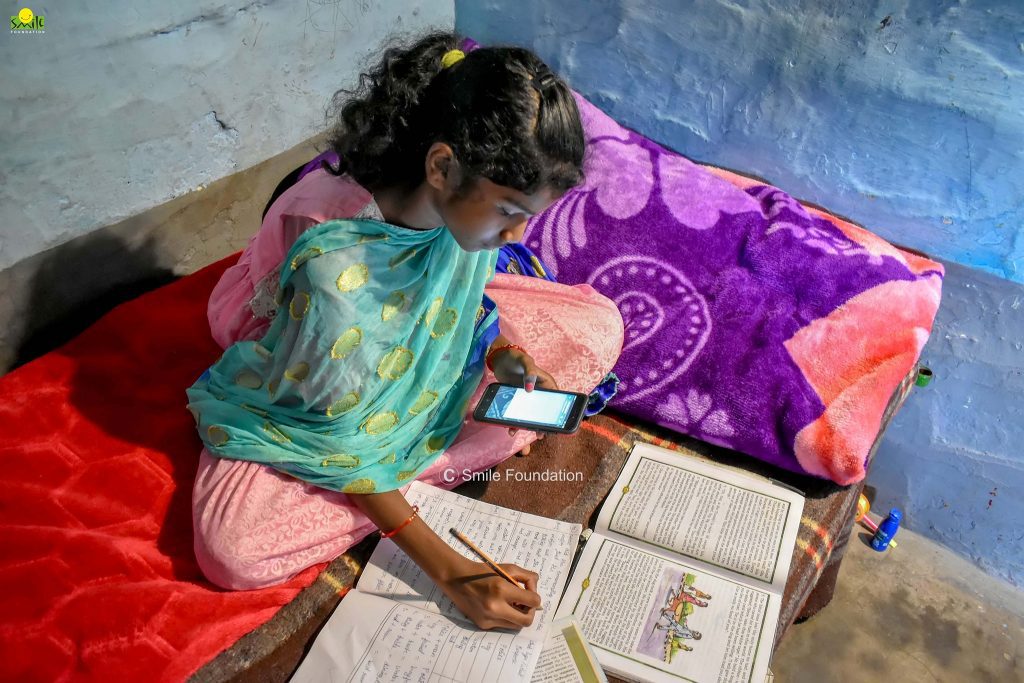
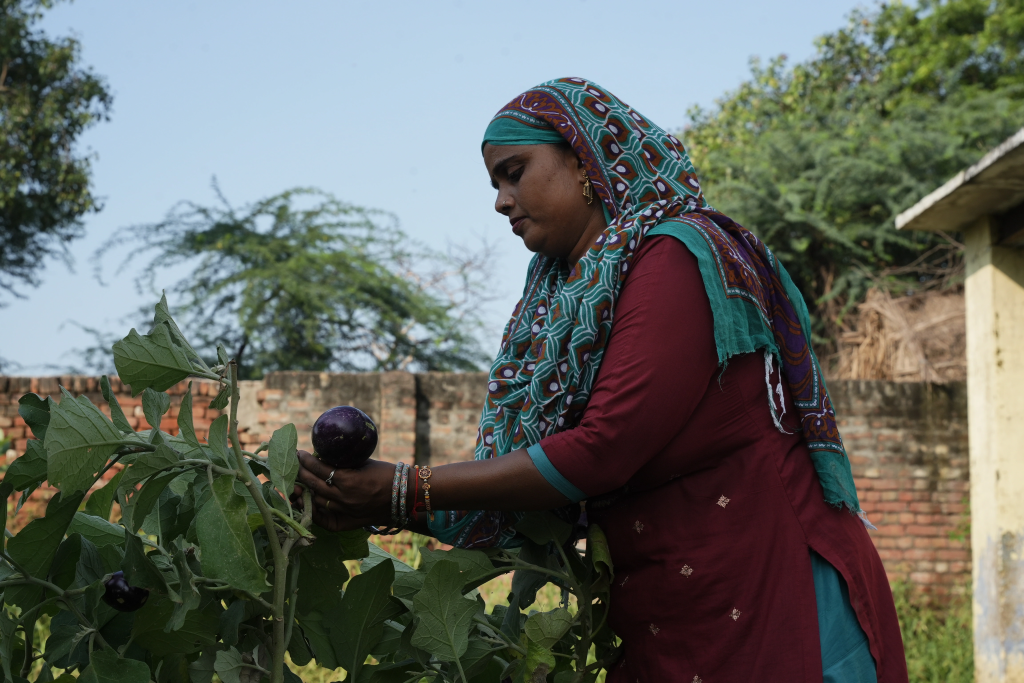
Meet Anushka. She is twelve years old, and lives in Uttar Pradesh. She dreams of becoming an English teacher one day. Ask her how she gets through a full day of school and she will point to her lunch plate.
That one plate matters more than it looks. This guide explains what the scheme means, why it started, who it helps and where it still needs to do better.
What is the PM POSHAN Scheme and when was it launched?
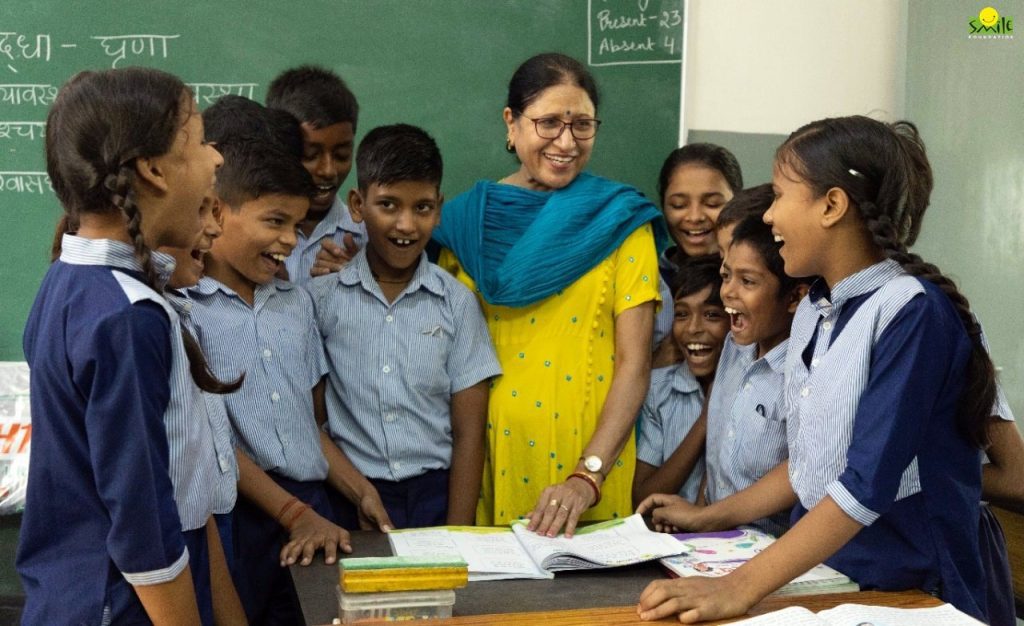
PM POSHAN stands for Pradhan Mantri Poshan Shakti Nirman. The Ministry of Education runs the scheme along with state governments. Every day, children from Bal Vatika, the pre-primary stage, right up to Class VIII get one hot, cooked meal in government and government-aided schools.
The scheme got its current name in September 2021. Before that, it was called the Mid-Day Meal Scheme. Today it reaches about 11.8 crore children across 11.2 lakh schools, and the National Food Security Act of 2013 backs it by law.
School meals in India are not a new idea. The Madras Municipal Corporation started serving tiffin to poor children back in 1925. Tamil Nadu took this further over the years. In the 1960s, Chief Minister K. Kamaraj ran his own school lunch programme. By 1982, Chief Minister M. G. Ramachandran had turned it into a noon meal for the whole state.
The Centre took this national on 15 August 1995, under a scheme called the National Programme of Nutritional Support to Primary Education. In its early days, families just received dry rations at home. Then in 2001, the Supreme Court stepped in and made cooked meals compulsory across the country.
How is PM POSHAN different from the Mid-Day Meal Scheme?
PM POSHAN is not a brand new scheme. It is the Mid-Day Meal Scheme, renamed and expanded in September 2021. But the changes go beyond the name.
For the first time, Bal Vatika, or pre-primary, children joined the scheme. Schools started building kitchen gardens to grow their own vegetables, and the scheme introduced Tithi Bhojan, where communities sponsor special festival meals. Social audits became compulsory in every district, and states moved toward real-time, technology-based monitoring instead of paper registers.
Objectives of the PM POSHAN Scheme
PM POSHAN has a few clear goals. It wants to improve child nutrition in government and government-aided schools, and get children from poorer, more disadvantaged homes into class regularly.
It also aims to cut down on classroom hunger, so children can actually pay attention to their lessons. There’s a social side to it too, children from different backgrounds sit down and share the same meal. And in areas hit by drought or disaster, the scheme keeps that support going even through school holidays.
Who is eligible under PM POSHAN?
Eligibility is simple. Children in Bal Vatika, or pre-primary classes, attached to government primary schools qualify, and so do children in Classes I to VIII in government and government-aided schools. The scheme also covers children in local body schools, Special Training Centres, and madrasas and maqtabs supported under Samagra Shiksha.
Private unaided schools are not covered. That is why nearly four in ten Indian schoolchildren get no meal under this scheme at all. We’ll shed some more light on that further down.
How PM POSHAN supports Nutrition and School Attendance
A hot meal does more than fill a stomach. It also gives a family one more reason to send their child to school.
The National Food Security Act fixes the nutrition norms for the scheme. Here is how they break down by food group.
| Norm (per child, per school day) | Bal Vatika / Primary | Upper Primary |
| Calories | 450 kcal | 700 kcal |
| Protein | 12 grams | 20 grams |
| Foodgrains | 100 grams | 150 grams |
| Pulses | 20 grams | 30 grams |
| Vegetables | 50 grams | 75 grams |
| Oil and fat | 5 grams | 7.5 grams |
The scheme is centrally sponsored. Most states share the cost with the Centre in a 60:40 ratio. Northeastern and Himalayan states, along with Jammu and Kashmir, get a 90:10 ratio, and Union Territories without a legislature get full central funding. For 2026-27, the PM POSHAN scheme budget stands at roughly Rs 12,750 crore.
Every state cooks and serves the meal in its own way. Tamil Nadu runs 403 centralised kitchens with Akshaya Patra, and serves eggs five days a week. Odisha relies on over 6,500 women’s self-help groups under Mission Shakti. Rajasthan’s Annapurna Mata scheme puts mothers on a rotating cooking and monitoring roster, and West Bengal funds eggs or chicken twice a week from its own state budget.
A school meal only goes so far if a child does not eat well at home too. That is where Smile Foundation’s nutrition work comes in, reaching children that programmes like PM POSHAN do not.
The Role of Kitchen Gardens and Tithi Bhojan
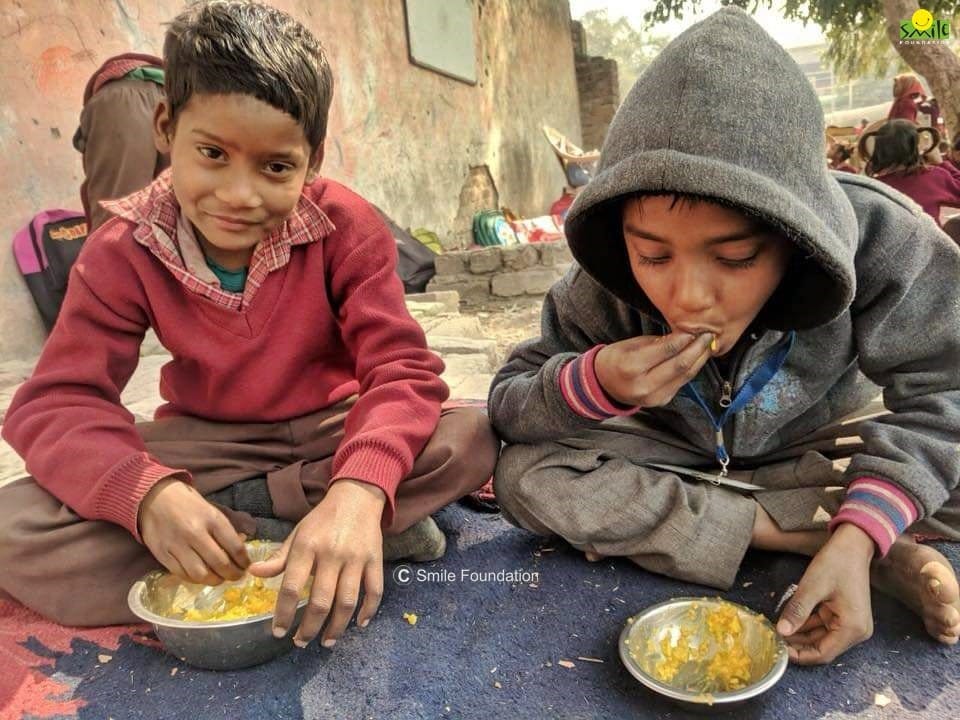
Two ideas make PM POSHAN work better on the ground. Kitchen gardens let schools grow their own vegetables. This cuts costs, adds fresh produce to the menu, and gives children a hands-on lesson in where food comes from.
Tithi Bhojan invites families and community members to sponsor a special meal on festivals or personal occasions. Both ideas run on the community pitching in.
Challenges in implementing PM POSHAN on the ground
A programme feeding this many children is bound to run into problems. Fund releases to states get delayed sometimes, and that hits meal quality and consistency. Close to a quarter of schools still cook over firewood instead of cleaner LPG, and kitchen infrastructure, storage and hygiene standards vary a lot between states.
Food safety checks do not reach every school equally either. Private unaided schools, which enrol close to 40% of India’s schoolchildren, stay outside the scheme entirely.
How PM POSHAN connects to India’s larger Nutrition Goals
PM POSHAN does not work alone. It sits alongside other government nutrition programmes for children and mothers. POSHAN Abhiyaan, launched in 2018, targets stunting, underweight prevalence and anaemia, while Anganwadi Services, under the Integrated Child Development Services Scheme, supports children under six.
Mission Poshan 2.0 strengthens the nutritional content and delivery of these programmes together, and the Poshan Tracker app now monitors outcomes for crores of beneficiaries in real time.
The numbers show some progress. Stunting among children under five fell from 35.5% to 29.3% between the last two National Family Health Surveys. Severe wasting fell from 7.7% to 5.2% over the same period. But UNICEF still counts India among the countries carrying the world’s heaviest child malnutrition burden. That is why school meals still matter, and why India needs a wider child nutrition policy too.
How Smile Foundation supports Child Nutrition and School Health
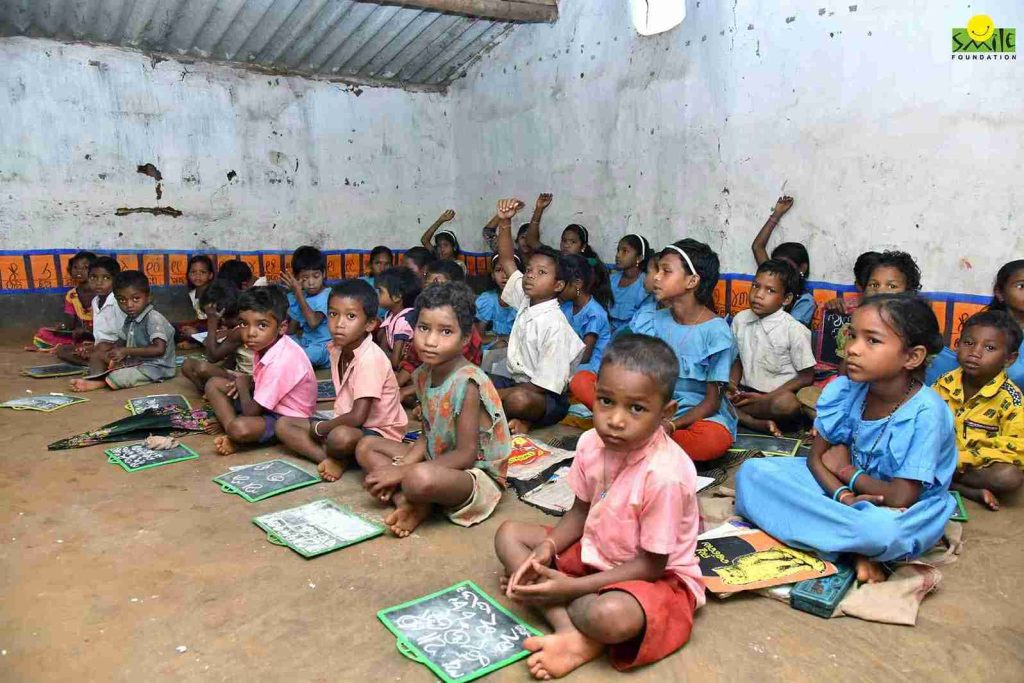
PM POSHAN reaches government and government-aided schools. Many children learn elsewhere, in informal learning centres, bridge schools and community classrooms, and the scheme does not reach them.
Smile Foundation works with these children instead. Its Mission Education programme pairs schooling with nutritional support, growth monitoring and regular health check-ups. It also works with parents, to build better feeding habits at home.
Its Nutrition for Education campaign has reached thousands of children across states including Uttar Pradesh, Bihar, Odisha and West Bengal, offering meals built around each child’s age and calorie needs.
A scheme this size cannot reach every child on its own. You can support a child’s education and nutrition with Smile Foundation, or get in touch to volunteer with our programmes in your city.
FAQs
- What is the PM POSHAN scheme and when was it launched?
The PM POSHAN scheme is India’s national school meal programme. It provides one hot cooked meal to children in government and government-aided schools. It was launched in September 2021, replacing the Mid-Day Meal Scheme.
- How is PM POSHAN scheme different from the earlier Mid-Day Meal Scheme?
PM POSHAN scheme added pre-primary children, kitchen gardens, Tithi Bhojan, social audits and tech-based monitoring, none of which existed under the old name.
- Which students are eligible under the PM POSHAN scheme?
Children in Bal Vatika and Classes I to VIII in government and government-aided schools are eligible. This includes local body schools, Special Training Centres and madrasas supported under Samagra Shiksha. Private unaided schools are not covered.
- What are the main objectives of PM POSHAN scheme?
PM POSHAN scheme aims to improve child nutrition, encourage regular school attendance, and reduce classroom hunger. It also promotes social equity by bringing children from different backgrounds to share the same meal.
- What challenges affect the implementation of PM POSHAN scheme in schools?
Delayed fund releases, uneven kitchen infrastructure and inconsistent food safety monitoring remain common challenges. Many schools also still cook on firewood instead of LPG, which affects hygiene and efficiency.
- How does PM POSHAN scheme help improve school attendance and retention?
A guaranteed meal gives families, especially poorer ones, a strong reason to send children to school regularly. Researchers have linked mid-day meal coverage to lower dropout rates and better attendance, particularly among girls.
- Does PM POSHAN scheme cover students beyond primary school?
PM POSHAN scheme currently covers children up to Class VIII. A Parliamentary panel has recommended extending coverage to Class 10 immediately, and to Class 12 within five years, along with adding a light breakfast.
- How does Smile Foundation contribute to child nutrition and school health?
Smile Foundation’s Mission Education programme supports children outside PM POSHAN Scheme’s reach, in informal learning centres and underserved communities. It combines nutritional support, growth monitoring and health check-ups with schooling.
Sources
- PM POSHAN official scheme portal
- Press Information Bureau, Ministry of Women and Child Development, PM POSHAN release
- UNICEF India, Malnutrition
- Vajiram & Ravi, PM POSHAN Scheme and Proposal for Breakfast & Expansion
- Education for All in India, A Critical Review of Mid-Day Meal Scheme (PM-POSHAN) Using UDISE+ 2024-25 Data
- Anantam IAS, Mid-Day Meal Scheme (PM POSHAN): How It Works
- IBEF, Mid-Day Meal Scheme (PM POSHAN)
- Ketto, Mid Day Meal Scheme: Objectives, Benefits, History & How It Works