Summary
- Income is a necessary but insufficient measure of livelihood success — poverty also encompasses vulnerability, exclusion and lack of voice, none of which a wage increase alone can address.
- Dignity in work means safety, fairness, agency and the confidence to imagine a future beyond survival — qualities the ILO’s Decent Work framework recognises as essential, not aspirational.
- Women face compounding barriers beyond income, including unpaid care work, mobility restrictions and social norms making agency and decision-making power as important as employment itself.
- Livelihood programmes must go beyond certification to build full ecosystems of support including market access, mentorship, networks and confidence-building because opportunity rarely follows training automatically.
- The most effective livelihood programmes start by listening: dignity is contextual, trust takes time and lasting change depends on community participation far more than funding alone.
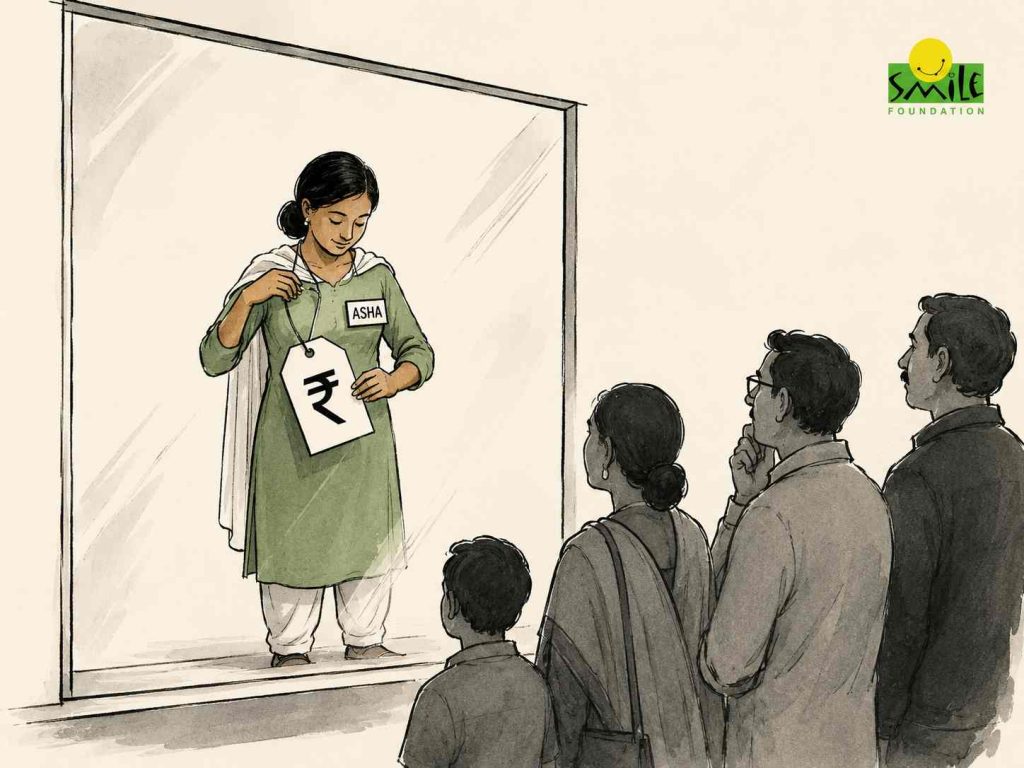
For decades, livelihood programmes across the development sector have been judged largely by one metric — the income bracket. If a household earns more after a policy or scheme intervention, the programme is often considered successful. It is an understandable measure, where income is tangible, easy to quantify and directly linked to poverty reduction. But increasingly, practitioners, policymakers and communities themselves are recognising that livelihood is about far more than wages.
A person may earn more and still feel insecure, excluded, overworked or trapped in exploitative conditions. They may have a job, but not dignity.
This is where the conversation around livelihoods is changing. Across the world, there is growing recognition that sustainable development requires looking beyond earnings and asking deeper questions: Does the work provide security? Does it offer agency? Does it improve confidence, social standing, and well-being? Does it allow individuals, especially women, youth and marginalised communities, to live with dignity?
A livelihood, after all, is not simply a source of income. It is deeply tied to identity, autonomy and belonging. When development programmes ignore that, they risk solving one problem while leaving many others untouched.
Why income alone is an incomplete measure
Income matters. There is no denying that. For families living in poverty, even a modest increase in earnings can mean better nutrition, school attendance, access to healthcare and reduced debt. According to the World Bank, nearly 700 million people globally still live in extreme poverty, surviving on less than $2.15 a day.
But poverty is not only about low income. It is also about vulnerability, lack of voice, insecurity and exclusion. A woman earning daily wages in unsafe working conditions may technically have “employment,” but not necessarily a better life. A young migrant earning in a city may send money home, yet live in isolation and precarity. A street vendor may earn enough to survive but remain vulnerable to harassment, eviction and exploitation.
This is why livelihood programmes that focus only on income often miss the fuller reality of what people need.
The meaning of dignity in livelihood
Dignity is harder to measure than income, but no less important. It means being able to work without humiliation, having agency over one’s choices, being treated fairly, earning safely and feeling valued. It also means having the confidence to imagine a future beyond survival.
The International Labour Organisation captures this idea through its framework on “Decent work and 2023 Agenda for sustainable development,” which argues that employment should be productive, secure and rights-based, not merely available.
That distinction matters. A livelihood that pays but strips dignity can reinforce cycles of inequality rather than break them.
Why this matters especially for women
Conversations on dignity become even more urgent when discussing women’s livelihoods.
Across many parts of the world, women’s economic participation remains constrained not only by income barriers but by unpaid care work, mobility restrictions, discrimination and social norms. In India, female labour force participation has improved in recent years, yet it remains significantly lower than that of men — under 40%, according to the World Bank Gender Data.
For many women, earning an income is transformative, but dignity comes from more than wages. It comes from decision-making power in the household, confidence in public spaces and freedom to shape one’s own future. This is why many of the most successful women’s livelihood programmes focus not only on jobs, but on agency.
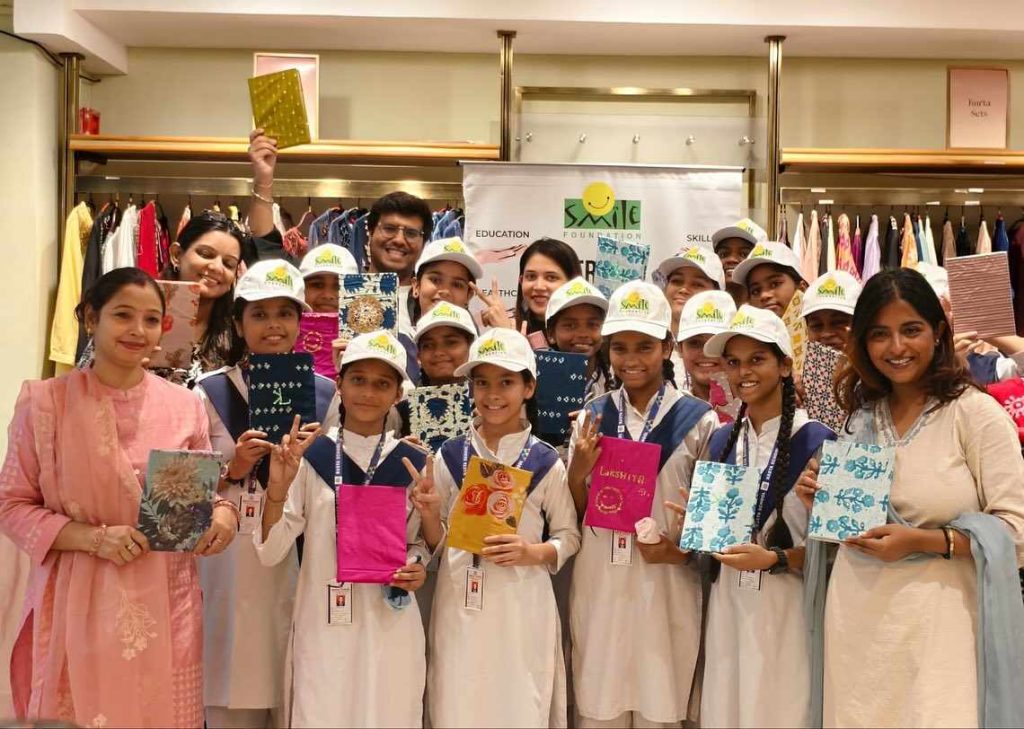
A strong example of this approach is Smile Foundation’s women empowerment work, which goes beyond income generation to focus on long-term agency and social mobility. Through targeted livelihood programmes, the organisation has supported thousands of women and adolescent girls across underserved communities with relevant skills, vocational training, digital literacy, entrepreneurship support and life-skills development. By combining employability with confidence-building and community participation, its model recognises that true empowerment lies not only in enabling women to earn, but in strengthening their ability to make decisions, exercise voice and shape their own futures.
Skill development is not enough
Governments and organisations often respond to unemployment through skill-building initiatives. These are important, but they are not always sufficient.
Training someone in tailoring or digital literacy does not guarantee a livelihood. People also need access to markets, social networks, mentorship, transport, credit and often emotional support. Too many skilling programmes assume that once training ends, the problem is solved.
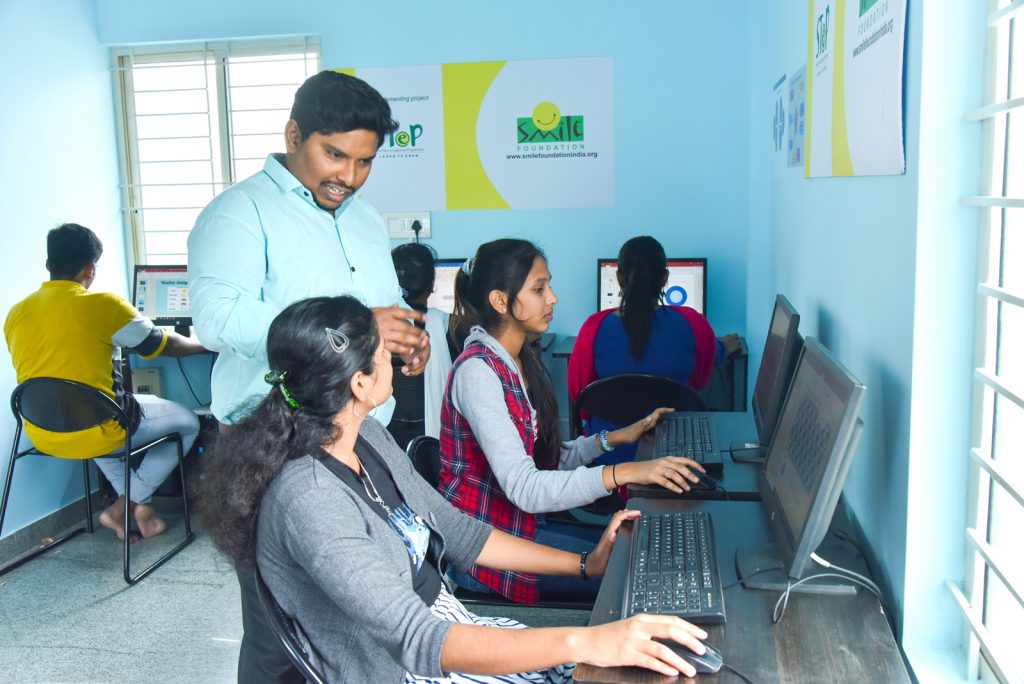
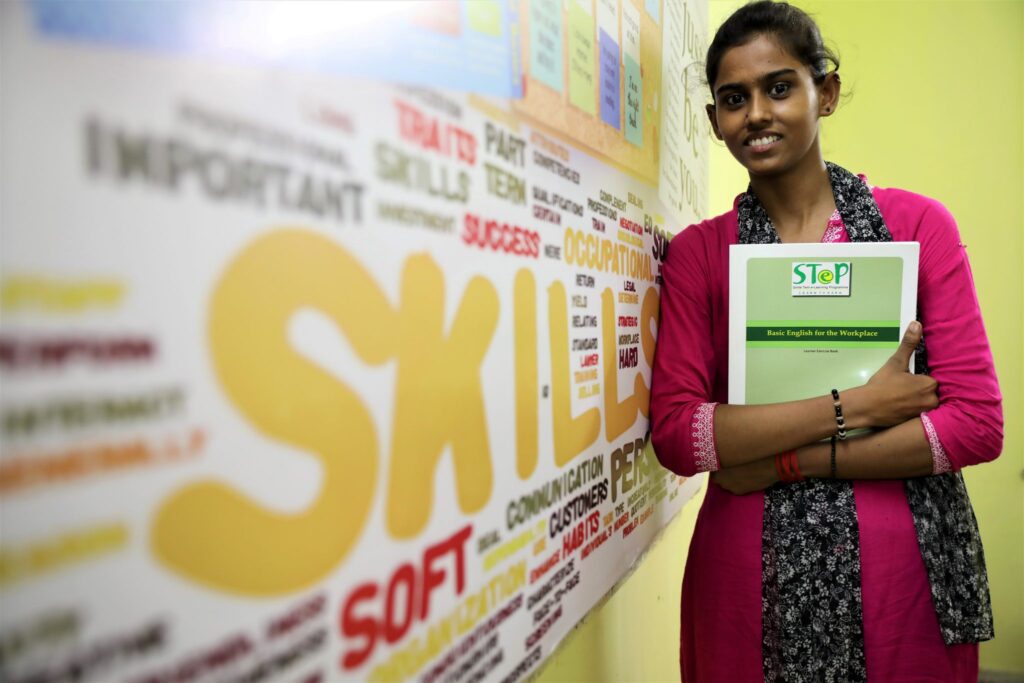
But livelihoods do not begin with certification, but with opportunity. That is why programme design must think beyond training and toward ecosystem support. This is increasingly evident in Smile Foundation’s livelihood programme, which views skilling as only one part of a broader employability ecosystem. Through initiatives such as STeP (Smile Twin e-Learning Programme), we combine vocational training with placement support, digital and communication skills, industry linkages and career readiness to improve long-term employment outcomes. Our model acknowledges that certification alone rarely changes lives; sustained livelihoods require confidence, networks and access to opportunity beyond the classroom.
Informality and invisible work and the emotional burden

A major challenge in countries like India is that much of the labour force operates within the informal economy, where work is often insecure by design. According to the International Labour Organisation, more than 80% of India’s workforce is employed informally, meaning millions of workers earn livelihoods without formal contracts, legal protections, social security or stable income guarantees. Their earnings may fluctuate month to month, their working conditions may be unsafe and their livelihoods can disappear overnight. Yet the consequences of such insecurity are not only economic but are deeply psychological.
Work shapes more than income — it shapes confidence, identity, routine and a sense of social belonging. When work becomes unstable, it often erodes self-worth alongside financial security. This is particularly visible among young people navigating fragile labour markets, where the experience of being “trained but unemployed” can lead to frustration, anxiety and disillusionment. If livelihood programmes focus only on increasing income without addressing vulnerability, they may improve wages while leaving insecurity and its emotional toll intact.
This is why the most effective livelihood interventions increasingly combine economic support with mentoring, peer networks and confidence-building, recognising that durable change depends not only on helping people earn, but on helping them feel secure enough to imagine and pursue a future.
What dignity-centred livelihood programmes look like
A dignity-centred livelihood programme begins with a fundamentally different question. Instead of asking, “How many jobs were created?”, it asks, “What kind of work was created and what did that work mean for the individual?” That shift changes everything about programme design. It pushes organisations to think beyond placement numbers and income targets toward the quality and meaning of work itself: whether it is safe, fairly paid and sustainable, whether it expands mobility and opportunity, and whether it enables voice, choice and social inclusion.
It also requires recognising that dignity is deeply contextual. For some, it may mean formal employment and financial stability. For others, it may mean entrepreneurship, flexibility, or simply the social recognition that comes from being seen as economically independent. There is no universal formula, which is why the most effective livelihood programmes begin not with assumptions, but with listening and understanding what communities themselves value and what meaningful work looks like in their lived realities.
This is also why trust matters so deeply. Livelihood programmes are most successful when they are rooted in local realities, shaped by community participation and built through long-term relationships rather than one-time interventions. This is especially true for populations that have historically faced repeated exclusion — women returning to work, youth from underserved communities, persons with disabilities and migrant workers, many of whom approach institutions with justified scepticism. Trust enables participation and participation enables sustainability. Without trust, even the most well-funded programme can struggle to create lasting change.
A strong example of this dignity-centred approach can be seen in the work we have been doing for years, which has increasingly embedded dignity into its livelihoods strategy. Through its STeP (Smile Twin e-Learning Programme) initiative, we go beyond vocational training to focus on employability, communication, confidence-building and career readiness among underserved youth, recognising that technical skills alone do not guarantee access to or retention in formal employment.
Young people need social confidence as much as they need technical capability. Similarly, through Swabhiman, we work with women and adolescent girls not only to improve economic opportunity but to strengthen agency, health and self-worth and acknowledge that women’s livelihoods are shaped as much by mobility, social norms and voice within households as by wages themselves. Together, these programmes reflect an increasingly important understanding: livelihoods are not experienced merely as salaries or jobs, but as pathways to identity, confidence, dignity and independence.
FAQs
Q1. Why isn’t income enough to measure livelihood success?
Because poverty is about more than low earnings — it also involves insecurity, exclusion and lack of voice. Someone can earn more and still face unsafe conditions, exploitation or a complete absence of agency over their own life.
Q2. What does dignity in work actually mean?
It means working without humiliation, being treated fairly, having choices and feeling valued. It also means earning safely and having the confidence to pursue a future beyond day-to-day survival — not just receiving a wage.
Q3. Why do women’s livelihoods require a different approach?
Because women’s economic participation is shaped by far more than job availability. Unpaid care work, mobility restrictions, household power dynamics and social norms all constrain what earning an income actually means for women in practice.
Q4. What is missing from most livelihood programmes?
A certificate does not create a livelihood on its own. People also need market access, mentorship, transport, credit and social support. Effective programmes treat skilling as one part of a broader ecosystem, not the endpoint.
Q5. What do dignity-centred livelihood programmes look like?
Livelihood programmes start by asking what kind of work was created, not just how many jobs. It prioritises safety, sustainability and voice alongside income — and it is built on trust, local knowledge and long-term community relationships rather than one-time interventions.