
Summary
- National Technology Day is observed every year on 11 May to commemorate India’s landmark scientific achievements of 1998, including the Pokhran-II nuclear tests under Operation Shakti, the first flight of the indigenously developed Hansa-3 aircraft, and the successful test of the Trishul missile
- The day was officially declared by former Prime Minister Atal Bihari Vajpayee on 11 May 1999, and has since served as an annual occasion to recognise the contributions of scientists, engineers, innovators and entrepreneurs to India’s scientific and technological progress
- The theme for National Technology Day 2026 is expected to focus on Responsible Innovation for Inclusive Growth, with emphasis on Artificial Intelligence, semiconductor manufacturing, clean energy, space innovation, deep-tech research and digital public infrastructure
- India’s scientific journey since independence has been remarkable — from ISRO’s cost-effective space missions including Chandrayaan and Mangalyaan, to the rise of UPI as one of the world’s largest digital payment systems, to a thriving startup ecosystem that now ranks among the fastest-growing globally
- India has made significant strides in defence technology through DRDO and growing private-sector partnerships, developing indigenous missile systems, drones, radar technologies and cybersecurity tools — reducing dependence on imports while strengthening strategic independence
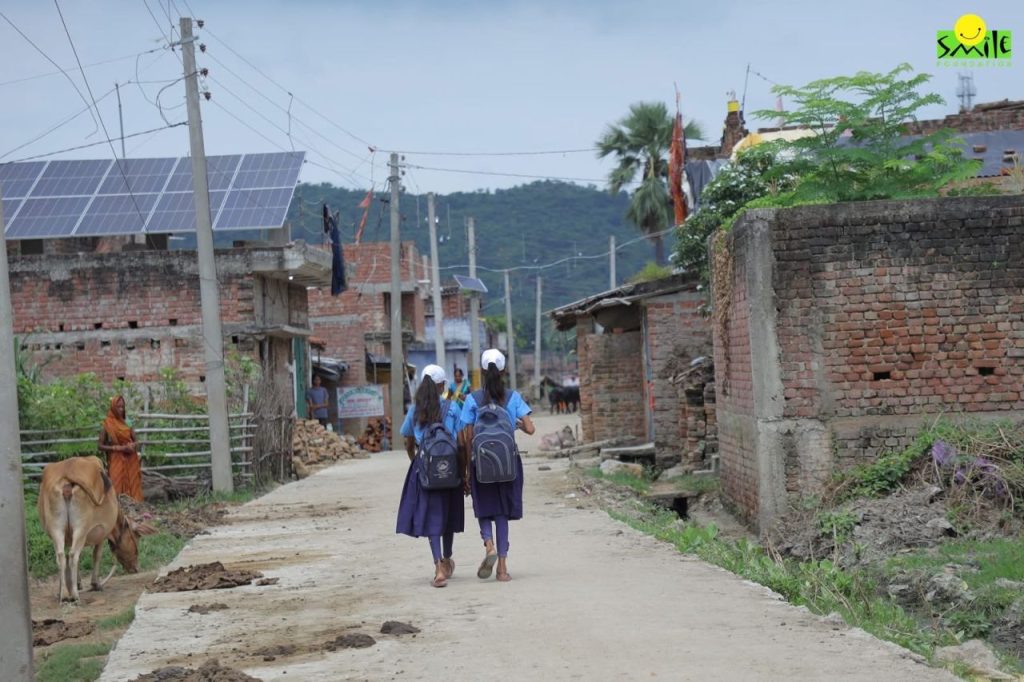
- Despite rapid technological progress, significant challenges remain, including uneven internet quality between urban and rural areas, gaps in IT infrastructure in rural schools, a persistent gender gap in STEM careers where women constitute 43% of STEM graduates but only 20–30% of professionals and device access barriers in low-income communities
- Community-level technology initiatives, including Smile Foundation’s Shiksha Na Ruke campaign using WhatsApp and basic phones for rural education, and the Smile on Wheels programme combining mobile clinics with telemedicine, demonstrate that affordable, locally grounded digital innovation can meaningfully improve education, healthcare and livelihoods
- India’s future technological priorities include AI adoption across agriculture, education, healthcare and public administration; green technology investment in solar energy, electric vehicles and green hydrogen; semiconductor manufacturing capacity; and deep-tech fields including quantum computing, robotics and biotechnology
Every year, May 11 marks National Technology Day, when India celebrates the country’s scientific achievements, technological progress, and the people behind these milestones. The day reminds us that science and technology are not limited to laboratories or machines, but they are, in fact, powerful tools that improve daily life, strengthen national security, and help shape the country’s future.
In 2026, National Technology Day once again offers India an opportunity to reflect on its remarkable journey. Over the decades, the country has moved from depending heavily on imported technology to becoming a recognised force in space research, digital innovation, pharmaceuticals, defence systems and entrepreneurship.
What is National Technology Day 2026 and its significance?
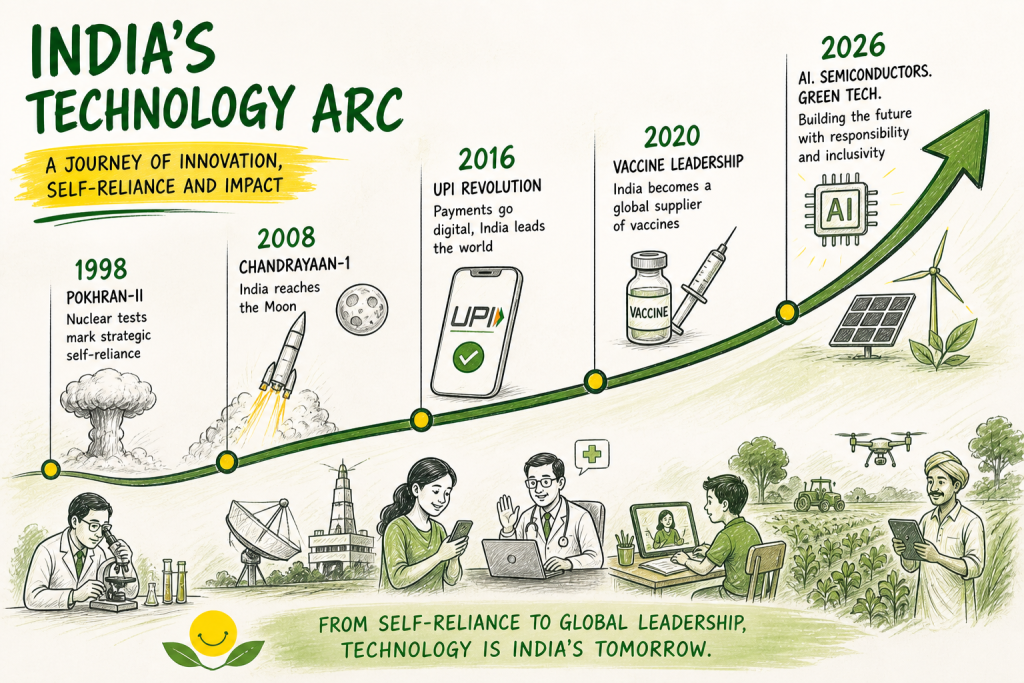
The National Technology Day was officially declared by former Prime Minister Atal Bihari Vajpayee on May 11, 1999, to commemorate India’s landmark scientific moments in 1998. The day is linked to a historic series of achievements that took place on 11 May 1998.
On that day, India successfully conducted the Pokhran-II nuclear tests under Operation Shakti in Rajasthan, establishing India as a nuclear-capable nation and demonstrating the strength of its scientific and strategic capabilities. The same day also saw the successful first flight of Hansa-3, an indigenously developed light aircraft created by the National Aerospace Laboratories, marking an important achievement in Indian aviation technology.
India also successfully tested the Trishul missile, reflecting progress in indigenous defence technology. Together, these achievements made 11 May a symbol of technological confidence and self-reliance. These tests also demonstrated India’s scientific prowess and strategic self-reliance.
The purpose of this day has been to recognise the contribution of scientists, engineers, innovators and entrepreneurs who have helped build the scientific structures of modern India. It also encourages young people to develop scientific thinking and contribute to the nation through innovation and research.
National Technology Day 2026: Responsible Innovation for Inclusive Growth
The theme of National Technology Day 2026 is expected to highlight “Responsible Innovation for Inclusive Growth”. The discussion around this year’s celebration is expected to focus on key sectors such as Artificial Intelligence, semiconductor manufacturing, clean energy, space innovation, deep-tech research and digital public infrastructure—sectors central to India’s long-term growth strategy.
The day is celebrated across India by government institutions, schools, universities, research centres and private companies, with the Department of Science and Technology and the Technology Development Board usually leading the national-level celebrations.
India’s journey in science and innovation
From modest beginnings after independence, India’s journey in science and technology has been remarkable, with the country earning global respect within technological ecosystems.
Space technology success
India’s space programme, led by ISRO, is one of the greatest examples of national scientific success. Missions such as Chandrayaan to the Moon and Mangalyaan to Mars earned worldwide recognition for their high efficiency and cost-effectiveness. India has also launched communication, navigation and Earth observation satellites that support everyday services and national development, placing India among the world’s leading space powers.
Digital revolution
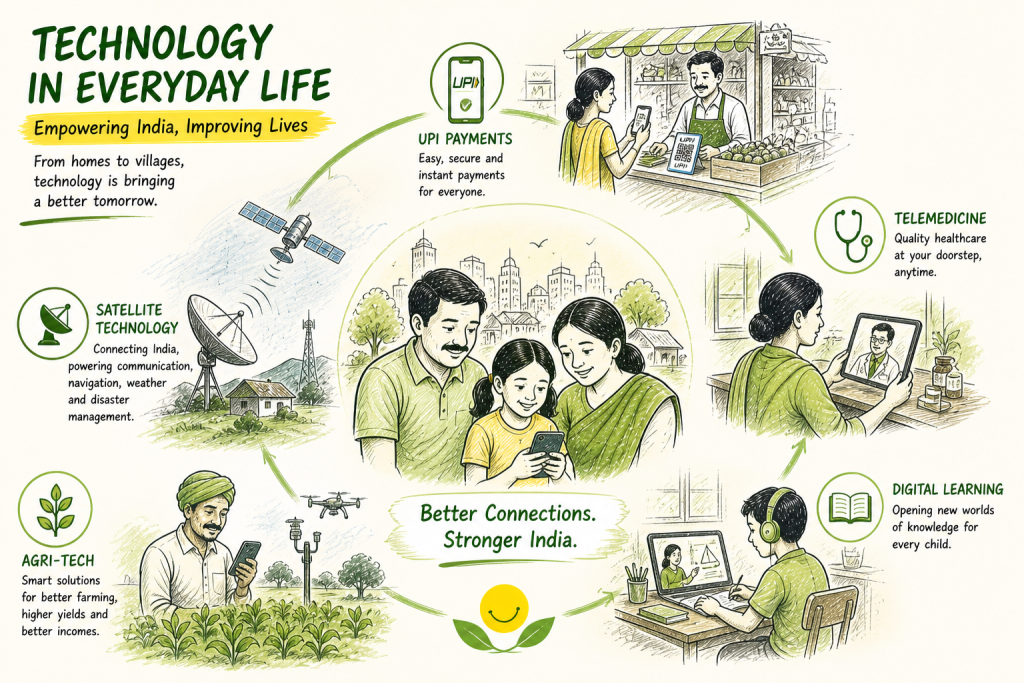
India has come a long way through its digital technology expansion. One of the strongest examples is the rise of UPI (Unified Payments Interface), which has changed how millions of Indians make transactions instantly using smartphones. India now has one of the world’s largest digital payment systems. Alongside UPI, services such as Aadhaar, online banking, telemedicine, e-governance platforms and digital learning tools have made technology a part of everyday life, bringing about a digital revolution that has improved convenience, financial inclusion and access to services.
Startup Ecosystem
India has become one of the world’s fastest-growing startup ecosystems with cities such as Bengaluru, Hyderabad, Gurgaon, Mumbai and Pune emerging as centres of innovation and entrepreneurship. Indian startups are developing solutions across sectors such as fintech, education technology, healthcare, logistics, software services, artificial intelligence and electric mobility, following a boost from government programmes such as Startup India. This has further encouraged young entrepreneurs to launch new businesses.
Defence and Strategic Technology
India has invested strongly in indigenous defence systems through organisations such as DRDO and through growing private-sector partnerships. The country has developed missile systems, radar technologies, drones, fighter aircraft projects, naval systems and cybersecurity tools. These efforts are helping India reduce dependence on imports while strengthening national security and strategic independence.
Healthcare and Vaccine Innovation
India has also shown remarkable strength in healthcare innovation, and during global health emergencies, Indian companies became leading suppliers of vaccines, generic medicines and medical equipment to many countries. The country is now investing further in biotechnology, genomic research, diagnostics and AI-powered healthcare systems, improving healthcare access and strengthening India’s role in global medicine.
Focus Areas for the Future
As India moves toward becoming a developed economy, technology will play an even bigger role in national growth. Artificial Intelligence is expected to transform sectors such as agriculture, education, healthcare, banking, manufacturing and public administration. Smart automation and data-driven systems can significantly improve productivity and service delivery.
Green technology is another major focus area. India is investing in solar energy, electric vehicles, green hydrogen, battery storage and smart grids. These technologies are important for balancing economic growth with environmental responsibility.
India is also pushing semiconductor manufacturing to reduce dependence on imports and build strategic capacity in electronics production. And at the same time, deep-tech fields such as robotics, quantum computing, advanced materials, biotechnology and private space technology are likely to shape the next generation of innovation.
Significance to students
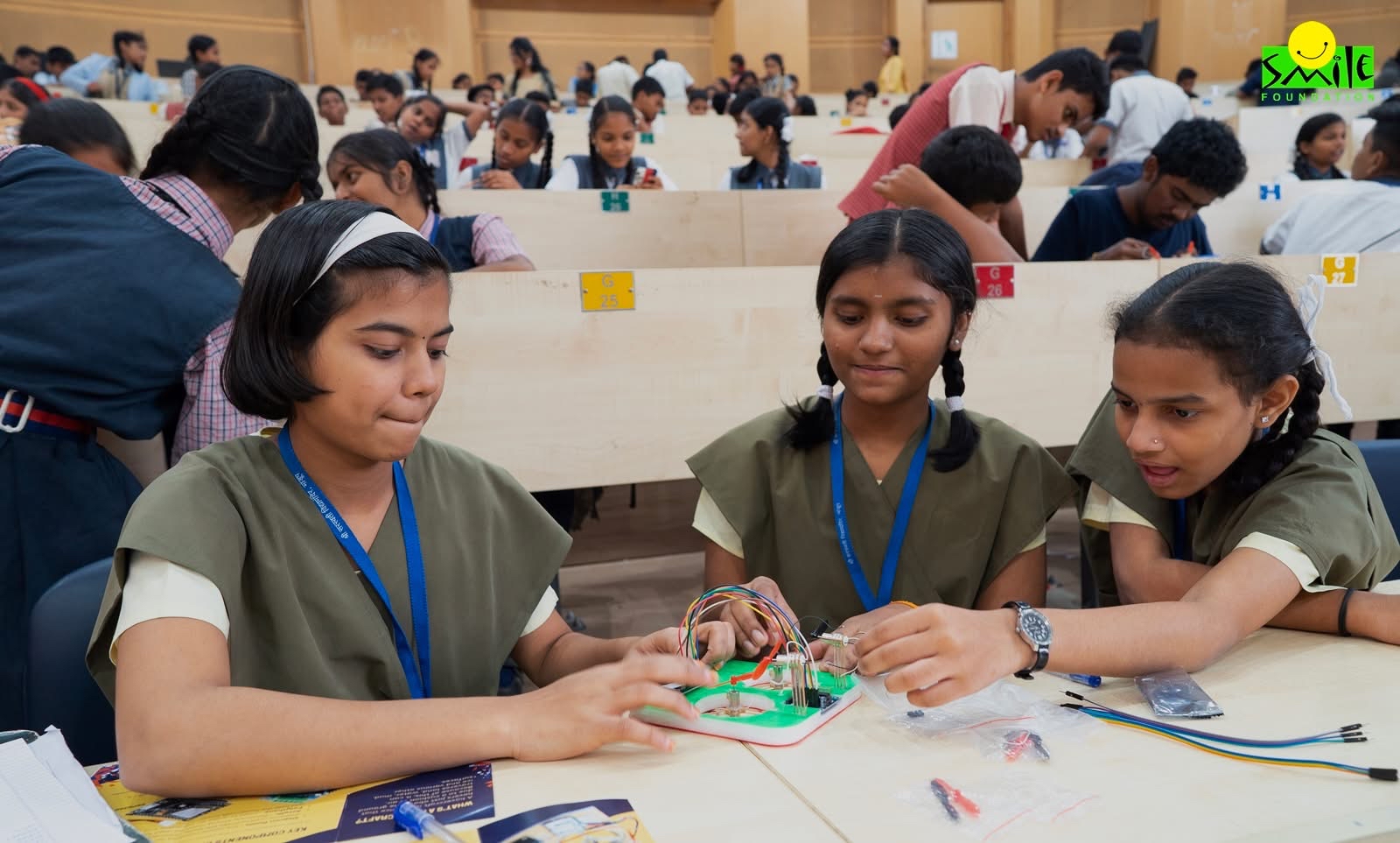
For students, National Technology Day is not just a symbolic occasion but a source of inspiration. It has shown that the pathway to careers in science, engineering, coding, robotics, research and entrepreneurship can directly contribute to national progress. The day also serves as a reminder to young minds that innovation often begins with curiosity, problem-solving and the courage to experiment.
Challenges India Still Faces
Despite rapid growth, India still faces several important challenges. The country needs higher investment in research and development, stronger collaboration between universities and industries, better access to technology in rural areas and a larger skilled workforce.
In 2019, only about 35% of Indians used the internet. While around 86% of households now have access, quality and speed still vary. Rural and low-income areas often face weak broadband, power cuts and lower usage, especially among older citizens.
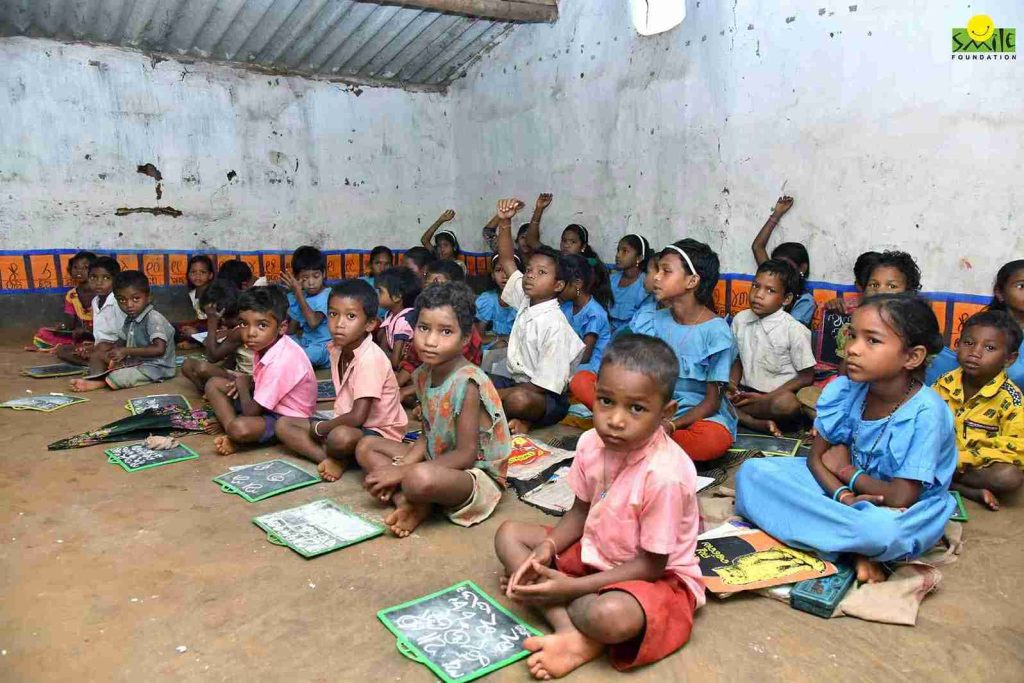
Further, although India produces many graduates, the quality is uneven. Rural schools often lack IT infrastructure, limiting e-learning. Women make up about 43% of STEM graduates, yet only 20–30% of STEM professionals. Outdated curricula, teacher shortages and dropouts also slow progress.
Cheap data has helped connectivity, but device costs remain a barrier. About 85% of households own smartphones, though shared devices reduce individual access. Many villages still lack high-speed fibre and language barriers also limit the use of digital services.
Additionally, women face cultural and safety barriers to technology access. Around 75% of rural women own mobiles compared to 79% of rural men. Despite strong graduation rates, relatively few women enter tech careers.
Technology in welfare
National Technology Day 2026 is more than a celebration of past success. It is a reminder of India’s scientific confidence and innovation potential. Our work at Smille Foundation leads the way for it. Initiatives like Smile Foundation’s Shiksha Na Ruke campaign use WhatsApp, basic phones and local volunteers to deliver virtual classes in villages, showing how low-tech solutions can support rural education. Its STEM on Wheels programme combines mobile clinics with telemedicine, helping villagers access doctors remotely through hybrid healthcare models. In agriculture, ITC Limited’s e-Choupal network connected farmers to market prices, weather updates and direct buyers, improving incomes across 40,000+ villages. Together, these examples show that affordable, community-led digital innovation can transform education, healthcare and livelihoods in rural India, though success still depends on reliable connectivity, training and local support.
Frequently Asked Questions (FAQs): National Technology Day 2026
What is National Technology Day 2026 and why is it celebrated on 11 May?
National Technology Day 2026 is observed every year on 11 May to mark a historic series of Indian scientific achievements that occurred on the same date in 1998. These included the successful Pokhran-II nuclear tests under Operation Shakti, the maiden flight of the indigenously developed Hansa-3 light aircraft by the National Aerospace Laboratories and the successful test of the Trishul missile. Former Prime Minister Atal Bihari Vajpayee officially declared 11 May as National Technology Day in 1999 to honour these milestones and recognise the scientists, engineers and innovators who made them possible.
What is the theme of National Technology Day 2026?
The theme of National Technology Day 2026 is expected to focus on Responsible Innovation for Inclusive Growth. The celebration is anticipated to centre on key sectors including Artificial Intelligence, semiconductor manufacturing, clean energy, space innovation, deep-tech research and digital public infrastructure — all of which are central to India’s long-term development strategy. The theme reflects a growing recognition that technological progress must be equitable, sustainable and directed toward the needs of all citizens, not only those in urban or well-resourced settings.
What were the key scientific achievements that led to the creation of National Technology Day?
Three significant achievements occurred on 11 May 1998. India successfully conducted the Pokhran-II nuclear tests under Operation Shakti in Rajasthan, establishing itself as a nuclear-capable nation. On the same day, the Hansa-3 — an indigenously developed light aircraft created by the National Aerospace Laboratories — completed its first successful flight, marking an important milestone in Indian aviation. India also successfully tested the Trishul surface-to-air missile, reflecting progress in indigenous defence technology. Together, these achievements represented a significant demonstration of India’s scientific confidence and strategic self-reliance.
How has India progressed in space technology?
India’s space programme, led by the Indian Space Research Organisation, is one of the most recognised examples of the country’s scientific achievement. Missions including Chandrayaan to the Moon and Mangalyaan to Mars earned global attention for their technical sophistication and cost-effectiveness — the Mars Orbiter Mission remains one of the most affordable interplanetary missions ever conducted. India has also developed communication, navigation and Earth observation satellites that support everyday services, agriculture, disaster management
and national development. These achievements have placed India among the world’s leading space powers.
What role has digital technology played in India’s development? Digital technology has transformed everyday life in India across multiple dimensions. The Unified Payments Interface (UPI) has made India home to one of the world’s largest digital payment systems, enabling instant transactions for hundreds of millions of people. Aadhaar-based digital identity, e-governance platforms, online banking, telemedicine and digital learning tools have collectively improved access to services, financial inclusion and administrative efficiency. India’s digital public infrastructure is now studied globally as a model for technology-enabled development at scale.
What challenges does India still face in technology access and inclusion?
Despite significant progress, important gaps remain. Internet quality and speed vary considerably between urban and rural areas, with many villages still lacking high-speed fibre connectivity. Rural schools frequently lack IT infrastructure, limiting access to digital and e-learning tools. Women make up approximately 43% of STEM graduates in India but represent only 20–30% of STEM professionals, pointing to persistent structural and cultural barriers to gender equity in technology careers. Device costs remain a barrier for lower-income households and language barriers continue to limit access to digital services for many citizens.
How are community organisations using technology to reach underserved populations?
Community organisations are demonstrating that technology does not need to be expensive or sophisticated to be effective. Smile Foundation’s Shiksha Na Ruke campaign uses WhatsApp, basic mobile phones and local volunteers to deliver virtual classes in rural villages showing that low-tech solutions, thoughtfully designed, can meaningfully support education access. The Smile on Wheels programme combines mobile healthcare clinics with telemedicine, allowing villagers to consult doctors remotely through hybrid healthcare models. These initiatives illustrate that affordable, community-led digital innovation can transform education, healthcare and livelihoods when accompanied by adequate training and local support.
What are India’s key technology priorities for the future?
India’s future technology agenda spans several interconnected areas. Artificial Intelligence is expected to transform agriculture, education, healthcare, banking, manufacturing and public administration improving productivity and service delivery at scale. Green technology including solar energy, electric vehicles, green hydrogen, battery storage and smart grids — is a major priority as India seeks to balance economic growth with environmental sustainability. Semiconductor manufacturing is being developed to reduce import dependence and build strategic capacity in electronics. Deep-tech fields including quantum computing, robotics, advanced materials, biotechnology and private space technology are expected to define the next generation of Indian innovation.