Executive Summary
In rural India, development challenges rarely exist in isolation. A failed monsoon affects crops, which affects incomes, which affects nutrition, education and health. Addressing these issues in silos often limits impact.
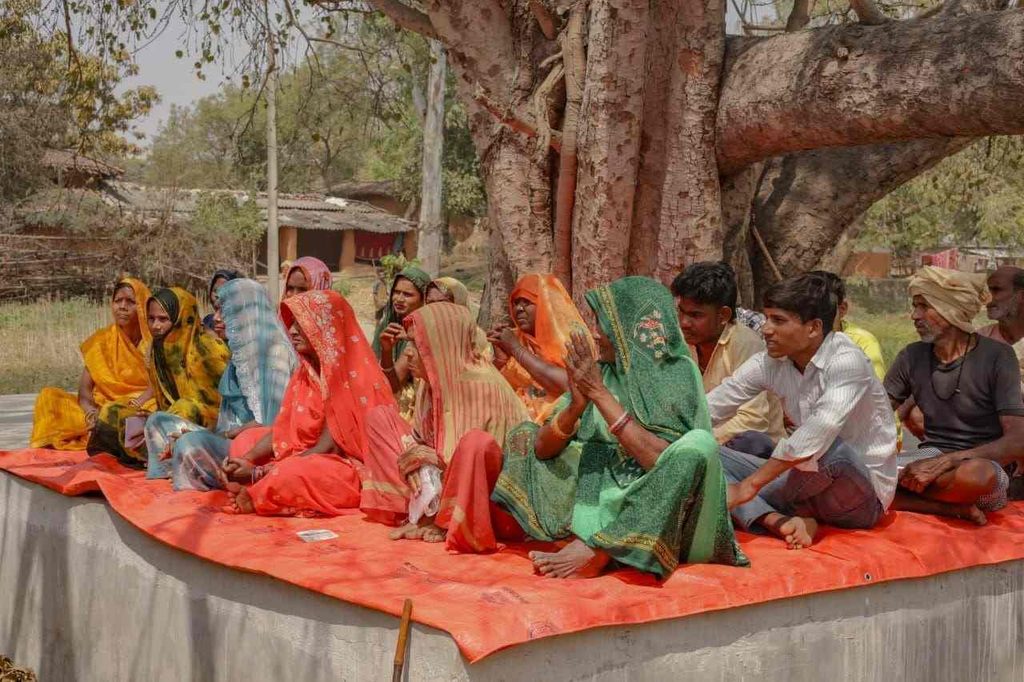
The Blueleaf Cares Integrated Community Development Project in Agar Malwa, Madhya Pradesh, responds to this complexity with an integrated, long-term approach. Designed by Blueleaf Renewable Energy Pvt. Ltd. and implemented by Smile Foundation, the initiative aims to strengthen healthcare access, build climate-resilient livelihoods, improve education, and restore local ecosystems across 25 villages, directly impacting over 10,000 people.
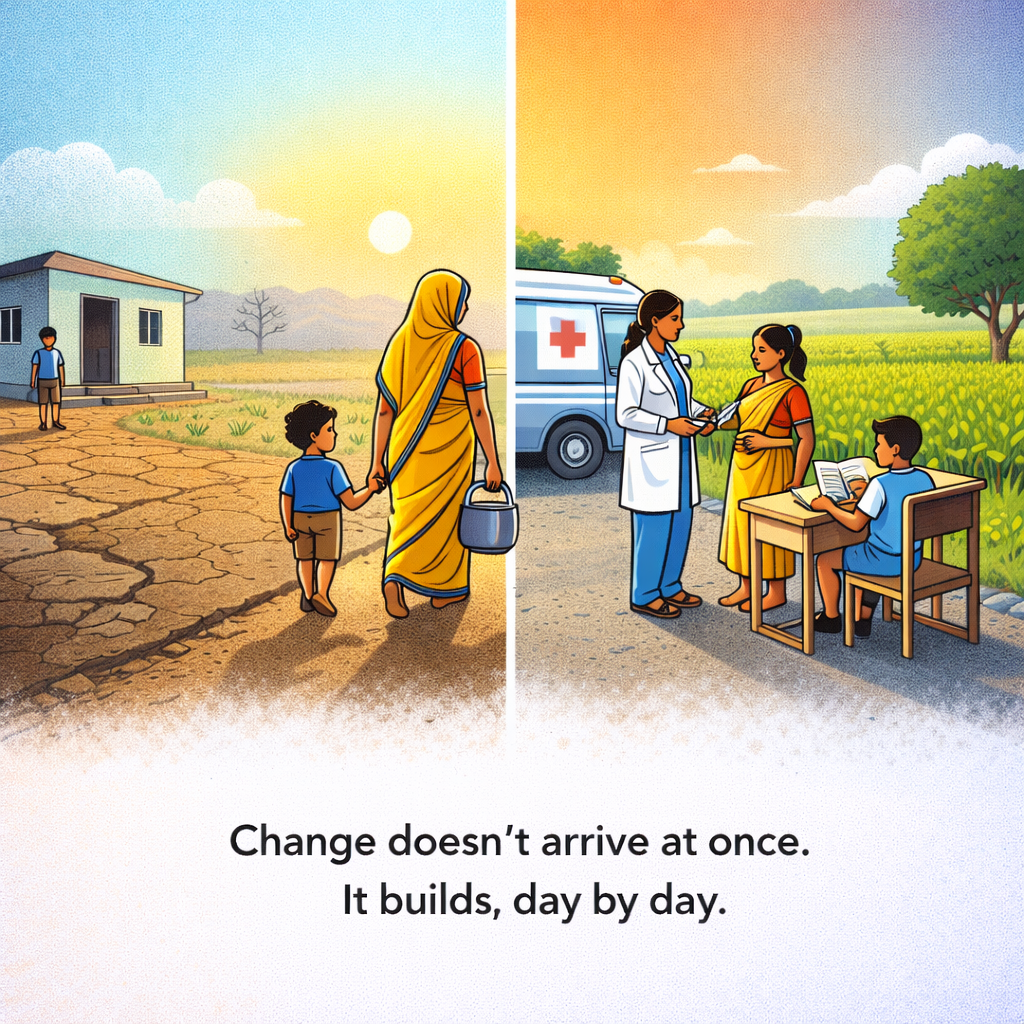
Over a five-year horizon, the programme seeks not just to deliver services, but to build resilient, self-reliant communities where people and nature thrive together.
Agar Malwa: A Region at the Intersection of Climate and Livelihood Vulnerability
Agar Malwa, located on the Agar Plateau of Madhya Pradesh, reflects the realities of agrarian India under climate stress. Nearly 70% of its land is under cultivation and agriculture, along with livestock rearing, forms the backbone of local livelihoods. Yet this system is largely rain-fed, making it deeply vulnerable to erratic rainfall patterns, recurring droughts and growing water scarcity.
Rising temperatures and frequent heatwaves, often exceeding 40°C, have intensified the strain, affecting not only agricultural productivity but also human health and well-being. Environmental degradation, including groundwater depletion, soil erosion and deforestation, further compounds these pressures.
Social indicators mirror these structural challenges. The region’s average literacy rate stands at 69%, with female literacy at just 56%, pointing to persistent gender disparities. Access to healthcare remains limited, and communities continue to face a dual burden of undernutrition and emerging non-communicable diseases such as hypertension and diabetes. While institutional deliveries have improved, the quality and continuity of maternal and child healthcare services remain uneven.
These interconnected vulnerabilities, economic, environmental and social, make Agar Malwa a landscape where fragmented interventions are insufficient. What is required is a model that recognises and responds to this interdependence.
Blueleaf Cares: A Framework for Integrated Rural Transformation
The Blueleaf Cares initiative is grounded in a vision of holistic rural sustainability, where development is both inclusive and environmentally responsible.
Its approach is anchored in five guiding principles:
- Community Centric – ensuring local ownership and participation
- Adaptation and Awareness – building understanding of climate and health risks
- Restoration and Resilience – strengthening ecosystems and livelihoods
- Education and Empowerment – enabling long-term social mobility
- Skilling and Sustainability – creating pathways for future-ready livelihoods
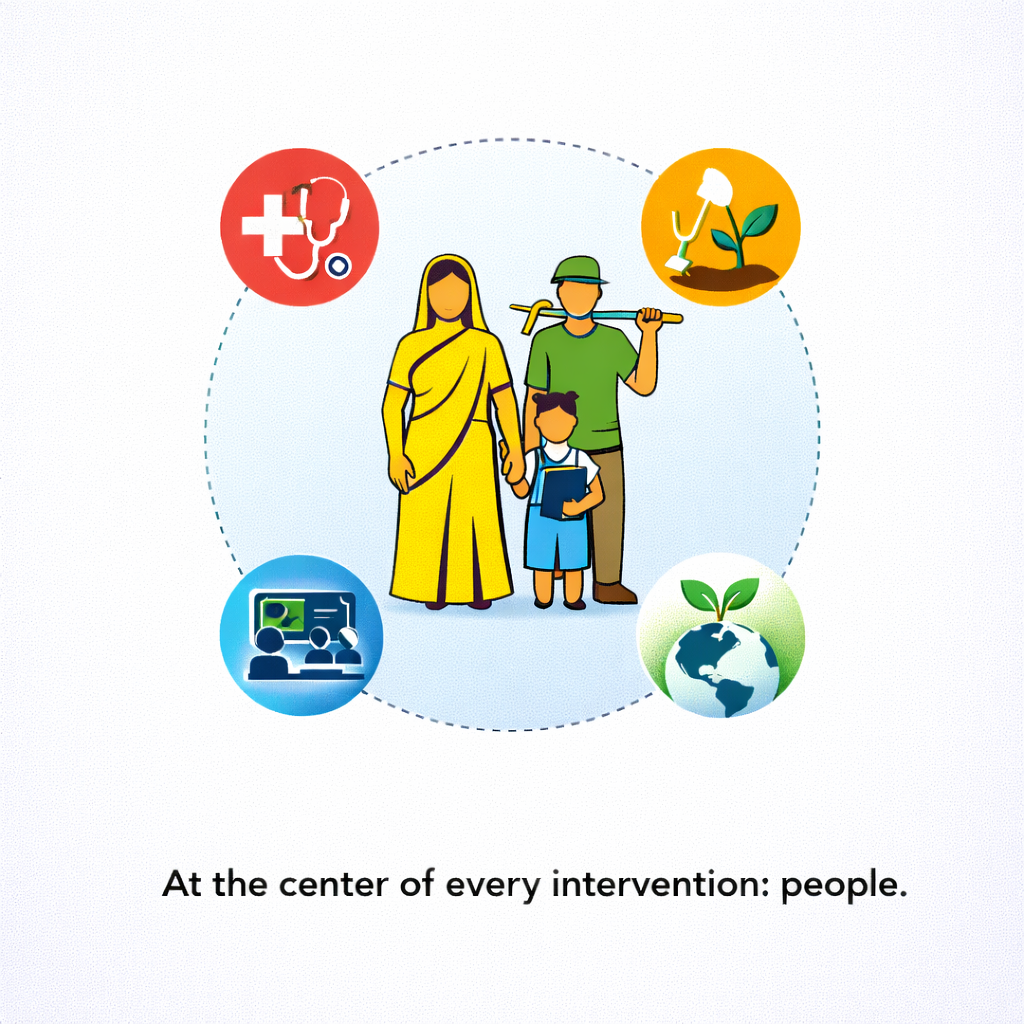
These principles translate into a programme that does not treat healthcare, education, livelihoods and environment as separate verticals, but as interconnected systems.
From Design to Delivery: Smile Foundation as the Implementation Partner
As the implementation partner, Smile Foundation plays a critical role in translating the programme’s vision into measurable, on-ground outcomes.
The approach begins with a “Zero + Four Year” implementation model, starting with a comprehensive baseline survey across all 25 villages. This initial phase identifies gaps across health, education, livelihoods, skilling and environmental conditions, ensuring that interventions are tailored to local realities.
What follows is a process of community mobilisation and participatory planning, where village-level priorities shape programme design. This is not a top-down delivery model. It is a collaborative process where communities move from being beneficiaries to active stakeholders.
Smile Foundation’s role extends across:
- Community engagement and trust-building
- Programme implementation across sectors
- Capacity building of local institutions
- Monitoring, evaluation and adaptive learning
This ensures that interventions are not only delivered, but sustained.
A Multi-Dimensional Plan of Action
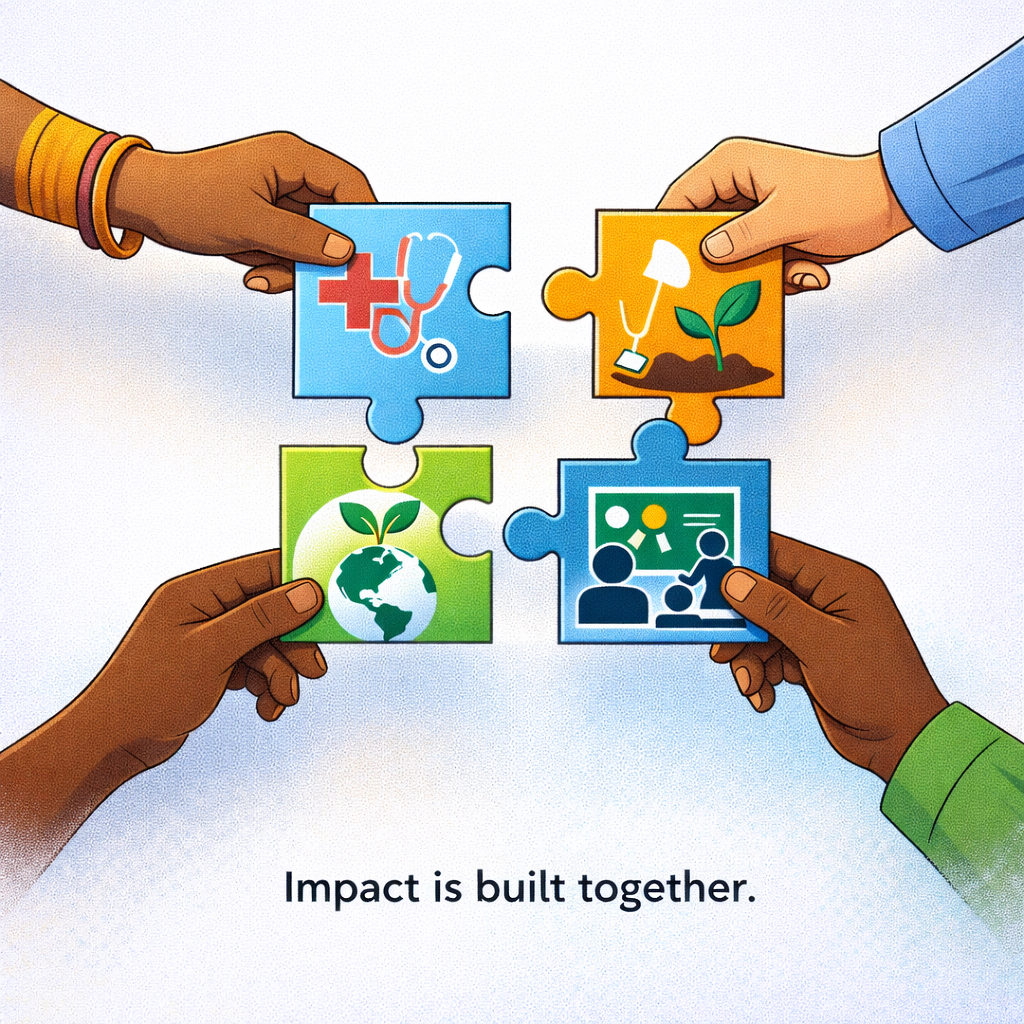
The programme unfolds across four core pillars, each addressing a critical dimension of rural life while reinforcing the others.
Climate-Resilient Livelihoods
Recognising the vulnerability of rain-fed agriculture, the initiative promotes climate-smart farming practices, livelihood diversification and capacity building. Farmers are supported in adopting adaptive techniques, while Farmer Producer Organisations (FPOs) are strengthened to improve market access and income stability.
Ecosystem Restoration
Environmental sustainability is central to the programme. Efforts focus on restoring degraded land, conserving biodiversity and improving ecosystem services. These interventions are essential not only for ecological balance but also for sustaining agricultural productivity and livelihoods.
Education and Skilling
Education is approached as both an immediate need and a long-term investment. The programme works to improve access to quality education, enhance learning environments, and build environmental awareness among students. At the same time, rural youth are equipped with 21st-century skills and green job capabilities, preparing them for emerging economic opportunities.
Health and Nutrition
Healthcare interventions aim to strengthen primary care access while addressing critical issues such as anaemia, malnutrition and non-communicable diseases. Awareness campaigns promote preventive health practices, while linkages to public health schemes improve access to services.
Strengthening Local Systems for Sustainability
A defining feature of Blueleaf Cares is its emphasis on institutional strengthening.
The programme works through a network of local bodies, including:
- Gram Panchayats and Village Development Committees
- Biodiversity Management Committees
- Self-Help Groups and Farmer Producer Organisations
Frontline workers — ASHAs, ANMs, Anganwadi workers, teachers and youth volunteers — are trained and supported to extend services at the last mile. Social and Behaviour Change Communication (SBCC) activities further reinforce awareness and participation.
Partnerships with district and line departments across Health, Education, Agriculture, Forest and Rural Development ensure convergence with existing systems.
This approach transforms communities into active participants, capable of sustaining progress beyond the programme’s lifecycle.
Government Convergence: Linking Local Action to National Priorities
To ensure scale and sustainability, the programme aligns with key government initiatives, including:
- Ayushman Bharat
- Anemia Mukt Bharat
- ICDS
- RMNCH+A
- NPCDCS
By integrating with these schemes, the programme strengthens existing systems rather than duplicating efforts, enabling more efficient and impactful delivery.
Scale and Reach
The Blueleaf Cares initiative spans 25 villages in Agar Block, with a direct outreach of over 10,000 beneficiaries.
These include:
- Small and marginal farmers and livestock rearers
- Women, adolescents and elderly individuals requiring improved healthcare and nutrition services
- Students, teachers and rural youth seeking better education and skilling opportunities
A Partnership That Reflects a Shift in Development Thinking
At its core, the Blueleaf Cares and Smile Foundation partnership represents a shift from fragmented interventions to integrated development thinking.
It acknowledges that:
- Livelihoods are linked to climate
- Health is linked to nutrition and income
- Education is linked to long-term resilience
And that meaningful change requires addressing these connections simultaneously.
Conclusion
In regions like Agar Malwa, where vulnerabilities are layered and persistent, development must be equally nuanced.
The Blueleaf Cares initiative, with Smile Foundation as its implementation partner, offers a model that moves beyond short-term solutions. It focuses on building systems, strengthening communities and creating pathways for sustainable growth.
Because lasting impact is not created through isolated efforts.
It is built through integrated systems, local ownership and sustained commitment.
FAQs
What is the Blueleaf Cares programme?
An integrated rural development initiative focused on healthcare, livelihoods, education and environmental sustainability in Agar Malwa.
What is Smile Foundation’s role?
Smile Foundation is the implementation partner, responsible for executing and sustaining programme interventions on the ground.
How many people will benefit?
Over 10,000 individuals across 25 villages in Agar Block.
What makes this programme unique?
Its integrated, multi-sectoral approach that addresses interconnected challenges rather than isolated issues.
How does it ensure long-term impact?
By strengthening local institutions, aligning with government schemes and building community ownership.