
Executive Summary
India’s billionaire class is expanding rapidly, and with it, the visibility of the Indian billionaire philanthropist. Large donations, high-profile foundations and CSR-led initiatives have positioned billionaires as key actors in India’s development ecosystem.
However, data reveals a more nuanced reality.
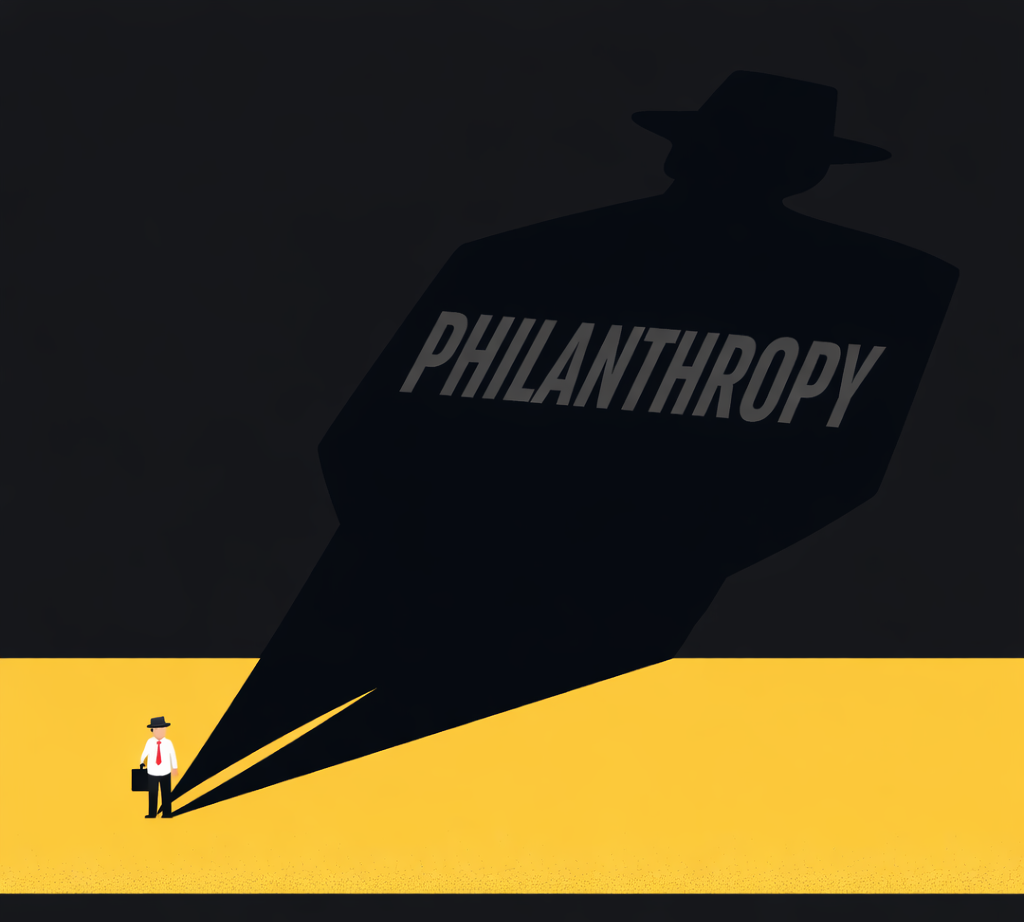
Despite rising visibility, Indian billionaires contribute an estimated 5–15% of total formal philanthropy, with giving concentrated among a small group of donors. Much of what is perceived as billionaire philanthropy is routed through corporate CSR, while critical sectors remain underfunded.
For organisations like Smile Foundation, this highlights a central challenge:
bridging the gap between high-value philanthropy and sustained, on-ground impact.
India’s Billionaire Boom and the Rise of Philanthropy
India is now home to over 200 billionaires, making it one of the largest hubs of concentrated wealth globally. Prominent names such as Mukesh Ambani, Gautam Adani, Shiv Nadar and Azim Premji have become synonymous with both economic growth and large-scale philanthropy.
The emergence of the Indian billionaire philanthropist has reshaped how development funding is discussed in India.
From education institutions to healthcare systems, billionaire-led initiatives are increasingly visible.
How Much Do Indian Billionaire Philanthropists Actually Give?
India’s total philanthropic ecosystem, including private donations and CSR, is estimated at over ₹1.2 lakh crore annually.
In comparison:
- Top 10 billionaire donors contribute roughly ₹4000–6000 crore annually
- Total contributions by ultra-wealthy individuals are estimated at ₹10,000–20,000 crore
Concentration of Giving: A Few Lead, Many Follow Slowly
Philanthropy among Indian billionaires is not evenly distributed.
A small number of individuals account for a large share of donations.
For example:
- Shiv Nadar consistently leads giving in India, contributing over ₹2,000 crore annually through the Shiv Nadar Foundation
- Azim Premji has made one of the largest philanthropic commitments globally through the Azim Premji Foundation
Beyond these leaders, most billionaires contribute relatively modest amounts compared to their wealth.
What This Means
The rise of the Indian billionaire philanthropist is not a collective movement, it is driven by a few committed individuals.

CSR vs Personal Philanthropy: Understanding the Difference
India’s philanthropic ecosystem is uniquely shaped by the Companies Act 2013, which mandates corporate social responsibility (CSR) spending.
This creates a critical distinction:
Corporate-led giving
- Reliance Foundation
- Adani Foundation
Personal philanthropy
- Independent foundations and trusts
- Direct donations by individuals
Why This Matters
A significant portion of what is labelled as “Indian billionaire philanthropist giving” is actually corporate spending, not personal wealth redistribution.
This inflates perceptions of individual generosity and complicates accurate analysis.
The Ground Reality: Where Funding Meets Impact
For organisations like Smile Foundation, philanthropy is operational.
Large donations create visibility, but sustained funding creates impact.
Healthcare Access
Smile Foundation’s Smile on Wheels programme delivers primary healthcare services to underserved communities.
These interventions highlight a persistent gap:
- Millions lack access to basic healthcare
- Funding must be continuous, not episodic
Education for Underserved Children
Through Mission Education, children from marginalised communities receive access to quality education.
Despite large philanthropic investments in education, gaps remain in:
- Last-mile delivery
- Retention and continuity
- Digital access
Bridging the Digital Divide
The Smile Twin e-Learning Programme addresses digital inequality, a challenge that became stark during the pandemic.
This is an area where billionaire philanthropy is still evolving.
Women’s Health and Entrepreneurship
Programmes like Swabhiman focus on preventive healthcare and entrepreneurship among women
These are critical but underfunded areas, often overshadowed by larger institutional investments.
Sectoral Priorities: Where Billionaires Focus Their Giving
The Indian billionaire philanthropist typically prioritises:
1. Education
The largest share of funding goes to schools, universities and scholarships.
2. Healthcare
Hospitals, disease programmes and CSR-led health initiatives.
3. Rural Development
Livelihoods, skilling and community infrastructure.

The Missing Middle
Several critical sectors remain underfunded:
- Urban poverty
- Informal labour and migrant workers
- Mental health
- Climate resilience
These gaps highlight the need for more strategic and diversified philanthropy.
The Role of Implementation Organisations
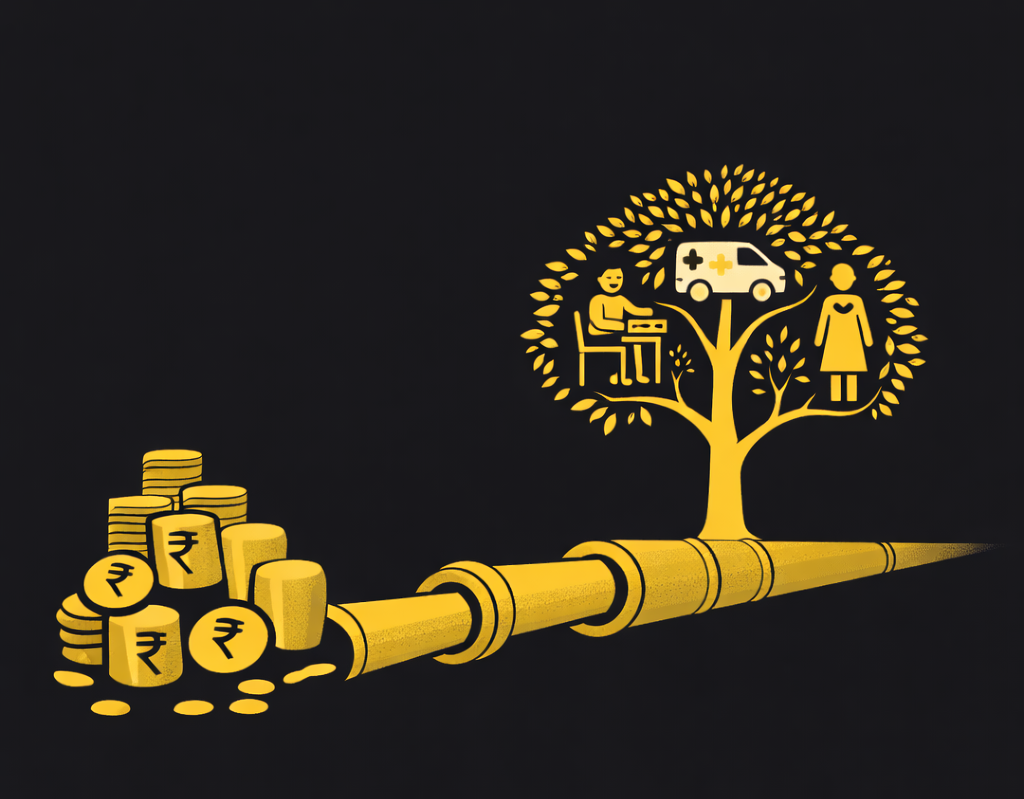
Organisations like Smile Foundation play a crucial role in ensuring that philanthropy translates into real impact.
We act as:
- Bridges between donors and communities
- Implementers of scalable programmes
- Custodians of accountability and outcomes
This work demonstrates that effective philanthropy depends on execution, not just funding size.
The Way Forward
To strengthen the impact of billionaire philanthropy in India, the ecosystem needs:
- Greater transparency in giving
- Increased focus on underserved sectors
- Stronger collaboration between donors and implementation partners
Conclusion
The rise of the Indian billionaire philanthropist marks an important shift in India’s development landscape.
But the story is not just about big donations.
It is about:
- How much is given
- Where it is directed
- And how effectively it is used
Until these align, the true potential of philanthropy will remain only partially realised.
FAQs
1. What is an Indian billionaire philanthropist?
An Indian billionaire philanthropist is a high-net-worth individual who donates significant resources to social causes, either through personal foundations, trusts or corporate CSR initiatives.
2. How much do Indian billionaires contribute to philanthropy?
Estimates suggest that Indian billionaires contribute around ₹10,000–20,000 crore annually, accounting for roughly 5–15% of total formal philanthropy.
3. What is the difference between CSR and personal philanthropy?
CSR is mandatory corporate spending under the Companies Act, while personal philanthropy involves voluntary donations from an individual’s wealth.
4. Which sectors receive the most funding from Indian billionaire philanthropists?
Education receives the largest share, followed by healthcare and rural development.
5. Why is there limited data on billionaire philanthropy in India?
India lacks a centralised reporting system and much giving happens through private trusts, CSR channels and family offices, making it difficult to track accurately.
6. How do organisations like Smile Foundation use philanthropic funding?
We implement programmes in education, healthcare, women empowerment and livelihood, ensuring that funds translate into measurable, long-term impact at the community level.