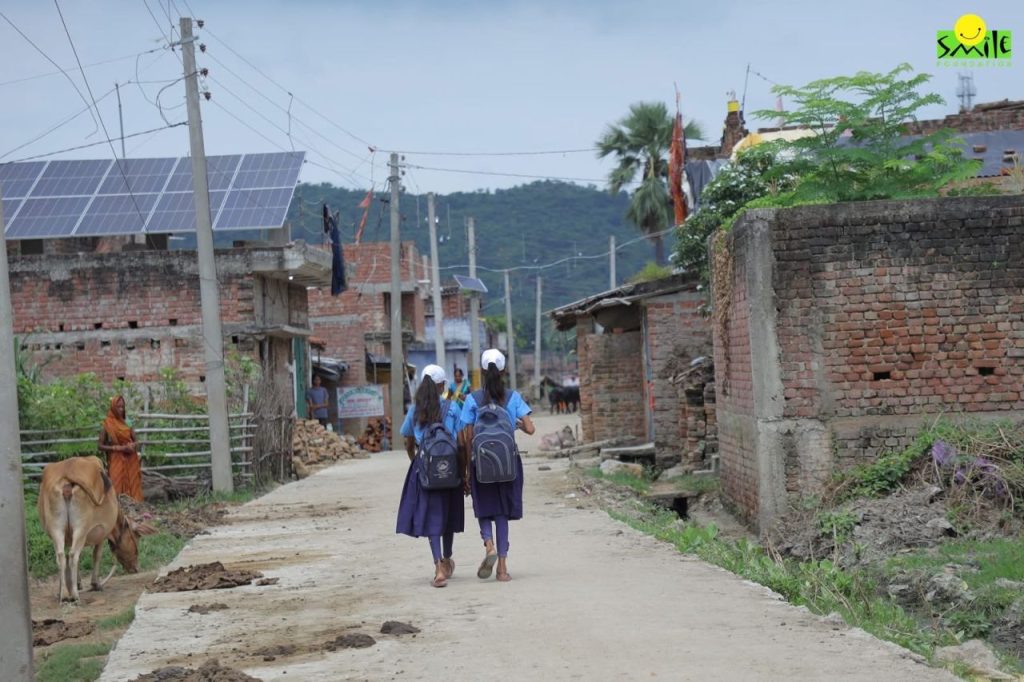


India has made significant strides in expanding access to schooling. Enrolment rates have improved, gender parity at the primary level has strengthened and millions of children now enter classrooms each year with aspirations for a better future.
Yet access to school is only the first step.
A child who is undernourished cannot fully participate in learning.
India’s “protein gap” — the shortfall between recommended protein intake and what many people actually consume — remains one of the country’s most under-recognised development challenges. While caloric intake has improved over time, diet quality continues to lag, particularly among low-income households. The implications are far-reaching, affecting not only health but also cognitive development, school attendance and long-term opportunity.
If education is to be transformative, nutrition must be foundational.
Understanding the Protein Gap
Health experts recommend approximately 0.8 to 1 gram of protein per kilogram of body weight per day for healthy individuals, with higher requirements for children, adolescents and pregnant or lactating women. However, multiple national surveys suggest that a substantial proportion of Indians fall short of these recommendations.
Indian diets remain heavily cereal-based. Rice and wheat form the core of daily meals for many households, especially those supported by public food distribution systems. While cereals provide calories and some protein, they do not supply all essential amino acids in sufficient quantities unless combined with diverse sources such as pulses, dairy, eggs or meat.
For families managing limited incomes, dietary diversity is often constrained by affordability. Protein-rich foods typically cost more per calorie than staples like rice or wheat. When budgets are tight, quantity understandably takes precedence over quality.
The result is not visible hunger in the traditional sense, but hidden deficiency — children who consume enough calories to feel full, yet lack the nutrients required for optimal growth and development.

Why Protein Matters for Learning
Protein plays a crucial role in building and repairing tissues, supporting immune function and enabling cognitive development. For children and adolescents, adequate protein intake is particularly important during periods of rapid growth.
When protein intake is insufficient, the consequences may include:
- Impaired physical growth
- Reduced muscle development
- Frequent illness
- Fatigue
- Difficulty concentrating
In a classroom setting, these challenges directly affect a child’s ability to learn. Attention span, memory retention and problem-solving capacity are all influenced by nutritional status. A child who feels weak or unwell is less likely to engage actively in lessons or participate confidently in discussions.
India continues to report high levels of child stunting and anaemia, particularly among girls and women. While these conditions arise from multiple factors, inadequate dietary protein contributes to weakened resilience and developmental delays. Over time, these deficits can translate into poorer educational outcomes and reduced economic prospects.
Nutrition, therefore, is not separate from education policy. It is central to it.

The Gendered Reality of the Protein Gap
The protein gap in India has a pronounced gender dimension.
In many households, food distribution is influenced by social norms. Women and girls may eat after male family members or consume smaller portions when protein-rich foods are limited. Over time, this pattern compounds inequality.
Adolescent girls are especially vulnerable. During adolescence, protein requirements increase due to rapid growth and hormonal changes. Inadequate intake during this stage can affect height attainment, reproductive health and future maternal outcomes.
When undernourished girls become mothers, the cycle of malnutrition can continue into the next generation.
Improving protein intake among girls is therefore not only about immediate well-being. It is an investment in healthier families and stronger communities.
For organisations working at the intersection of education and gender equity, this connection is critical. Keeping girls in school requires ensuring they are physically equipped to thrive there.
The Role of School-Based Nutrition
India’s school meal programmes have played a transformative role in increasing enrolment and attendance. For many children from low-income households, school meals provide a significant portion of daily nutritional intake.
Where meals are diverse and include adequate protein sources — such as pulses, eggs or dairy — they contribute meaningfully to growth and cognitive function. In several states, the inclusion of eggs in school meals has been associated with improved attendance and participation.
However, the quality and composition of school meals vary across regions. In some contexts, meals remain heavily cereal-based, limiting their ability to close the protein gap effectively.
Optimising school nutrition programmes is therefore not simply a matter of food provision. It is about designing meals that support learning outcomes.
Nutrition and Educational Continuity
From Smile Foundation’s experience working in underserved communities, one pattern is clear: children who are healthier attend school more regularly.
Under its Mission Education programme, Smile Foundation supports access to quality education while recognising that health and nutrition are integral to sustained learning. Community engagement efforts often include awareness-building around balanced diets, hygiene and preventive healthcare.
When parents and caregivers understand the importance of affordable protein sources such as pulses, lentils, groundnuts, seasonal legumes and dairy, dietary improvements become more feasible. Small shifts in household food choices can make meaningful differences in children’s growth and energy levels.
Educational continuity is strengthened when children are not repeatedly absent due to illness or fatigue. Confidence grows when physical well-being supports active participation.
The Urban–Rural Contrast
In urban middle-class settings, conversations around protein often revolve around fitness supplements, fortified foods and lifestyle choices. Yet this narrative contrasts sharply with realities in many rural and low-income communities.
For millions of children, the challenge is not optimising protein intake for performance enhancement. It is securing sufficient protein for basic growth.
Bridging this divide requires a public conversation that moves beyond trends and acknowledges structural inequities in food access. Nutrition must be framed as a rights-based issue linked to educational opportunity and economic mobility.
Protein, Productivity and India’s Future
India’s demographic dividend is frequently cited as a driver of future growth. But a demographic advantage yields returns only when human capital is strong.
Children who grow up with inadequate nutrition face lifelong consequences. Physical growth may be stunted, cognitive development may be constrained and earning potential may be reduced. These individual effects accumulate into broader economic implications.
Addressing the protein gap is therefore not just a health intervention. It is a long-term investment in national productivity and resilience.
Toward Integrated Solutions
Closing India’s protein gap requires coordinated efforts across policy, education, and community engagement.
Public food systems must prioritise dietary diversity. School meal programmes must ensure adequate protein content. Community-level awareness initiatives must promote affordable, locally available sources of nutrition.
For development organisations, integration is key. Education programmes cannot operate in isolation from health realities. When nutrition awareness, preventive healthcare and academic support work together, children are better positioned to achieve their potential.
The connection is simple but powerful: a nourished child learns better. A well-educated child has greater opportunity. And opportunity, sustained over time, transforms communities.
From Hunger to Human Potential
India has made meaningful progress in reducing overt hunger. The next frontier is improving diet quality.
The protein gap reminds us that development challenges are interconnected. A child’s plate and a child’s future are part of the same story.
If we are committed to building an inclusive education system that unlocks potential for every child, nutrition must be treated not as an auxiliary concern, but as a foundational pillar.
Because before a child can aspire, innovate or lead, that child must first be nourished.