
Pollution has long been recognized as a severe threat to physical health, and in recent years it has become even more evident. However, its influence extends far beyond lungs and hearts. An emerging body of research now reveals that polluted air jeopardizes children’s brain development, cognitive functioning and educational outcomes.
Children are uniquely vulnerable, not only because their bodies are still growing, but because polluted environments can literally shape the trajectory of their learning and potential. As pollution levels rise, they impose hidden cognitive burdens on young minds, with evidence linking air pollution to lower intelligence and academic performance.
Understanding the Vulnerability of Children
Children differ biologically and behaviourally from adults in ways that make them especially susceptible to environmental insults. First, their respiratory rates are higher, and their lungs and brains are developing rapidly, meaning they inhale more air and more pollutants per unit of body weight than adults. Pollutants such as fine particulate matter (PM2.5) can penetrate deep into the lungs and enter the bloodstream, potentially crossing the blood–brain barrier and triggering inflammatory responses that interfere with neural development.
Furthermore, children spend much of their day in school or playing outdoors, thereby increasing their cumulative exposure to ambient pollutants. These exposures are not isolated events; rather, they accumulate over critical developmental windows, including infancy and early childhood, when neural connections are forming at an astonishing pace. According to a recent report by Health Policy Watch, disruption during these periods can have long-lasting consequences for cognitive abilities and learning.
Air Pollution Effects and Cognitive Impact: The Evidence
Emerging research underscores a profound link between polluted air and impaired cognitive outcomes in children. A study presented at the World Conference on Lung Health found that children living in highly polluted areas in India scored nearly 20 IQ points lower on average compared to peers in cleaner areas.
In this comparative study from Odisha, researchers assessed Full-Scale IQ, verbal IQ and performance IQ using an established scale for Indian children. Each component of cognitive functioning like language, reasoning and problem-solving was significantly lower among children chronically exposed to high levels of particulate matter (PM2.5 and PM10). These effects not only merely reflect statistical abnormalities but translate into real differences in educational attainment and life chances. An IQ gap of nearly two standard deviations means that many children in polluted environments are at a substantial disadvantage long before they enter formal schooling.
Supporting this evidence, an independent Indian study linked incremental increases in PM2.5 exposure to measurable declines in academic achievement: math performance dropped by 10–16%, reading scores by 7–9%, and the likelihood of repeating a grade rose significantly among children exposed to higher pollution levels over the course of a year.
These outcomes point to a broader reality: pollution doesn’t just make children sick, it robs them of opportunities to learn, think critically and succeed academically.
Mechanisms Behind Learning Impairment due to Pollution Effects
Multiple biological, neurological and psychosocial factors explain how polluted environments affect learning:
Neurological Disruption
Fine particulate matter (especially PM2.5) can traverse the lungs into the bloodstream and reach the brain, where it may induce inflammation that disrupts synaptic development and neural connectivity. This assault on developing neural circuits can weaken attention, memory and executive functioning—cognitive domains essential for effective learning.
Chronic Illness and School Absenteeism
Pollution often triggers respiratory illnesses such as asthma, bronchitis and pneumonia. Infected children miss school more frequently, disrupting learning continuity and undermining academic progress. Frequent absences also hinder participation in classroom activities that build foundational competencies in reading, writing and math.
Behavioural and Psychological Stress
Poor air quality has been associated with symptoms resembling attention-deficit/hyperactivity disorder (ADHD), anxiety, irritability and sleep disruption—all of which can affect concentration and classroom behaviour. These factors not only slow learning but also strain teacher-student dynamics and diminish classroom engagement.
Socioeconomic Inequities in Polluted Environments
Air pollution disproportionately impacts underprivileged communities. Families with lower incomes often live closer to industrial areas, high-traffic roads or crowded urban neighbourhoods where air quality is poorest. They have limited access to mitigative resources such as air purifiers, quality healthcare and clean outdoor play spaces.
This inequality compounds learning disadvantages: children from lower socioeconomic backgrounds already face educational barriers due to resource constraints. When pollution adds cognitive stress and increased disease burden, the achievement gap widens further, trapping vulnerable children in cycles of poor health and limited educational attainment.
Community Action: Smile Foundation’s Role
Amid systemic environmental challenges, grassroots and development organizations play an important role in supporting children’s health and educational resilience. Smile Foundation in India, though not an environmental regulator, operates several programmes that intersect with the impacts of pollution on children.
Mobile Healthcare Units
Under its Smile on Wheels initiative, mobile clinics reach children in high-risk zones like urban slums, industrial belts and areas with poor air quality to screen for respiratory diseases such as asthma and chronic cough. These units provide early treatment, referrals and health counselling, reducing the severity of ailments that might otherwise lead to prolonged school absences.
School Health Awareness Programmes
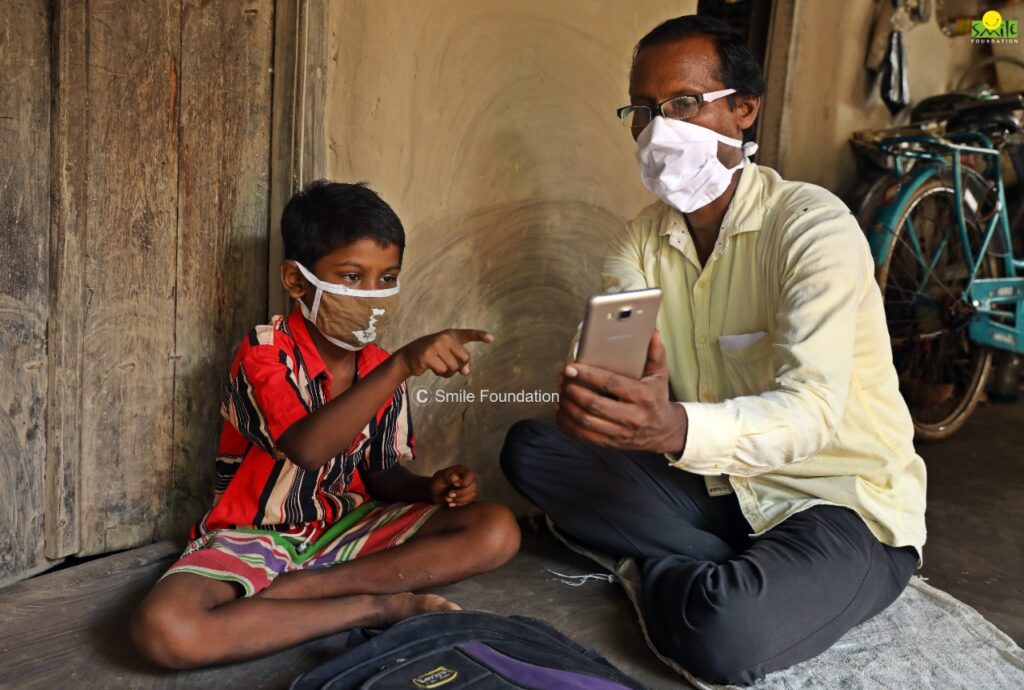
Through Mission Education and school-based health check-ups, Smile Foundation educates students, parents and teachers about the health effects of air pollution. These programmes promote preventive behaviours such as appropriate mask use, improved indoor ventilation and recognition of early signs of pollution-related illness.
Nutrition Support
Nutrition plays a crucial role in children’s resilience to environmental stressors. Smile Foundation’s efforts to provide wholesome, immunity-boosting diets can help children better withstand pollution exposure, thereby supporting both health and cognitive functioning.
Public Awareness and Civic Engagement
By engaging communities in tree-planting drives, environmental cleanliness campaigns and educational activities that link environmental health to well-being, at Smile Foundation, we foster local awareness and stewardship. Although these activities don’t directly reduce air pollution levels, they cultivate a culture of environmental concern that can have long-term benefits for community health and learning environments.
Policy Implications and the Path Forward
Addressing the repercussions of pollution on learning requires both environmental and educational policy reforms:
Integrating Air Quality Measures in School Planning
Educational policymakers should integrate air quality data into school siting decisions, infrastructure investments (like air filtration systems) and school activity schedules to minimise children’s exposure during peak pollution periods.
Intersectoral Health-Education Initiatives
Collaboration between health authorities, education departments and environmental agencies can facilitate screening programmes, pollution monitoring in schools and tailored support services for affected children.
Community and Family Engagement
Parents and caregivers should be educated on how pollution affects cognition and school performance. Strategies such as monitoring daily air quality, limiting outdoor exposure during hazardous days and advocating for local environmental improvements empower families to protect children’s learning potential.
The Way Forward towards containing Pollution Effects
Polluted air is not a passive backdrop to childhood; it is an active agent that undermines brain development, hinders cognitive functioning and impairs learning outcomes. Research from India and beyond reveals stark IQ differentials and academic setbacks linked to long-term exposure to particulate pollution. These effects are compounded by socioeconomic disparities, chronic illness and environmental injustice.
Community-based interventions, exemplified by Smile Foundation’s multi-pronged approach to health, nutrition and education, offer essential support—especially where institutional safety nets are weak. However, safeguarding young minds from polluted air ultimately requires systemic action: cleaner environments, equitable policies and sustained public engagement. Only then can children breathe freely, not just with their lungs, but with minds open to learning, growth and opportunity.