Across rural India, women-run enterprises generate income, stabilise household consumption, increase girls’ schooling, diversify local economies and anchor resilience during economic shocks. When they fail, the losses are not limited to jobs or output but ripple through nutrition, education, health and social cohesion.
Understanding why women-led enterprises matter, and what it takes to sustain them, is essential to any serious rural development strateg
Women’s Entrepreneurship as a Community Asset
Development economics has long shown that income controlled by women has different social effects than income controlled by men. Women are more likely to reinvest earnings in food, healthcare, education and housing — investments that strengthen human capital at the household and community level.
A large body of evidence supports this. Studies from the World Bank and IFPRI show that increases in women’s income are associated with improved child nutrition and educational outcomes, particularly in rural settings.
More recent cross-country analysis in World Development finds that women-owned enterprises generate higher local employment multipliers in low-income regions because they tend to source locally and retain earnings within the community.
In rural India, where formal employment opportunities are limited, women-led micro-enterprises often become economic anchors — small in scale, but large in impact.
Why Rural Women’s Enterprises Matter More Than Urban Ones
While women entrepreneurs operate across India, the developmental significance of women-led enterprises is particularly pronounced in rural areas.
Rural women face structural barriers like limited mobility, lower access to credit and restricted markets but they also operate in contexts where marginal gains have outsized effects. A tailoring unit, food-processing enterprise or agri-allied business can reshape household labour allocation, reduce distress migration and create local demand for services.
Research by the International Labour Organization shows that rural women’s enterprises are more likely than urban ones to employ other women and first-time workers, strengthening local labour participation.
This is why closures of women-led MSMEs matter so deeply. Each closure represents not only a failed business but a loss of local economic infrastructure.
Credit Alone Is Not Resilience
Government data shows substantial expansion in credit guarantees, procurement preferences and skilling programmes for women entrepreneurs. These interventions are necessary but evidence suggests they are not sufficient.
A 2023 systematic review in Small Business Economics finds that access to credit improves enterprise entry, but does not significantly improve survival rates unless paired with market access, mentoring and household-level support.
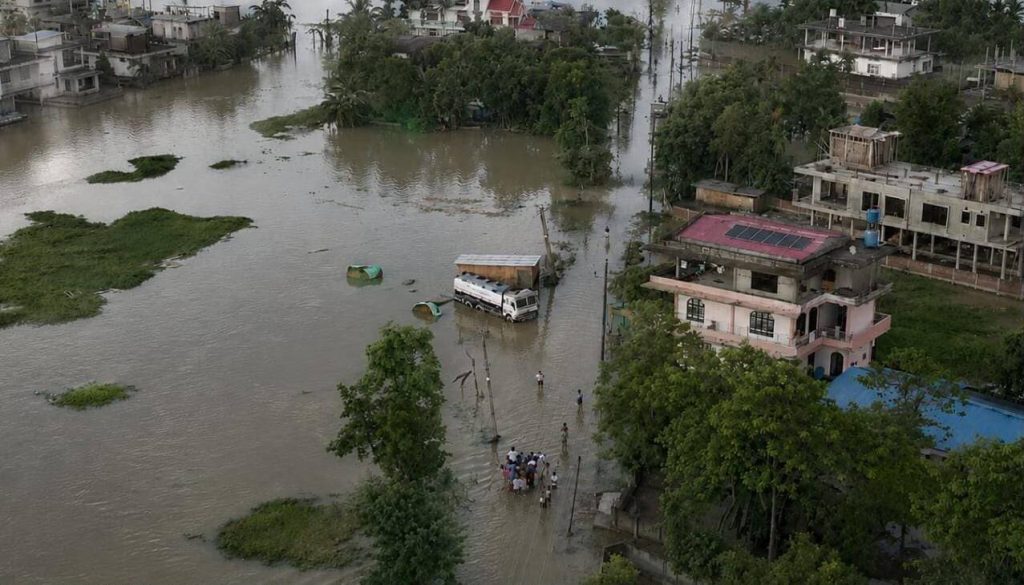
For rural women, enterprise fragility is often driven by factors outside the balance sheet: unpaid care work, health shocks, seasonal income volatility and social norms that limit decision-making authority. When crises occur through pandemics, climate shocks and price fluctuations, women-led enterprises are often the first to contract.
This explains why states with high concentrations of women-led MSMEs also report high numbers of closures. Density reflects participation; closures reflect vulnerability.
The Development Multiplier of Women-Led Enterprises
From a community development perspective, women-led enterprises generate three distinct multipliers:
- Household resilience
Evidence from India and Bangladesh shows that women’s enterprise income reduces reliance on high-interest borrowing during shocks and improves food security during lean seasons. - Human capital formation
Girls in households with women entrepreneurs are more likely to remain in school, particularly at the secondary level, according to longitudinal studies in South Asia. - Local economic diversification
Women are overrepresented in sectors such as food processing, textiles, health services and education — sectors that stabilise rural economies and reduce dependence on single crops or employers.
These effects compound over time. When women’s enterprises survive, communities gain resilience. When they fail, vulnerabilities resurface quickly.
Why Survival Requires an Ecosystem, Not a Scheme
The emerging consensus in entrepreneurship research is clear: enterprise survival is ecosystem-dependent.
Women entrepreneurs benefit most from integrated models that combine:
- basic finance
- skills and business mentoring
- market linkages
- health and social protection
A 2024 UN Women report finds that women-led enterprises are significantly more likely to survive when livelihood support is combined with health access and social security, particularly in rural areas.
This is where civil society plays a structurally important role.
Linking Enterprise, Health and Agency at the Community Level
Organisations like Smile Foundation approach women’s entrepreneurship not as a standalone income intervention, but as part of a life-cycle development strategy.
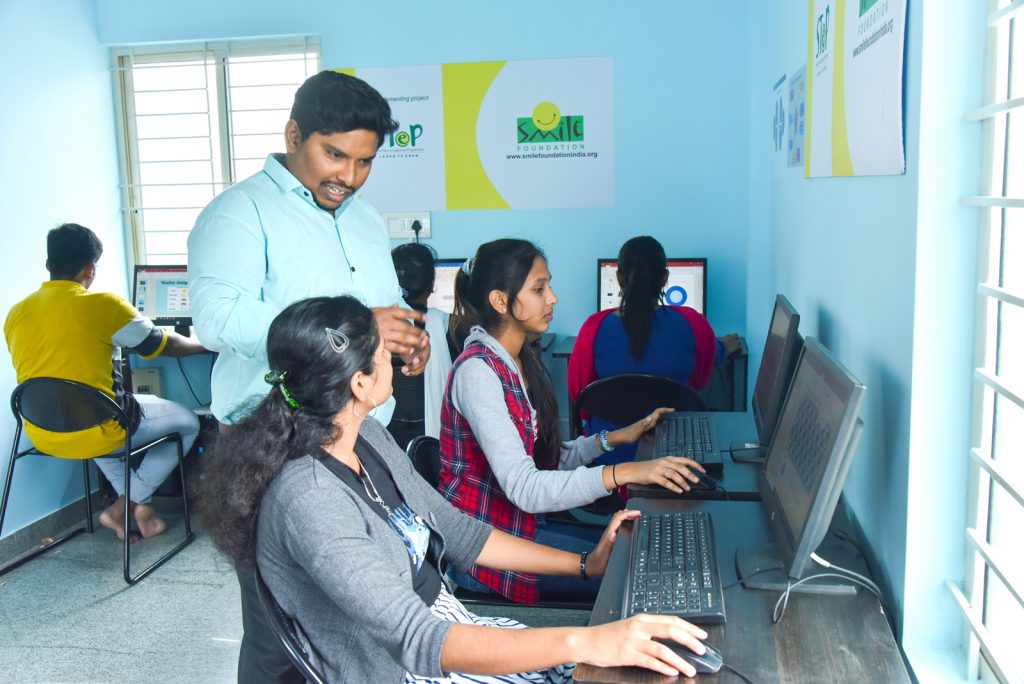
Through its women-entrepreneurship and empowerment initiatives, Smile Foundation integrates livelihood training with health access, nutrition awareness, financial literacy and community mobilisation. This reflects a growing body of evidence that women’s economic agency is inseparable from health, time use and social norms.
Field studies consistently show that women are more likely to sustain enterprises when they have:
- access to preventive healthcare
- reduced care burdens
- peer support and mentoring
- confidence to negotiate markets and households
By embedding enterprise support within broader community development programmes, such models address the hidden constraints that credit and skilling alone cannot.
Rethinking Women-Led Enterprises as Rural Infrastructure
If India is serious about rural development, women-led enterprises must be treated as development infrastructure, not peripheral livelihoods.
This requires a shift in perspective:
- from counting registrations to tracking survival
- from credit disbursement to income stability
- from enterprise numbers to community outcomes
It also requires recognising that closures are not merely business failures—they are signals of ecosystem stress.
The Stakes for Rural India
India’s rural future will be shaped not only by agriculture or large industry, but by millions of small enterprises that sustain everyday life. Women-led enterprises sit at the heart of this system.
When they thrive, communities gain resilience, children stay in school, nutrition improves and migration becomes a choice rather than a necessity. When they fail, the costs are borne by households, women and villages left more vulnerable than before.
Strengthening women-led enterprises is therefore not only about gender equity. It is about building rural economies that can endure.
And that makes women entrepreneurs the backbone of development.