In India’s cities, cancer is increasingly common, increasingly visible, and still, too often, discovered too late. For women living in urban slums, the story of cancer is one about indefinite delay: delays in recognising symptoms, in seeking care, in being taken seriously and in reaching treatment before options narrow.
Breast cancer is now the most frequently diagnosed cancer among Indian women. Oral cancers, strongly linked to smokeless tobacco and areca nut use, are disproportionately concentrated in low-income communities. Cervical cancer persists where routine screening remains inaccessible. Together, these cancers account for a significant share of morbidity and mortality among women, even as early detection could substantially improve outcomes.
India recorded an estimated 1.46 million new cancer cases in 2022, with projections indicating continued increases through 2025, according to the National Cancer Registry Programme. Breast cancer alone contributes a major share of cancer-related deaths among women, while cervical cancer continues to place India among the highest global contributors to disease burden. Oral cancers, particularly prevalent in South Asia, remain among the leading causes of cancer mortality nationally.
Incidence tells only part of the story. The more decisive factor in survival is stage at diagnosis. And for women in urban informal settlements, that stage is often late.
When illness competes with everyday survival
In dense urban settlements, symptoms rarely present as medical emergencies. A breast lump may be painless. Oral lesions may be dismissed as tobacco-related irritation. Abnormal bleeding is often normalised or hidden. When illness competes with daily wage work, childcare and food insecurity, it is postponed — sometimes indefinitely.
Compounding this is multimorbidity. Diabetes, hypertension, tuberculosis and anaemia are common in slum populations and frequently coexist with cancer. These conditions not only mask early cancer symptoms but delay referrals and complicate treatment pathways. By the time cancer is suspected, households are already financially and physically depleted.
The economic consequences are severe. Cancer treatment in India involves high out-of-pocket expenditure, with annual direct costs averaging over ₹3 lakh per patient. Diagnostics and medicines account for much of this burden. Studies show that more than three-quarters of households affected by cancer experience catastrophic health spending, often resorting to borrowing or asset sales. For women whose healthcare decisions are mediated by household finances, this economic reality shapes whether care is pursued at all.
Belief, stigma and the cost of waiting
Biomedical explanations for illness do not operate in isolation in India’s cities. In urban slums, traditional beliefs coexist with modern medicine, often shaping when and how care is sought.
Fatalistic thinking — expressed as “what will be, will be” — has been repeatedly documented as a reason for postponing medical attention for serious symptoms. Research links such beliefs to longer diagnostic delays and poorer outcomes for cancer and other chronic diseases. These delays are reinforced by poverty, limited access and fear of financial ruin.
For women, stigma adds another barrier. Breast and reproductive symptoms are often concealed due to modesty, fear or social norms around exposure and examination. Awareness of early warning signs remains low and many women report reluctance to undergo physical examinations. When symptoms are invisible to others, silence becomes easier than disclosure.
The first stop is rarely the clinic
Health-seeking in urban poor communities often begins outside the formal medical system. Informal practitioners, traditional healers and ritualistic providers frequently serve as first points of contact. Evidence from multiple Indian studies shows that initial reliance on non-biomedical providers is associated with substantial delays in reaching formal care.
This pattern is not unique to cancer, but its consequences are particularly severe for diseases where early intervention is critical. Each additional step before reaching a qualified provider narrows the window for curative treatment.
When autonomy is limited, so is care
Gendered power dynamics further shape outcomes. National data show that nearly one in three ever-married women in India has experienced physical or sexual violence by a spouse. While urban averages may appear lower, studies consistently report higher prevalence in slum settings, alongside controlling behaviours that restrict mobility, finances and decision-making.
These conditions make healthcare conditional on permission, affordability and silence. Research links restricted autonomy directly to later-stage cancer diagnosis among women. Myths around cancer treatment like surgery causes loss of womanhood, chemotherapy hastens death — reinforce fear and lead to refusal or abandonment of care, especially where misinformation spreads quickly through close social networks.
Administrative invisibility and fragmented care
Urban slums are also shaped by migration. Many women lack local identity documents or ration cards, making insurance enrolment difficult and care discontinuous across cities. While India’s health insurance coverage has expanded in recent years, utilisation remains uneven. Even when hospitalisation is covered, out-of-pocket expenses for diagnostics, medicines, transport and informal fees persist.
The result is fragmented care — diagnosis without follow-up, referral without treatment and treatment without continuity.
What changes when care comes closer
Evidence from public health consistently shows that proximity matters. When services move closer to homes, delays shorten. When trust is built through repeated engagement, stigma weakens. When women encounter care in familiar spaces, fear becomes manageable.
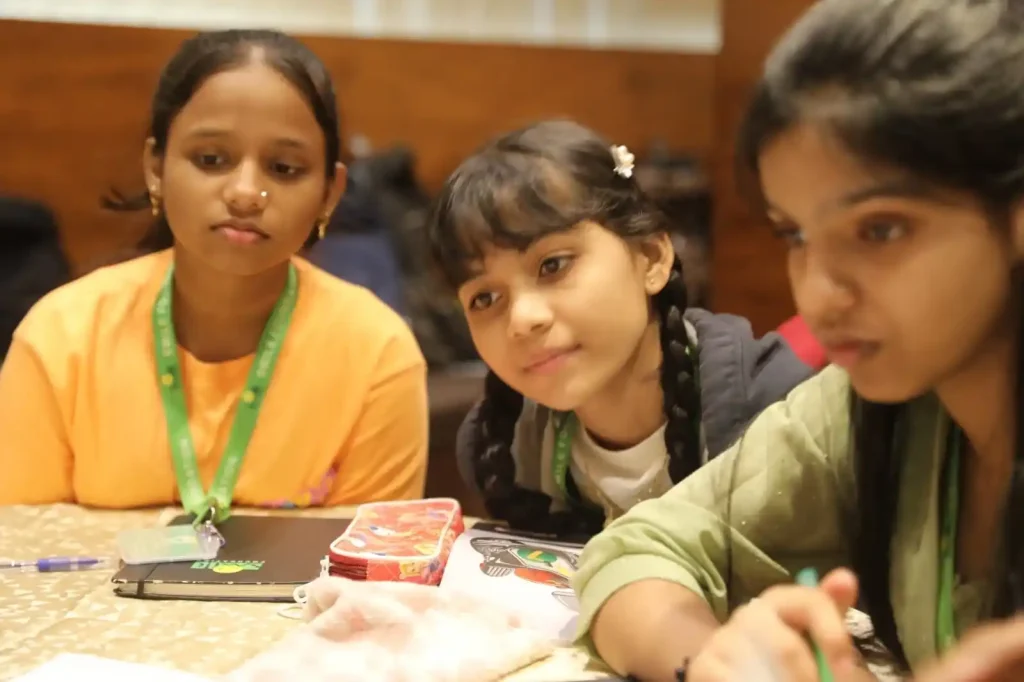
Community-based models that combine health education, screening and navigation support have demonstrated measurable improvements in health-seeking behaviour. Programmes such as Swabhiman, run by Smile Foundation, illustrate this approach by embedding health outreach within broader efforts to strengthen women’s autonomy, nutrition and economic participation. By using trained community educators and health camps as entry points, such models address not only awareness gaps but the structural barriers that delay care.
Importantly, these interventions do not frame women as passive recipients of care, but as participants capable of recognising symptoms, supporting peers and navigating systems when given the tools to do so.
The unfinished work of early detection
India’s cancer burden is often discussed in terms of numbers — incidence, mortality, projections. But for women in urban slums, the decisive factor remains whether early signs are noticed, named and acted upon.
Early detection is not a technological challenge alone. It is a social one that requires addressing fear, misinformation, financial precarity and gendered constraints alongside expanding services. Without this, advances in treatment will continue to bypass those who need them most.
Cancer outcomes in urban India will not improve through hospitals alone. They will improve when care becomes visible before disease becomes advanced — when women are supported to speak, to seek and to survive.
That work is slow, local and unglamorous. But it is where survival is decided.