Puberty is often spoken about as a biological milestone governed by age and hormones. In paediatric endocrinology, however, puberty is understood as a context-sensitive developmental process — one that responds continuously to nutrition, health, stress and environmental stability.
The onset of puberty depends on the activation of the hypothalamic–pituitary–gonadal (HPG) axis, a hormonal system that integrates signals about whether the body has sufficient energy and safety to begin maturation. When those signals are disrupted, puberty does not simply proceed “late” or “early” by chance; it adjusts.
Climate change is increasingly influencing these signals. Not by directly altering hormones, but by reshaping the environments in which children grow through rising temperatures, food insecurity, disease exposure and psychological stress. In India, where millions of children live under persistent climate stress, this interaction is becoming impossible to ignore.
Pubertal Timing as a Population Health Signal
Paediatric and developmental studies have long shown that pubertal timing reflects cumulative childhood conditions rather than chronological age alone. Genetics set the broad range, but environment determines where within that range a child falls.
Large-scale analyses using Indian datasets show that age at menarche has declined in many states since the early 1990s. A recent nationally representative study found that humidity was associated with earlier onset of menstruation, while higher temperatures were linked to delayed onset in some regions, underscoring how climatic variables intersect with development.
Such shifts are subtle at the individual level but significant at scale. From a public health perspective, changes in pubertal timing act as early indicators of broader stress in food systems, disease environments and social conditions.
Heat Exposure and Hormonal Stress
Rising temperatures are among the most consistent manifestations of climate change in India. While heat is rarely discussed in relation to puberty, its physiological effects are well documented.
Prolonged heat exposure activates the body’s stress response system, increasing cortisol secretion and disrupting sleep and appetite — both critical regulators of growth hormone release. Chronic activation of these pathways can interfere with the timing of HPG axis activation, altering pubertal trajectories.
Heat also acts indirectly. Research shows that higher temperatures are associated with reduced dietary diversity, particularly among low-income households, which affects energy balance during critical growth periods. Reduced intake, dehydration and sleep disruption together create conditions under which the body may delay or dysregulate maturation.
In education and health programmes run by Smile Foundation, extreme heat consistently correlates with fatigue, reduced school attendance and weight stagnation among adolescents — early stress markers in pubertal development.
Nutrition: The Most Powerful Regulator of Puberty
Among environmental factors influencing puberty, nutrition remains the most decisive. Adequate intake of protein, iron, zinc and essential fats signals that the body has sufficient resources for growth and reproduction.
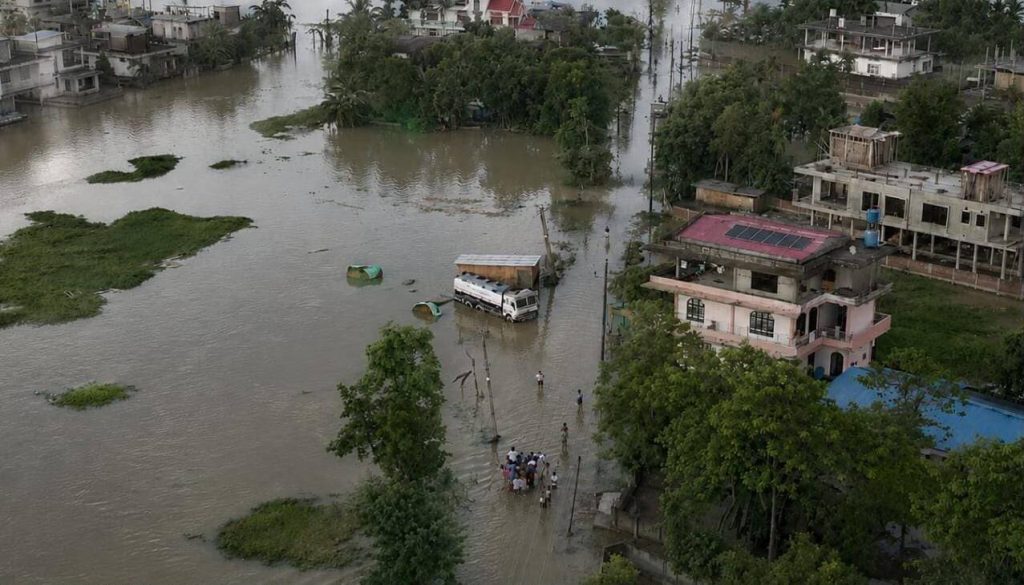
Climate change undermines this signal by disrupting agriculture, livelihoods and food affordability. Families affected by droughts or floods often shift to cheaper, calorie-dense but micronutrient-poor diets. This creates a paradox of sufficient calories and insufficient nutrients.
Paediatric endocrinology studies consistently link iron deficiency and chronic undernutrition with delayed puberty, reduced peak height velocity and compromised bone health. Conversely, rapid transitions from undernutrition to partial caloric sufficiency — common in unstable food environments — have been associated with earlier puberty, especially in girls.
India’s high prevalence of adolescent anaemia reflects this vulnerability. Climate-induced food insecurity intensifies it. Growth monitoring data from Smile Foundation’s nutrition programmes in climate-affected districts show slowed growth spurts following droughts and floods, highlighting how environmental instability maps onto developmental timing.
Disease Burden and Developmental Trade-offs
Growth competes with immunity for energy. When children experience repeated illness, the body prioritises survival over development.
Climate change increases exposure to infectious disease through warmer temperatures, erratic rainfall and flooding. Vector-borne illnesses, waterborne infections and pollution-related respiratory disease all place sustained physiological demands on growing bodies.
Paediatric studies link chronic inflammation and recurrent infections with delayed pubertal onset and reduced growth velocity. At the same time, exposure to certain environmental pollutants — more common in climate-stressed and industrial regions — has been associated with earlier puberty through endocrine disruption.
Mobile healthcare data from climate-vulnerable regions served by Smile Foundation indicate higher recurrence of illness during extreme weather periods. Preventive care and early treatment reduce cumulative stress on the body and help protect pubertal pathways.
Psychological Stress and Accelerated Maturation
Puberty is highly sensitive to emotional context. Developmental psychology and endocrinology converge on the finding that chronic psychosocial stress is associated with earlier pubertal onset, particularly among girls.
Displacement, income insecurity, school disruption and household instability — common consequences of climate shocks — create sustained stress environments. From a biological standpoint, early maturation may represent an adaptive response to perceived environmental threat.
However, in contemporary social contexts, early puberty increases vulnerability. It is linked to higher risks of anxiety, depression, early school dropout and exposure to gender-based harm.
Counsellors working with adolescents through Smile Foundation’s gender initiatives report heightened emotional distress following climate-related disruptions. Life skills education and mental health support are therefore developmentally protective, not optional.
Gendered Vulnerability at the Climate–Puberty Intersection
Girls experience the intersection of climate stress and puberty more acutely. Nutritional discrimination, limited access to sanitation during menstruation and increased domestic responsibilities during climate shocks all shape pubertal experiences.
Early puberty in climate-affected regions often coincides with school withdrawal and early marriage. Delayed puberty, meanwhile, can generate stigma and anxiety. Both outcomes restrict long-term opportunity.
Integrated adolescent programmes that combine nutrition, health, menstrual hygiene and counselling help counter these risks. By treating puberty as a normal developmental process rather than a problem, such interventions protect both health and dignity.
Why Puberty Belongs in Climate and Development Policy
Pubertal timing is a biological indicator of systemic stress. When shifts occur across populations, they signal that environmental pressures are reaching deep into developmental processes.
Climate change does not directly cause early or delayed puberty. It creates the conditions — nutritional insecurity, disease exposure, heat stress, psychological strain — that disrupt the body’s developmental calculus.
From a public health perspective, puberty deserves recognition as an early warning signal of climate vulnerability.
Protecting Development in an Unstable Climate
Safeguarding healthy puberty requires stabilising the conditions that allow children to grow: reliable nutrition, accessible healthcare, emotional security and continuity of education.
Community-based organisations play a critical role in this ecosystem. By working across health, nutrition and education, Smile Foundation helps reduce baseline vulnerability during the years when the body is most sensitive to environmental signals.
From a developmental science perspective, this is preventative medicine. Climate change may be reshaping childhood, but it does not have to dictate developmental outcomes. Protecting puberty is, ultimately, about protecting the right of every child to grow at their own pace without their environment forcing the body to adapt too early, or too late.