
Climate change, often described as a universal crisis, is neither neutral nor evenly distributed in its impacts. It moves through societies along existing fault lines of inequality, deepening them as it goes. Gender is one of the most consequential of these fault lines.
A report launched at COP28 by UN Women projects that by 2050, climate change could push an additional 158 million women and girls into poverty and expose 232 million more to food insecurity. These figures are not anomalies. They reflect a pattern that has become increasingly visible in climate-vulnerable regions across the world, including India. Climate change does not simply affect women more; it affects them differently, in ways that are often invisible to policy and poorly captured by data.
As Mary Robinson, former UN High Commissioner for Human Rights, once put it, “Climate change is a man-made problem that requires a feminist solution.” The statement is not rhetorical but diagnostic.
Climate change as a stress test for inequality
Climate change acts less like a sudden catastrophe and more like a stress test. It reveals the weaknesses already embedded in social, economic and political systems. Wherever inequality is deep, climate impacts are magnified. Gender inequality, in particular, shapes who is exposed, who bears the burden of adaptation and who is able to recover.
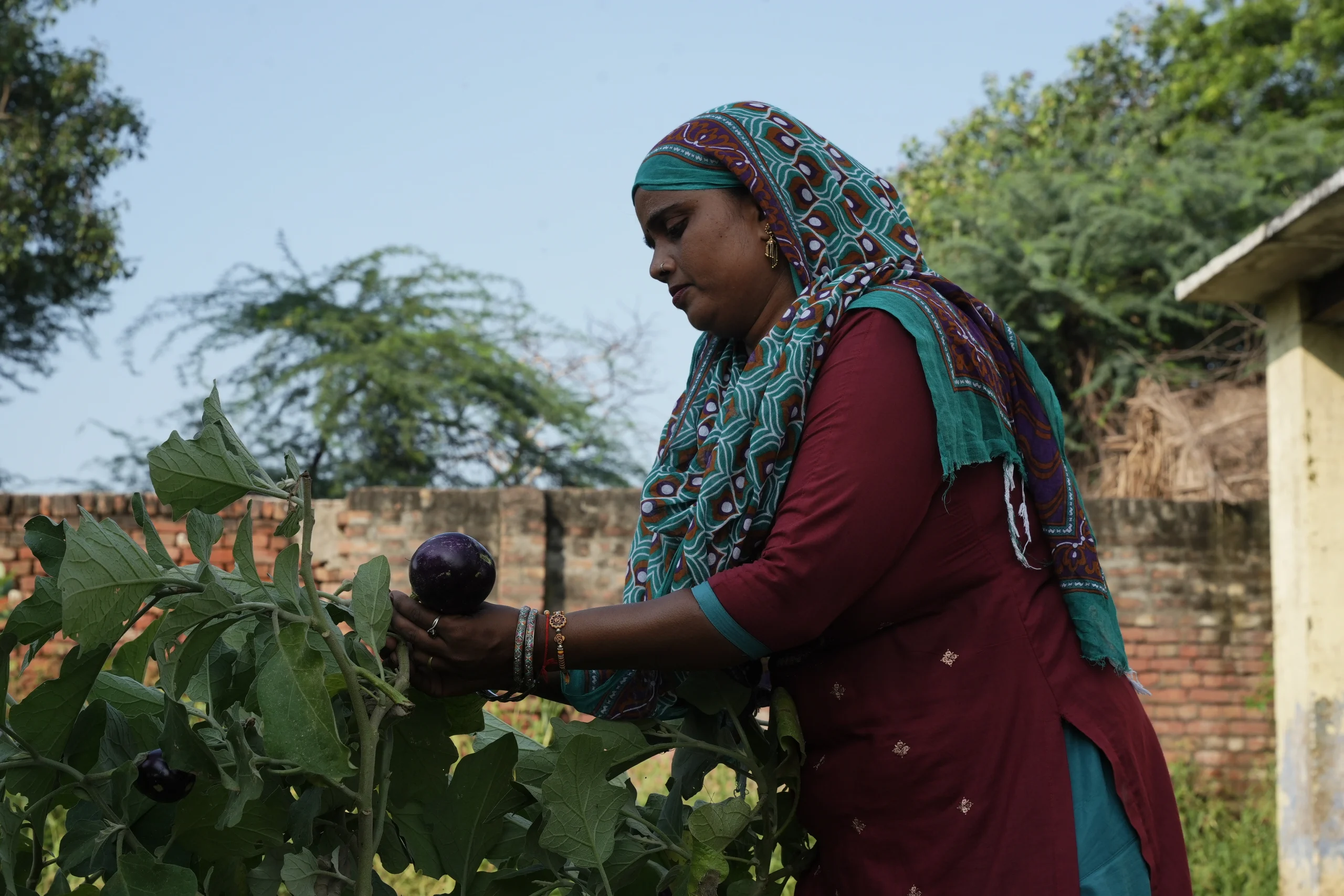
Across the Global South, women are disproportionately concentrated in informal and climate-sensitive livelihoods: smallholder agriculture, waste picking, street vending, domestic work and home-based production. These sectors offer little job security, no insurance and minimal state protection. When heatwaves intensify, rainfall patterns shift or floods destroy local markets, women’s incomes are often the first to collapse and the slowest to rebound.
In India, where nearly 90 per cent of women workers are employed in the informal sector, climate shocks translate directly into economic precarity. Crop failure, water scarcity or extreme heat does not merely disrupt production; it destabilises household survival strategies, pushing women further into unpaid or underpaid labour.
The unpaid work that climate policy ignores
Perhaps the most under-recognised dimension of climate change is its impact on unpaid care work. Women continue to shoulder the bulk of domestic responsibilities—collecting water and fuel, cooking, cleaning and caring for children, the elderly and the sick. As climate stress intensifies, these responsibilities expand.
Water scarcity means longer walks and more time spent fetching water. Rising food prices increase the labour involved in securing and preparing meals. Climate-induced illness, whether from heat stress or waterborne disease, adds to caregiving demands. Each additional hour spent on unpaid work narrows women’s access to education, paid employment and political participation.
This erosion is gradual, cumulative and largely invisible. Climate policy, focused on emissions targets and infrastructure, rarely accounts for the time poverty that women experience as ecosystems degrade.
Extreme heat and invisible suffering
Heat is one of the clearest examples of climate change’s gendered impacts. In India, record-breaking heatwaves are becoming more frequent and prolonged. Women working outdoors—in agriculture, construction or waste collection—or in poorly ventilated factories and homes bear a disproportionate burden.
But women’s heat exposure is underreported. Many cope by limiting water intake to avoid unsafe or inaccessible sanitation facilities, increasing the risk of dehydration, urinary tract infections and kidney disease. Others continue working through exhaustion because informal employment offers no sick leave.
These coping strategies rarely appear in climate impact assessments. The health consequences—chronic fatigue, reproductive health complications, long-term organ damage—remain largely absent from official data, rendering women’s suffering statistically invisible.
A public health crisis with blind spots
Climate change has increasingly been recognised as a public health emergency. However, women’s health remains peripheral in climate adaptation planning. Heat stress, air pollution and water contamination have well-documented effects on pregnancy outcomes, maternal mortality and newborn health. Yet reproductive and maternal health services are seldom integrated into climate response strategies.
During climate-related disasters, access to contraception, antenatal care and safe childbirth services is often disrupted. Emergency shelters frequently lack privacy, sanitation and menstrual hygiene facilities. These gaps are not incidental; they reflect the persistent failure to view women’s health as central to climate resilience.
Displacement, insecurity and gendered violence
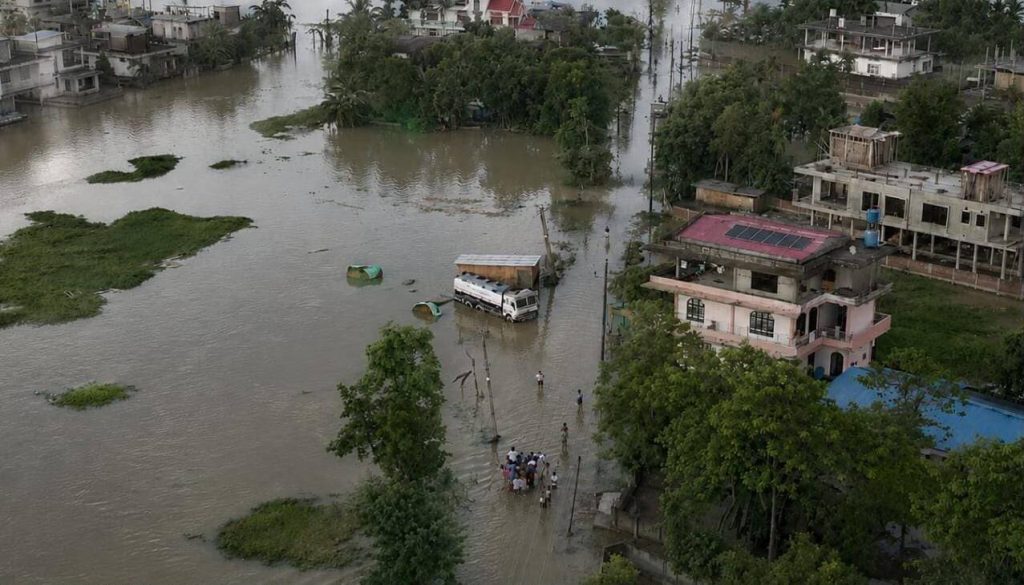
Climate-induced displacement introduces another layer of gender-specific risk. Floods, droughts and food shortages force families to migrate, often into precarious urban settlements or temporary camps. For women and girls, displacement increases exposure to sexual violence, trafficking and early marriage.
Evidence from humanitarian crises shows that domestic violence often rises during periods of climate stress, driven by economic insecurity, overcrowding and social breakdown. Yet climate policy continues to treat violence as a secondary issue, rather than a predictable outcome of environmental and economic disruption.
Why intersectionality matters
Gender does not operate in isolation. Indigenous women, migrant women, older women, women with disabilities and LGBTQIA+ individuals face layered vulnerabilities shaped by caste, class, ethnicity and geography. In India, tribal women dependent on forest resources are uniquely exposed to climate change, yet rarely consulted in conservation or adaptation planning.
When policies are designed around a narrow understanding of “women’s vulnerability,” they tend to protect those who are already relatively privileged. Intersectional realities remain unaddressed, leaving the most marginalised women further behind.
Women as agents, not victims
Despite these challenges, women are not passive victims of climate change. Across India and the Global South, women are leading adaptation efforts—through seed conservation, water management, community farming cooperatives and resistance to environmentally destructive projects.
Indigenous and rural women possess deep ecological knowledge shaped by daily interaction with land and resources. Yet this knowledge is frequently excluded from formal decision-making. Barriers such as unpaid care work, lack of access to finance, digital exclusion and limited political representation constrain women’s ability to influence climate policy.
Recognising women as climate actors requires more than representation. It demands policies that reduce structural burdens and redistribute resources.
What gender-responsive climate action requires
A gender-responsive approach to climate action must move beyond rhetoric. It requires tangible shifts in how adaptation and mitigation are financed and implemented.
This includes investing in inclusive social protection systems that account for climate risk, ensuring women’s access to land, credit and insurance, and supporting agrifood systems that are resilient and equitable. Data must be disaggregated by gender, age and social identity to inform policy. Climate finance should prioritise grassroots women’s organisations, which are often best positioned to deliver context-specific solutions.
Crucially, women must be involved in decision-making at every level—from local governance to national planning and global negotiations.
Civil society and community-led resilience
In India, civil society organisations play a critical role in translating these principles into practice. Smile Foundation’s Swabhiman programme offers an example of how gender-responsive approaches can be embedded at the community level.
Launched in 2005, Swabhiman works with marginalised women to improve nutrition, healthcare access and livelihood security—key pillars of climate resilience. By strengthening women’s economic independence and health awareness, the programme addresses vulnerabilities that climate change exacerbates.
Swabhiman’s community-based model recognises that resilience is not built through infrastructure alone, but through agency. By engaging men and boys alongside women, it also tackles the social norms that constrain women’s choices, making adaptation more sustainable.
Towards a just climate response
Climate change does not create gender inequality, but it relentlessly exploits it. The result is a slow, steady erosion of women’s health, livelihoods and dignity without immediate visibility.
If climate action continues to ignore gendered realities, it risks entrenching injustice under the guise of neutrality. A truly effective response must recognise that protecting the planet and advancing gender equality are not separate goals, but interdependent ones.
The evidence is clear that climate change is gender-biased. The real question is whether climate policy will continue to mirror existing inequalities, or whether it will confront them directly.
The answer will determine not only who survives climate change, but who shapes the future that follows.