
In July this year, a 15-year-old girl, a Class 10 student, allegedly died by suicide at her home. Police later revealed that she had been undergoing treatment for anxiety. The details were sparse, as they often are, and the news cycle moved on quickly. Yet incidents like this have become painfully familiar, in India and across the world. They point to a deeper, quieter crisis unfolding in childhood, one that is neither sudden nor isolated.
Across hospital outpatient departments, school counselling rooms and paediatric clinics, mental health professionals are reporting a troubling trend: children barely into their pre-teens are presenting with anxiety disorders, depression, behavioural challenges, attention deficit hyperactivity disorder (ADHD), learning disabilities and emotional dysregulation. What once appeared primarily in adolescence or adulthood is now surfacing much earlier, often before children have the language to articulate what they are experiencing.
This shift reflects broader changes in how children grow up today, shaped by social transformation, academic pressure, shrinking community spaces and an unprecedented level of digital immersion.
What the Numbers Tell Us
Multiple studies over the past decade have highlighted the scale of the issue. A 2014 community-based study suggested that between 7 and 10 per cent of Indian children may be living with some form of psychiatric disorder, while school-based samples often report significantly higher prevalence. According to estimates cited by mental health researchers, India may have close to 50 million children and adolescents experiencing mental health concerns.
The National Mental Health Survey (2015–16) found that approximately 7.3 per cent of adolescents aged 13 to 17 had a diagnosable mental disorder. More recent student surveys indicate a rise in emotional distress, with 11 per cent reporting symptoms of anxiety and 14 per cent experiencing severe mood fluctuations.
- National Mental Health Survey, India: https://www.nimhans.ac.in/national-mental-health-survey/
- WHO on child and adolescent mental health: https://www.who.int/news-room/fact-sheets/detail/adolescent-mental-health
But statistics only offer a partial picture. Behind every percentage is a child struggling to concentrate in class, withdrawing from friendships or feeling overwhelmed by expectations they cannot meet. It is in these everyday struggles that mental illness takes root.
A Childhood Under Pressure
Indian childhood today looks markedly different from that of previous generations. Urbanisation has fractured extended family systems that once provided emotional buffering and supervision. Neighbourhood play has been replaced by structured schedules, tuition classes and screen-based entertainment. The space to be idle, curious or simply present has shrunk.
Academic competition has intensified sharply. Schools, particularly in urban and semi-urban areas, increasingly function as sites of performance and comparison rather than safe spaces for learning and growth. High-stakes examinations, constant assessments and parental expectations combine to create an environment where failure feels catastrophic, even at a young age.
Bullying adds another layer of vulnerability. It is no longer confined to classrooms or playgrounds. Online spaces extend humiliation, comparison and exclusion well beyond school hours. Social media platforms amplify unrealistic standards of success, appearance and popularity, often leaving children feeling inadequate or isolated.
Technology, while offering undeniable educational opportunities, plays a paradoxical role. Excessive screen time has been linked to disrupted sleep cycles, reduced physical activity and heightened anxiety. Algorithm-driven content can trap children in cycles of comparison and negative self-evaluation.
- American Academy of Pediatrics on screen time: https://www.aap.org/en/patient-care/media-and-children/
Doctors report that the COVID-19 pandemic further accelerated these trends. Prolonged isolation, loss of routine, family stress and exposure to illness and grief left many children emotionally dysregulated. For some, these difficulties never fully resolved once schools reopened.
The Weight of Silence and Stigma
Despite rising awareness, pathways to care remain deeply constrained. Stigma continues to shape how mental health is understood within families. Emotional distress is often dismissed as misbehaviour, indiscipline or a passing phase. Parents may fear judgement, social labelling or being blamed for their child’s struggles.
As a result, symptoms are frequently minimised until they escalate into crises. Children exhibiting anxiety-driven behaviours may be punished rather than supported. Neurodiversity is misunderstood. Emotional withdrawal is overlooked.
Compounding this is India’s severe shortage of child and adolescent mental health professionals. According to estimates, India has fewer than 0.3 psychiatrists per 100,000 people, and even fewer specialists trained to work with children. Large parts of the country lack access to child psychiatrists altogether, forcing families to rely on adult mental health services that are ill-equipped for paediatric needs.
- WHO mental health workforce data: https://www.who.int/data/gho/data/themes/mental-health
This gap means that early warning signs are often missed, even though early intervention is one of the strongest predictors of recovery.
Why Early Onset Is Especially Concerning
Mental illness during formative years affects far more than emotional well-being. It disrupts learning, peer relationships, self-esteem and identity formation. Children struggling with untreated mental health conditions are more likely to experience academic difficulties, school dropout and social isolation.
Without support, these challenges compound over time, increasing the risk of chronic mental illness, substance use, self-harm and reduced economic participation in adulthood. Conversely, evidence consistently shows that early identification and timely intervention can dramatically improve outcomes.
- UNICEF on early intervention: https://www.unicef.org/mental-health
This makes the current gaps in detection, referral and care especially troubling. The cost of inaction is borne not only by individuals, but by society at large.
Listening Earlier, Acting Sooner
Mental health professionals increasingly emphasise the importance of paying attention to subtle behavioural shifts. In an article for The Times of India, Dr Rajesh Sagar, Professor of Psychiatry at AIIMS, urged parents and teachers to watch for warning signs such as sudden withdrawal, irritability, mood swings, unexplained physical complaints and declining academic performance. Any expression of self-harm, he stressed, must be treated with urgency.
He also highlighted the role of everyday practices in supporting emotional stability. Regular physical activity, sports, hobbies, adequate sleep and balanced nutrition play a crucial role in mental well-being. Over-reliance on junk food and sugary drinks, particularly during exam periods, has been linked to increased irritability and behavioural problems.
- AIIMS Psychiatry Department: https://www.aiims.edu/en/departments-and-centers/psychiatry.html
The message is clear: mental health support does not begin in clinics alone. It begins in homes, classrooms and communities.
Policy Promises and Ground Realities
India has made policy commitments to child and adolescent mental health. The School Health and Wellness Programme under Ayushman Bharat includes mental health components. The National Education Policy acknowledges socio-emotional learning as integral to education.
- Ayushman Bharat School Health Programme: https://ab-hwc.nhp.gov.in/home/school-health
- National Education Policy 2020: https://www.education.gov.in/nep/about-nep
However, implementation remains uneven. Many schools lack trained counsellors. Teachers often receive limited training in identifying mental health concerns. Screening tools are inconsistently applied, and referral pathways are unclear.
But there are signs of change. Cities such as Pune, Bengaluru and Kolkata have seen schools introduce regular mental health screenings and counsellor networks. Some states are integrating mental health modules into school health programmes. Paediatricians are beginning to include mental health questions during routine check-ups.
Parent-led conversations around neurodiversity, anxiety and therapy are also becoming more visible, particularly on social media. Topics that were once taboo are slowly entering mainstream discourse.
Reframing the Conversation around Mental Illness
These gradual shifts suggest a broader cultural re-learning. There is growing recognition that children’s minds are shaped continuously by their environments, relationships and daily experiences. Mental health is not a personal failing or a disciplinary issue. It is a reflection of how children navigate a rapidly changing world.
The early onset of mental illness among Indian children is therefore not merely a medical concern. It is a social mirror, reflecting inequality, pressure, isolation and gaps in support systems. Addressing it requires empathy as much as evidence, and coordination across families, schools, health systems and policy frameworks.
Where Civil Society Steps In: Smile Foundation’s Role
In a context where formal mental health systems remain overstretched, civil society organisations play a critical role in identifying risks early and building protective environments around children. Smile Foundation’s work recognises that mental health cannot be addressed in isolation. It is closely linked to education, nutrition, safety, family stability and a child’s sense of belonging.
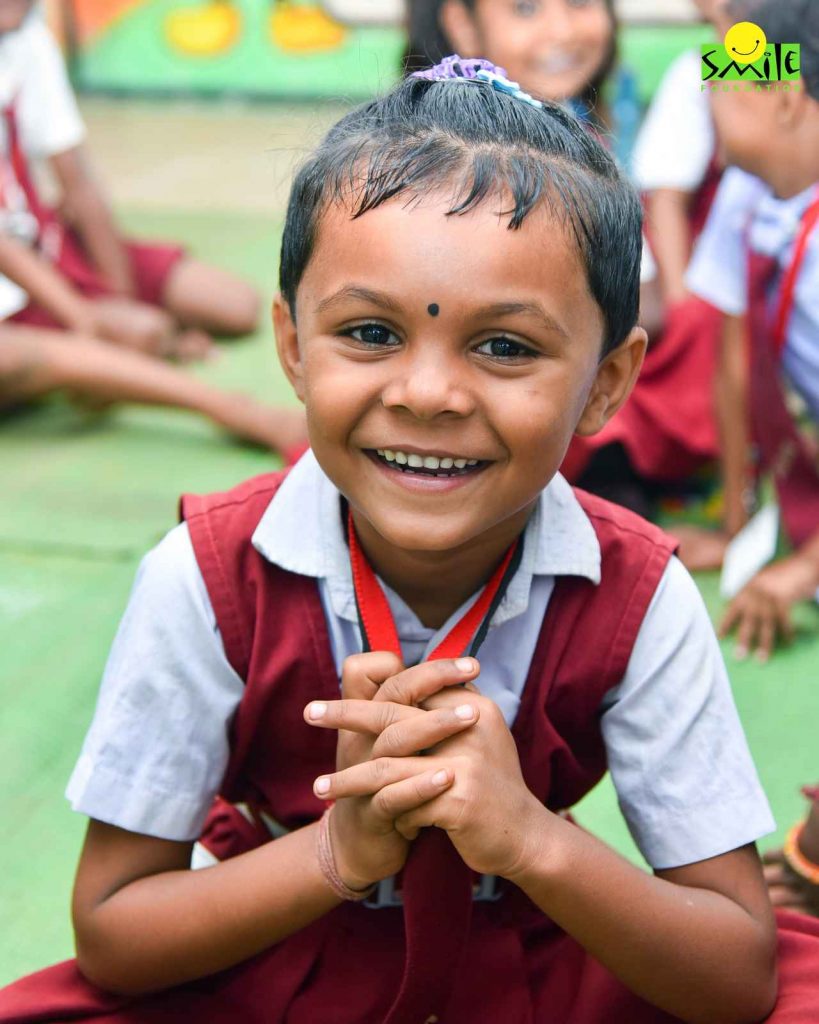
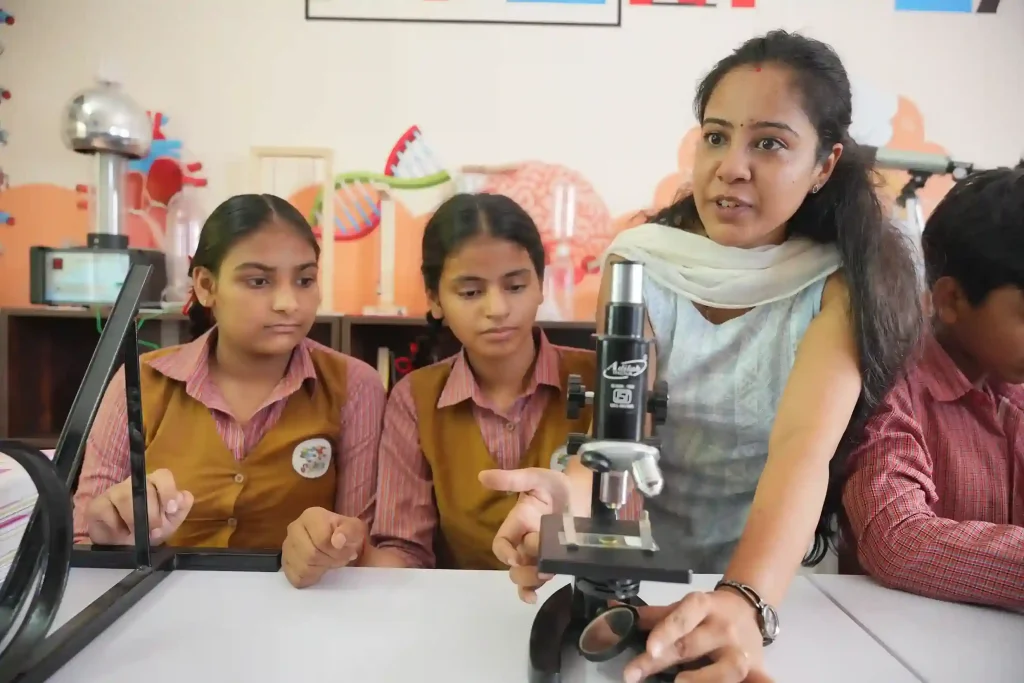
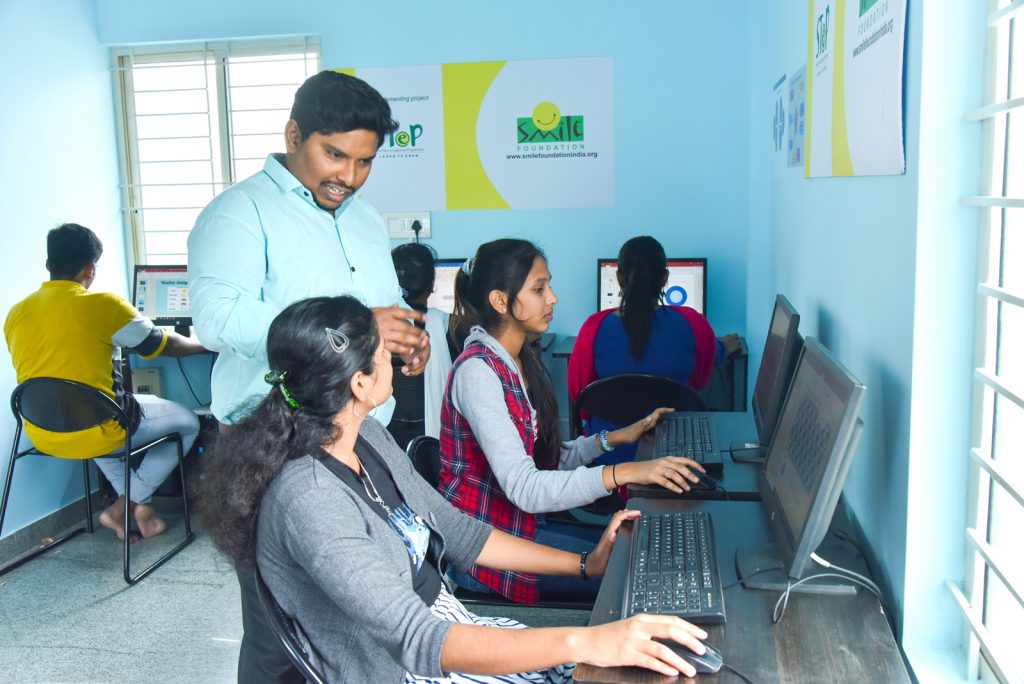
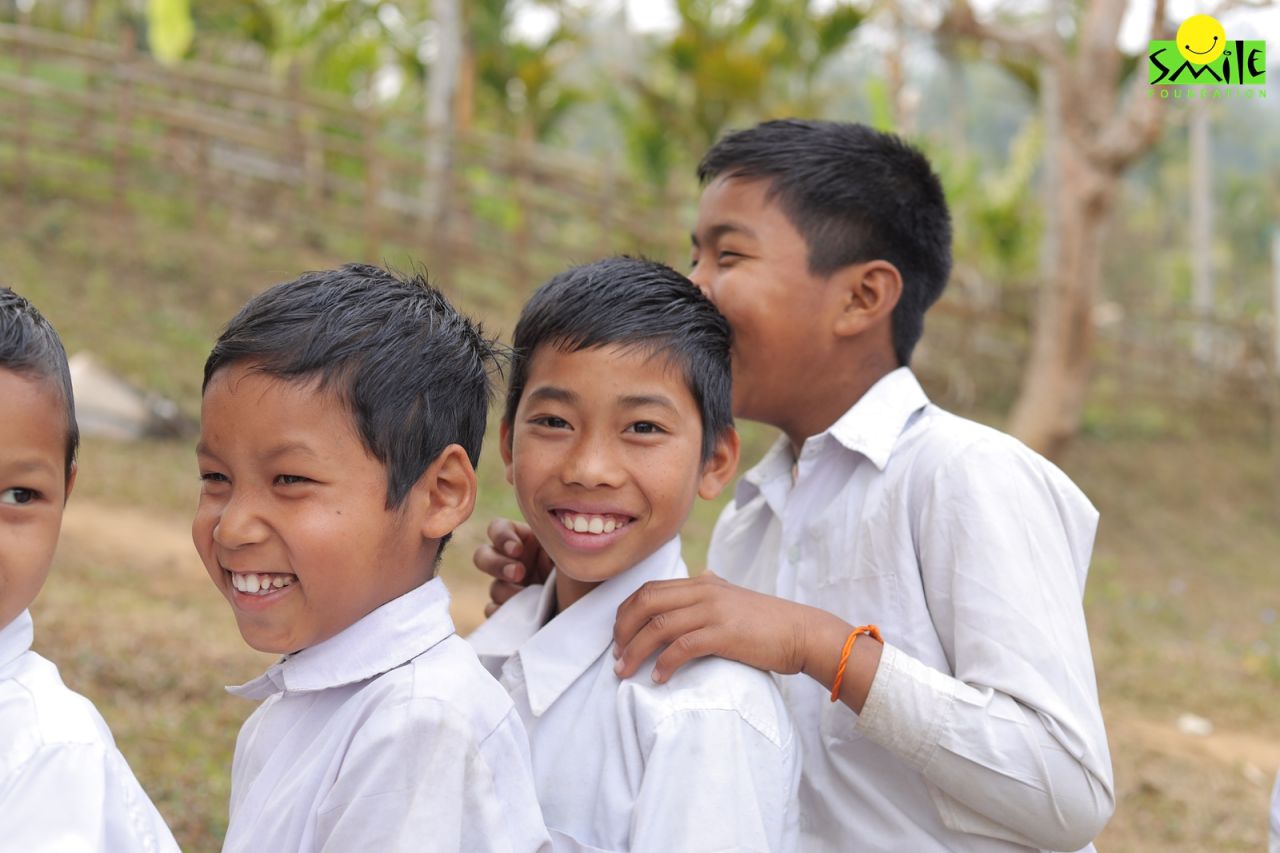
Through its Mission Education programme, Smile Foundation works with children from vulnerable communities where stressors such as poverty, migration, food insecurity and disrupted schooling are common. By creating child-friendly learning spaces, the programme focuses not only on academic support but also on emotional well-being. Teachers and facilitators are trained to observe behavioural changes, encourage expression and create classrooms where children feel safe to speak and participate.
Smile Foundation also integrates health and nutrition support into its education programmes, acknowledging the strong link between physical well-being and mental health. Regular health check-ups, nutrition awareness and counselling help address some of the underlying factors that often exacerbate emotional distress in children.
Equally important is our engagement with families and communities. By working closely with parents and caregivers, Smile Foundation helps reduce stigma around mental health and encourages early help-seeking behaviour. Conversations around stress, anxiety and emotional development are gradually normalised, especially in communities where such discussions were previously absent.
In doing so, Smile Foundation contributes to a larger ecosystem of care, one that does not wait for crises to emerge but works quietly to prevent them. While these interventions cannot replace specialised mental health services, they play a vital role in early identification, emotional support and referral, particularly for children who would otherwise remain invisible within the system.
As India grapples with the early onset of mental illness among children, such community-rooted, integrated approaches will be essential. Addressing this challenge requires not only policy intent and clinical expertise, but also sustained, compassionate work on the ground, where children live, learn and grow.