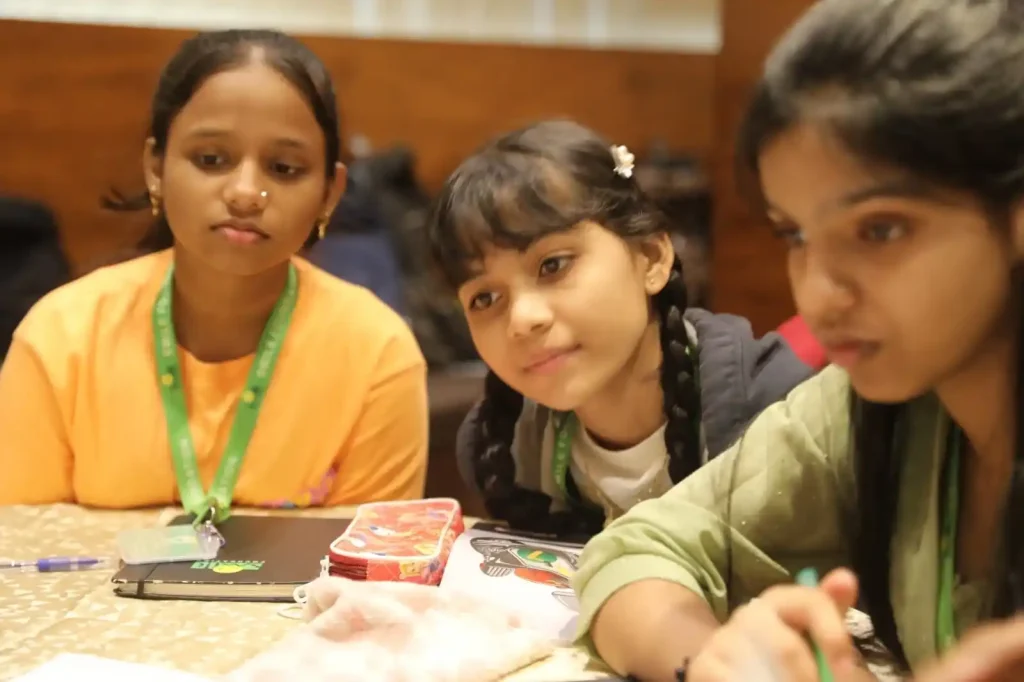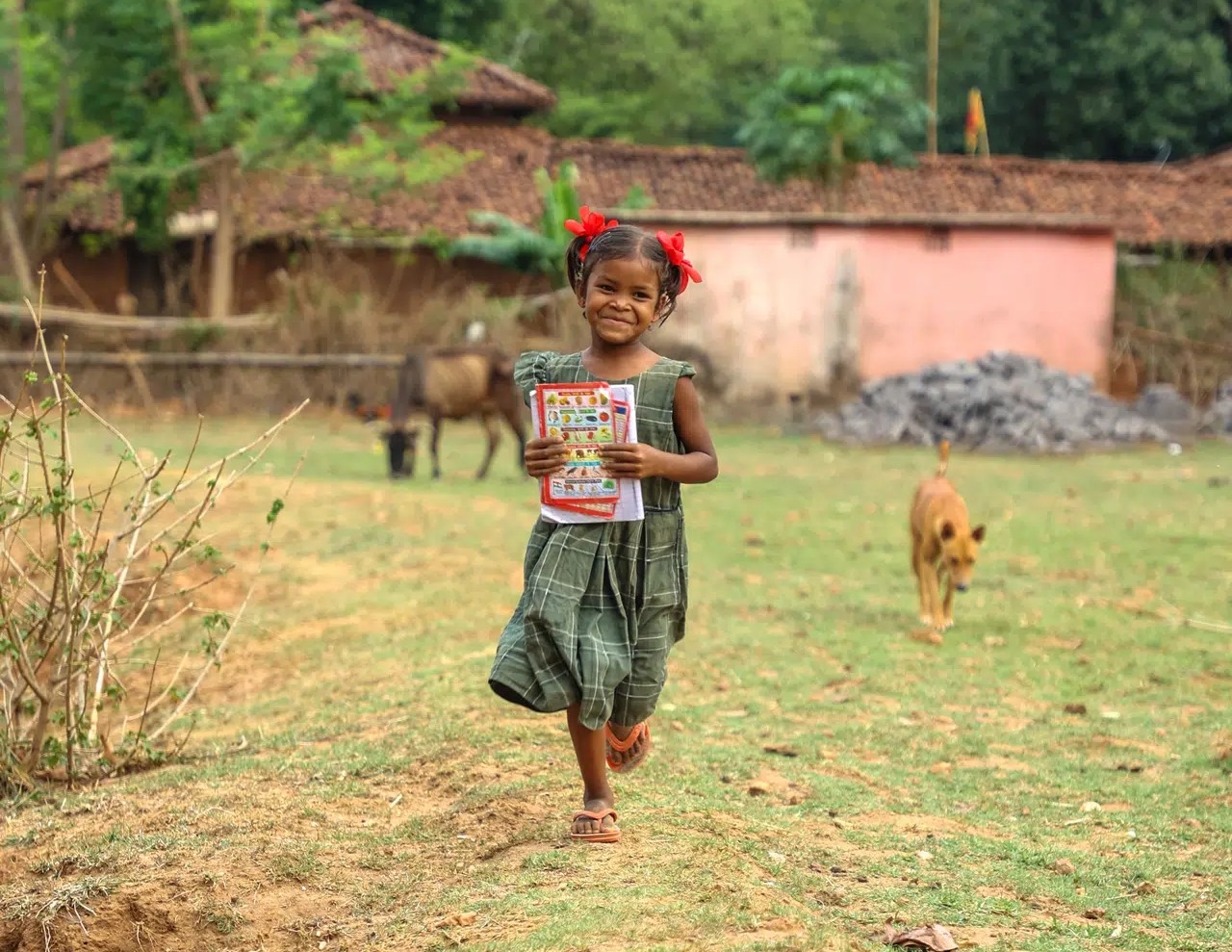

When you meet a young girl like Debasmita, it becomes clear how fragile the path to education can be for millions of Indian children. She grew up in a family where every rupee mattered. Her father, a tailor, lost his job during the pandemic. Her mother began working longer hours as a domestic worker. In the middle of economic upheaval and personal uncertainty, school suddenly seemed like a privilege her family could no longer afford.
For children like her, dropping out is not a dramatic decision. It is a gradual dimming of possibilities. A missed week turns into a missed month. Household responsibilities grow. Textbooks gather dust. Before long, the idea of returning to school becomes a distant memory.
But Debasmita’s story diverged from this familiar arc. A merit-based scholarship from Smile Foundation allowed her to continue her education, reclaiming a dream she had almost lost. Today she speaks of studying science, pursuing biotechnology and ensuring that girls in her community do not disappear from the classroom the way she nearly did.
Her determination is inspiring, but her vulnerability is not unique. It reflects a deeper truth about India’s development story: that marginalised children continue to face multiple, overlapping disadvantages that push them out of the system. And that NGOs, often operating quietly in the background, serve as the connective tissue in an education ecosystem where government systems are stretched and resource-starved.
Where We Are Falling Short
India has made undeniable progress. Primary enrollment levels are high, awareness about schooling is widespread and the Right to Education Act has set clear obligations for state accountability. Yet the lived reality of children reveals persistent structural cracks.
Many children enter school without the foundational skills required for learning. Millions struggle with basic reading and arithmetic well into their primary years. The ASER report has long shown this trend: enrollment is not the same as learning. The early years are especially critical, yet early childhood education remains fragmented, uneven and often inaccessible to low-income families.
Classrooms that should be nurturing become transactional. Administrative compliance takes precedence over joyful learning. Teachers are burdened with documentation, school inspections and electoral duties, leaving little time for actual pedagogy. The system often rewards attendance and infrastructure, not comprehension and critical thinking.
Girls face challenges embedded in social norms and household hierarchies. Domestic chores, sibling care, early marriage, inadequate sanitation, safety concerns and various restrictions on mobility routinely derail their schooling. Boys face a different set of pressures. Many are pushed into work early to supplement family income.
Malnutrition remains one of the biggest and most understated barriers to learning. A child who is hungry or anaemic cannot concentrate, retain information or engage emotionally in a classroom. Even when meals are available, erratic attendance caused by migration, seasonal labour and health issues breaks continuity.
These challenges do not exist in silos. They feed into one another, compounding disadvantage over time.
Where NGOs Step In: Closing Education Gaps the System Cannot Address Alone
It is within this complex terrain that NGOs have become essential actors in India’s education landscape. Their advantage lies in three things: proximity to communities, agility in responding to evolving needs and deep contextual understanding of children’s lives.
Across the country, NGOs are not just teaching children. They are building systems, scaffolding families and nudging communities toward long-term change. They operate in areas where government systems are thin and private actors see no market.
Here are some of the key players in this space, each addressing different but interconnected aspects of the education gaps.
Strengthening Foundational Learning
Pratham’s Teaching at the Right Level model has transformed remedial education in India. By grouping children by ability instead of age, they enable faster progress in literacy and numeracy. This model has been adopted by multiple state governments and studied by international researchers for its low-cost, high-impact structure.
Central Square Foundation’s #FoundationHaiSahi campaign has raised national attention around the crucial role foundational literacy and numeracy play in shaping future learning. Their policy advocacy has helped shift conversations from enrolment figures to learning outcomes.
Empowering Girls
The challenges girls face exist both inside and outside classrooms. Organisations like CRY intervene through community mobilisation, sustained engagement with parents and direct work with girls. They address key social barriers, whether it is early marriage, gendered labour expectations or safety concerns.
Nanhi Kali and Smile Foundation expand the support ecosystem for girls by providing academic assistance, mentorship, digital learning opportunities and school supplies. Smile Foundation’s programmes also focus on changing family attitudes, ensuring that girls are not forced to choose between household work and education.
Improving Teaching Quality
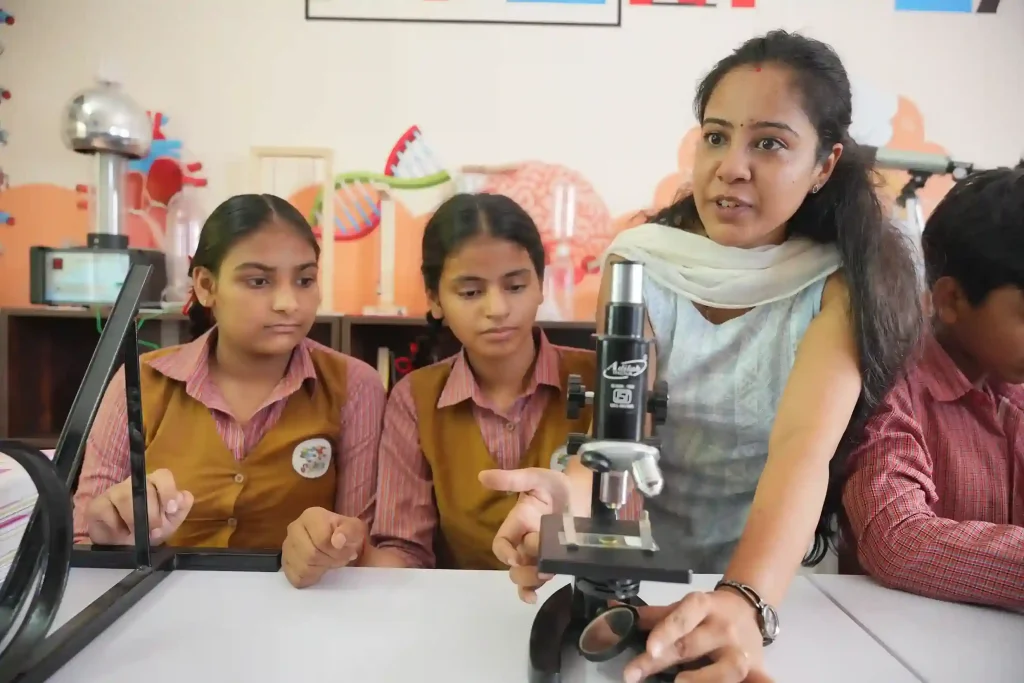
Teach For India addresses the core challenge of teaching quality by placing trained fellows in under-resourced schools. Their fellows bring new pedagogical practices, energy and aspirational environments into classrooms. Equally important is their alumni network, which influences policy, leads innovations and often works directly with government systems to shift how learning is delivered.
Creating Holistic Support Systems for Vulnerable Children
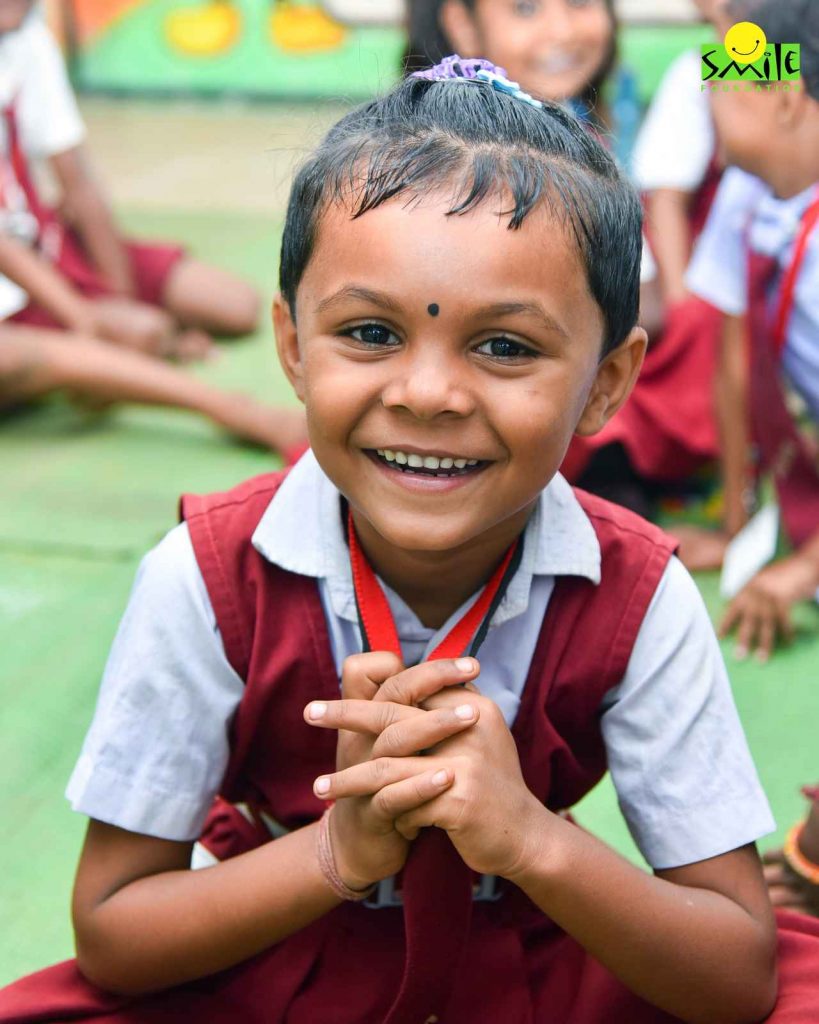
Smile Foundation’s approach stands out for its holistic lens. Education is only one piece of a larger puzzle that includes nutrition, health care, emotional well-being, digital literacy and livelihood skills. Their Mission Education centres are designed not just as classrooms but as safe, supportive environments where children receive academic support, nutrition, counselling, life skills and confidence-building.
They also involve local communities, ensuring that progress is not temporary but reinforced by families and neighbourhoods that see the value of keeping children in school. This long-term investment creates a chain of protection around each child, making dropout less likely and aspiration more sustainable.
Improving School Environments
Goonj has expanded the idea of what a school needs to be. Their work emphasises functional infrastructure, dignity and safe spaces. By fixing classrooms, creating learning aids and improving sanitation, they strengthen conditions that enable learning for children who are often ignored in policy debates.
Addressing Nutrition and Health
For many children, health is a silent barrier to education. Smile Foundation’s nutrition and health programmes provide health check-ups, deworming, nutrition counselling for caregivers and support for children with recurrent illnesses. By improving physical well-being, they improve learning readiness.
Akshaya Patra has transformed school nutrition through its large-scale mid-day meal programme. For many children, this is the most reliable nutritious meal of their day. Their work has increased attendance and contributed to better learning outcomes.
Why NGOs Matter: The Deeper Argument
NGOs have become essential because they can weave together the many threads affecting children’s educational journeys. Government systems, even when well-intentioned, operate on scale and speed that cannot always adapt to local complexities. Many families who live on the margins face problems that require personalised support, persistent follow-up and cultural familiarity. This is where NGOs excel.
Their value lies not only in service delivery but in their ability to understand the messiness of children’s lived realities. They are present in rural hamlets, urban settlements, tribal belts, border regions and migrant households. They listen, respond and adapt. They bridge the last-mile gap through relationships built over years.
And perhaps most importantly, they bring dignity into the conversation. They view each child not as a number on a school register but as someone with potential, aspirations and the right to opportunities that many of us take for granted.
Their work does not replace the role of the state. Instead, it complements it, strengthens it and, at times, gently pushes it toward greater inclusion.
Building a Future Where No Child Is Left Behind
For India to move forward, education must be understood not only as a policy priority but as a moral one. We often talk about the demographic dividend, but that dividend is not automatic. It must be built, nurtured and supported at every stage of childhood.
NGOs like Smile Foundation, Pratham, CRY, Nanhi Kali, Teach For India, Goonj and Akshaya Patra show us what is possible when compassion meets strategy and when communities become partners in the process. Their work demonstrates that education is not limited to classrooms. It is strengthened by nutrition, mental health, parental support, safe spaces and exposure to ideas that ignite imagination.
Debasmita’s story is not only a testament to her resilience but a reminder of the invisible architecture that supports children like her. NGOs form a part of this architecture, filling the voids between policy intent and lived reality. They remind us that progress is not measured by enrolment graphs alone, but by how many children stay, learn, thrive and dream.
If we want to build an India where every child has an equal chance to succeed, then strengthening these partnerships between government, communities, NGOs and the private sector is not optional. It is essential.