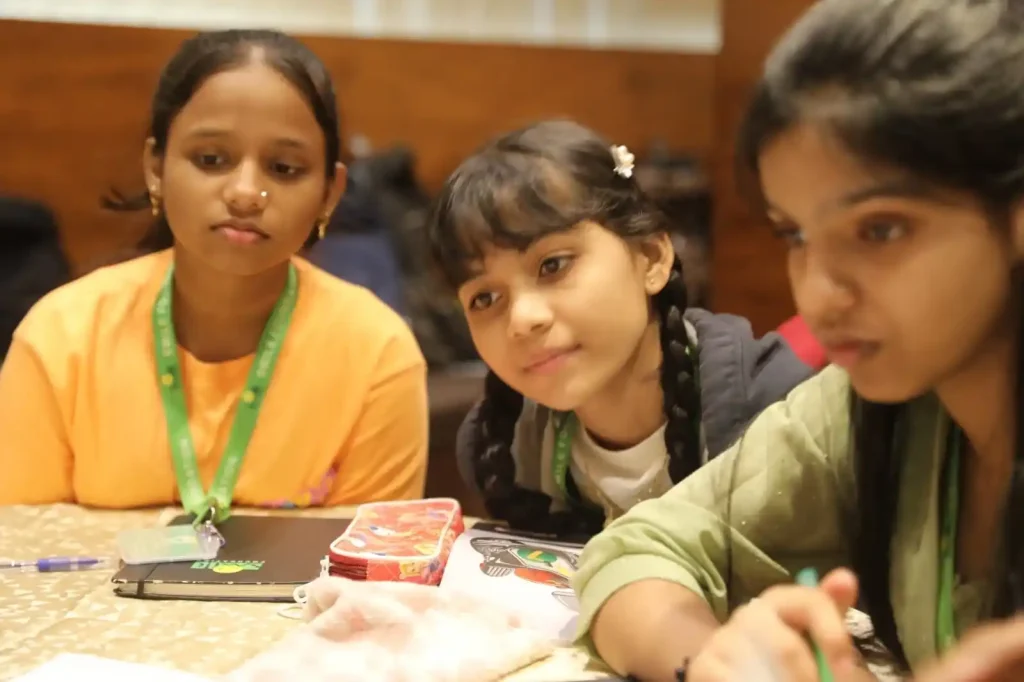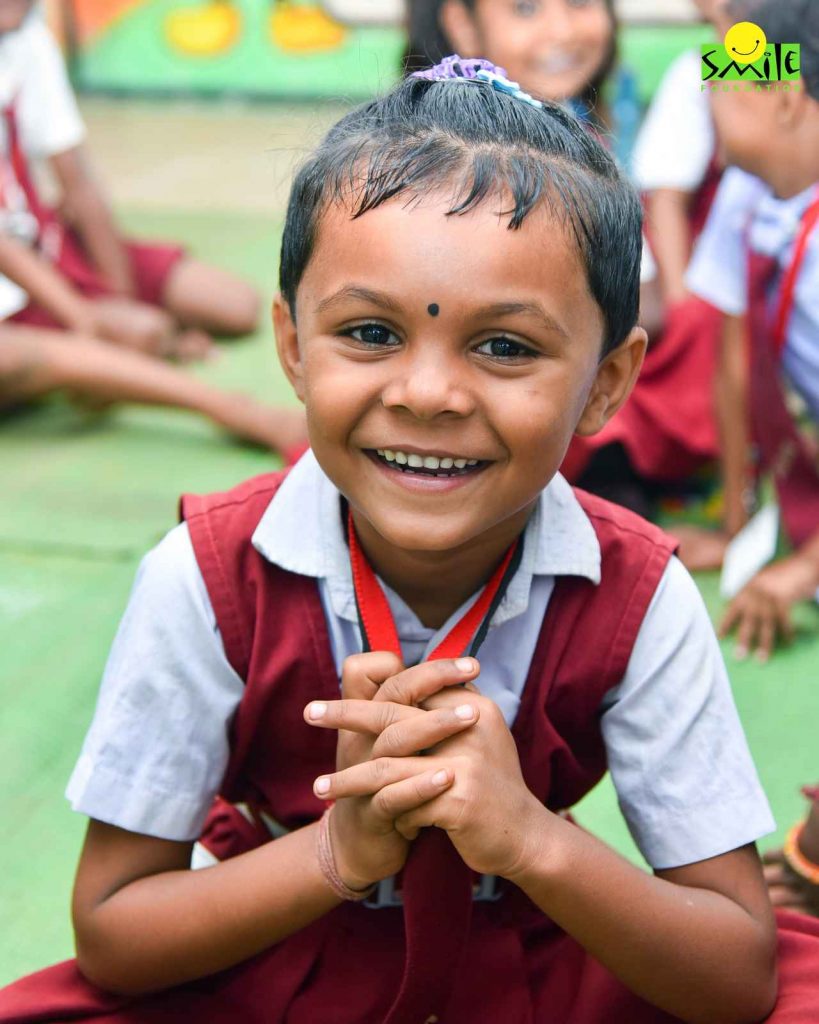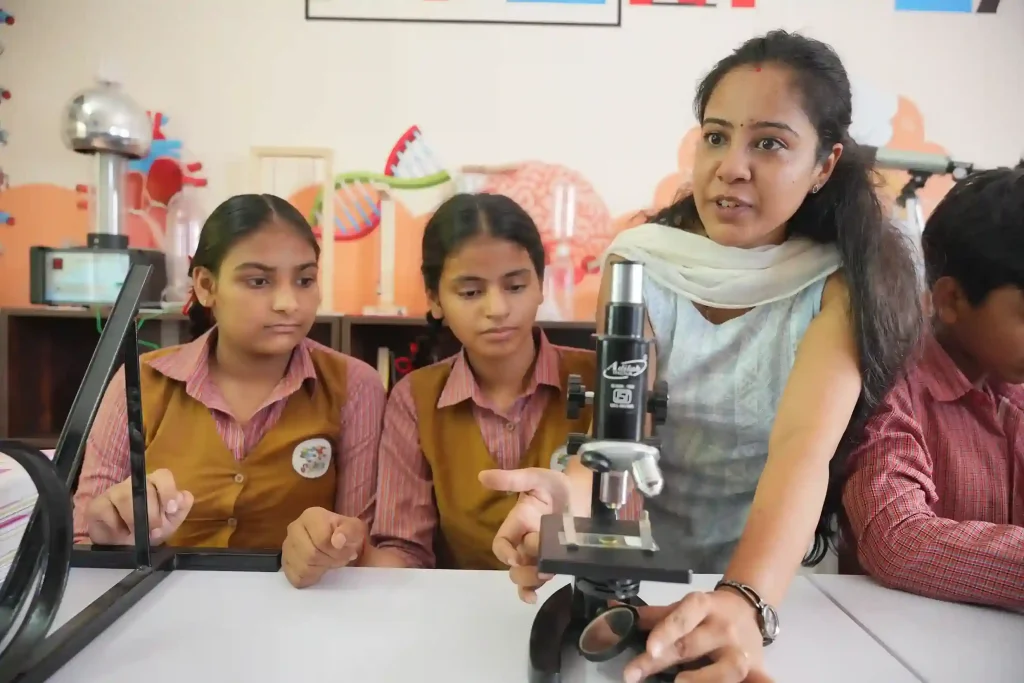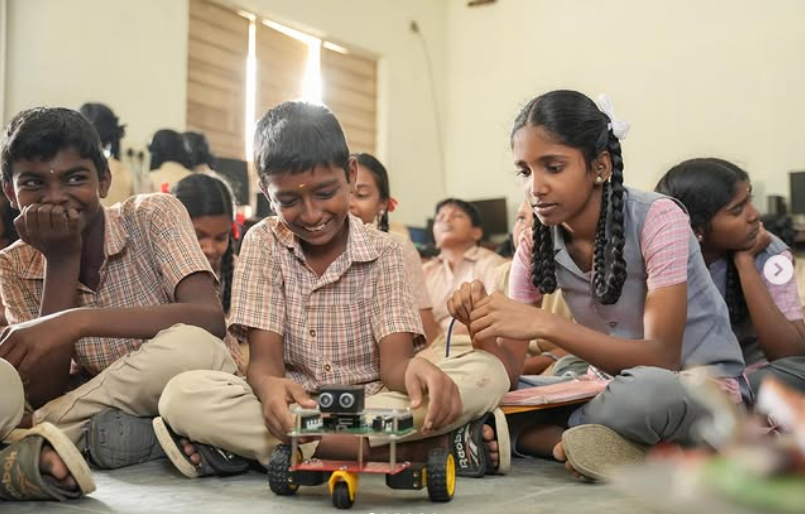

Across India, our public conversations on school education tend to orbit around infrastructure, examinations and learning outcomes. These concerns are understandable, but they often narrow our imagination about what education ought to be. A meaningful education must enable children to inquire, collaborate and participate fully in civic and social life. Play, long dismissed as peripheral to learning, is in fact central to achieving these objectives.
There is now compelling global evidence that play is a foundational element of learning. Neuroscience, developmental psychology and comparative education research converge on one conclusion. Children learn best when they engage actively with their environment, when they test ideas freely and when they feel secure in spaces that welcome their curiosity. Play is the medium that allows these processes to unfold.
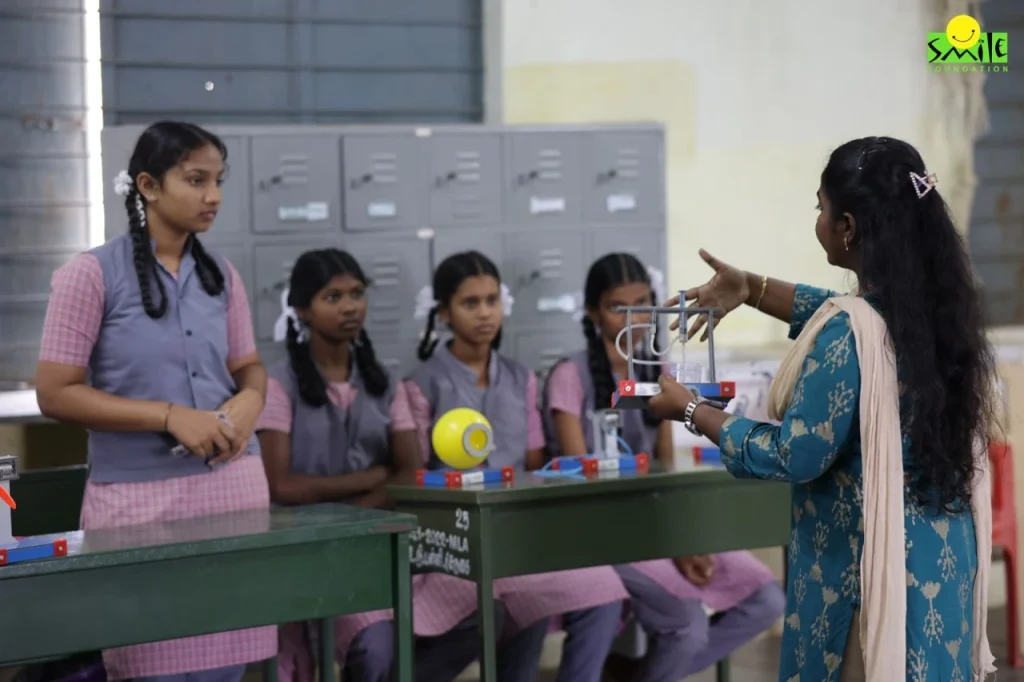
But access to play continues to be uneven and, in many cases, restricted precisely for the children who need it most. This raises a larger question about the purpose of schooling in a constitutional democracy. If education must nurture capabilities equitably, then play cannot be reserved for the privileged. It must belong to every child.
What Science Tells Us About Play
Research at the Center on the Developing Child, Harvard University shows how play develops executive function skills such as memory, self-regulation and cognitive flexibility. These skills form the mental architecture required to navigate both academic learning and future employment.
Play also strengthens social and emotional development. When children negotiate rules of a game or engage in pretend play, they practice empathy, cooperation and compromise. UNESCO’s review of play-based learning emphasises that play improves motivation, attention and emotional well-being.
Crucially, play enhances academic performance. A 2022 paper in Frontiers in Education shows that play-based classrooms improve conceptual understanding and retention in primary school. This directly challenges the misconception that play distracts from academic goals.
Physical play contributes to cognitive growth as well. A 2025 Times of India report noted how physical education strengthens focus and executive functioning, making games periods one of the most effective learning hours in school.
The science is clear. A child who plays learns better, participates better and adapts better.
Why Play Is a Question of Equity
A significant challenge in India is that the benefits of play-rich learning environments accrue disproportionately to children in well-resourced schools. High-fee private institutions often showcase spacious playgrounds, flexible timetables and activity-based curricula. In contrast, schools that serve working class families or marginalised communities tend to adopt more restrictive pedagogies that rely heavily on repetition and discipline. These approaches are often justified as a fast track to academic improvement, but they typically achieve the opposite.
The absence of play has severe implications for children who begin school with fewer social and linguistic advantages. First-generation learners benefit immensely from exploratory learning, tactile materials and peer collaboration, yet they are most frequently denied these experiences.
Similarly, children with disabilities face exclusion due to inaccessible play spaces and a lack of inclusive training for teachers. Girls are restricted by social norms that limit mobility and exposure to outdoor spaces. Tribal and rural children often study in environments where there are neither resources nor trained educators who can facilitate playful learning.
This unequal distribution of play contradicts the constitutional promise of equal educational opportunity. Play is not ornamental. It is a mechanism through which children build the capabilities to learn, communicate and participate fully in society. By restricting play, we inadvertently impose a hierarchy of educational experience, reinforcing existing social inequalities.
Play in Older Grades
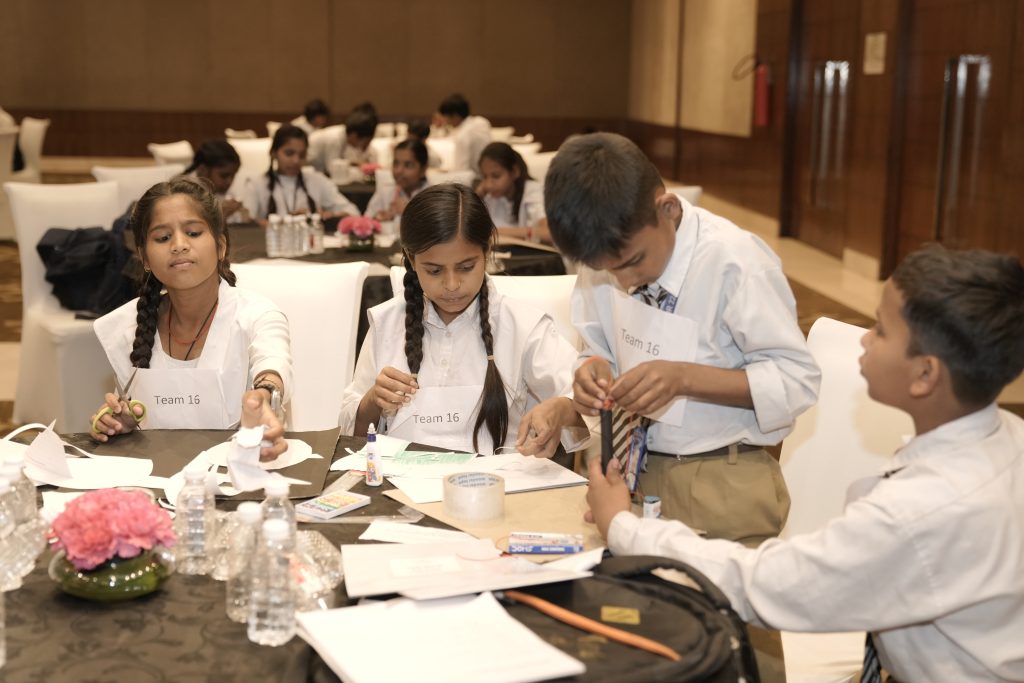
A common assumption is that play belongs solely in pre-primary classrooms. In reality, the cognitive and social benefits of play extend well beyond early childhood. The Lego Foundation highlights that playful pedagogies improve problem solving, creativity and collaboration even for adolescents.
Finland, New Zealand and Scotland provide strong examples of primary schools that integrate play into learning across subjects. Students engage in projects, outdoor exploration and hands-on tasks that connect academic content to lived experience. These systems demonstrate that play can coexist with rigor and often strengthens it.
India has taken small steps in this direction. The National Education Policy (NEP 2020) calls for experiential learning and recommends periodic “bagless” days. States such as Uttar Pradesh have introduced ten activity-based days annually.
These policies are promising but insufficient unless accompanied by teacher training, decentralised curriculum design and clear accountability frameworks.
Teacher Capacity and Systemic Barriers
Teachers are central to whether play becomes meaningful in the classroom. However, teacher education programmes in India devote limited time to child development sciences or hands-on pedagogy. Many teachers believe that play creates disorder or undermines discipline. Without adequate support, they feel constrained by syllabus pressures and parental expectations.
Successful integration of play requires systemic attention to teacher training. Countries that embraced play-based education invested in continuous professional development, classroom observation and peer mentoring. India must follow a similar path.
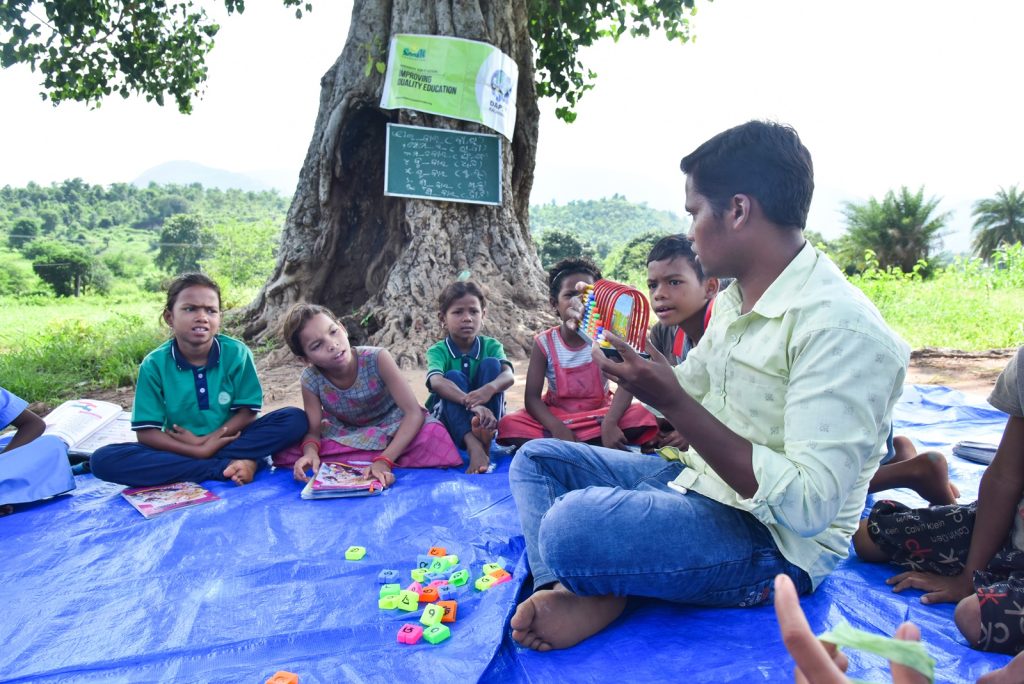
Infrastructure gaps also hinder playful learning. Many government schools lack safe outdoor areas, accessible classrooms or basic materials. Budget allocations for ECCE and primary education remain inadequate and often do not prioritise play materials or teacher training.
A Global Perspective on Play
Experiences from across the world demonstrate that play is compatible with scale and resource constraints.
Zambia’s IT’S PLAY programme, implemented by the government with UNESCO’s support, trained educators in playful methods and reached more than 18,000 children. This approach is low-cost and community grounded.
Meanwhile, the United Kingdom continues to reckon with shrinking playtime due to academic pressures. A 2025 Guardian report found that a third of children no longer play outdoors after school.
These global debates reflect a common concern. Modern education systems risk becoming overly instrumental, focusing almost exclusively on measurable outcomes while ignoring childhood itself. Play becomes a corrective to this narrow vision.
Why Play Matters for India’s Learning Crisis
ASER reports repeatedly show that a large share of children in Class 5 cannot read Class 2 text or solve basic arithmetic. Traditional pedagogies that prioritise textbook recitation seldom close these gaps. Play, by contrast, elevates engagement and enables conceptual mastery. Manipulatives, stories, experiments and games help children internalise ideas rather than memorise them.
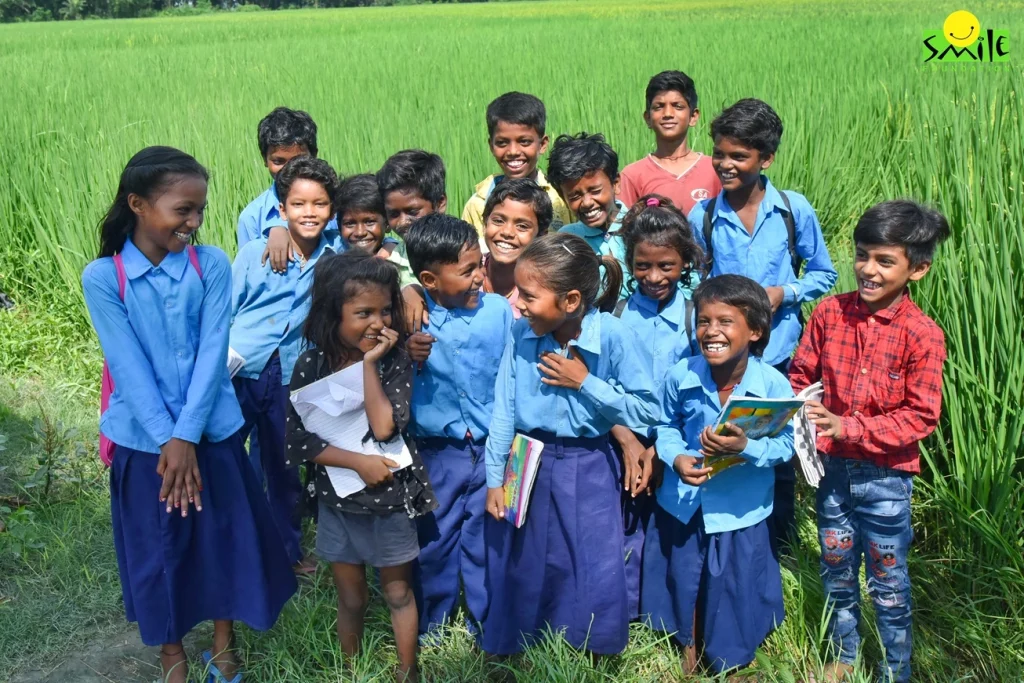
Play also supports mental health. For children living with economic stress, unsafe environments or interrupted schooling, play creates emotional safety and restores confidence. This is vital in classrooms where children carry the burdens of poverty and uncertainty.
Smile Foundation’s Work: Restoring Joy to Learning
Smile Foundation has consistently recognised that quality education cannot be reduced to textbooks and examinations. Through Mission Education, the organisation integrates activity-based and play-led methods into classrooms that serve children from disadvantaged backgrounds. Interactive learning materials, group activities, storytelling and sports become tools for foundational learning.
For many first-generation learners, these classroom experiences are transformative. They build confidence, communication skills and a genuine interest in learning. Smile Foundation’s work shows that play can be implemented in low-resource settings through thoughtful teacher support, community involvement and simple, child-friendly materials.
Our approach affirms a broader truth. Play is not an educational luxury. It is an essential part of a child’s right to learn with dignity, agency and joy.
India’s education system stands at a crossroads. We have the research, the policy frameworks and the evidence from both domestic and international contexts. What remains is a commitment to reorient how we understand learning. Play is not peripheral to academic achievement. It is fundamental to the development of capable, confident and compassionate citizens.
A school system that denies play denies equality. A school system that embraces it moves closer to fulfilling the constitutional promise of a just and inclusive future for all children.