
A recurring theme in several Hindi films of the 1970s through the 1990s was the hero’s journey from a rural setting to the city that was a symbolic landscape of opportunity and upward mobility. This cinematic shift of the protagonist from rural idylls to the urban cityscape didn’t just tell a fictional story but instead reflected India’s evolving socio-economic realities and the growing centrality of migration in the national imagination.
Migration has long shaped India’s social and economic fabric. While the move from village to city has long been framed and presented as an expression of ambition, it is not the case anymore. For millions of young people, the move is often a forced response to structural deprivation. According to MOSPI data, 81.26 per cent of all internal migrants in India originate from rural areas. Further, among migrants in urban India, 61.11 per cent are from rural origins. In contemporary times, these figures are concerning because this shift underscores how uneven development and limited rural opportunities continue to push individuals into migration pathways that are more about survival than aspiration.
An Inequitable Scenario
Youth migration is very strongly influenced by educational aspirations. A 2022 report by the National Sample Survey Office (NSSO) found that around 18 per cent of rural youth migrate primarily for education-related reasons, often relocating to towns or cities to access secondary schools, colleges or coaching institutes. These educational gaps amplify the push towards urban centres, creating a cycle in which migration appears to be the only viable path for advancement.
However, several young people do not want this to be the case. According to a 2024 study conducted by the Development Intelligence Unit across 21 states, more than 60 per cent of rural male youth and nearly 70 per cent of rural female youth expressed that they do not wish to migrate for work; instead, they prefer employment opportunities closer to their villages. In an opinion piece published in The Hindu, the author remarks how mobility is a natural component of a developing economy. But the scale and persistence of youth migration expose deeper systemic failures such as the chronic inability to create dignified employment in rural areas, the weak alignment between rural education and labour-market opportunities, and the stark unevenness of regional development. This thus necessitates interventions from both governmental and non-governmental organizations and stakeholders.
Reducing the Push to Migrate through Rural Education
Improving rural education has the potential to transform the rural-to-urban migration dynamic by altering both push and pull factors. Firstly, high-quality schooling within villages can reduce the need for families to send children to towns for secondary or higher education. When parents trust the local school system, the pressure to migrate for education is further reduced. This also allows
More and more students to avail quality education. According to UDISE+ 2024-25 data, the national secondary dropout rate stands at 11.5 per cent, indicating that a significant proportion of students are not completing school. By strengthening and improving retention in rural secondary schools, those dropouts can be prevented — and hence fewer youth may feel compelled to migrate for further education or work.
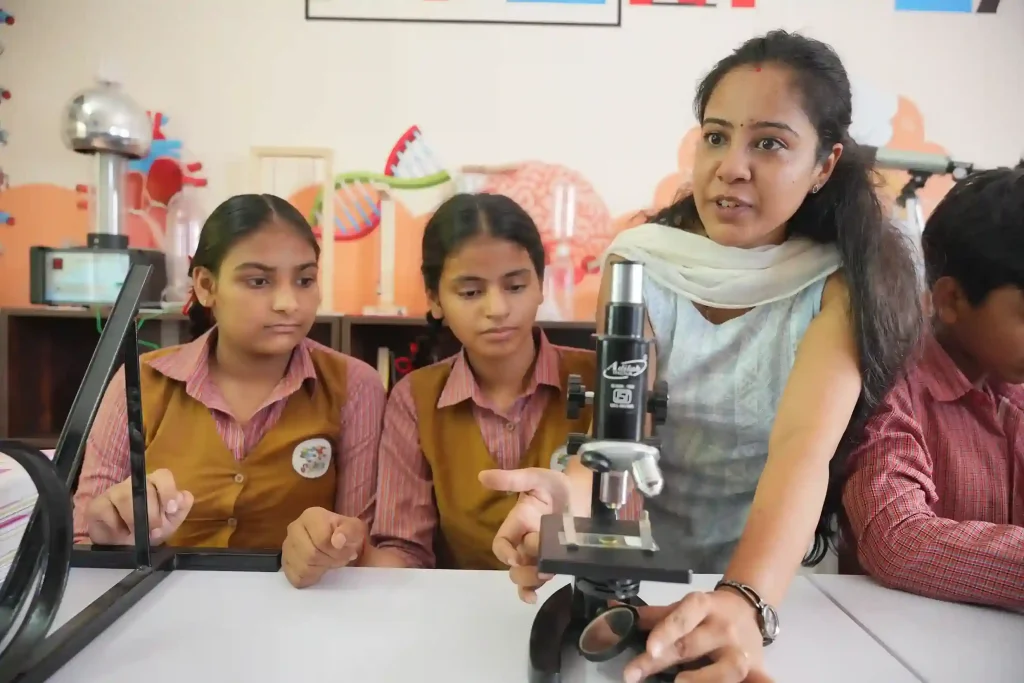
Additionally, there is also a necessity to integrate vocational and skill-based training into rural education in order to equip the youth with employable competencies relevant to local industries such as agriculture, dairy processing, renewable energy, handicrafts and small-scale manufacturing. Linking an upgraded education system with local economic ecosystems helps generate employment at the source. This aligns with human capital theory, which posits that individuals will invest in learning when it is perceived as productive as well as being locally relevant.
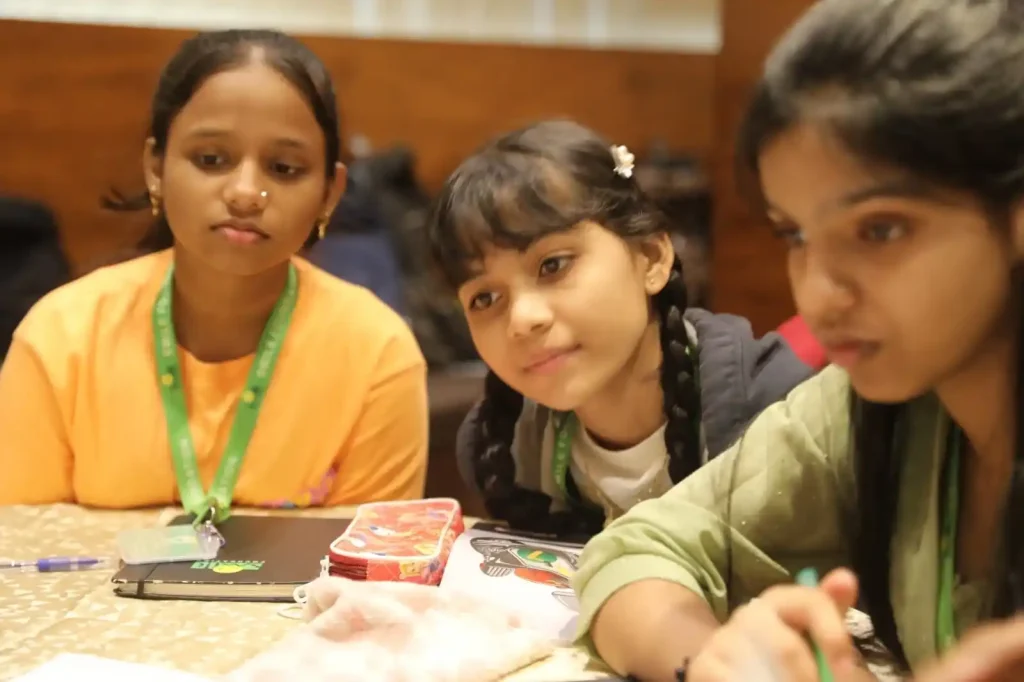
Take the case of the Smile Twin e-Learning Programme (STeP), it provides marginalised youth between ages 18 to 25 with digital and vocational education. Trainees learn English, computer operations, personality development and job-oriented skills like retail or general duty assistance. Smile’s ImFACT 2022 report highlights how the programme has built a centralised placement cell and partnered with over 250 companies, ensuring trainees are job-ready and supported even post-placement.
Another key result in promoting educational opportunities in rural areas is the gender inclusion that can come about in this process. Take another example of Smile Foundation’s Project Manzil, which specifically targets adolescent girls in rural Rajasthan. The program provides training in areas such as agriculture, electrical and electronics, retail, tourism and other skill-based fields to enhance employability. As a result, beyond improving career prospects, programmes like such can help challenge traditional gender stereotypes in rural areas, allowing for greater female participation in non-traditional professions in the region.
Push for Greater Investment
Kerala, Himachal Pradesh and Sikkim are among the states that demonstrate how strong investments in rural education can reduce distress migration and promote more balanced regional development. These states consistently maintain high literacy levels and each has invested in robust school networks and community-based education models, especially in rural areas. This strength also laid the groundwork for effective digital expansion which now enables students to participate in online courses and virtual skill building programmes without relocating to urban areas.
In conclusion, strengthening rural education allows a long-term strategy to address the challenge of youth migration by enhancing local human capital and generating employment in rural areas. A robust rural education ecosystem will empower young people to transform their own environments and participate in a more balanced development process. At the end, rural education stands as a central pillar in reshaping India’s rural future.