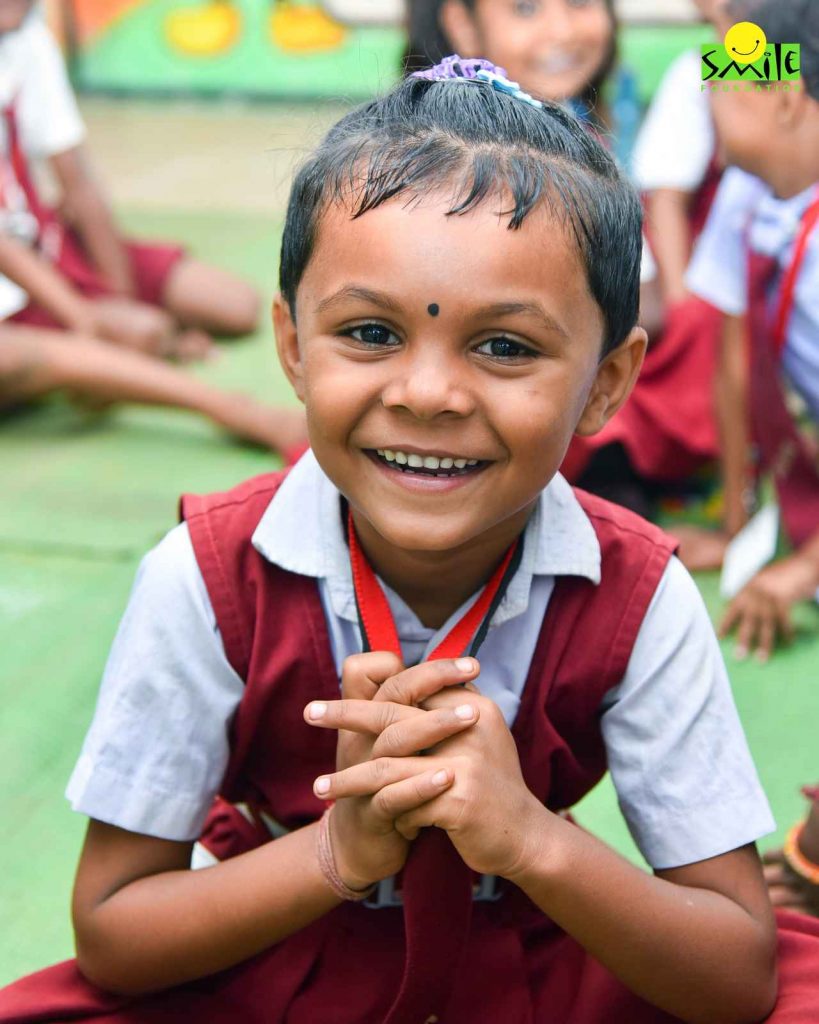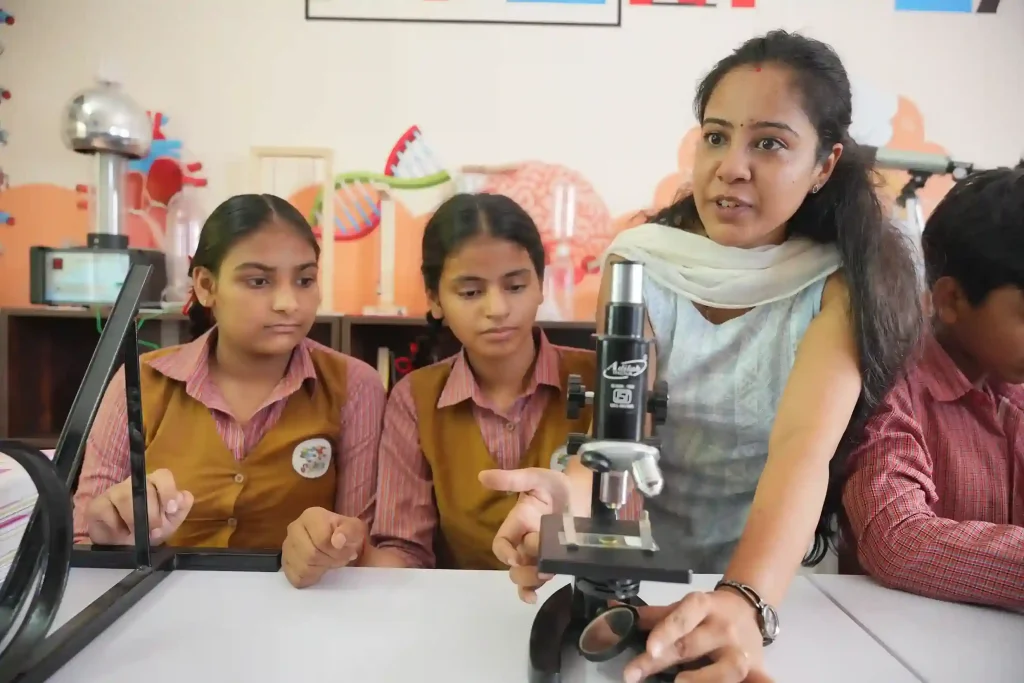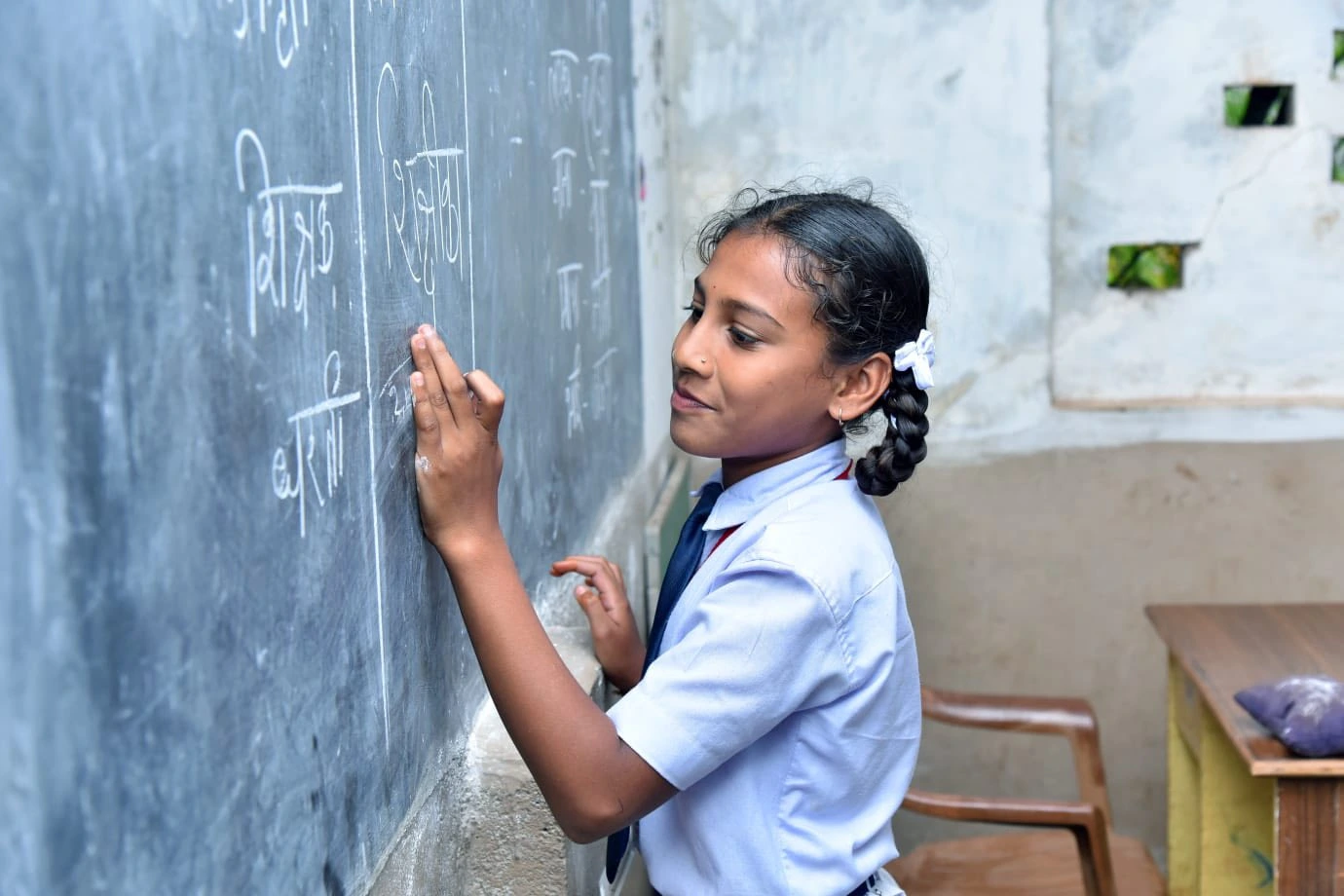

As of the last decade, India has achieved a major milestone: net primary enrolment rose from 89% in 2010 to around 98% as of 2024/2025 and yet, many enrolled children still struggle to master basic reading and arithmetic. Government schemes, community mobilisation and NGO-led efforts have collectively ensured that access to education is no longer the primary barrier it once was and more children go to school today than ever before. But beneath this success lies another crisis: children may be in school, but many are not learning at the level they should be.
Reports over the years, from national surveys to independent learning assessments, consistently highlight the same gap. A substantial proportion of children in upper primary grades struggle to comprehend simple texts or perform basic arithmetic. These gaps do not arise suddenly. They accumulate slowly, often beginning in early childhood and widening each year as lessons become more complex.
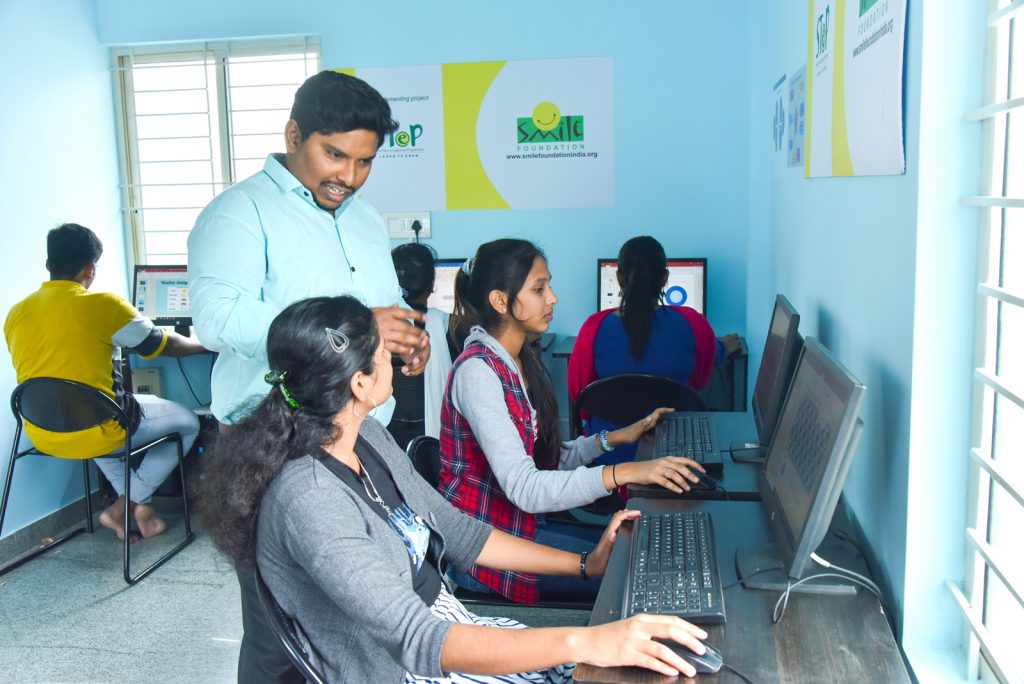
Remedial Classes play a significant role in trying to bridge this gap. A structured, intentional and child-centred approach to help students strengthen the foundational skills they might have missed in their early school years. Besides most primary and elementary schools, organisations like Smile Foundation have adapted and expanded it within the Indian context.
Where the Idea of Remedial Classes Began
Remedial education is not a new idea, it has existed in various forms around the world for more than a century. Early versions emerged in the 19th and early 20th centuries when schools in Europe and North America began to recognise that children do not learn at the same pace. Some required more time, some needed repetition and some needed individual guidance that was impossible to provide in overcrowded classrooms.
Psychologists and educators like Maria Montessori, Jean Piaget and John Dewey transformed global thinking by showing that learning is not linear and children must be met where they are. Their insights laid the groundwork for modern remedial programmes that recognise gaps not as failures, but as differentiated requirements in learning journeys.
By the late 20th century, remedial education had become a formal component of schooling systems in many countries, especially in areas with higher poverty, linguistic diversity and socio-political conflicts. However, all across the core idea stayed the same: meet children at their current learning level and guide them forward with patient, individualised support.
Why Remedial Classes Became Essential in India
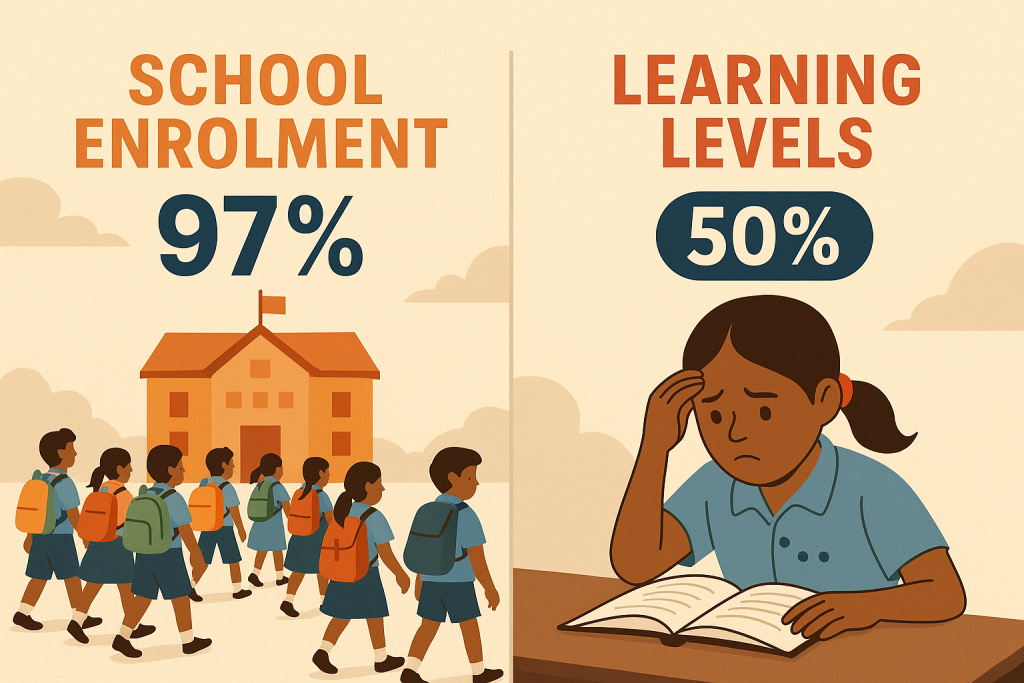
Over the past three decades, India has made remarkable strides in expanding access to education. Net enrolment rates in primary education rose from around 78% in 1990-91 to nearly 97% by 2020-21, driven by initiatives such as the Sarva Shiksha Abhiyan and the Right to Education Act (2009). Yet, large-scale assessments, including the Annual Status of Education Report (ASER), revealed a persistent learning crisis, that many children were attending school, but lagging behind in basic reading and arithmetic. In 2022, ASER reported that only 50% of Grade 5 students in rural India could read a Grade 2-level text and fewer than 40% could perform simple division.
Several systemic factors contributed to this widening gap:
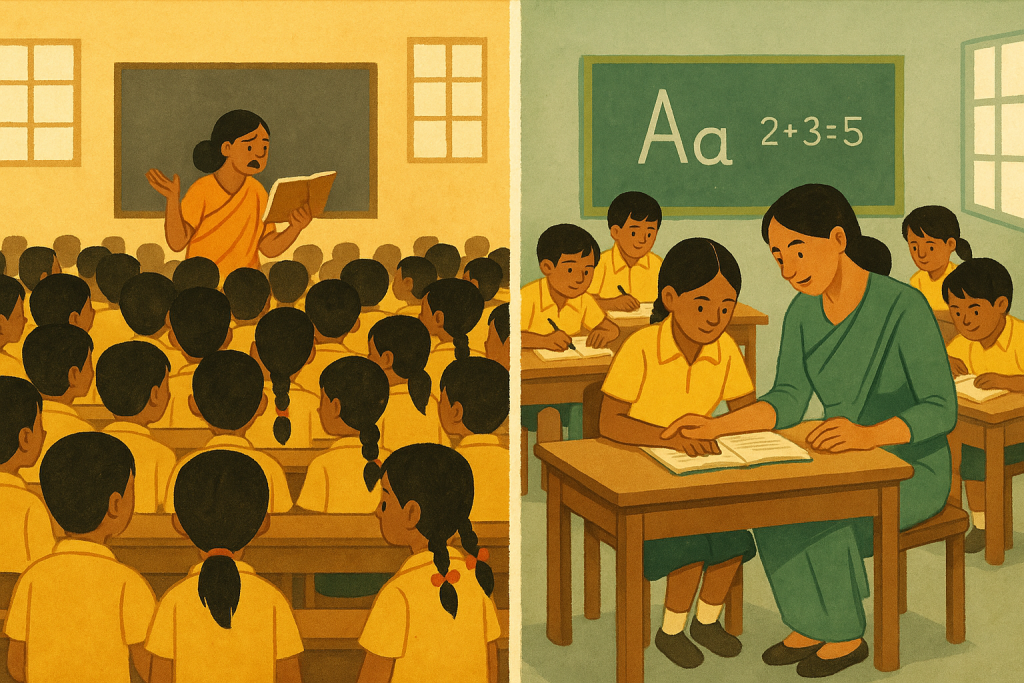
- Large class sizes: Student-teacher ratios in many government schools exceed 40:1, limiting individual attention.
- First-generation learners: Millions of children attend school without academic guidance at home.
- Socio-economic tensions: Migration, seasonal work, limited parental support and poverty-related disruptions reduce school attendance and continuity.
- Curriculum challenges: A rigid, content-heavy curriculum often advances faster than students’ comprehension.
- Language barriers: Children from multilingual households may struggle when the medium of instruction differs from their home language.
These challenges created a structural gap where enrolment alone could not ensure learning. Smile Foundation’s Remedial Education Programme directly addresses these deficits by offering small-group sessions, personalised guidance and academic reinforcement.
Why Remedial Classes Are More Important Today Than Ever
Even as India makes strides in digital education, infrastructure and policy reforms, remedial classes continue to play a critical role. Here’s why they remain indispensable:
Rebuilding foundations
Foundational skills in reading, writing and numeracy are the building blocks of all future learning. Remedial classes focus on strengthening these without the pressure of exams or rigid timetables. By allowing children to revisit earlier concepts in a stress-free setting, these sessions help them rebuild core competencies that may have weakened over time. As these foundations solidify, children gradually regain the ability to engage confidently with grade-level content.
Restoring confidence in children
Many children internalise academic struggles as personal failure. When concepts are explained with individualised attention and patience, children regain the lost confidence and rediscover the joy of understanding. Small successes like solving a problem, reading aloud, completing homework independently act as powerful motivators. Over time, these repeated affirmations rebuild self-esteem, helping children participate more actively in their regular classrooms and trust their own abilities again.
Reducing dropout rates
One of the strongest predictors of dropping out is poor academic performance, especially at the upper primary level. The remedial sessions help close learning gaps that, if ignored, often push students toward frustration or disengagement. With remedial support, children feel capable, stay motivated and remain in school for longer.
Supporting learners under stress
For children living under financial stress or with limited parental support, remedial spaces provide consistency, emotional safety and academic stability. Alongside academics, Smile Foundation’s Mission Education project also focuses on emotional well-being through attentive teachers and a nurturing environment. In doing so, the programme becomes a stabilising force in the lives of children who might otherwise slip through the cracks of the formal school system.
Helping first-generation learners break the cycle of educational disadvantage
When parents cannot guide children academically, remedial classes fill the gap and help build upward mobility across generations. These sessions give first-generation learners the academic reinforcement they usually cannot access at home. Over time, this consistent guidance strengthens not just individual performance but also reduces the likelihood of future dropouts.
Building inclusive and neuro-diverse classrooms
By supplementing formal teaching, remedial programmes ensure that slow learners and linguistically diverse children are not left behind. They create flexible learning spaces where children with diverse cognitive styles or learning needs can engage with material at a pace that suits them.
The Broader Impact: Remedial Education as a Tool for Equity
Remedial classes create a ripple effect that extends far beyond academics, influencing entire communities in meaningful ways. They promote gender equity by supporting girls who often shoulder household responsibilities, offering them structured study time and emotional encouragement to stay on track. These programmes also strengthen community trust in education, as parents who witness steady improvement in their children begin to prioritise schooling even when facing financial pressures. Remedial support also enhances teacher effectiveness by reducing the need to repeatedly reteach foundational concepts, allowing teachers to focus on delivering the curriculum with greater depth. Most importantly, early intervention through remedial classes keeps learning gaps from escalating, paving the way for children to participate fully in future academic opportunities.
A Community-Rooted Solution With a Child at Its Center
Smile Foundation’s journey with remedial education underscores a simple truth – children do not fail learning systems; learning systems fail children when they don’t account for diversity learning styles and pace. Remedial classes offer a humane response to this gap. They ensure that children who start with disadvantages are not permanently defined by them. They give slow learners time, give shy children confidence, give first-generation learners a level playing field and give parents the reassurance that their child’s future is not slipping away quietly.
Why Remedial Classes Will Continue to Matter
As India aims for higher literacy and a skilled workforce, learning outcomes and not just enrolments, will determine the nation’s progress. Remedial classes stand at this intersection of academic need, social equity and giving each learner a fair chance at school. They are not a temporary patch but a long-term investment in human potential.
And at their heart lies a simple, enduring belief – Every child deserves not just a seat in a classroom, but a real chance to learn, grow and thrive.