
Every year, millions of Indian families face a wrenching choice: say “yes” to a promising education that could lift a child out of poverty, or say “no” because the fee is simply unaffordable. An Indian student’s educational journey often hinges on the family’s ability to absorb sudden financial shocks.
The Barriers to Studies
For low-income households, even modest fee hikes, transport expenses or the cost of digital devices can push education beyond reach. This financial fragility becomes most visible at the secondary and post-secondary levels, where the cost of continuing education rises sharply. In the absence of timely financial support, many students are forced to rely on high-risk loans or informal credit, exposing families to long-term debt cycles that can be difficult to escape.When formal loans are out of reach or too slow, desperate households sometimes turn to dangerous alternatives.
This belief forms the core of the Scholarships@Smile initiative, which has already supported more than 100,000 students across 22 states, many of them first-generation learners.
The Gaps Remain: Supply vs Need
Despite government and bank efforts (including new collateral-free education loan products and model loan schemes intended to increase access), there remain large gaps in coverage, timeliness and appropriateness of financial aid for the poorest households. Government schemes are evolving — for example, new schemes seek to extend collateral-free loans to meritorious students — but getting funds to the right students at the right time still depends on outreach, awareness and administrative simplicity. That’s where scholarships and NGO partnerships step in as swift, targeted solutions.
Borrowing is Growing, but so are the Risks
Education lending in India has expanded rapidly with education portfolios of NBFCs and banks having ballooned in recent years. As of mid-2024, the outstanding education loans of banks were reported at roughly ₹1,23,066 crore, a sign of both opportunity and mounting household exposure to debt. For many families that can’t meet bank criteria (collateral, guarantors, credit history), borrowing options narrow and the danger of predatory lenders rises.
Why Loan Sharks is an Education Problem
When legitimate channels fail, informal and often illegal lenders, AKA loan sharks, step in. These lenders charge crippling rates, demand brutal recovery methods and create cycles of debt that push vulnerable families deeper into crisis. For students, this translates into stress, interrupted study and sometimes forced withdrawal from college. The best safeguard isn’t only better regulation of lending but reducing the need to borrow in the first place by expanding grants and scholarships that are safe and predictable.
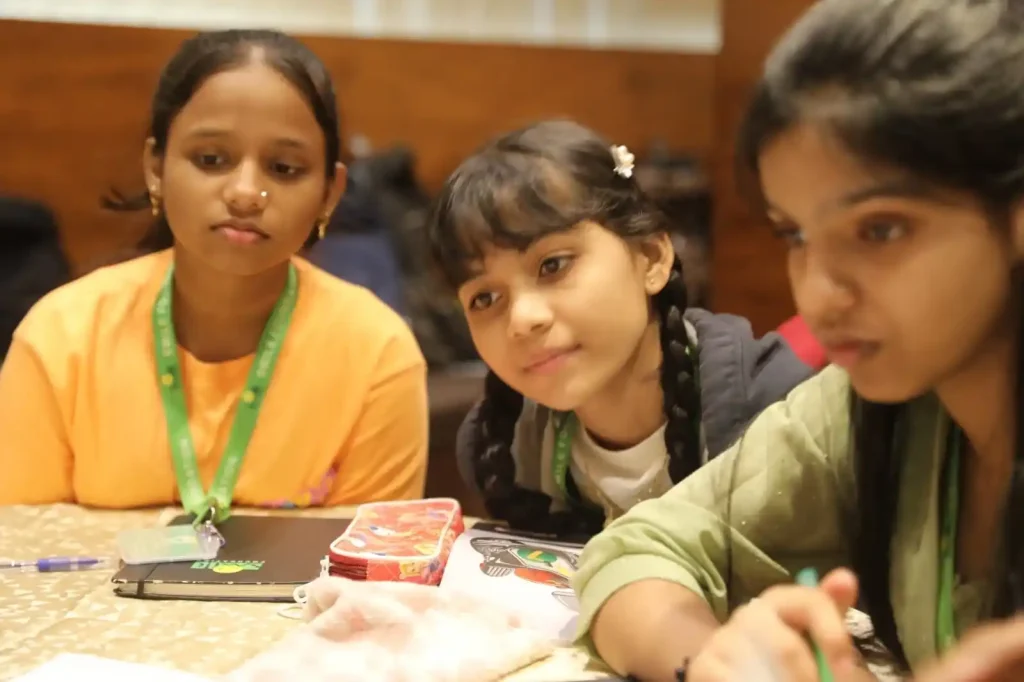
Research and field experience show scholarships are far more than money on a ledger. When combined with mentoring and community support, scholarships meaningfully reduce dropout rates and improve learning outcomes and completion. Smile Foundation’s scholarship initiatives including the Scholarships@Smile portfolio already support well over 100,000 students, demonstrating the immediate leverage that targeted financial aid gives to vulnerable learners.
Creating a Pathway for Equity
Girls and first-generation learners, in particular, benefit significantly from scholarships because they are disproportionately affected by social pressures, early marriage risks, and competing household responsibilities. Access to predictable financial aid, combined with academic support and mentorship, creates conditions that allow them to stay in school, pursue technical and professional education and transition successfully into the workforce.
As India pushes toward becoming a knowledge-driven economy, the demand for skilled workers in STEM, healthcare, technical and digital industries continues to rise. Yet, without adequate scholarship coverage, the country risks losing a large pool of capable students simply because they cannot afford elementary and higher education. Expanding scholarships, both in scale and in scope, is therefore not just a welfare measure but a strategic investment in national growth and gender equity. Larger, more accessible, and more inclusive scholarship systems can prevent vulnerable families from turning to predatory lending and ensure that the promise of education remains a path to progress, not a source of financial hazard.
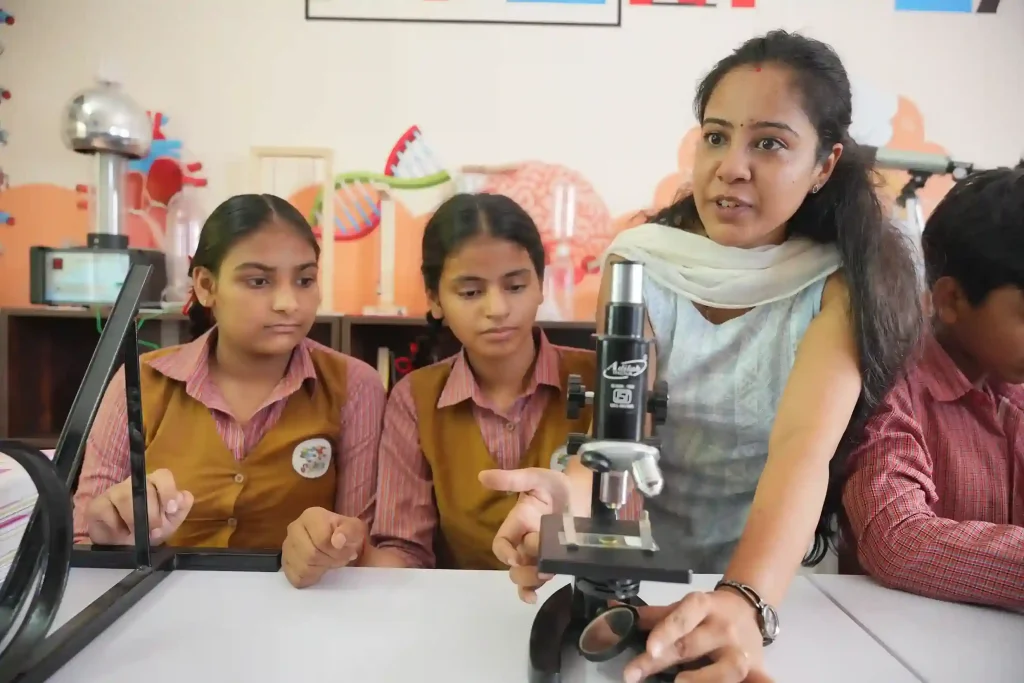
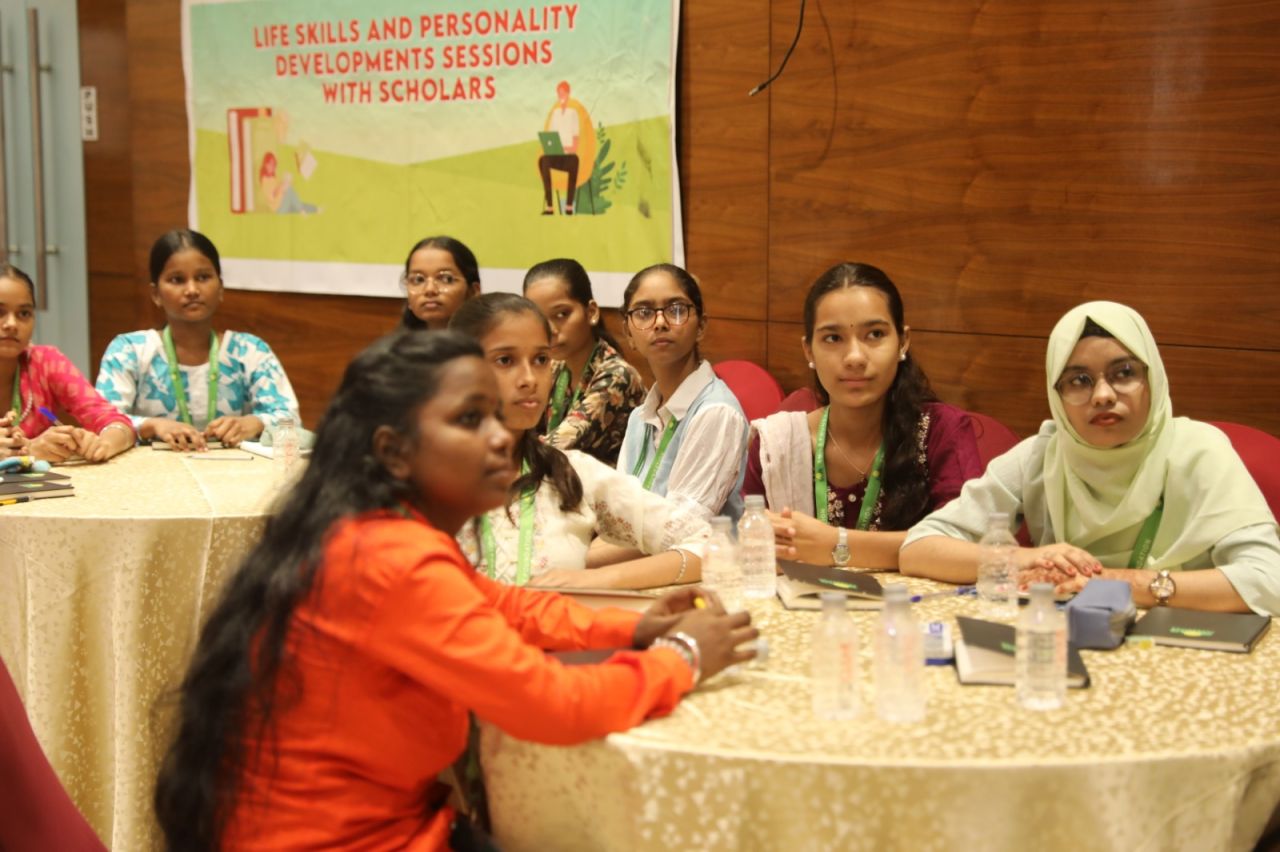
Girls, in particular, benefit from a layered model that combines school-level scholarships for Grades 8 to 12 with opportunities for vocational education in fields such as IT, design, management, finance and pharmacy, as well as full engineering scholarships that cover all four years of B.Tech or B.E. degrees. Smile’s Girls-in-STEM initiatives further strengthen this ecosystem by providing laptops, digital learning tools, internship pathways and structured mentorship, ensuring that talented young women can enter technical fields with confidence and continuity. Through campaigns like She Can Fly, the Foundation adds life-skills training, mental well-being sessions, counselling, guidance and employability coaching so that girls are supported not only academically but are also somewhat protected from the social pressures, financial shocks and household barriers that so often push them out of school.
In a nutshell, scholarships need to become more than a financial intervention, it must aim to shield against vulnerability and a long-term investment in gender equity and national progress.
Why Smile Foundation focuses on Scholarships
If India hopes to reduce harmful borrowing and unlock the full potential of its young population, scholarship programmes need a structural rethink. The first step is making them bigger, not only in number but also in the actual value of each award. Scholarships must move beyond partial support and be large enough to realistically cover tuition fees, learning essentials and academic enablers such as books, internet access and transportation. Financial gaps — often small in absolute terms — are the very barriers that push students toward loans or force them to abandon their education altogether.
They must also become faster. Delayed or unpredictable disbursal often defeats the purpose of financial aid, as students may drop out, take on high-interest debt, or miss admission deadlines while waiting for funds. A streamlined, technology-supported process that delivers aid at the beginning of the academic cycle can prevent these avoidable disruptions.
Scholarships need to be smarter as well. Data-driven targeting based on income levels, geography, gender, caste and first-generation status can ensure that the most vulnerable students are prioritised rather than those who are already relatively secure. This approach strengthens equity and ensures that limited resources produce maximum social impact.
Equally important is making scholarships richer in support. Financial aid alone cannot compensate for a lack of guidance, exposure or digital access. Pairing funding with mentorship, career counselling, skill-building opportunities and modern learning tools creates a more holistic ecosystem in which students can thrive rather than merely cope.
Finally, scholarships must become sustainable. Long-term impact requires models that blend public investment, CSR partnerships, philanthropic capital, and community participation. A multi-stakeholder approach ensures that scholarship programmes do not disappear after a single grant cycle but remain resilient and predictable for years to come.
In essence, “bigger and better” scholarships are those that expand their financial reach, accelerate support, intelligently target need, enrich student development and endure across academic journeys, transforming education from a fragile aspiration into a stable, achievable reality.
Smile Foundation’s model already follows many of these principles — providing financial aid as part of holistic support packages that address the reasons students leave school, not just the costs.
A Practical Pathway: How Donors and Partners can help Scale Scholarships
- Corporate partners (CSR): Fund scholarship cohorts tied to outcome metrics like retention and pass rates.
- Foundations & trusts: Seed large endowments dedicated to regional scholarship hubs.
- Individual donors: Monthly micro-scholarships (between 500 and 2000) create predictable support that keeps one student in school.
- Policymakers: Simplify registration and disbursal frameworks for NGOs to partner with government scholarship databases.
- Banks & Fintechs: Co-create early-warning funds that convert pending loans into scholarships for high-risk students.
Let Scholarships mean Promise and Protection
In the tug-of-war between opportunity and risk, scholarships are a practical way to tip the balance toward a stable future. They prevent families from turning to dangerous credit, protect students from the stress and violence of predatory lending and promise a different life through education. Smile Foundation’s reach — touching more than a million lives every year — proves that well-designed support works. But to protect every child who deserves a chance, scholarships must grow bigger, faster and smarter. Join us in making that happen.