Q1. What are some key challenges when it comes to enabling scholarships and access to funds for girls?
Seema Kumar: Smile Foundation started its Scholarship Support Programme in 2006, initially providing school scholarships to address the dropout of girls after the 8th grade. Over time, we have expanded to include higher education scholarships, focusing largely on STEM education.
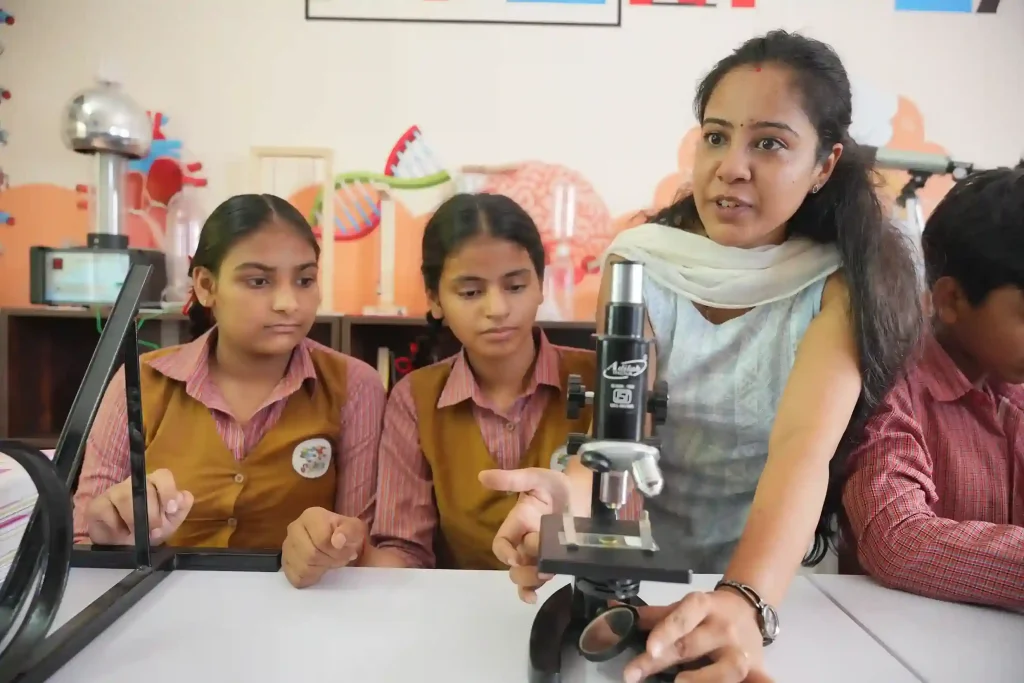
Over the years, we have observed that fewer girls opt for the science stream in higher secondary. This disparity is not due to a lack of ability or ambition among girls, but because they often do not have access to good teachers who can ignite curiosity and interest. A non-conducive ecosystem becomes one of the major reasons behind this gap.
The second challenge is systemic barriers that begin early in a girl’s education. Financial constraints, societal norms and limited access to resources disproportionately discourage young women from pursuing STEM fields.
The third challenge is lack of awareness about scholarships and schemes. Many girls from low-income groups hesitate to choose science streams because they assume they will need expensive coaching, tutorials and learning material. They often do not know that scholarships and financial support are available to help them continue.
At Smile, our efforts are to address all these challenges in a holistic manner by improving the accessibility of science education in schools, creating a conducive learning ecosystem and building awareness about available resources.
Q2: Your programmes reach thousands of students, but research shows that most students — especially girls — lack awareness of financial aid. Existing scholarships also tend to take a one-size-fits-all approach. How is Smile Foundation thinking about customising aid to fit different aspirations and building awareness earlier in education?
Seema Kumar: Each scholar is unique, so we design Individualised Plans instead of generic models.
When a student is onboarded, we conduct detailed profiling and need assessments. This includes aptitude test scores, interests, available resources, family support and level of preparation for competitive exams — all factors that influence her learning journey. Based on this, an Individual Education Plan (IEP) is developed for each girl.
We also include life-skills training that is designed as per the scholar’s level, helping her build the confidence and resilience needed to succeed in higher studies and careers.
Mentorship is another key component. It provides guidance, encouragement and visible role models for young women. We believe that mentorship, along with counselling services and peer networks, addresses both emotional and psychological needs of students.
Applicants are taught to connect their personal aspirations with broader societal impact, creating a narrative that is both personal and inspiring.

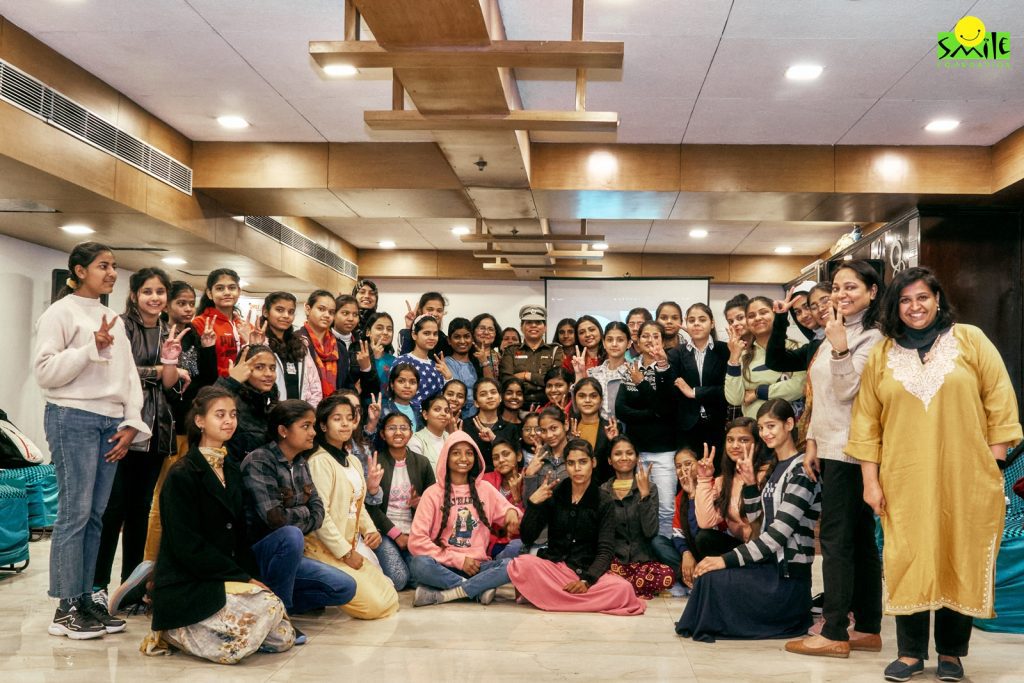
To build awareness among students, especially during the higher-secondary stage, we conduct career guidance and counselling sessions, workshops and informational meetings that guide students through the scholarship landscape. Students are also introduced to online platforms offering comprehensive databases of scholarships tailored to different demographics and academic streams.
Our efforts ensure that girls understand not just the importance of scholarships but also the process of accessing them. We guide them on meeting eligibility requirements, completing applications carefully, writing strong essays, securing recommendation letters and navigating financial-aid processes. With this knowledge, young women can carve their own path toward brighter futures filled with promise and potential.
Q3: How important are mentorship and long-term support for the success of girls in STEM education?
Seema Kumar: Mentorship plays an essential role in guiding students through both academic and personal challenges. By connecting students with professionals in their fields of interest, mentorship provides practical guidance on academic choices and career paths, as well as emotional support during difficult times.
Such relationships help students stay motivated and confident. Mentorship creates a sense of belonging in spaces where girls have historically been underrepresented, like engineering or technology.
We have also learned that short-term funding has limited impact. Supporting a girl for only one year often isn’t enough to create meaningful change. Therefore, long-term support, at least four to five years, is critical. It gives students stability and the confidence to complete their education without fear of financial uncertainty.
Q4: What guidance does Smile Foundation offer to girls applying for scholarships?
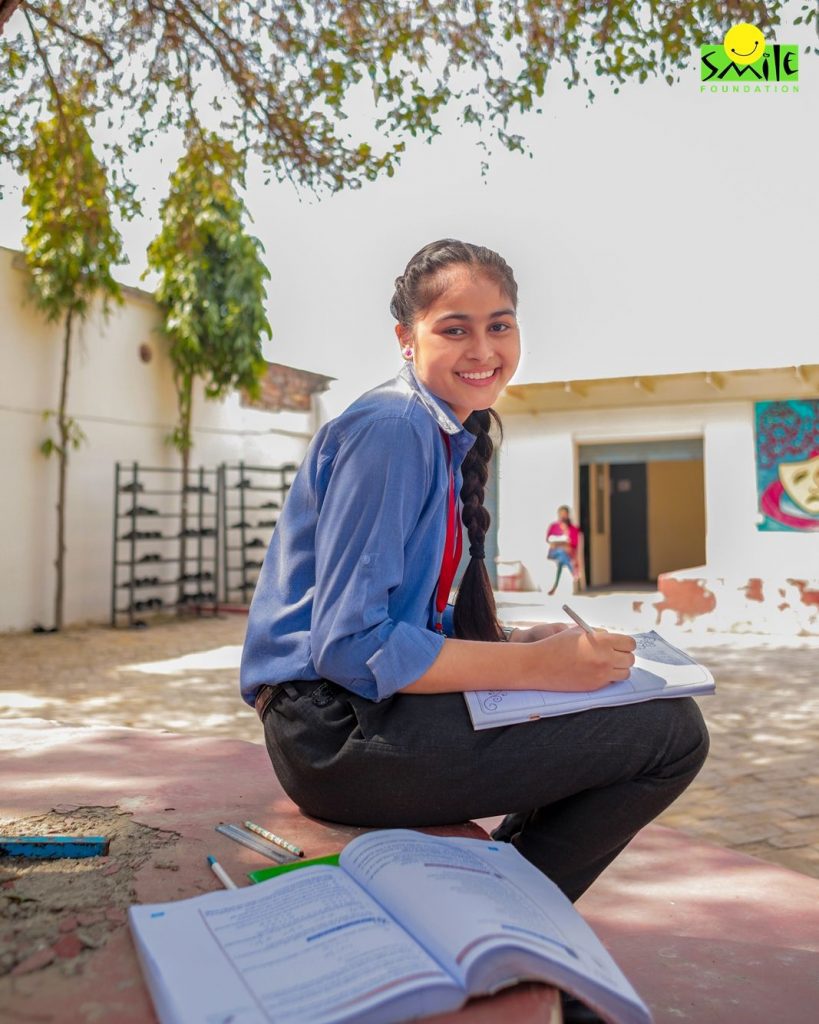
Seema Kumar: We guide girls to approach the application process with preparation and clarity. They are encouraged to gather all necessary documents early — transcripts, proof of income and certificates. We emphasise the importance of thorough research on available options and careful completion of every part of the application.
We also help them understand how to write compelling essays, secure strong recommendation letters, and articulate how the scholarship will help achieve their educational and career goals.
Applicants are taught to connect their personal aspirations with broader societal impact, creating a narrative that is both personal and inspiring. By learning to express this link clearly, they strengthen their chances of success and begin to see themselves as agents of change rather than just recipients of aid.