


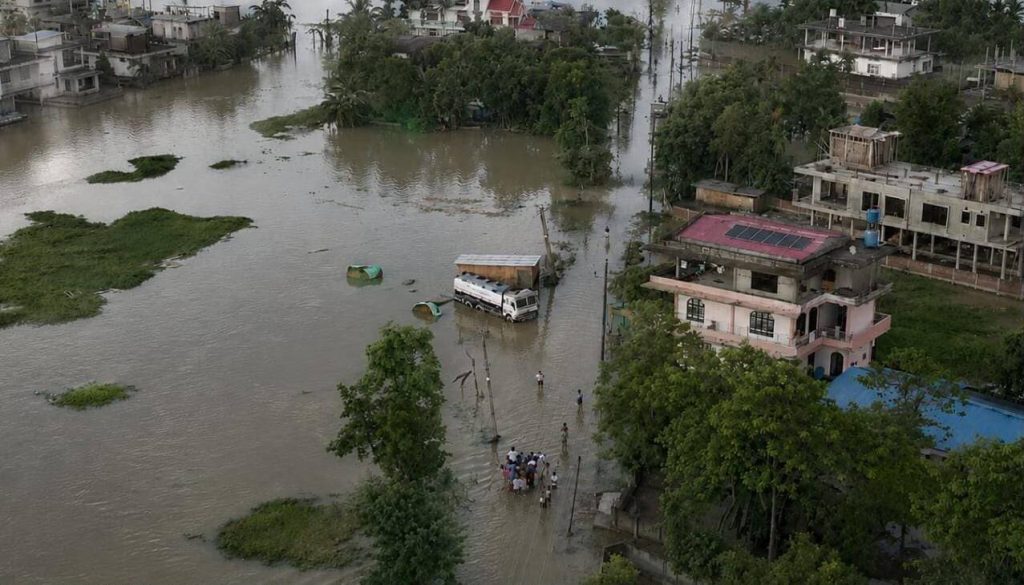
In India, the value of human life largely depends on one’s social class, gender, caste and economic status rather than on the simple fact of being human. Despite being the largest democracy in the world with a slew of constitutional promises of equality, the value of human lives is too often measured by their access to resources, measured by privileges and rights. The divide between the rich and poor, urban and rural, educated and uneducated, continues to dictate who receives care, justice and dignity. From road safety and healthcare to labour rights and gender violence, countless lives are lost or dismissed as statistics because society has normalised inequality.
The 2019 Davos report, “Public Good or Private Wealth?” showed that our economic system is broken. Hundreds of millions of people live in poverty, while huge rewards go to those at the very top. The Oxfam report, “India: Extreme inequality in numbers”, points out that the top 10% of the Indian population holds 77% of the total national wealth. 73% of the wealth generated in 2017 went to the richest 1%, while *670 million Indians who comprise the poorest half of the population saw only a 1% increase in their wealth.
A shift in the mindset approach
To make every life valuable in India, there must be a fundamental shift in both governance and mindsets. This transformation requires investing in and advocating for equitable access to education, healthcare and employment, so opportunities are not determined by one’s social conditions, such as caste and patriarchy, which must be actively dismantled through awareness, inclusive policies and strong implementation of laws.
With that, empathy and civic responsibility must be cultivated among the general public, so that individuals begin to think and value not just their own safety and comfort, but also that of others. In this regard, media and education have a significant and powerful role to play through spreading awareness for better education, skills training, healthier lifestyles, job opportunities and sanitation, which are key if India is to make life demonstrably more valuable.
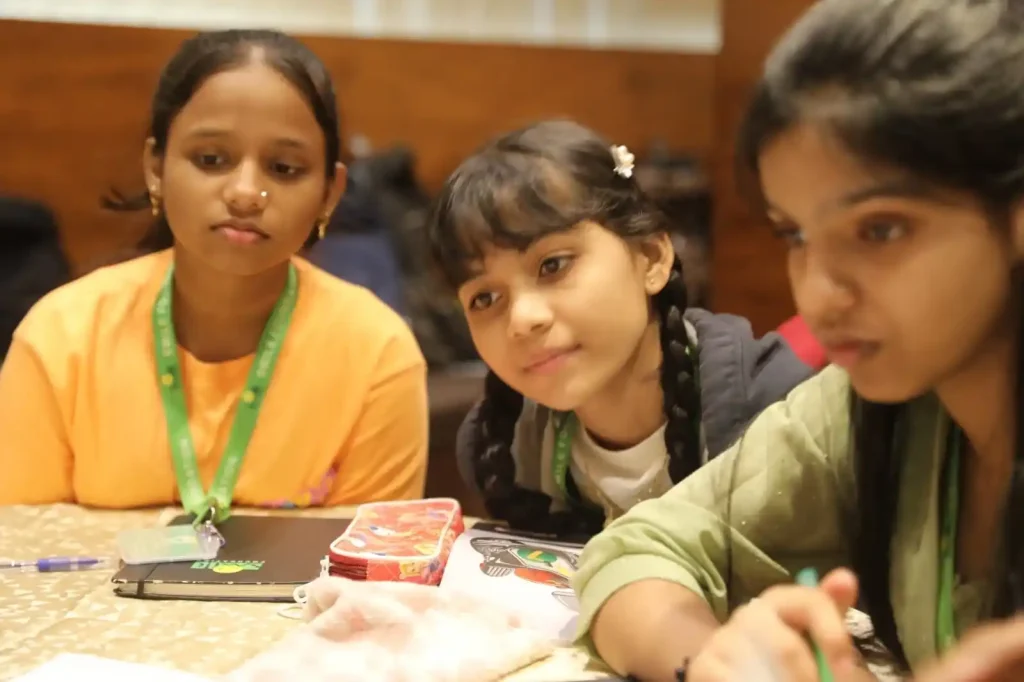
Access to education
Over the last decade, India has made significant strides in access to basic education, reporting an increase in gross enrolment for primary grades and adult literacy. However, learning remains the central challenge. Large-scale assessments and World Bank analysis estimate that roughly 56% of Indian children at the end of primary age are not proficient in basic reading, and about 54% fail to meet minimum primary learning standards, which points to “learning poverty” despite school attendance.
To address this, policy must move beyond enrolment targets to ensure classroom learning, remedial teaching for foundational literacy and numeracy, continuous teacher training, localised curricula in mother tongues, better learning assessment systems and targeted funding for early-childhood education. Strengthening school infrastructure and ensuring regular attendance, especially of girls and children from disadvantaged castes/tribes, will transition access to basic education into reality.
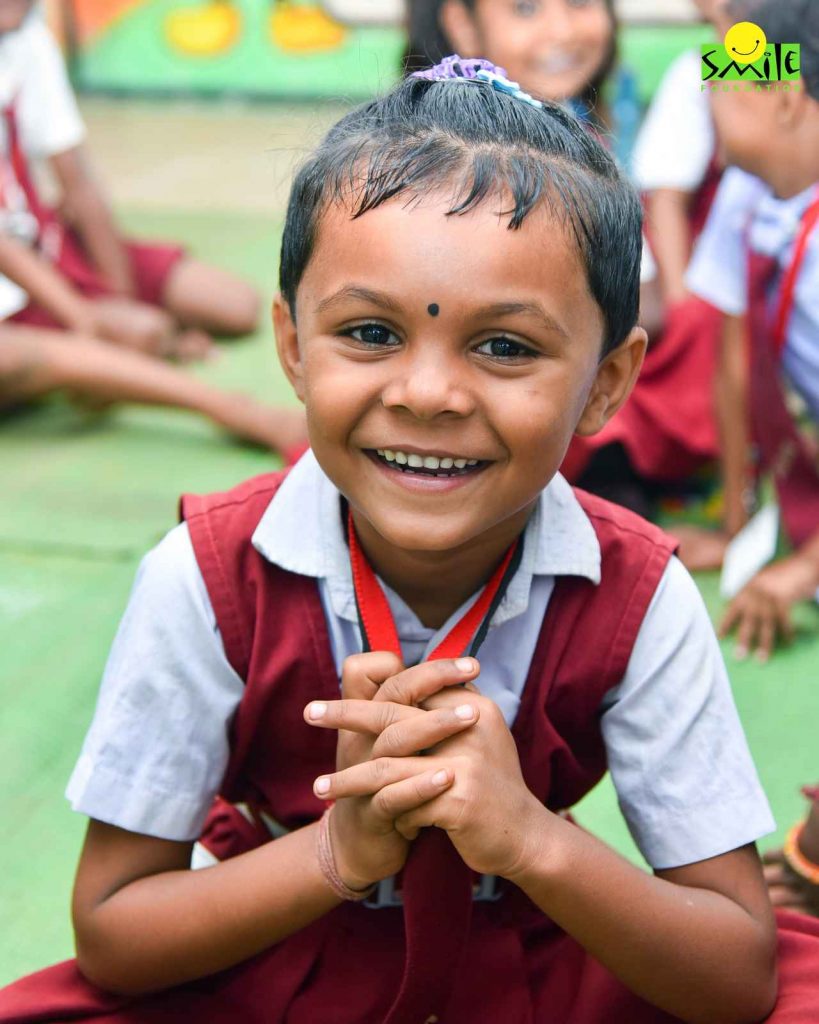
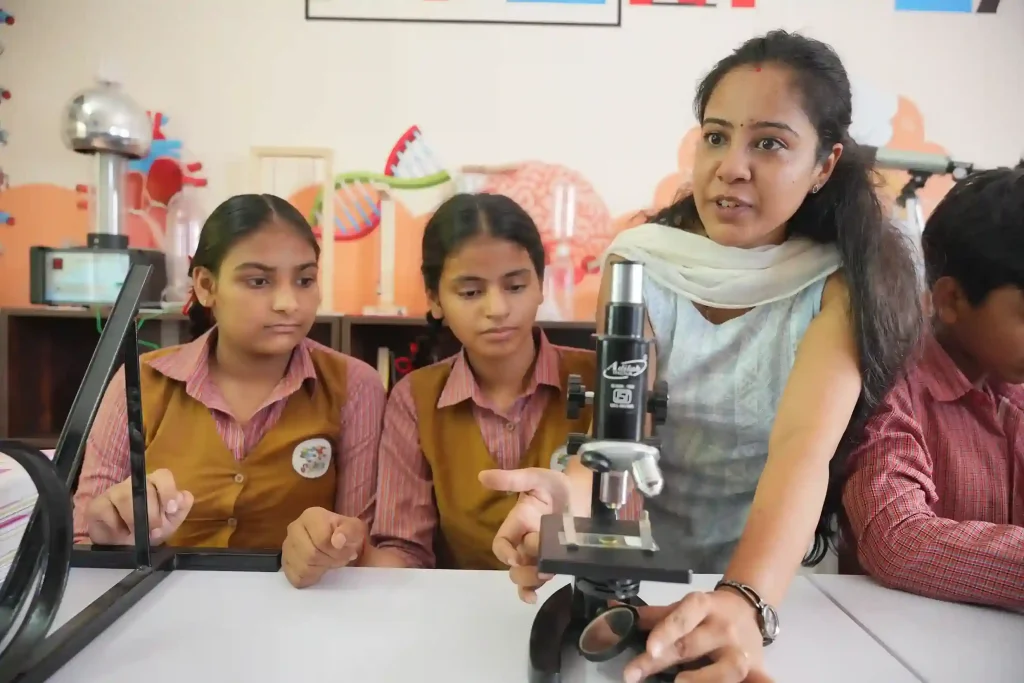
Smile Foundation’s education interventions are focused on helping children from difficult circumstances to have access to equal opportunities for school completion and equitable learning outcomes. Aligned to the National Education Policy (NEP), the initiatives align with the key priority areas identified during the G20 Education Working Group meeting (2023), including foundational literacy & numeracy, tech-based learning, building capacities, and strengthening research & promoting innovation. Our Mission Education programme has conducted 86 teacher-training sessions, reaching 482 teachers and 116 principals to improve learning outcomes through activity-based learning, STEM innovations and improved pedagogy.
Skills training
Formal education alone will not meet India’s employment needs unless it links to industry demands. Government skilling drives such as PMKVY have trained millions (over 14–16 million enrolled since launch phases), yet independent reports show low sustained placement rates, raising concerns about the quality, relevance and signalling of certificates.
Effective skills policy requires stronger industry partnerships to define competency standards, rigorous on-the-job apprenticeships, portable credentials and better placement tracking. Investment in upskilling for digital and green-economy jobs, plus incentives for micro, small and medium enterprises to hire and train, would reduce the mismatch between what young people learn and what employers need.
SMILE Foundation’s STeP and Livelihood programmes have created over 74 skilling centres in 8 states, imparting soft skills, computer skills and industry-specific modules and as a result, over 100,000 painters have been upskilled in 25 states via the iTrain project.
Quality health
Despite India’s health outcomes showing major improvement, the overall state of quality health remains uneven across geographies. Indicators such as maternal mortality and access to trained health workers show clear scope for action. Although India’s life expectancy has risen as per the latest World Bank data, the density of physicians and skilled health workers per population remains low compared with global averages, limiting timely care in many districts.
To improve lives through health, India needs stronger primary health systems with sufficient community health workers, functioning sub-centres and PHCs, expanded maternal and child nutrition programmes and investments in mental health and noncommunicable disease prevention. Telemedicine and task-shifting, backed by training and supplies, can expand reach to remote areas.
Smile Foundation’s comprehensive and community-centric health programme brings primary healthcare services to the doorsteps of underserved communities in rural and urban India. Following a two-pronged approach, the ‘Smile on Wheels’ programme provides curative and preventive services, addressing the gaps in healthcare availability, accessibility and affordability. Through these interventions, Smile has established over 70 mobile medical units across states and over 100 healthcare camps.
Water, Sanitation and Hygiene
Sanitation has been a visible policy success story and large-scale campaigns have, over time, reduced open defecation and increased household toilet coverage. However, sustained behaviour change and safe faecal waste management remain a major challenge. Although multiple national monitoring reports suggest that hundreds of millions were moved away from open defecation through the Swachh Bharat drive, independent studies indicate substantial pockets without toilets and maintenance and sewerage infrastructure challenges.
Going forward, investments must shift from toilet construction to long-term operations with faecal-sludge management, urban sewerage, maintenance budgets for schools and public toilets, menstrual hygiene access, and social norm campaigns that lock in usage, especially for the poorest communities.
Through its education initiative, Mission Education, Smile Foundation has positively impacted the lives of over 10,000 students across multiple states, spreading awareness on hygiene, sanitation and clean water usage while operating in 51 schools and Mission Education centres. Through this initiative, Smile Foundation has worked to integrate valuable lessons on water, sanitation and hygiene (WASH) into the curriculum and equip students with knowledge about proper hygiene practices and the importance of clean water and sanitation.
Creating job opportunities
Creating decent jobs is the final step in turning improved education, skills, health and sanitation into valued livelihoods. India’s headline unemployment rate is moderate by global comparisons, but labour-force participation, especially for women, remains very low and a large share of employment is informal or underpaid.
Policies must prioritise quality job creation — incentivise labour-intensive manufacturing and services, expand childcare and safe transport to raise women’s participation, formalise micro-entrepreneurship with credit and social protection and improve urban planning so new economic hubs are accessible to lower-income workers. Linking wage subsidies, work-based training, and local public works can provide transitional pathways from vulnerability to stable employment.
For instance, the iTrain on Wheels initiative, a collaboration between Smile Foundation and Berger Paints India Ltd., has revolutionised vocational training for painters across 24 states. Through mobile iTrain vans, the programme has reached over 100 locations, providing hands-on training that enhances both technical skills and communication abilities.
The way forward
Each of these five pillars reinforces the other. While quality education raises the returns to skill training, healthier children learn more and enter the workforce fitter. Sanitation reduces disease burden and increases productivity, and decent jobs can make way for better investments in schooling and health, which are affordable to families.
Ultimately, valuing human life in India is about reforming institutions and redefining morality and empathy in everyday actions. True progress will begin when society learns to see dignity in every person.





One reply on “What Will It Take for Lives to Become Valuable in India”
Good program.