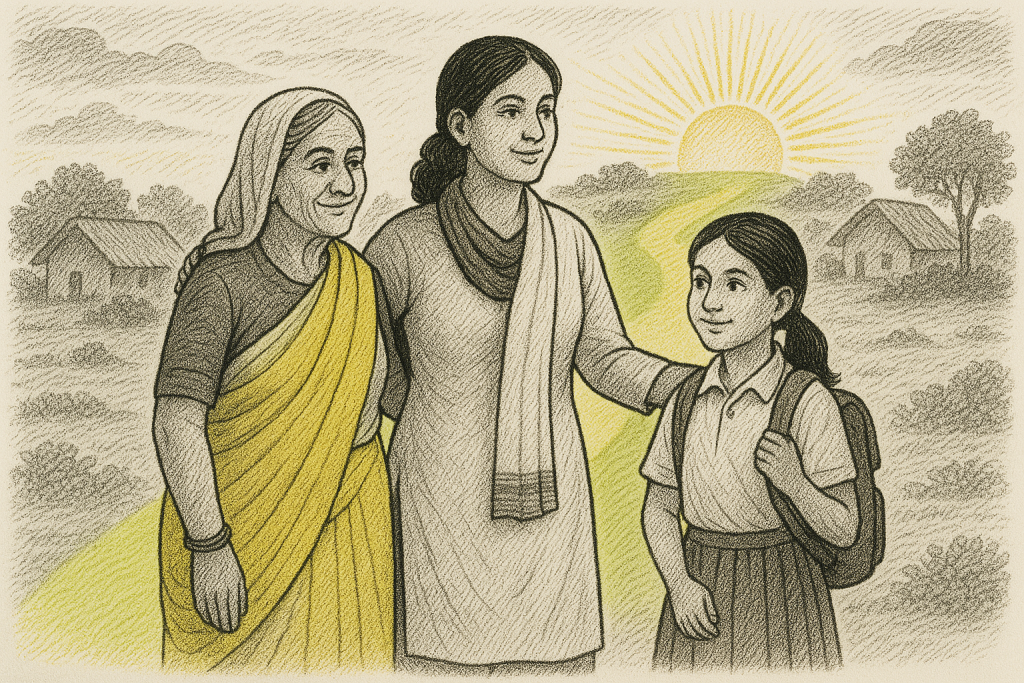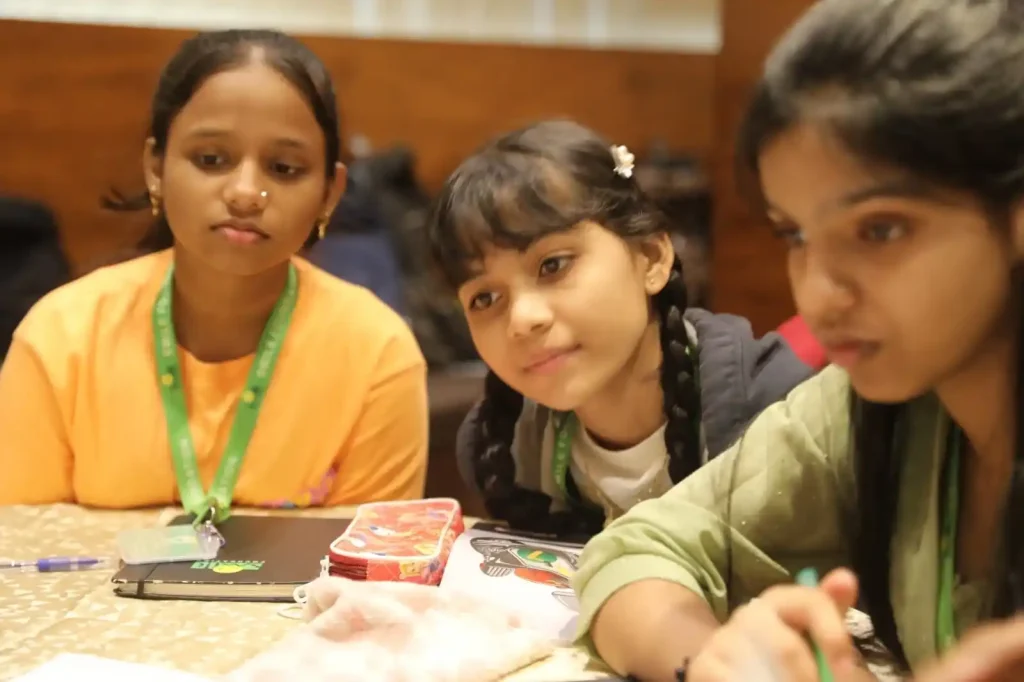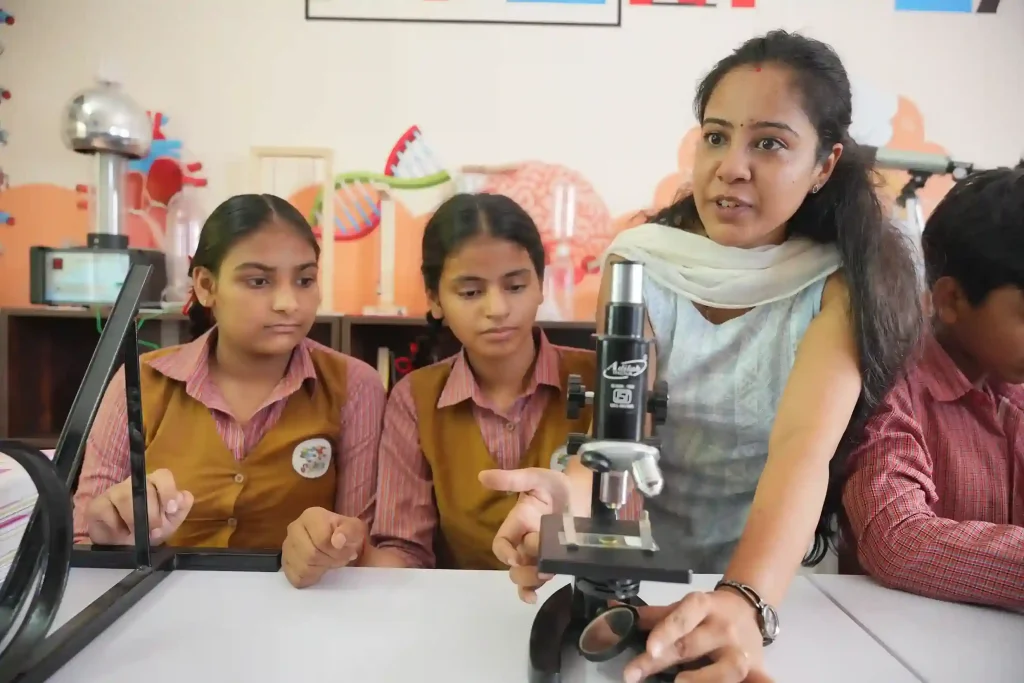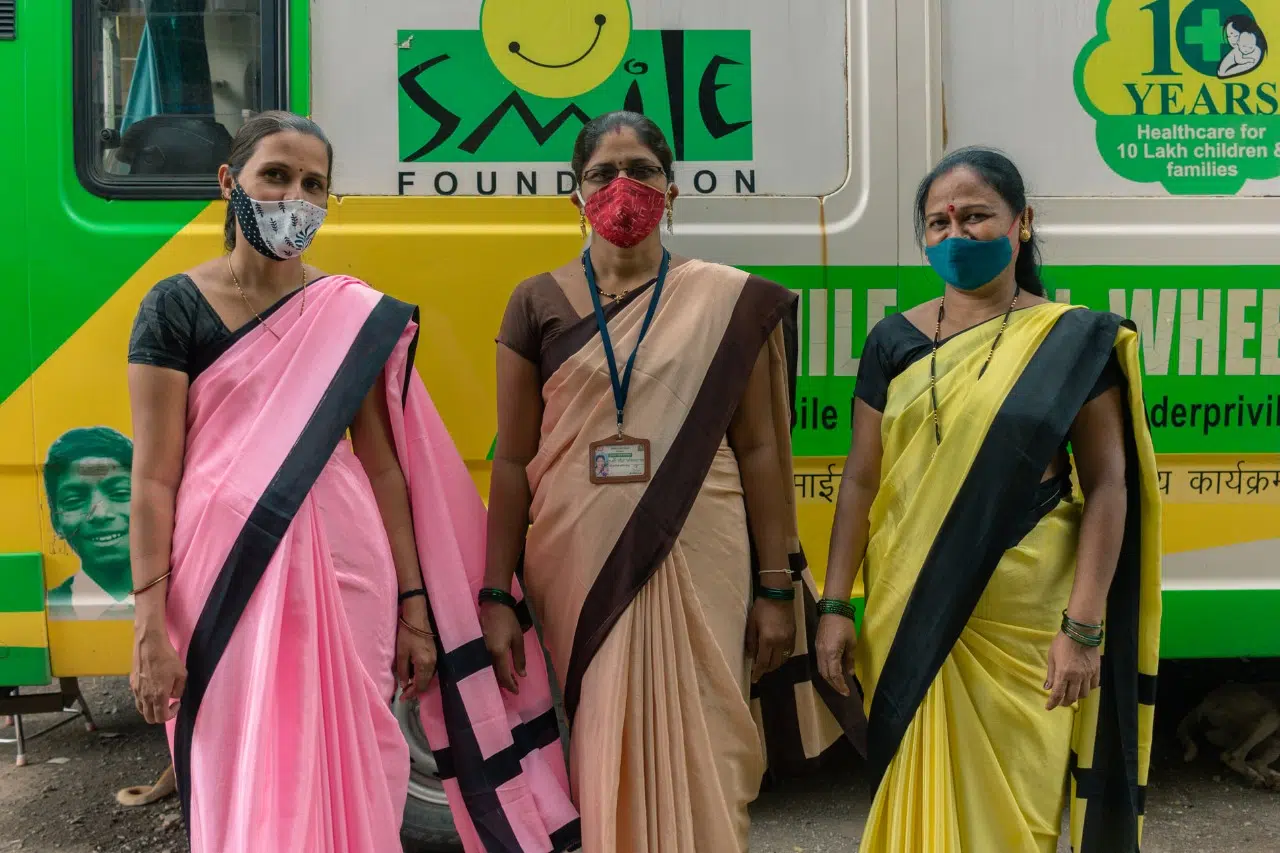

Whether it’s an ASHA accompanying a mother to the health centre, an Anganwadi worker serving a hot mid-day meal or a grassroots teacher encouraging a girl to stay in school, these women are the invisible architects of India’s progress.
The narrative of India’s growth has often focused on infrastructure and innovation, but beneath those macro achievements lies also the story of women-led community models that are transforming generational outcomes in health, education and social well-being.
This transformation is not accidental. It stems from decades of investment in women’s leadership at the grassroots supported by public programmes like the National Health Mission and the Integrated Child Development Services (ICDS) and strengthened by civil society organisations such as Smile Foundation, which partners with community-based women workers to ensure that last-mile service delivery is not just efficient, but empathetic.
The Invisible Infrastructure of India’s Welfare System
India’s vast social sector machinery relies on nearly 3 million Anganwadi workers and helpers and over 1 million ASHAs (Accredited Social Health Activists) — each a vital link between policy and people.
An ASHA is the first point of contact for families in rural and low-income urban areas. She counsels pregnant women on antenatal care, tracks immunisations, identifies health risks and ensures referrals. Meanwhile, the Anganwadi worker manages the village’s ICDS centre providing nutrition, early childhood care and pre-school education to children under six. Together, they represent the frontlines of India’s human development mission.
Yet, their roles go beyond service delivery. They embody trust, accountability and cultural understanding — qualities that no formal institution can replicate.
In many villages, these women are the only visible representatives of the state. When a mother loses her child to malnutrition or a family faces a health crisis, it is not a distant bureaucracy that they turn to — it is the ASHA or Anganwadi “didi” next door.
As Smile Foundation’s community programmes show, this trust is what enables long-term impact. Development becomes sustainable when it is co-owned by women who live within the community and understand its pulse.
Health: When Care begins at the Doorstep
Public health outcomes in India have improved dramatically in the past two decades — maternal mortality has fallen by 75% since 2000 and institutional deliveries have become the norm in most states. But these gains were not driven by infrastructure alone. They were achieved by women — ASHAs and community health workers — who went door to door, convincing mothers to trust modern medicine.
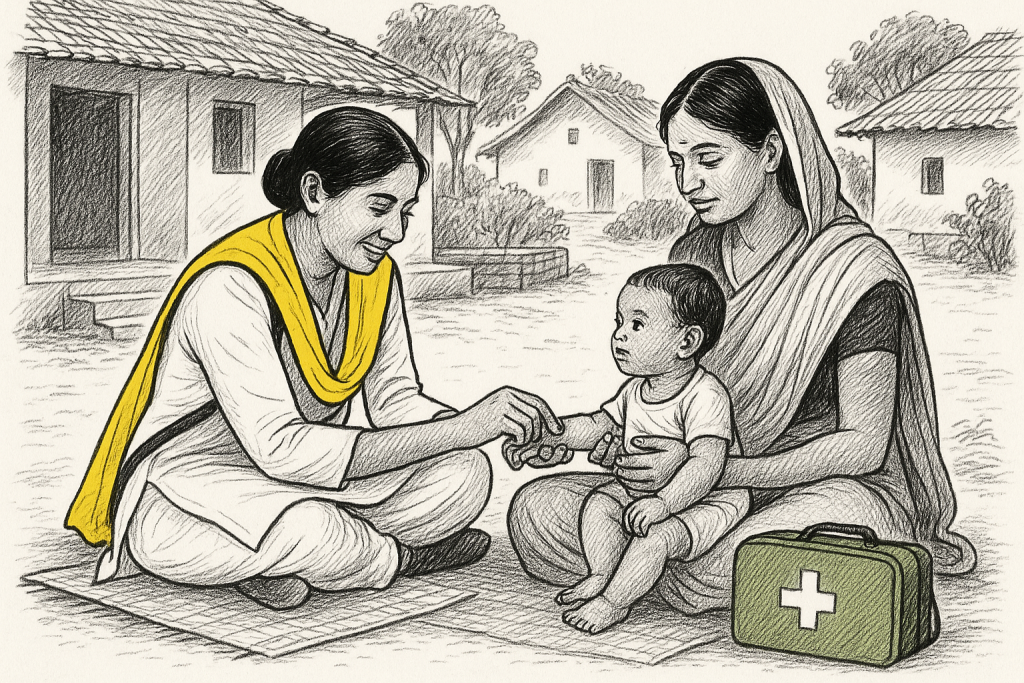
Smile Foundation’s Smile on Wheels mobile healthcare programme operates on this very principle. While its medical vans bring doctors and diagnostic services to underserved regions, its real strength lies in its community linkages. Each project is supported by local women volunteers—often ASHAs or Anganwadi workers—who mobilise families, identify high-risk cases and ensure follow-up care.
In Uttar Pradesh’s Kanpur Dehat, for example, where Smile Foundation runs a mobile health initiative, it is the women health mobilisers who track maternal and child health data, encourage vaccination and follow up on TB and anaemia cases. Many of them are ASHAs who have been trained to bridge preventive and curative healthcare.
“We realised early that you can’t just send a doctor in a van and expect people to show up,” says a Smile programme coordinator. “You need women from the community who people trust. They are the real health ambassadors.”
By strengthening this local health leadership, Smile Foundation’s model mirrors the philosophy of community-based care embedded in India’s health mission. The result is not just improved service uptake, but a deeper behavioural shift — families that now see healthcare as a right, not a privilege.
Education: The revolution in classrooms
If ASHAs and Anganwadi workers anchor India’s health outcomes, grassroots women educators form the backbone of its education movement. Across Smile Foundation’s learning initiatives — from urban slums to remote tribal villages — local women serve as teachers, mentors and advocates for girls’ education.
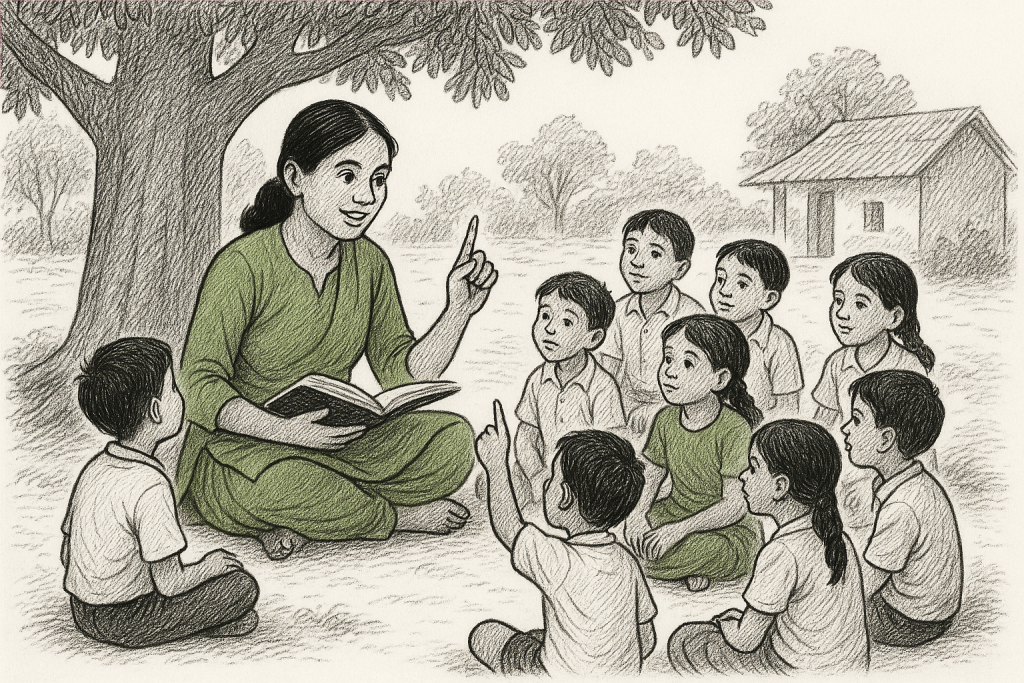
In Smile’s Mission Education centres, women teachers are not just instructors; they are role models. Many are first-generation learners themselves, whose journeys inspire their students to dream beyond traditional boundaries.
In Ladakh’s residential learning programme for girls, the transformation is visible. Here, young girls from remote villages — where secondary schools are often days away — live and learn in a safe environment that combines academics with life skills. Most mentors and coordinators are women from the region who understand the socio-cultural context of girls’ education.
“When a girl from the village becomes a teacher, she doesn’t just teach children,” explains a Smile Foundation project lead. “She changes how the community perceives girls’ education.”
This “representation effect” is powerful. Studies have shown that female teachers increase girls’ school attendance and reduce dropout rates. But beyond data, it’s about continuity — how one generation of women nurtures the next.
In communities where early marriage or domestic responsibilities often pull girls out of school, seeing a local woman in a position of leadership sends a message more potent than any campaign slogan: education is possible, and it is powerful.
Nutrition and Early Childhood: The Anganwadi’s Everyday Impact
Step into any Anganwadi centre on a weekday morning and you’ll see India’s human development story unfold in real time. Children line up for a warm meal, mothers attend nutrition counselling and pre-school lessons blend play with learning.
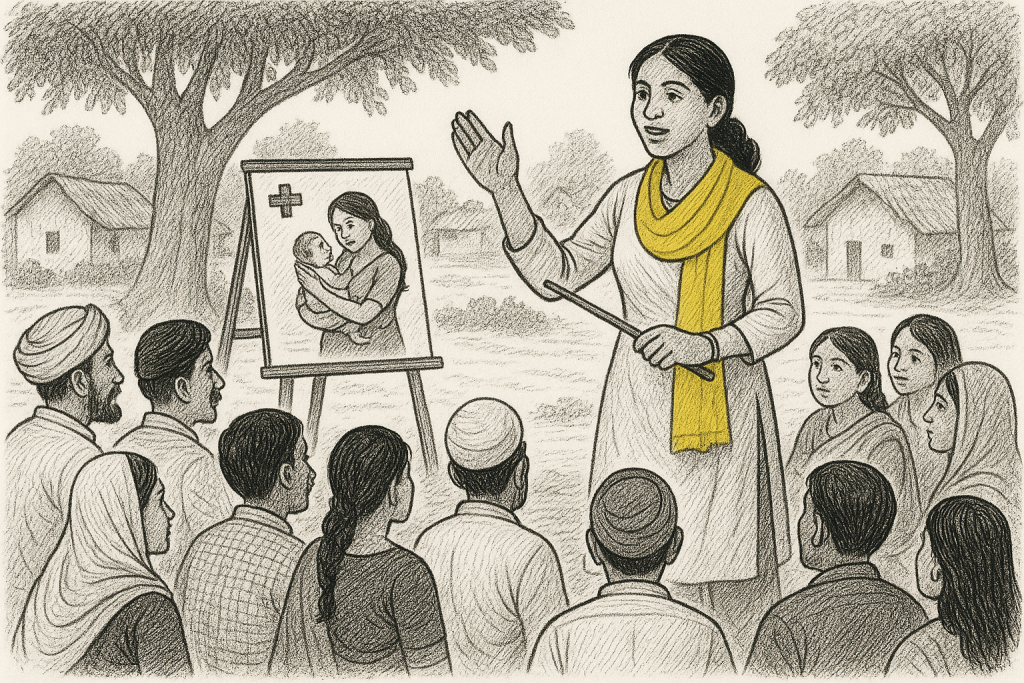
At the heart of this system are Anganwadi workers, often juggling the roles of caregiver, educator and data collector. Despite modest pay and limited recognition, they are central to shaping early childhood outcomes for millions of children.
Smile Foundation’s work frequently intersects with these centres — whether through nutrition drives, capacity-building workshops or digital learning initiatives that support Anganwadi workers with better tools. In several states, Smile has introduced solar-powered digital classrooms, enabling both teachers and Anganwadi workers to access quality learning materials even in off-grid areas.
This integration of women-led community work with technology has shown promising results. In regions of Rajasthan and Madhya Pradesh, digital modules on nutrition, hygiene and early learning have helped Anganwadi workers improve both engagement and outcomes.
“Technology helps, but what really matters is the woman behind it,” says a Smile education coordinator. “These workers are not just delivering content; they’re shaping childhood experiences that define entire generations.”
Economic Agency and Social Recognition
For many ASHAs and Anganwadi workers, their work is the first opportunity to earn an income and gain public recognition. This financial independence often catalyses broader social change — allowing women to participate in decision-making within their households and communities.